


Ukraine overtakes Russia in monthly long-range drone strikes, OSINT data shows

4 min read
Yesterday, noted French OSINT analyst Clément Molin posted an update on the number of drones now used monthly by Ukraine and Russia, adding July’s incomplete figures.
The large strike drone gap opening up between Ukraine and Russia
According to Molin’s analysis, the number of Ukrainian drone strikes against Russia was just under 4,000 in January, about 4,500 in February, about 7,500 in March, before falling to 5,000 in April. In May, they spiked to 9,000 and then 12,000 in June and July.
As you can see, the number of reported Ukrainian drones (the ones downed) by Russian MOD continues to climb, while the number of reported Russian drones stalled and decreased.
— Clément Molin (@clement_molin) July 29, 2026
There are still a few days in the month before the final numbers. pic.twitter.com/2NfoysX9nP
All through 2025, Russia had a considerable drone advantage. However, by January, it was about 4,500, about 5,000 in February, over 6,000 in March, and about 6,000 in April.
May saw Russia’s drone strikes spike to about 8,000, but over the last two months, they have fallen to under 6,000 in June and then to about 4,500 in July.
If this is correct, then it implies Ukraine has carried out almost three times more drone strikes on Russia than Russia has on Ukraine this month. These drones don’t count small FPV-type drones, which are in the millions.
June Drone competition
— Vitaly (@M0nstas) June 30, 2026
Russia intercepted 11617 Ukrainian drones.
Ukraine reported 5749 Russian. https://t.co/IK5Mo71dMd pic.twitter.com/TSySGxUKTx
The numbers mirror those by the OSINT account, Vitaly. Regarding June, the account posted, “Russia intercepted 11617 Ukrainian drones. Ukraine reported 5749 Russian.” July’s update is not yet published.
Why Ukraine is pulling ahead in long-range drone strikes over Russia
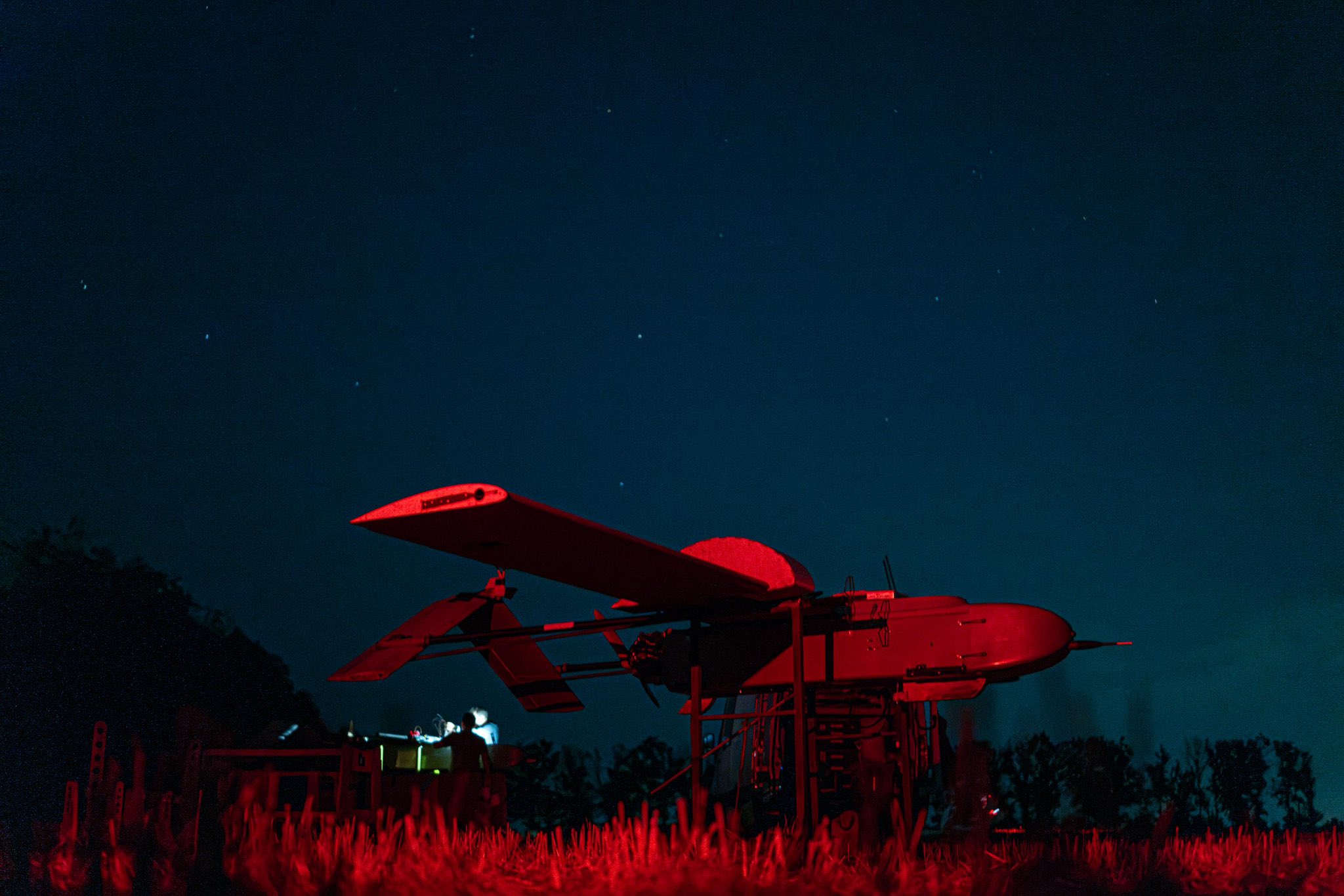
Molin explained part of the reason is Russia’s lower production of the Geran-2 (Shahed-type) drone, which is now around 60% of the launched drones. These months have also seen the mass arrival of Russia’s Geran-4 jet-powered drones.
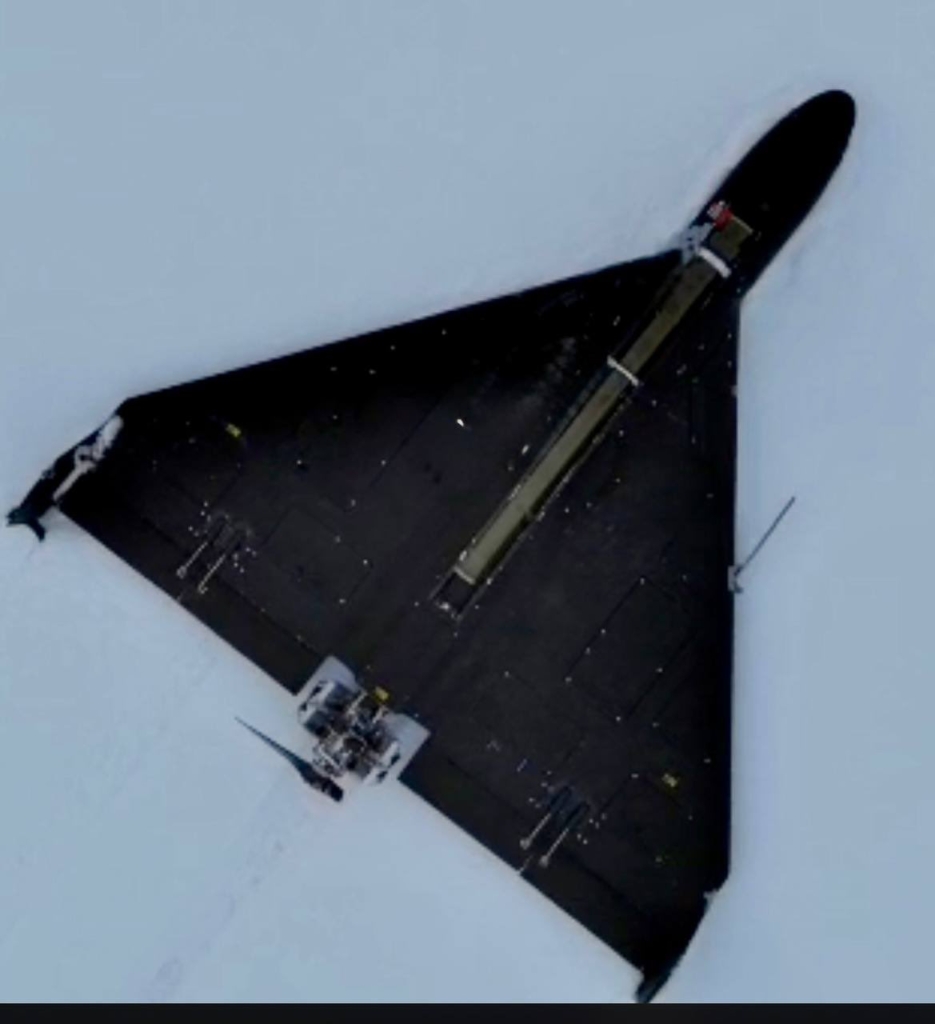
It is taking time to ramp up jet-powered Geran production, and they are more expensive. It seems Ukraine’s successful drone interceptors are pushing Russia to adapt with faster, but more expensive drones.
Another reason for the gap is that Ukraine may be better at reporting its strikes and releasing videos, leading to an undercount of Russian strikes.
It is also worth noting that Ukraine’s Fire Point has recently announced it plans to produce over 100,000 FP-1/-2 drones in 2026. It produced 22,000 in 2025.
Production is deterrence.
— Fire Point (@FirePointUA) July 23, 2026
Fire Point is systematically expanding its capabilities: from 200 FP-1 systems in 2023 to a planned 100,000+ units in 2026. This growth is the result of continuous work – scaling production, shortening manufacturing cycles, and transitioning to larger… pic.twitter.com/Llzv8MRT3C
Molin has previously noted this is around twice as much as Russia’s Geran production. It also doesn’t count other Ukrainian mid- and long-range strike drones like the An-196 Liutyi, the Behemoth, and others.
Toward closing Russia’s ballistic missile advantage
Two of Russia’s remaining areas of relative advantage are in cruise and ballistic missile production and in interceptor missiles.

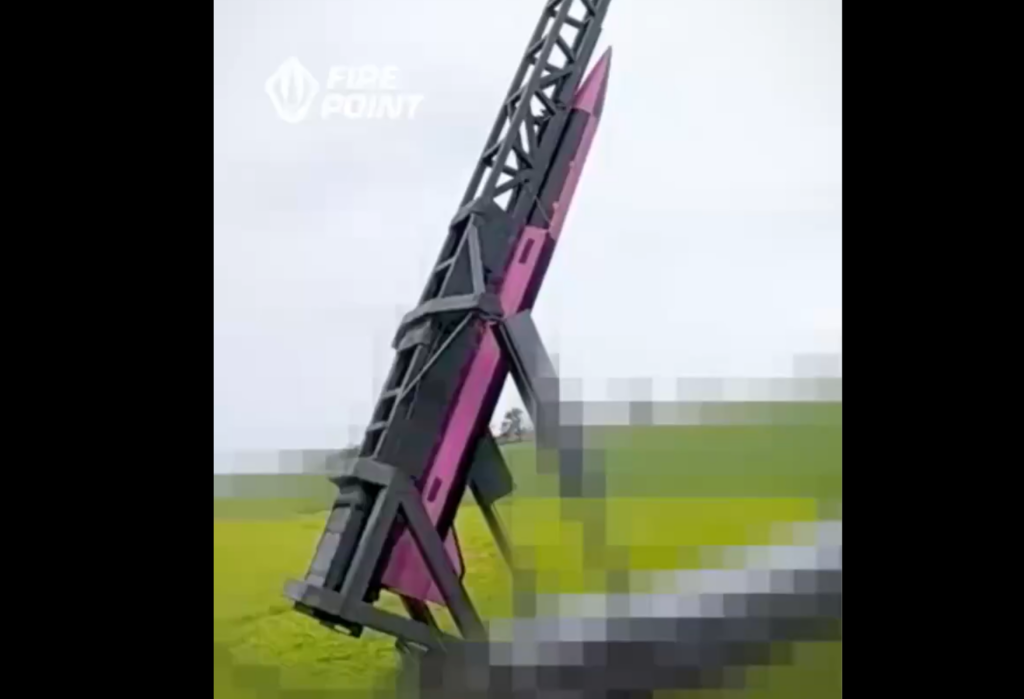
Many of these drones blur the line with cruise missiles. Fire Point recently stated its FP-1 has a range of up to 3,400 kilometres with a 60 kg warhead, while the FP-2 ranges up to 700 km with a warhead of up to 200 kg.
To remedy its dearth of interceptor missiles, Ukraine is rapidly developing the Freyja missile based on the S-300 interceptor missile. The anti-ballistic missile is intended to be affordable (approx. $700,000), scalable, and to complement the higher-end Patriot missiles.
It will rely on a range of European radars and other systems. Fire Point is already testing early models, and it hopes to bring it into service in 2027.
Besides its heavy FP-5 Flamingo cruise missile, Ukraine’s ballistic missile programmes include the Grom-2, FP-7, FP-9, and the British Project Nightfall programme.
Ukraine estimates Russia’s missile production to be ~50 Iskander-Ms per month (down from ~60), 15 Iskander-Ks, five Kinzhals (down from ~ ten), 20 Kalibrs, 60 Kh-101s (down from ~70), ten Kh-32s, five Onyxs, just three Zircons (stable; annual plan ~30), four Kh-69s, and 40 RM-48Us (S-300/S-400 ground-attack conversions).
In total, Russia’s combined ballistic missile output is estimated at 90 to 100 missiles per month.
Sign up for our newsletter and get our latest content in your inbox.


More from


September 13, 20264 min read


September 12, 20264 min read


