Lockheed Martin unveils Morfius X-Rotor microwave drone to defeat 50+ UAS

3 min read
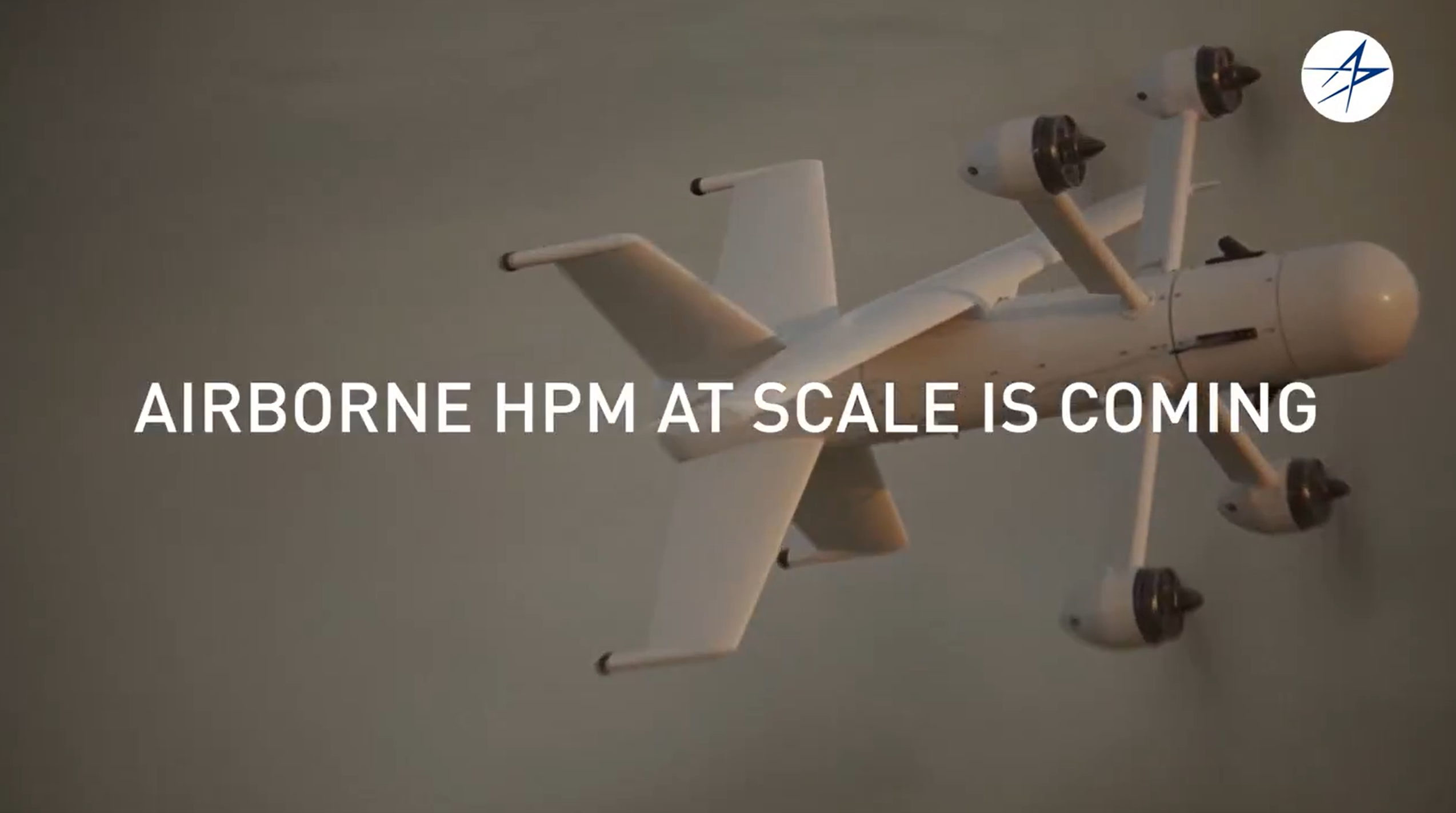
Lockheed Martin has revealed it is rapidly developing a new High Power Microwave drone able to take out dozens of small Unmanned Aerial Systems (UAS) on a single flight. It builds on Lockheed’s Morfius HPM effector the company developed a number of years ago.
Lockheed unveils new Morfius X-Rotor microwave counter-UAS
Yesterday, Lockheed Martin unveiled a new counter-UAS drone system called the Morfius X-Rotor at Farnborough Airshow in England.
Lockheed calls the new drone a “one-to-many” airborne High Power Microwave (HPM) system able to “neutralize more than 50 enemy drones in a single flight.”
The MORFIUS™ X-Rotor is a portable, cost‑effective counter‑drone system that can neutralize up to 50 enemy drones in a single mission. Designed for rapid reuse and rapid deployment. pic.twitter.com/J3tvFrgkuf
— Lockheed Martin (@LockheedMartin) July 20, 2026
The Morfius X-Rotor is designed for field recovery and reuse and “keeps a significantly low cost per kill, protecting defense budgets while maintaining relentless firepower.”
The counter UAS drone is designed to be sensor and command-and-control-agnostic, not requiring a unique sensor to command-guide to an engagement. As with many other counter-UAS systems, it is intended to offer a low cost per kill and be affordable for defence budgets while also being effective.
The US already has a number of High Power Microwave systems designed to fry the electronics of drones, although most of these are ground-based. Examples include the THOR (Tactical High-power Operational Responder), Leonidas (Epirus), Raytheon’s Phaser, and Raytheon’s CHIMERA.
Get the latest aerospace defence news here on AGN.
Morfius X-Rotor in rapid prototyping and testing stage
The system is not yet ready for use, with Lockheed saying it is accelerating prototype production of the drone and its HPM payload. The programme is designed to support the US’s 2025-2028 Rapid Response Counter-UAS Roadmap.

It has already been tested in “flight, intercept, and lethality conditions” in Arizona, California, and Oklahoma, and the company is planning the next series of flight tests.
Lockheed claims Morfius is the only ground-launched, field-reusable airborne HPM system able to take out over 50 drones on a single flight using any control system.
Morfius joins a rapidly growing chorus of counter-drone solutions being developed by Andruil and various other defence contractors both in the United States and abroad.
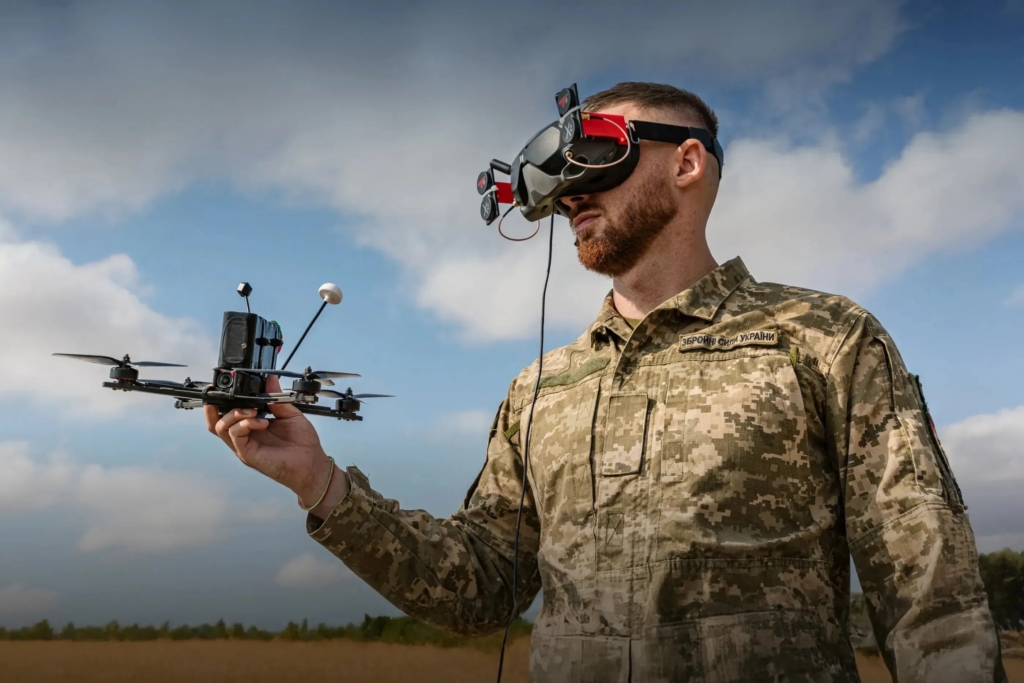
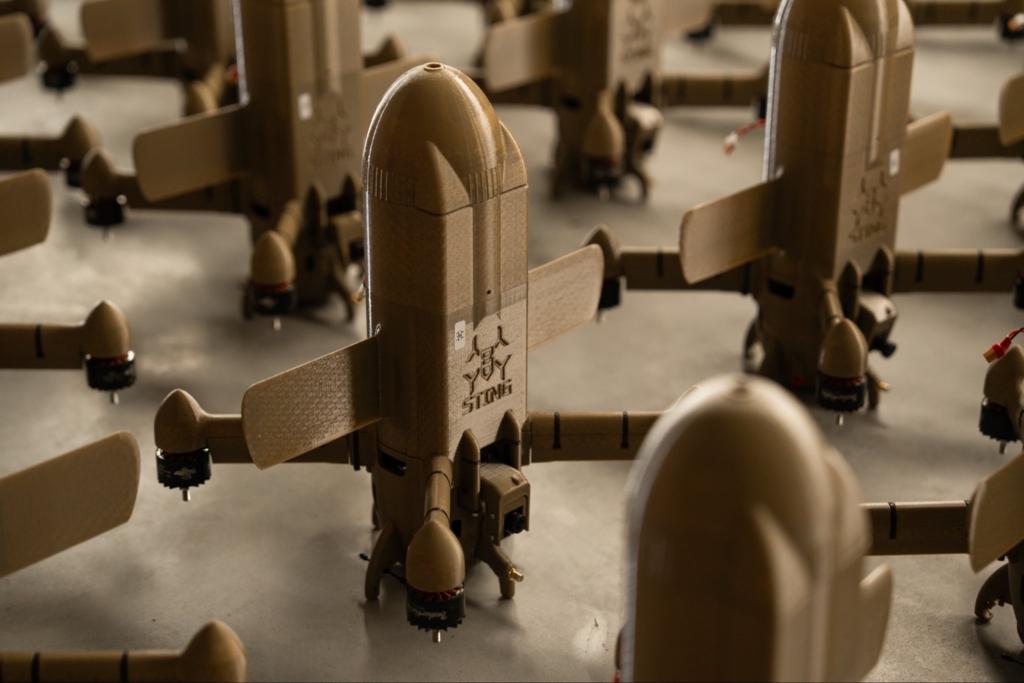
Counter-UAS solutions range from everything from Ukraine’s highly successful Sting interceptor drones to the UK’s Dragonfly directed energy (laser) system.
US counter-UAS budget is exploding
US counter-UAS funding has been exploding in the past half-decade. In Fiscal 2022, the US provided in the lower hundreds of millions for counter-UAS programmes. These were fragmented across services, focusing on RDT&E and initial procurement with little centralized tracking.
In Fiscal 2023, funding rose to between $1 and $2 billion, with much of the funding going to the Army. In Fiscal 2024, $2 to $3 billion was enacted, with this rising to $3.9 billion enacted in Fiscal 2026.
Fiscal 2027 has seen a massive spike in proposed Counter-Unmanned Systems (C-UXS) to $20.6 billion. It includes $14.8 billion related to Drone Dominance and is part of a larger $74 billion drone and counter-drone package.
Budget documents say, “$14.4 billion investment in counter-unmanned systems to provide defense against unmanned threats across 250+ sites, combining fixed defenses, mobile protection, high-volume interceptors, and specialty defeat systems.”
For reference, the entire UK defence budget for 2026 was £68.3 billion, or around $92 billion.
Featured Image: Lockheed Martin