Nearly 10 billion passengers flew through airports last year – here’s why growth is now slowing

2 min read

Worldwide, airports handled a record 9.8 billion passengers in 2025, according to Airports Council International (ACI) World. But that momentum has cooled, with 2026 bringing a sharp slowdown amid geopolitical and economic pressures.
ACI World’s newly released Annual World Airport Traffic Report draws on data from over 2,800 airports worldwide. It reveals that while airports globally handled record passenger traffic in 2025, that growth has stalled this year despite reaching around 4.7 billion in the first half of 2026.

Justin Erbacci, ACI World’s Director General, said that while the 2025 results confirm that long-term demand for air travel remains strong, they also suggest a more unsettled picture emerging in 2026.
Strong growth across most regions in 2025
Growth last year was driven primarily by international travel, with passenger traffic rising 6.1%, comfortably outpacing domestic growth of 1.7%.
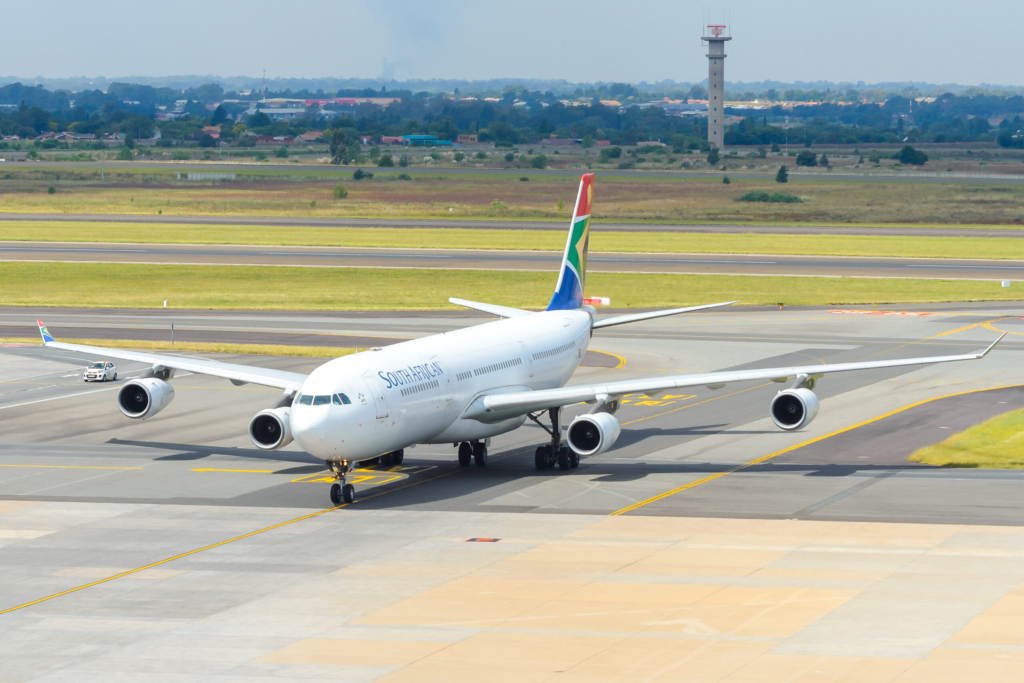
Regionally, Africa posted the strongest passenger growth at 9%, followed by the Middle East at 6.5%, Asia-Pacific at 5.1% and Latin America and the Caribbean at 4.5%. Europe grew a solid 4.2%, while North America fell 0.7% on softer domestic demand.
Meanwhile, global air cargo rose 3.3%, while aircraft movements increased 2%.
The figures, said Erbacci, reinforce that more capacity will be needed. “Meeting that demand means expanding capacity while getting far more out of the infrastructure we already have.”
He also advocated for regulation that supports investment rather than blocking it, describing airports as “strategic assets for their communities”.
A bumpier flight in 2026
That growth momentum has faded this year. Passenger traffic reached around 4.7 billion in the first six months and was up just 0.6% year-on-year, a sharp deceleration from 2025. ACI’s figures show that while Africa, Europe, Latin America and Asia-Pacific continued growing, North America stayed flat.
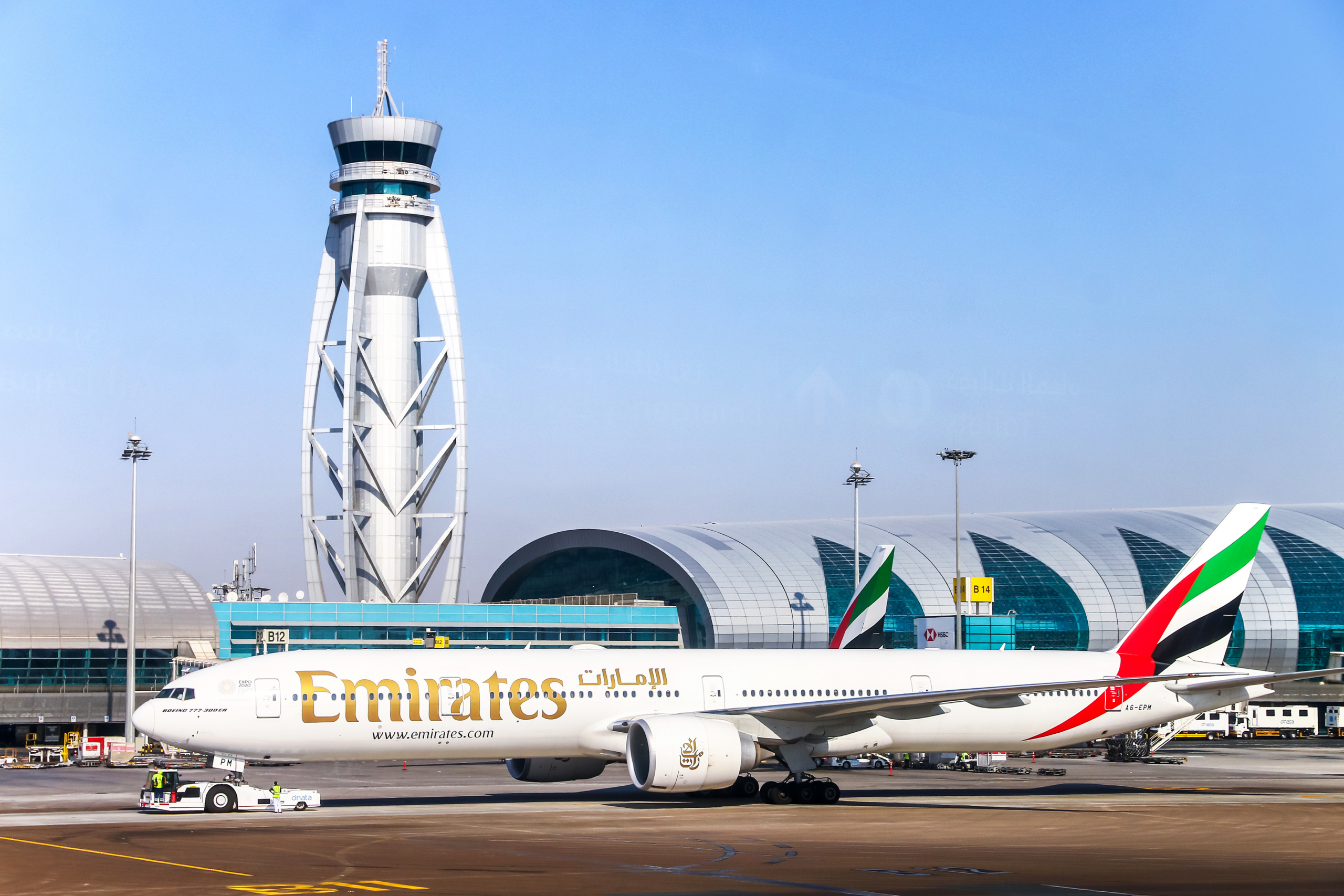
Unsurprisingly, given the escalating regional unrest and subsequent airspace disruptions, the Middle East saw the steepest drop, with traffic down 21%. It remains a stark reminder, however, of how quickly geopolitical disruption can undo growth in what was until this year a rapidly growing market. It’s also relevant context for any region exposed to instability, airspace restrictions or economic shocks.
Despite the near-term turbulence, the report maintains the underlying message is one of confidence. Aviation’s fundamental growth drivers, including population growth, rising incomes and expanding connectivity and sustained travel demand, remain intact.
For airlines, airports and their partners, the message is that long-term aviation demand remains structurally sound despite ongoing geopolitical tension.
Sign up for our newsletter and get our latest content in your inbox.


More from


October 17, 20264 min read