Africa’s air travel boom is creating demand for 1,200 new aircraft

3 min read
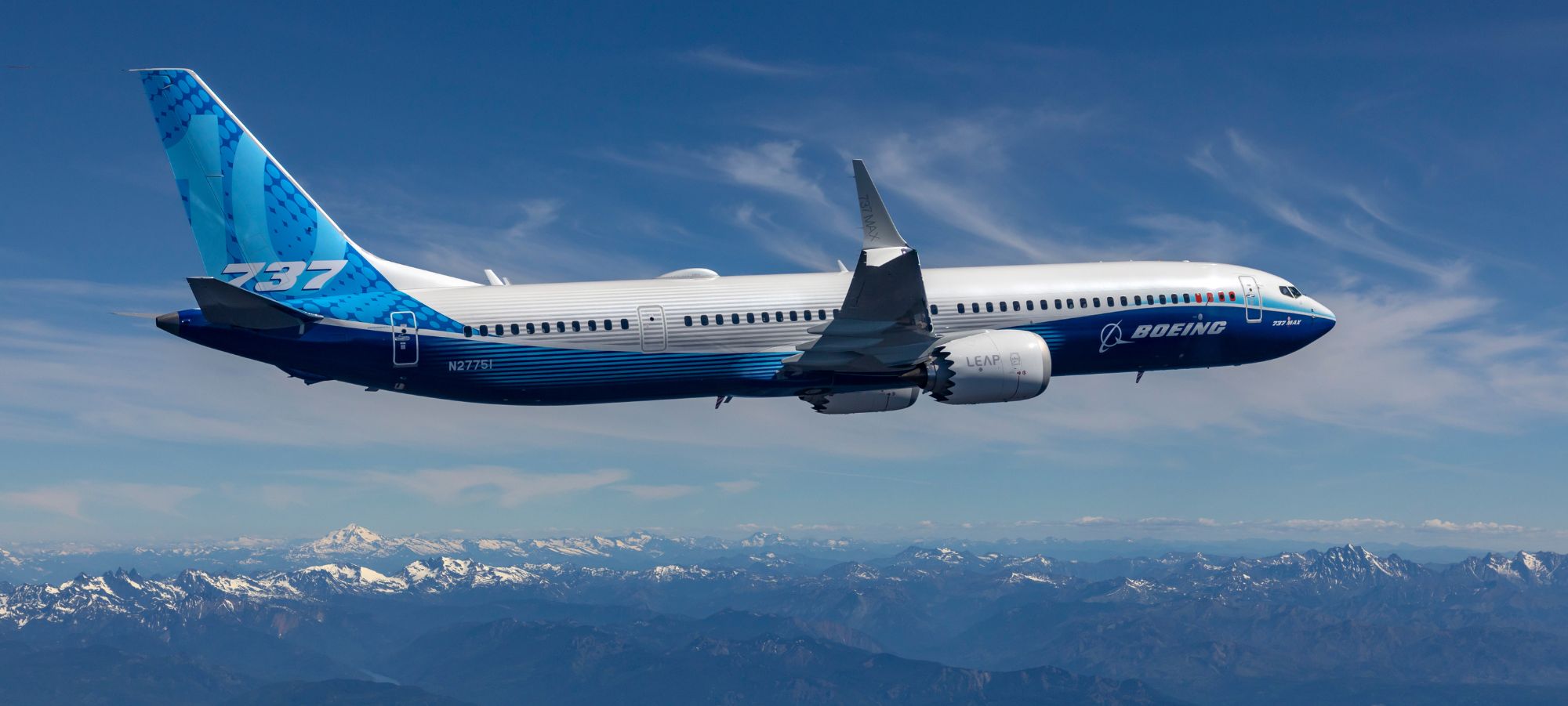
Boeing is forecasting a sustained boom in African air travel, with passenger growth expected to average nearly 6% annually through 2045.
Africa’s surge in passenger traffic will be driven by the continent’s expanding population, rising urbanisation and growing middle class. The continent’s population is expected to increase from 1.4 billion to 2 billion over the next two decades, fuelling infrastructure investment and driving strong passenger traffic growth across the region, according to the US planemaker.
Boeing’s forecast for Africa’s fleet expansion
According to Boeing, African airlines will need 1,200 new aircraft over the next 20 years with single-aisle jets accounting for 870 of those (75%) to serve domestic and regional markets. A further 240 widebody aircraft and 40 regional jets are also expected to be delivered.
Overall, the region’s commercial jet fleet is set to more than double, from 755 aircraft today to 1,625 by 2045, to meet projected demand. Widebody demand is also expected to more than double, supporting fleet modernisation and long-haul network growth.
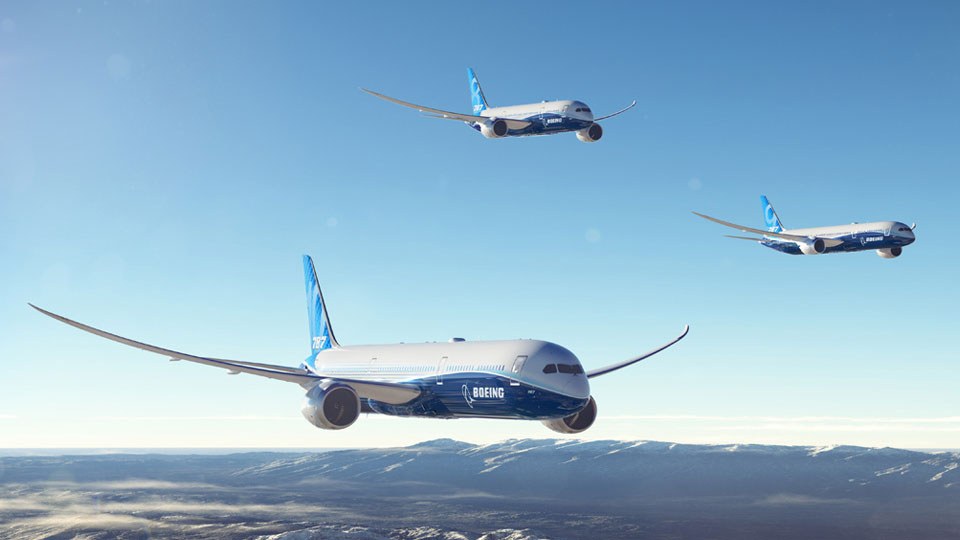
Cargo capacity is also forecast to grow, with the freighter fleet expanding from around 60 aircraft currently to 150 as logistics, e-commerce and export markets develop across the continent.
A period of sustained growth
Shahab Matin, Boeing’s managing director of commercial marketing, said Africa’s aviation market “is entering a period of sustained growth driven by improving connectivity, expanding intraregional travel and deeper economic ties across the continent and with key global markets.”
He stressed the need for a broader commitment to fleet modernisation, expanded capacity, digital solutions and workforce development. “The opportunity extends well beyond airplanes,” he said. “It will require investment in affordable access and the people who will support a larger fleet.”
Services and skills demand
Africa’s growing aviation ecosystem is expected to create strong demand for services and skilled personnel. Boeing’s Commercial Services Market Outlook forecasts a $140 billion market for maintenance, repair, overhaul (MRO) and digital solutions.
The company’s Pilot and Technician Outlook estimates that airlines will need 75,000 new aviation professionals, including 22,000 pilots, 25,000 technicians and 28,000 cabin crew.
Tackling the “brain drain”
Speaking at this year’s Aviation Africa Summit & Exhibition in Nairobi at the beginning of September, Henok Teferra Shawl, Managing Director, Boeing, Africa, addressed concerns about the “brain drain” of African-trained talent to other markets, including the Middle East. He suggested reframing the challenge, saying that rather than focusing solely on retention, the industry should aim to train talent for the global market.
“Developing the human capital ecosystem will require a multi-stakeholder approach and action at all levels from high school to aviation professionals on-the-job training to university partnerships,” he said, pointing to Boeing’s ThinkYoung initiative, which aims to inspire young people into STEM subjects.
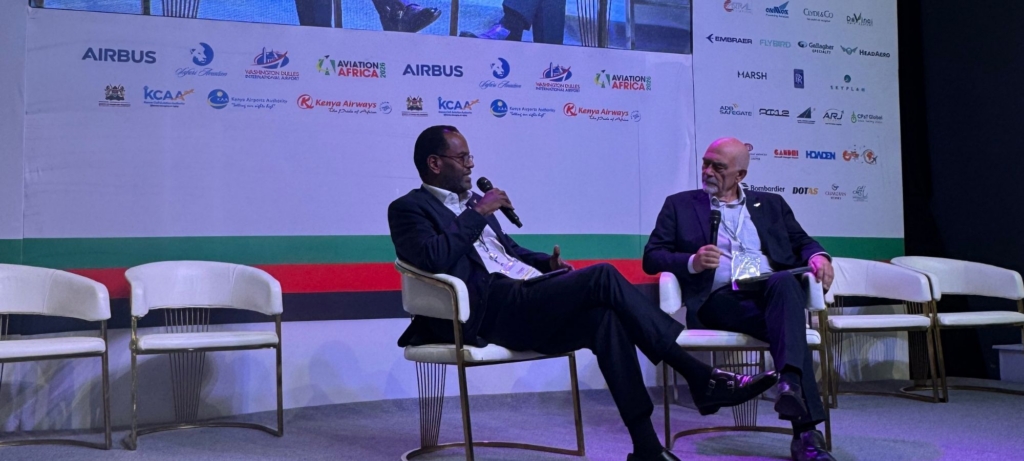
Boeing has invested around US$15 million in training across the continent since 2021. “Ultimately, if we unlock the constraints, including human capital, there will be more need for aviation on the continent,” Shawl said. “The projection for 1,200 new aircraft is a modest estimate; that number has the potential to be significantly higher, which will be good for business.”
Urging greater collaboration from all stakeholders and investment in the continent’s future workforce, he concluded: “In Africa we must invest in our people. We need stronger policy leadership shaping the industry at all levels and we need to develop a blueprint for growing the talent on the continent.”