China’s big three airlines warn of first-half losses amid rising ticket prices

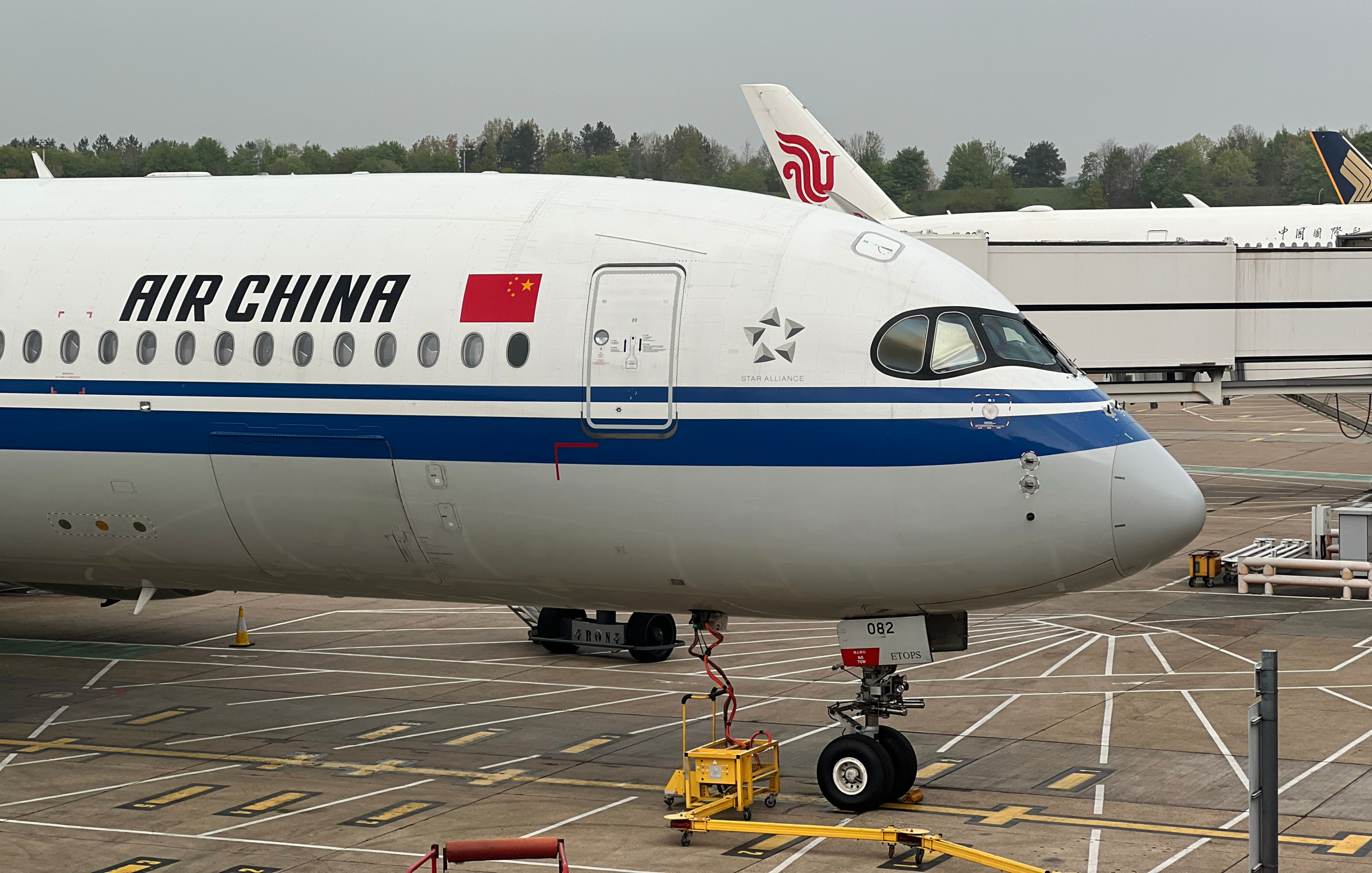
China’s three largest airlines by fleet size have warned they expect to post multi-billion-yuan losses for the first half of 2026.
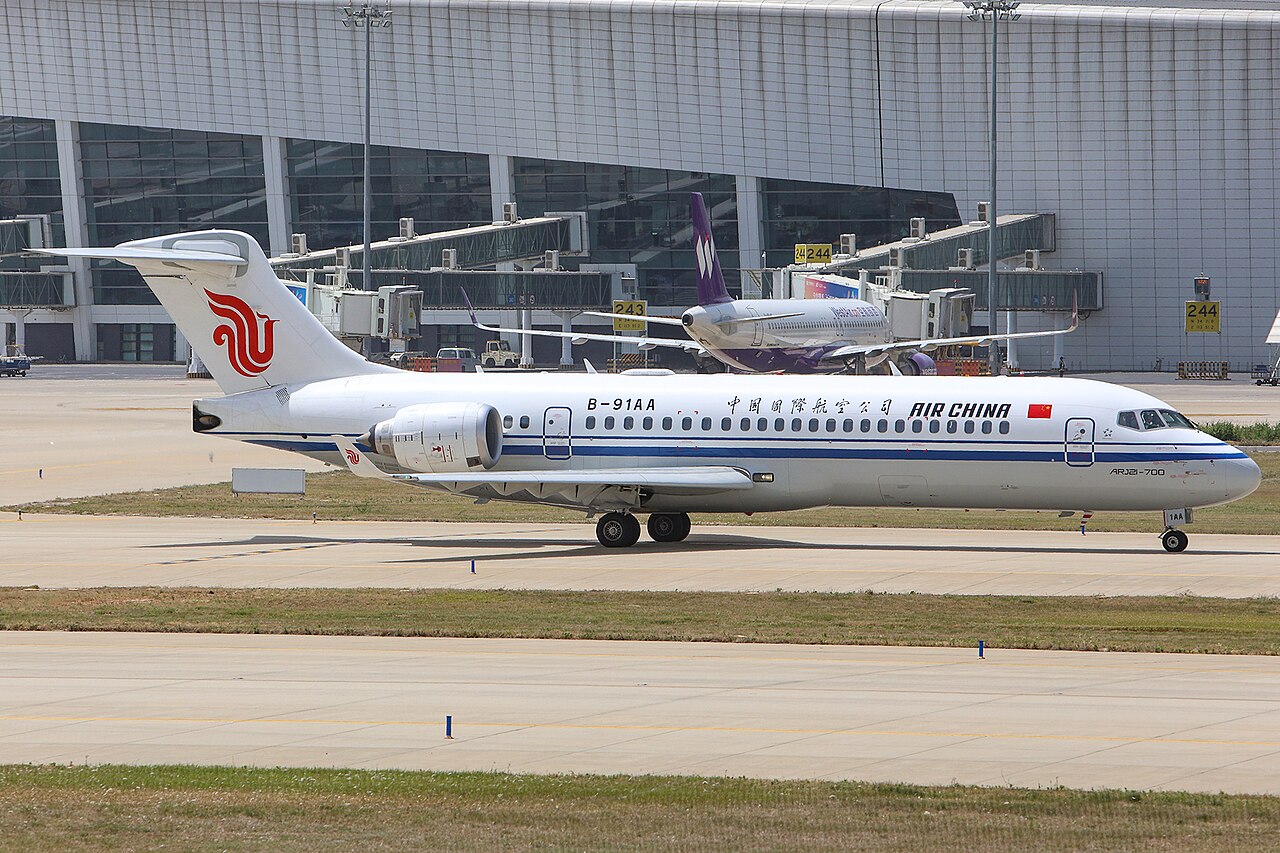
China Eastern Airlines, Air China and China Southern Airlines are expecting big losses as the war in the Middle East impacts their bottom line.
Rising costs knock Chinese airline profitability
The warning, from a slice of the airline sector which was thought to have been booming in part due to Russian airspace closures for Western carriers – which have given Chinese airlines an advantage – show just how damaging the rise in jet fuel costs has been.
Analysts have noted that the surge in fuel prices has eroded the benefits of increased demand and stronger load factors.
Air China said it expects a net loss of between 2.1 billion yuan ($310 million) and 2.6 billion yuan for the six months to the end of June, while China Southern Airlines forecast an even bigger loss of 3.473 billion yuan to 3.973 billion yuan.
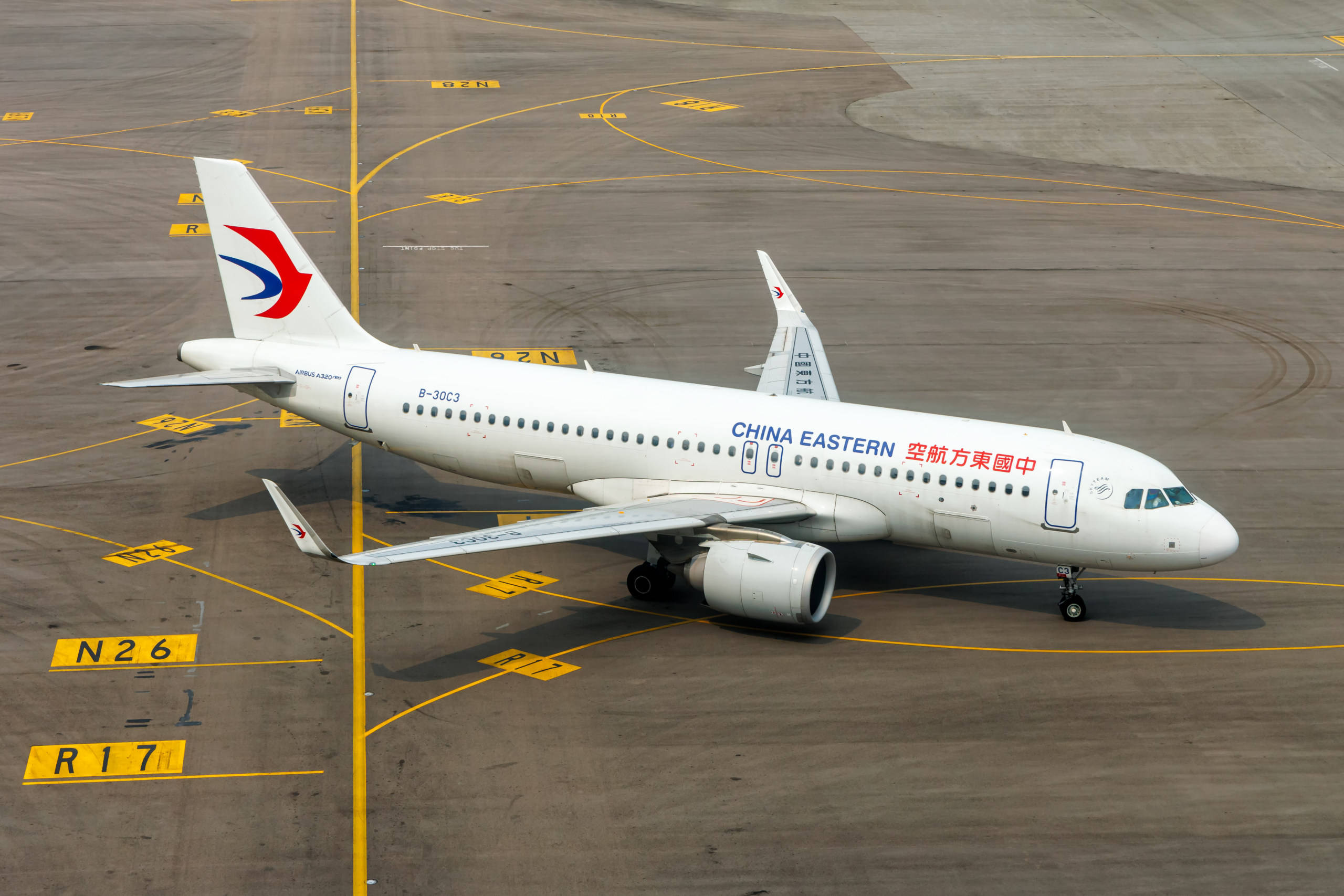
China Eastern Airlines has also reported similar losses, putting total losses for the three to around 9 billion yuan for the first half of the year, despite the airlines reporting a profit for the first three months of 2026.
Steady growth and sound start to 2026 – but still a profit warning
The combined expected loss comes despite the state-owned carriers reporting improving operating conditions. The takeaway point is that regardless of customer demand, since fuel makes up such a large portion of an airlines’ cost base, any increase can wipe out profitability.
Air China said China’s aviation market had “sustained steady growth with a sound start” in the first half, adding that it had expanded capacity and tightened cost controls.
The carrier said its operating performance showed “the characteristics of increased investment, production and revenue.”
However, it said that “while the company recorded substantial profits in the first quarter, jet fuel prices stayed elevated due to geopolitical tensions in the Middle East, drastically squeezing profit margins of airline companies. Accordingly, the company expects to post a loss in its operating results for the first half of 2026.”
China Southern painted a similar picture, saying domestic aviation demand remained healthy, with “resident travel and tourism demand continuing to release”, traffic volumes growing and revenue continuing to expand.
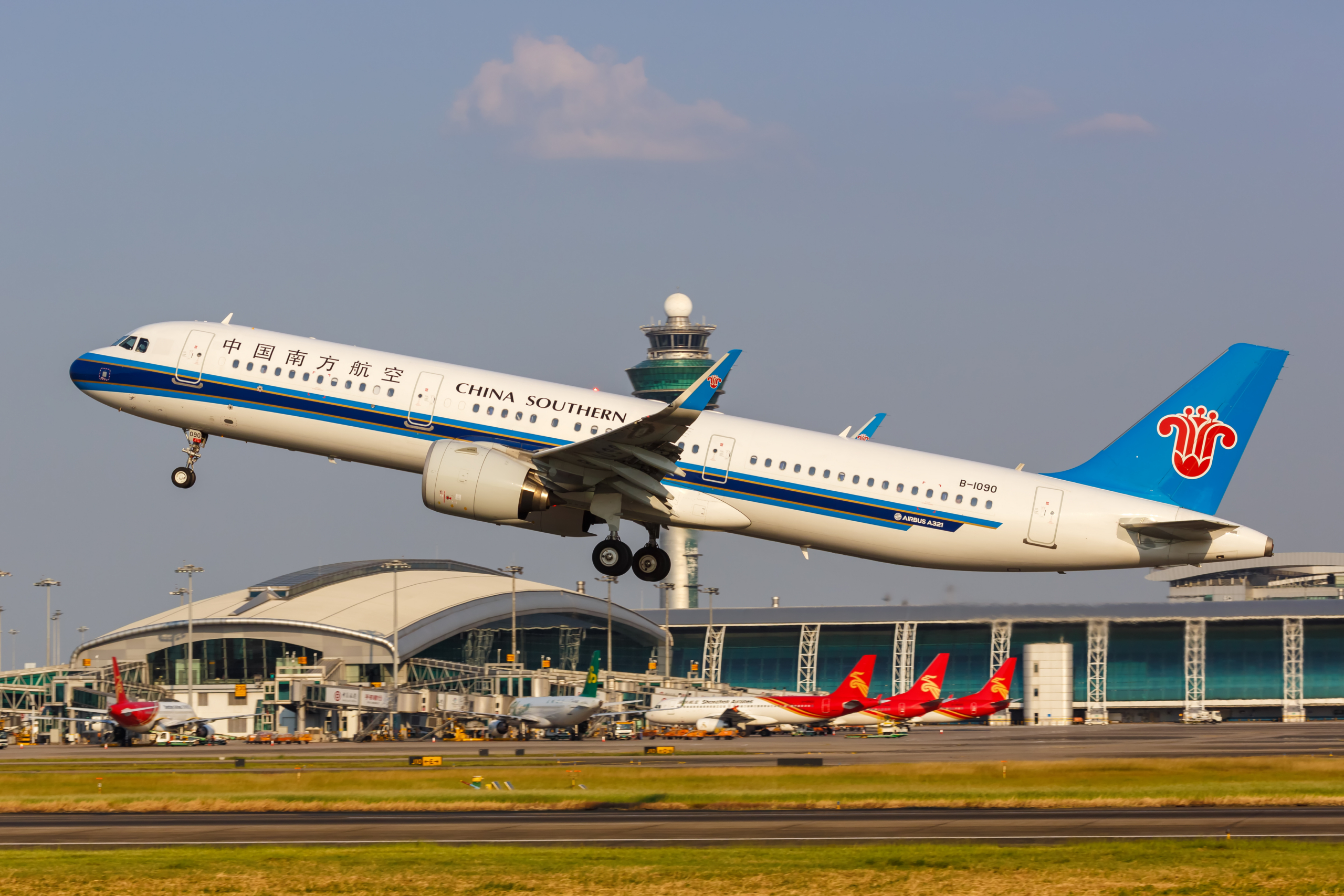
The airline said it had benefited from the Spring Festival travel season, having “continuously optimised its route network structure and passenger-cargo layout, and achieved a significant year-on-year increase in overall profitability” during the first quarter.
But, as with Air China, their balance sheet deteriorated as fuel costs surged. “Entering March, affected by the international geopolitical situation, the price of aviation kerosene fluctuated sharply, placing enormous pressure on the entire industry, and the company’s aviation fuel costs surged year-on-year in the first half of the year,” the airline said.
Despite measures including optimising capacity deployment, strengthening passenger and cargo sales and tightening cost controls, it said “the company anticipates an operating loss for the first half of 2026.”
Changes to Chinese travel habits
The profit warnings suggest the industry’s recovery remains vulnerable to external cost shocks.
Neither company’s forecast has been audited. Air China said its estimated results were preliminary and that detailed figures would be released in its 2026 interim report. China Southern likewise said the forecasts were based on preliminary accounting data and that investors should refer to its interim results for final financial figures.
Commenting on the profit warnings, Reuters cited HSBC’s global head of transport and logistics research, Parash Jain, as saying a “negative wealth effect” was changing Chinese consumer behaviour as economic growth slowed, making travellers more sensitive to fare increases.
Jain said rising ticket prices were weakening demand and encouraging passengers to switch to high-speed rail on shorter routes. He added that adverse weather and a smaller school-age population were also denting summer travel demand, but said higher airfares remained “the single largest reason for weaker demand.”