Vertical Aerospace partners with Near Earth to develop uncrewed Valo

5 min read
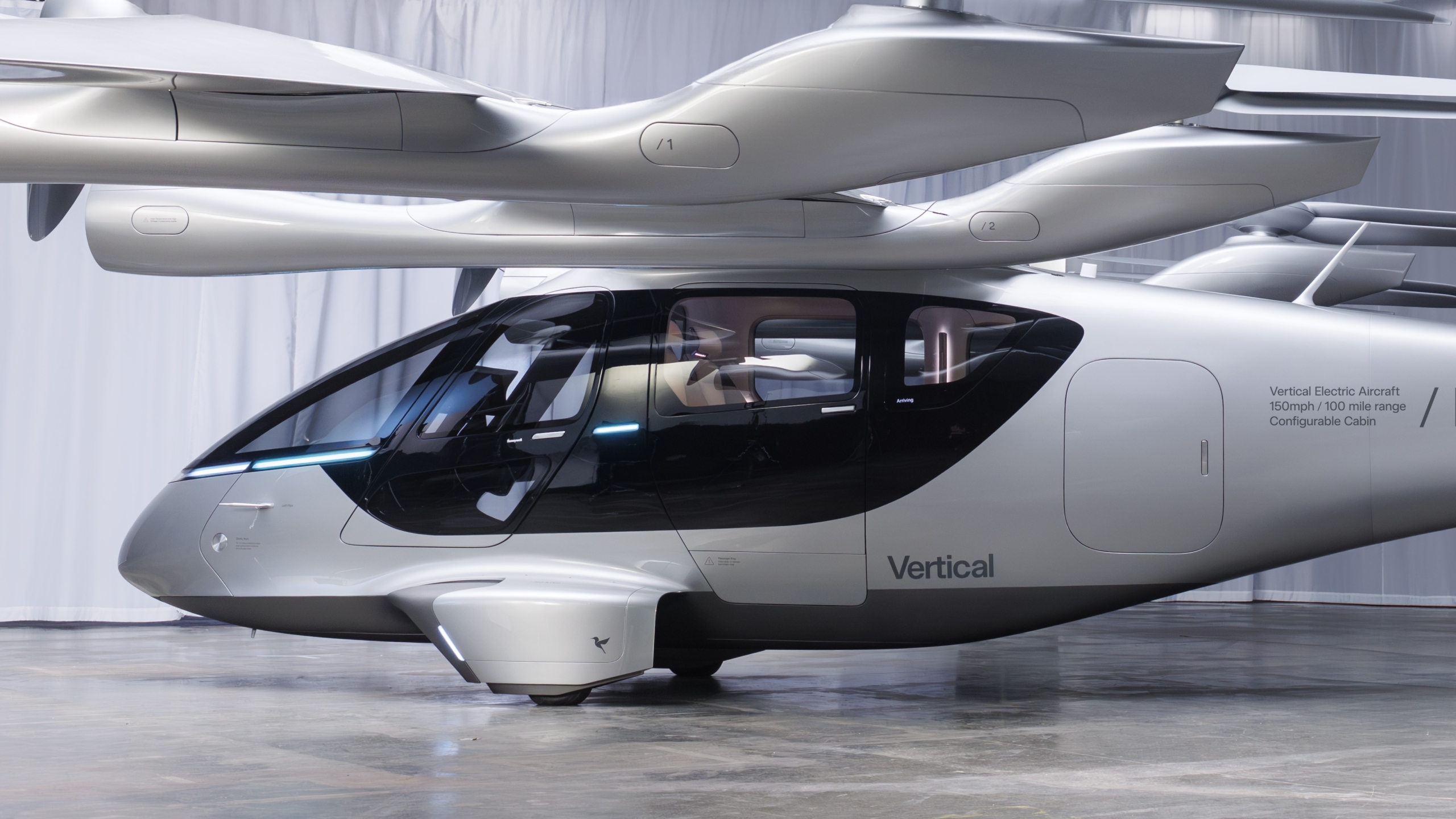
Vertical Aerospace has strengthened its push into the defence market by partnering with US autonomy specialist Near Earth Autonomy to develop uncrewed capabilities for its new Valo aircraft.
Announced ahead of the Farnborough International Airshow, the agreement will see Near Earth’s autonomous flight technology integrated with Honeywell Aerospace’s Anthem digital cockpit, which already forms the core of the Valo programme.
The companies said the combination is intended to provide a faster and lower-risk route to introducing autonomous capability for future defence and commercial missions.
The move reflects a wider trend across the electric vertical take-off and landing (eVTOL) sector, where manufacturers are increasingly looking beyond passenger transport as they pursue defence and government opportunities alongside commercial certification programmes.
Vertical turns defence ambition into autonomous capability
For Vertical Aerospace, the agreement represents a significant expansion of a defence strategy that has gathered pace since the company unveiled Valo, the successor to its VX4 programme.
While Valo is being developed as an all-electric aircraft for commercial passenger operations, Vertical is also developing a hybrid-electric variant capable of flying up to 1,000 miles with payloads of up to 1,100kg over shorter distances.
The company believes that a combination of extended range, low acoustic signature and operational flexibility will make the aircraft suitable for logistics, resupply and other defence missions alongside its commercial role.
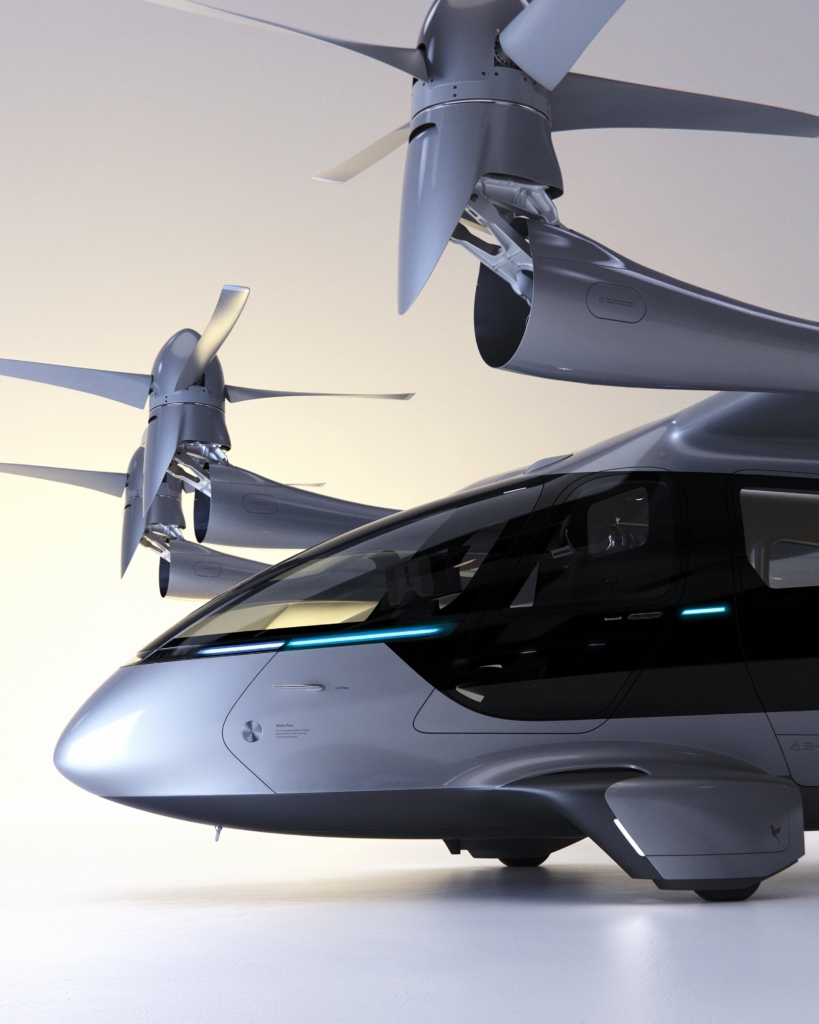
Rather than developing separate aircraft for military and civil customers, Vertical’s strategy is centred on using a common airframe capable of supporting different missions through changes in propulsion, software and mission systems.
Stuart Simpson, Chief Executive of Vertical Aerospace, said the agreement represented an important step in that approach.
“Defence is an increasingly important strategic market for Vertical, and this partnership moves us from ambition to capability,” he said.
“Valo was designed as a platform from day one. Combining hybrid-electric propulsion, advanced autonomy and our proprietary battery technology allows us to serve commercial operators, governments and defence customers from a common aircraft architecture,” Simpson said.
Near Earth brings proven military autonomy
Near Earth Autonomy brings more than a decade of experience in autonomous flight systems to the partnership.
Founded in 2012, the company has developed autonomous technologies for programmes involving the US Army, US Marine Corps and Honeywell Aerospace. Its previous work includes optionally piloted UH-60 Black Hawk helicopters and autonomous flight demonstrations using the Leonardo AW139 helicopter.
Under the agreement, Near Earth’s autonomy products will be integrated with Honeywell’s Anthem flight deck, allowing the aircraft to support progressively higher levels of automated flight while maintaining a common avionics architecture.
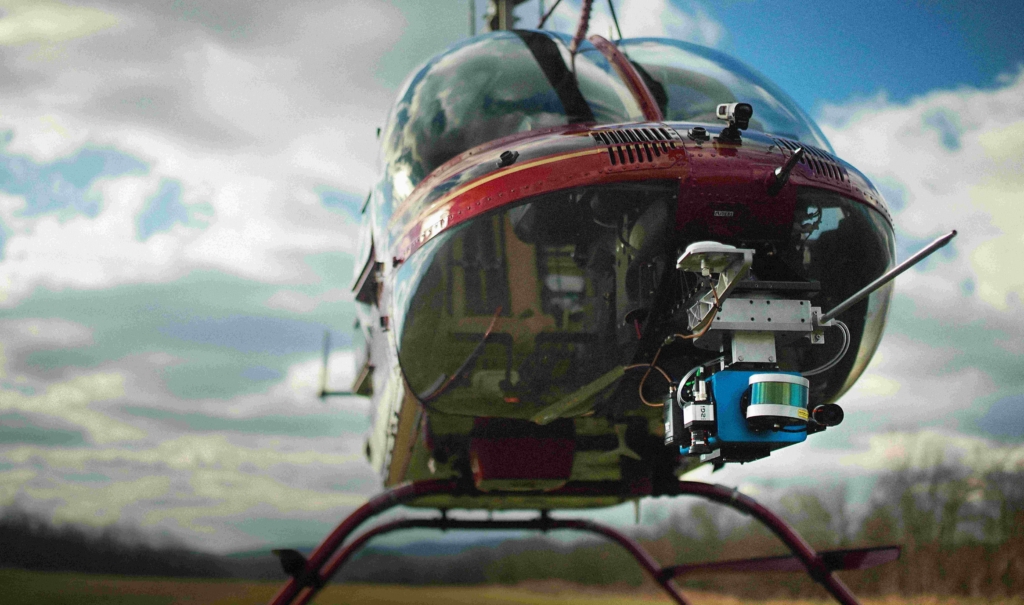
Dr Sanjiv Singh, Chief Executive and co-founder of Near Earth Autonomy, said the partnership would build on experience gained across military programmes.
“We’ve spent more than a decade bringing autonomous capabilities to aircraft for some of the world’s most challenging missions,” he said.
“Valo provides an exceptional platform for autonomy to enable uncrewed flight. By combining Near Earth’s autonomy with Vertical’s next-generation aircraft and Honeywell Aerospace’s open digital cockpit, we have an opportunity to deliver autonomous capabilities faster, with rapid integration, for both commercial and defence applications.”
The companies said the initial focus will be on near-term defence opportunities before expanding towards increasingly automated commercial operations.
Honeywell Anthem provides the digital backbone
Central to the partnership is Honeywell Aerospace’s Anthem integrated flight deck, which was selected for the Valo programme as part of Vertical’s broader effort to create an open digital architecture capable of accommodating future software and system upgrades.
Honeywell describes Anthem as a modular and connected cockpit designed to support increasingly automated flight operations while allowing new capabilities to be introduced through software rather than extensive hardware changes.
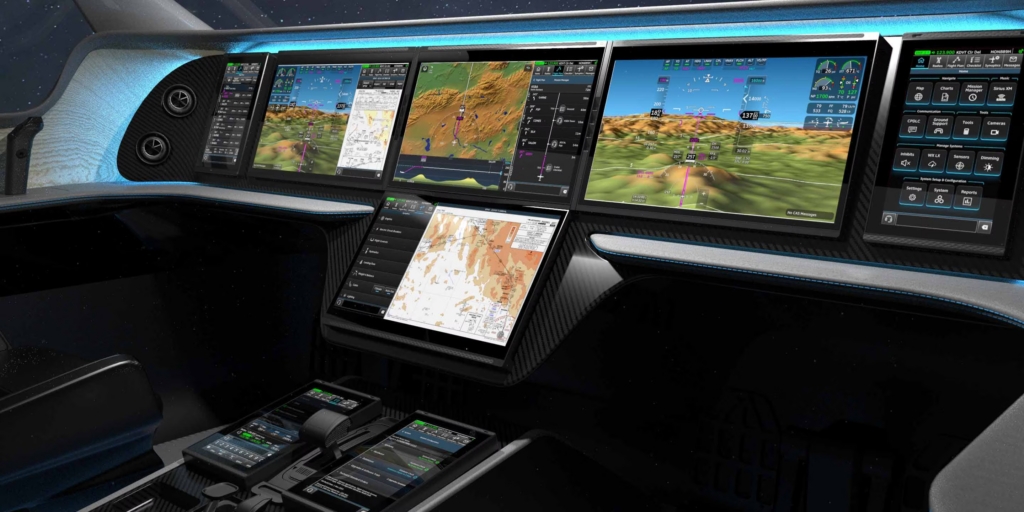
Bob Buddecke, President and CEO of Electronic Solutions at Honeywell Aerospace, said the agreement demonstrated how that architecture could support future autonomous aircraft.
“Anthem was designed from day one as a modular, expandable and growth-ready architecture providing the building blocks for future applications,” he said.
“The Vertical–Near Earth partnership showcases how advanced aircraft capabilities and autonomy can come together on Anthem’s common digital backbone,” Buddecke added.
The integration also reduces technical risk by combining systems that have already been designed to work together rather than adapting independent technologies later in the programme.
Defence offers eVTOL developers a faster route to market
The partnership comes as advanced air mobility developers increasingly diversify into defence and government markets.
While commercial passenger operations remain the long-term objective for many eVTOL manufacturers, certification timelines, infrastructure development and funding pressures have encouraged companies to pursue military applications that can enter service sooner.
Several developers, including Joby Aviation and Archer Aviation, have expanded their defence activities in recent years, reflecting growing interest from government customers in electric and hybrid-electric aircraft capable of logistics, surveillance and other specialised missions.

For Vertical, autonomy is intended to complement rather than replace its commercial ambitions.
Valo was introduced last year as the company’s next-generation aircraft, incorporating design changes developed through the VX4 flight-test programme and feedback from airline customers.
The aircraft is designed to carry up to six occupants on routes of up to 100 miles in its all-electric configuration, while the hybrid-electric variant is intended to address longer-range commercial and defence requirements.
Vertical builds a supplier network around Valo
The Near Earth agreement also expands the group of aerospace companies supporting the Valo programme.
Vertical already works with Honeywell Aerospace, Aciturri, Evolito, Hyundai WIA, Astronics, Syensqo and Isoclima on systems ranging from avionics and propulsion to aerostructures and advanced materials.
Rather than developing every technology internally, the company has adopted a partnership model similar to those used on conventional commercial aircraft programmes, integrating specialist suppliers into a common aircraft architecture.