Russian airliner costs rise up to 70% as domestic programmes face pressure

3 min read
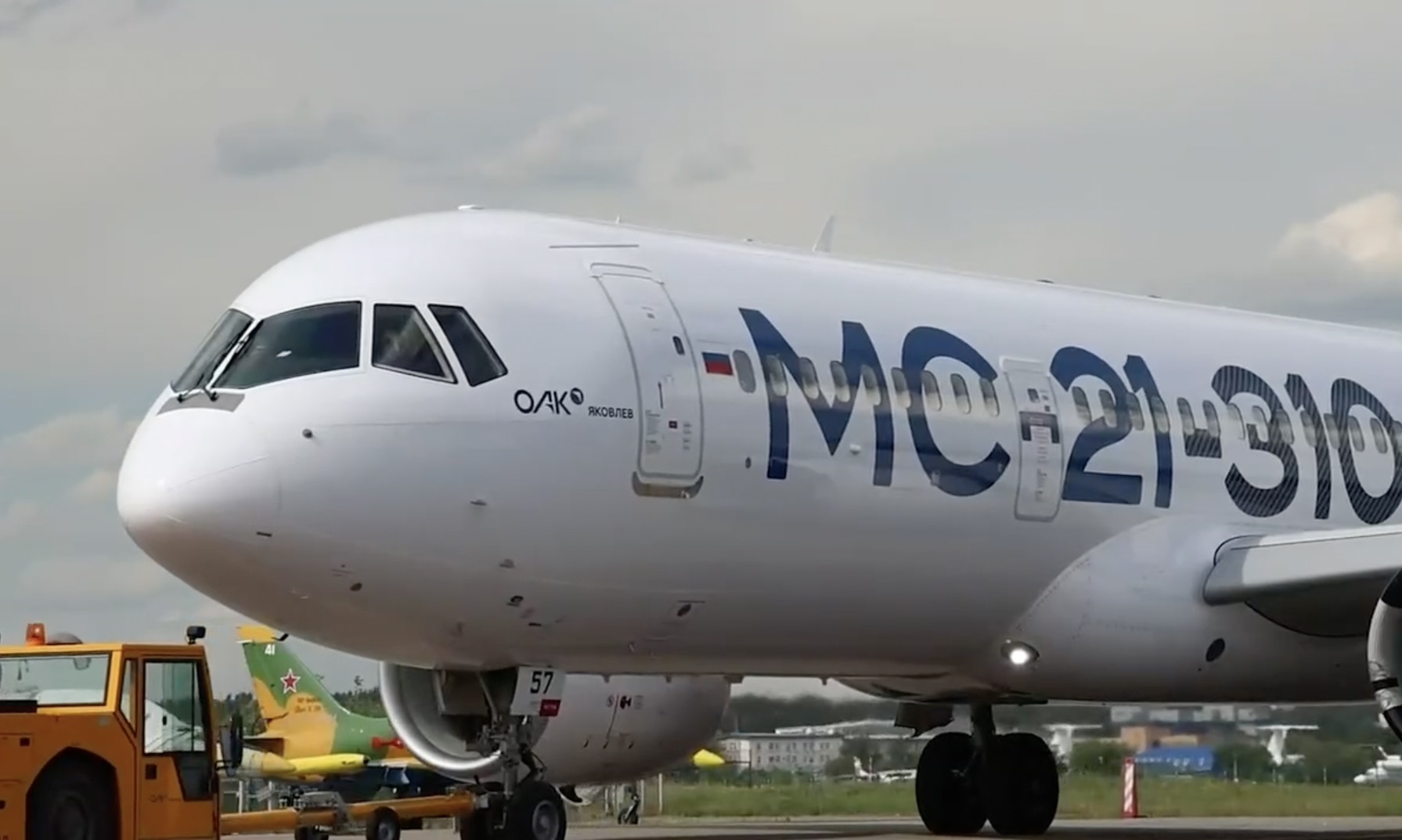
New documents show the initial costs of domestic Russian aircraft have spiked compared to 2023 estimates. The documents cover the acquisition of the first 18 Yakovlev MC-21s, 34 SJ-100s, and 11 Tupolev Tu-214s for a total of over 60 Russian-built aircraft.
Cost of domestic Russian aircraft rises by 45-70% over two years
According to a new article by the Russian news outlet Izvestia, the price of Russia’s domestically produced aircraft is increasing significantly.

The price rises were stated in the minutes of a meeting with airline representatives, the UAC, Rostec, and Rosaviatsiya.
Izvestia wrote, “The Department of State Policy in Civil Aviation at the Russian Ministry of Transport has distributed information to airlines and aviation enterprises on the new prices of domestically produced aircraft scheduled for delivery in 2026.”
The document shows that the price of the flagship Yakovlev MC-21 airliner has increased by 65% over the last two years and is now priced at 7.6 billion Rubles.
In the summer of 2023, the estimated cost of the MC-21 was 4.3 to 4.6 billion rubles excluding subsidies from the National Welfare Fund.
Conversion rates are volatile, but one USD currently buys 78 Rubles and one Pound buys 105 Rubles.
The turboprop regional Il-114-300 has risen to 2.6 billion Rubles, and the light (LMS-901) costs 315-320 million Rubles. These costs have risen by 45-70% compared with 2023. It is unclear from the report how SJ-100 and Tu-214 prices may have moved.

AGN has previously reported that Russia is considering returning hundreds of Antonov An-2 biplanes to service, as it has been unable to put the Baikal into production, since the aircraft relies on US-supplied General Electric H80 engines.
Russia is now integrating its UZGA VK-800 engine, with first deliveries expected in 2027. A comparable aircraft is the Cessna Grand Caravan.
Get the latest aerospace defence news here on AGN.
Aircraft require subsidizing via Russia’s National Wealth Fund
The publication also states that operating and finance leasing models were developed with the airlines. It found that at those prices, “lease rates could be economically viable only with 100% financing from the National Wealth Fund (NWF).”
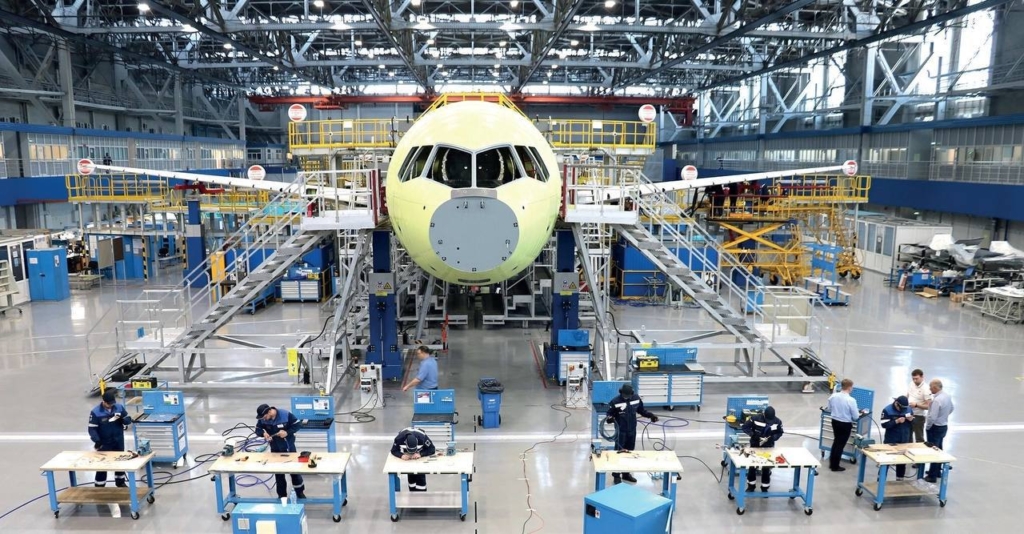
Izvestia reported that Rostec informed it that prices are expected to significantly fall as aircraft production ramps up by the end of the decade. It
Rostec said, “Together with the relevant government agencies and airlines, we are working on a programme to reduce aircraft production costs. This will not produce results immediately, but is expected to do so by 2030.”
Currently, the performance characteristics do not meet planned targets. Certification tests remain ongoing and are planned to be completed in August 2026.
Russia’s Il-114-300 recieved type certificate with restrictions
In 2023, the project cost of the Il-114-300 was around 1.44 billion Rubles. The first three domestically produced Il-114-300s are expected to cost 4 billion rubles each, with later units costing 2.6 billion through repricing.
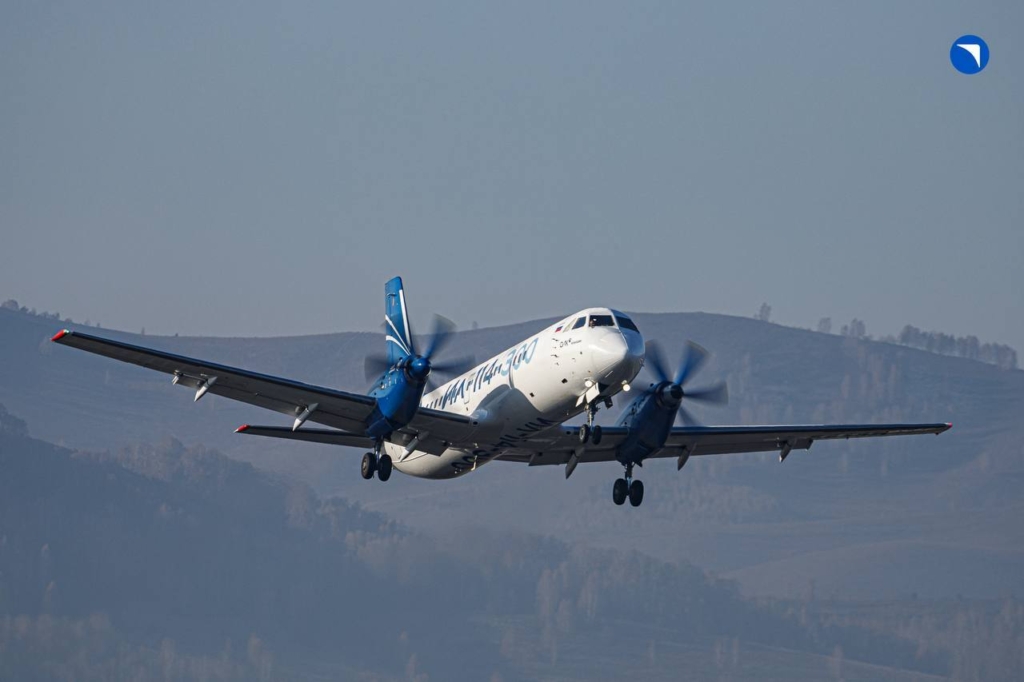
Meanwhile, in July, RosAviatsiya has certified the Russified Il-114-300, but only for the temperature range of -9 degrees to +25 degrees Celsius and in dry conditions, meaning it can’t fly in the rain. Ironically, older Soviet variants of the aircraft lacked these restrictions.
According to Vedomosti, RosAviatsiya has certified the domestically built Il-114-300, but it can only operate in the temperature range of -9 degrees to +25 degrees Celsius, and in its current form it can’t fly in the rain, severe frosts, or summer heat. The old Il-114-100 had no such issues.
This means the aircraft can conduct operations during thunderstorms and in icing conditions, and no landings/takeoffs on wet or contaminated runways (e.g., after rain, snow, or with debris).
RosAviatsiya has certified the domestically built Il-114-300 but it can only operate in the temperature range of -9 degrees to +25 degrees Celsius and in its current form it can't fly in the rain, severe frosts and summer heat. The old Il-114-100 had no such issues. pic.twitter.com/OTQyTPG6ly
— Stanimir Dobrev (@delfoo) July 9, 2026
Seperately, Isvestia reported the aircraft will be restricted on unpaved runways in the first phase of operations (2027-2028).
Featured Image: UAC