


Chinese airlines order 95 Airbus aircraft worth $17.8 billion at list prices

3 min read
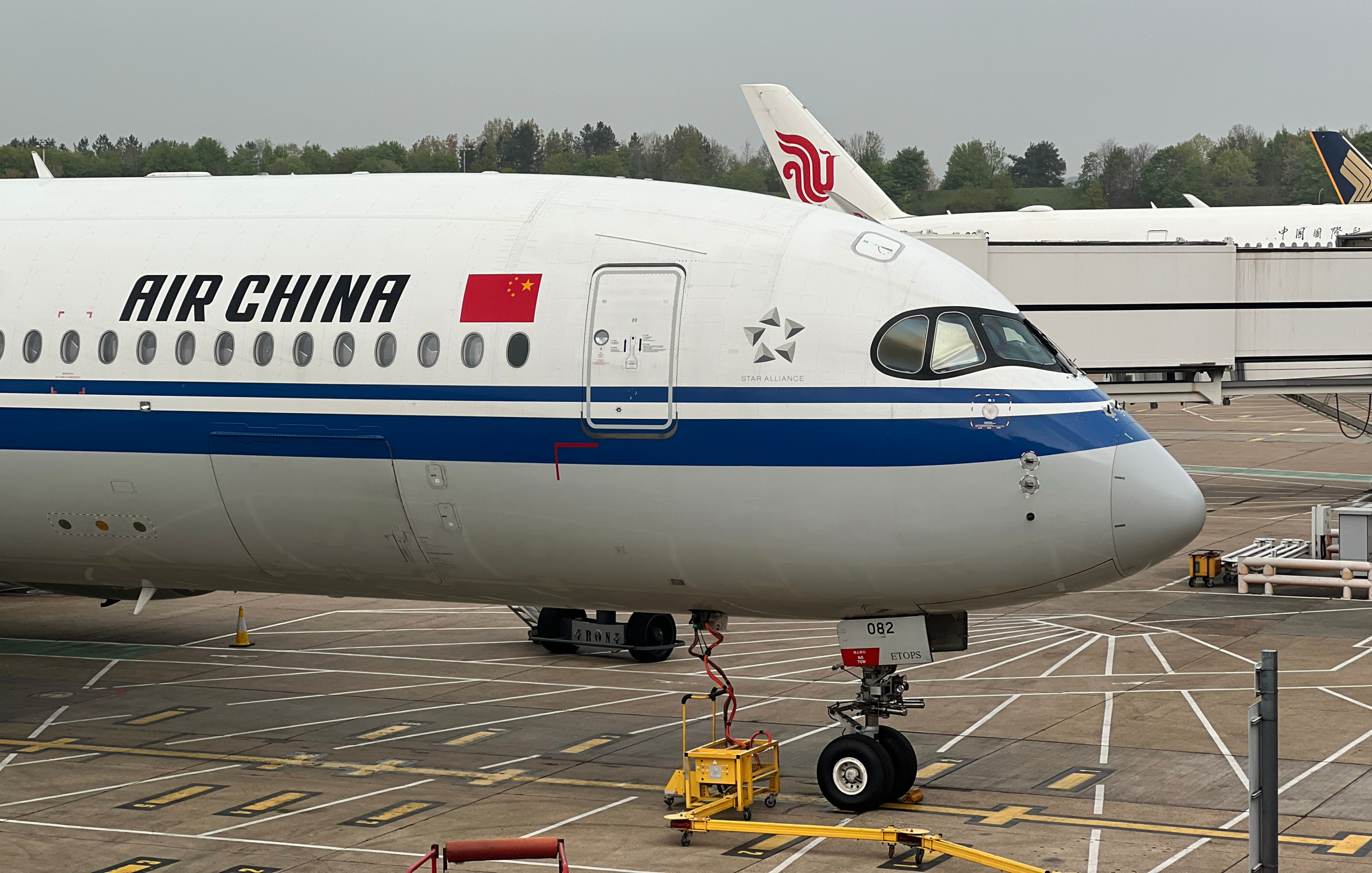
Three Chinese airlines have announced plans to acquire a combined 95 Airbus aircraft, including A350 widebodies and A320neo-family jets, as the country’s carriers continue to expand capacity and modernise their fleets.
Air China, Shenzhen Airlines and Hainan Airlines disclosed orders with a combined list-price value of approximately $17.8 billion in filings with the Shanghai Stock Exchange on July 17.
The largest commitment comes from Air China and its subsidiary Shenzhen Airlines, which will acquire a combined 55 aircraft with a stated list value of approximately $12.4 billion.
Air China will purchase 15 Airbus A350-900 widebody aircraft, while Shenzhen Airlines will acquire 40 A320neo-family narrowbodies. Hainan Airlines has separately agreed to purchase 40 A320neo-family aircraft, with the deal valued at up to $5.4 billion at list prices.
The latest announcements add to a series of major Airbus orders from Chinese carriers in 2026 as airlines prepare for future passenger growth while replacing older and less fuel-efficient aircraft.
Air China adds 15 Airbus A350-900s
Air China’s 15 A350-900 aircraft are scheduled for delivery between 2030 and 2032 and carry a combined list value of approximately $6.09 billion.
The order will strengthen the flag carrier’s long-haul fleet and could support further international expansion as outbound and inbound travel demand continues to recover.
Air China already operates the A350-900 alongside Airbus A330s and Boeing 777 and 787 aircraft. The incoming jets could be used both to add capacity and replace older widebody aircraft approaching retirement.
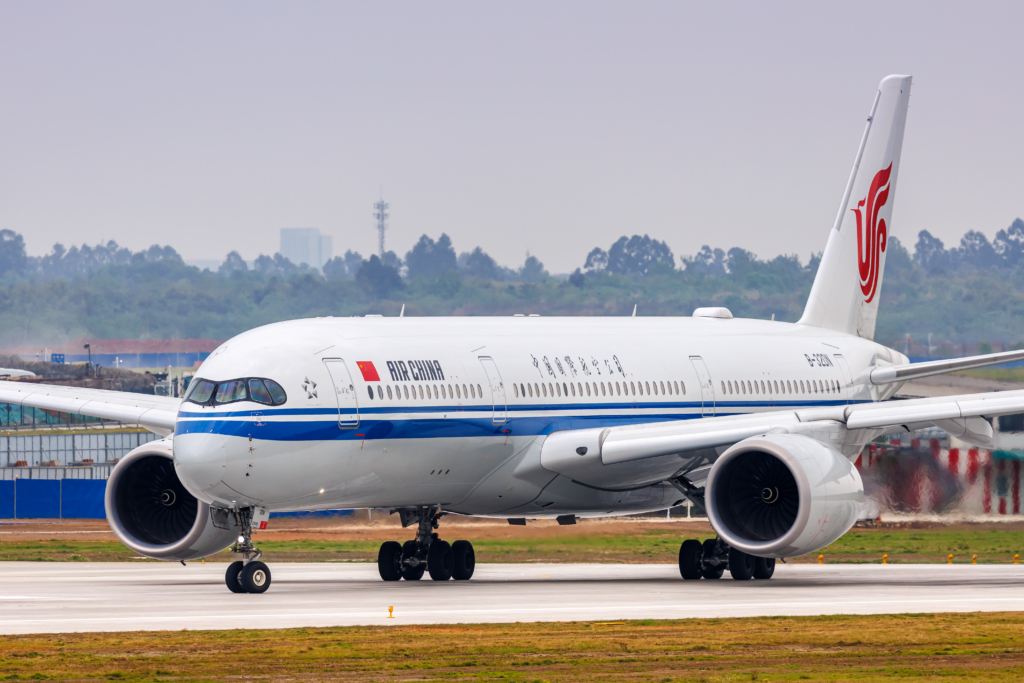
The carrier said the new aircraft are expected to increase the Air China group’s total capacity by approximately 7.1% compared with its combined passenger and cargo capacity at the end of 2025.
However, the airline noted that some of the capacity increase will be offset by the retirement of older aircraft.
The order comes despite continued financial pressure across China’s airline sector. Air China said earlier this week that it expected to report a net loss of as much as 2.6 billion yuan for the first half of 2026, with elevated fuel prices placing significant pressure on margins.
Shenzhen Airlines and Hainan expand A320neo fleets
Shenzhen Airlines’ 40 A320neo-family aircraft are expected to be delivered between 2029 and 2032.
The aircraft carry a combined list value of approximately $6.35 billion and are expected to increase the airline’s total capacity by around 4.3% compared with the end of 2025.
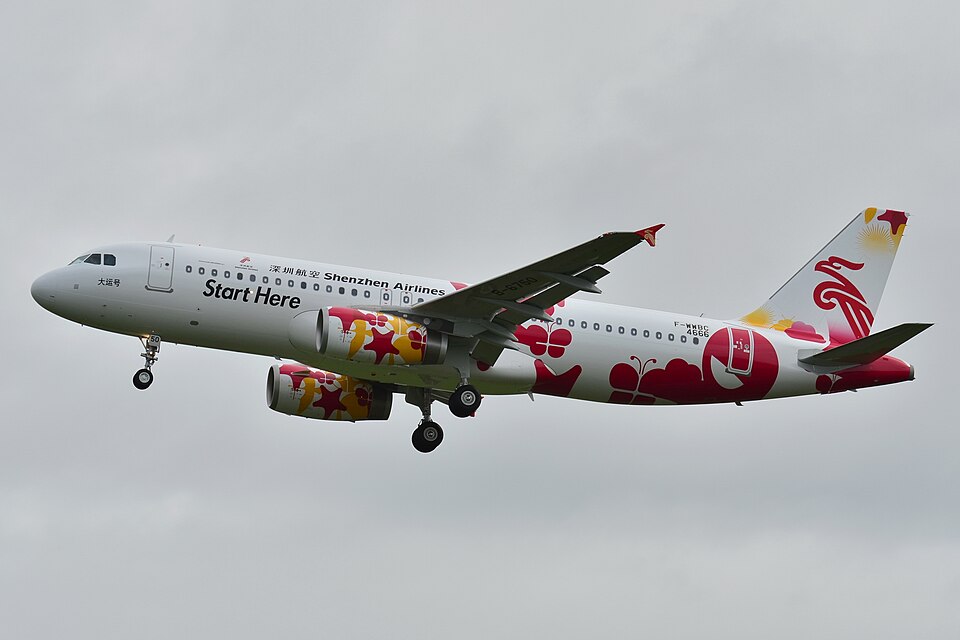
Shenzhen Airlines, which is majority-owned by Air China, operates a predominantly narrowbody fleet serving domestic and regional routes. The A320neo-family order will support its expansion in China’s large domestic market while allowing it to replace older aircraft with more fuel-efficient models.
Hainan Airlines’ 40 A320neo-family aircraft are scheduled to arrive between 2028 and 2032.
Although the airline disclosed a list-price value of up to $5.4 billion, the final transaction value is expected to be substantially lower.
Air China acknowledged in its filing that Airbus had provided significant price concessions. Discounts from published list prices are standard for large commercial aircraft orders, and neither Airbus nor the airlines disclosed the actual purchase prices.
Chinese carriers accelerate Airbus orders
The latest deals continue a notable run of Airbus fleet commitments from Chinese airlines.
China Eastern Airlines announced in June that it planned to acquire 25 A330neo widebody aircraft with a stated list value of approximately $9.35 billion. That followed plans disclosed in March to purchase 101 A320neo-family aircraft valued at around $15.8 billion at list prices.
In April, China Southern Airlines and its subsidiary Xiamen Airlines agreed to purchase a combined 137 Airbus aircraft with a stated value of $21.4 billion.
These orders highlight the importance of China to Airbus’ long-term commercial aircraft strategy and provide the manufacturer with additional delivery commitments extending well into the next decade.
They also demonstrate the scale of fleet renewal required by Chinese airlines as they seek to improve fuel efficiency, reduce operating costs and prepare for future traffic growth.


