US airlines warn permanent switch to daylight saving time could disrupt operations

3 min read
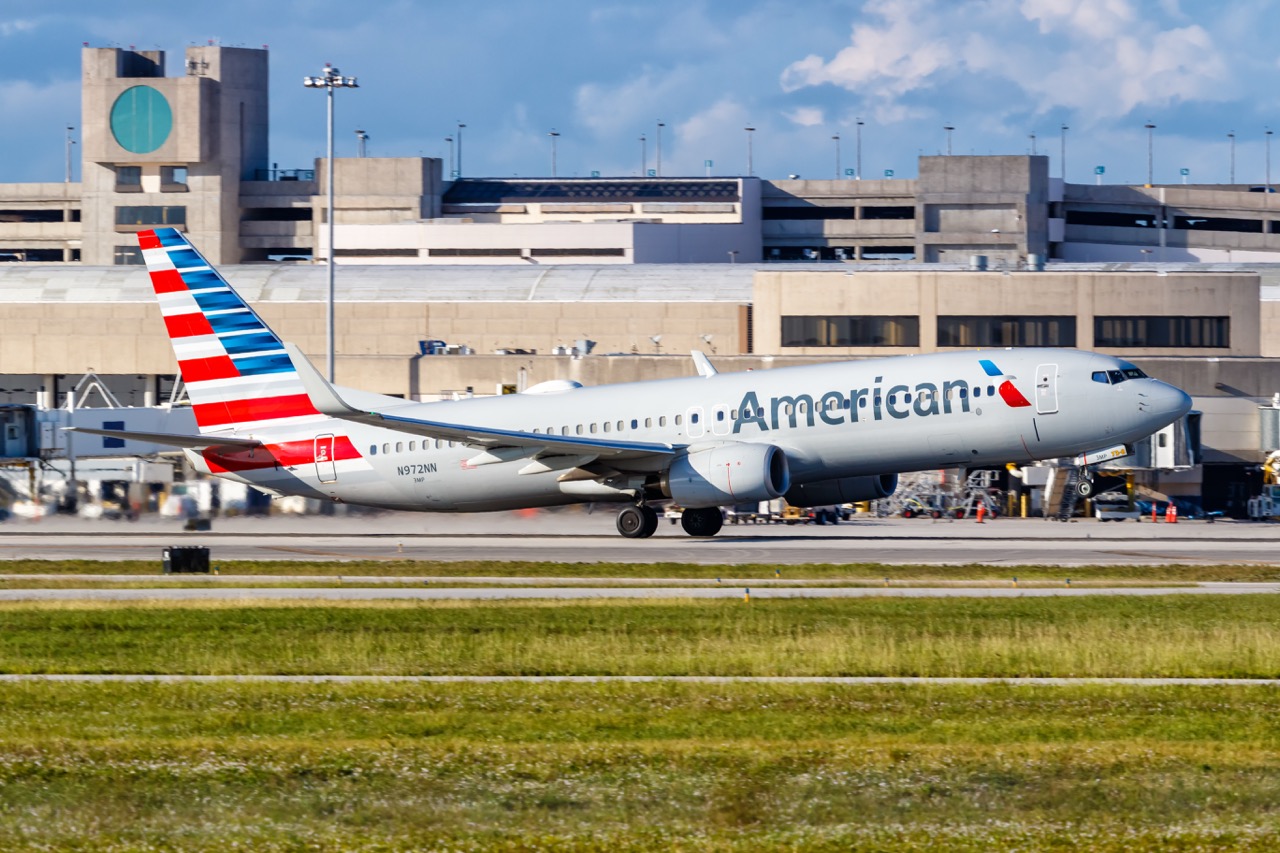
Airlines in the United States would face widespread operational disruption if the country adopted permanent Daylight Savings Time (DST), with the industry needing about two years to adjust, according to Airlines for America.
The Sunshine Protection Act, which would make daylight saving time permanent, has moved one step closer to becoming law after the United States House of Representatives voted in favour of the bill.
Airlines warn of operational disruption from permanent daylight saving time
DST, similar to British Summer Time, is the six month period during the spring, summer and early autumn when clocks are put forward by one hour. The proposal that has received Congressional support is to retain that time year-round.
But in a warning to lawmakers in Washington, Airlines for America said that changes to existing DST “would have considerable implications for aviation, including passenger disruption, crew and aircraft positioning, and domestic and international connectivity issues”.
The body, which represents all of the major US carriers, said that their members would require two years to fully adjust to an adherence to permanent DST.
“Airlines operate expansive interconnected domestic and global networks that are reliant on stability and predictability,” Airlines for America said. “Any changes would need an implementation timeline that reflects these global complications.”
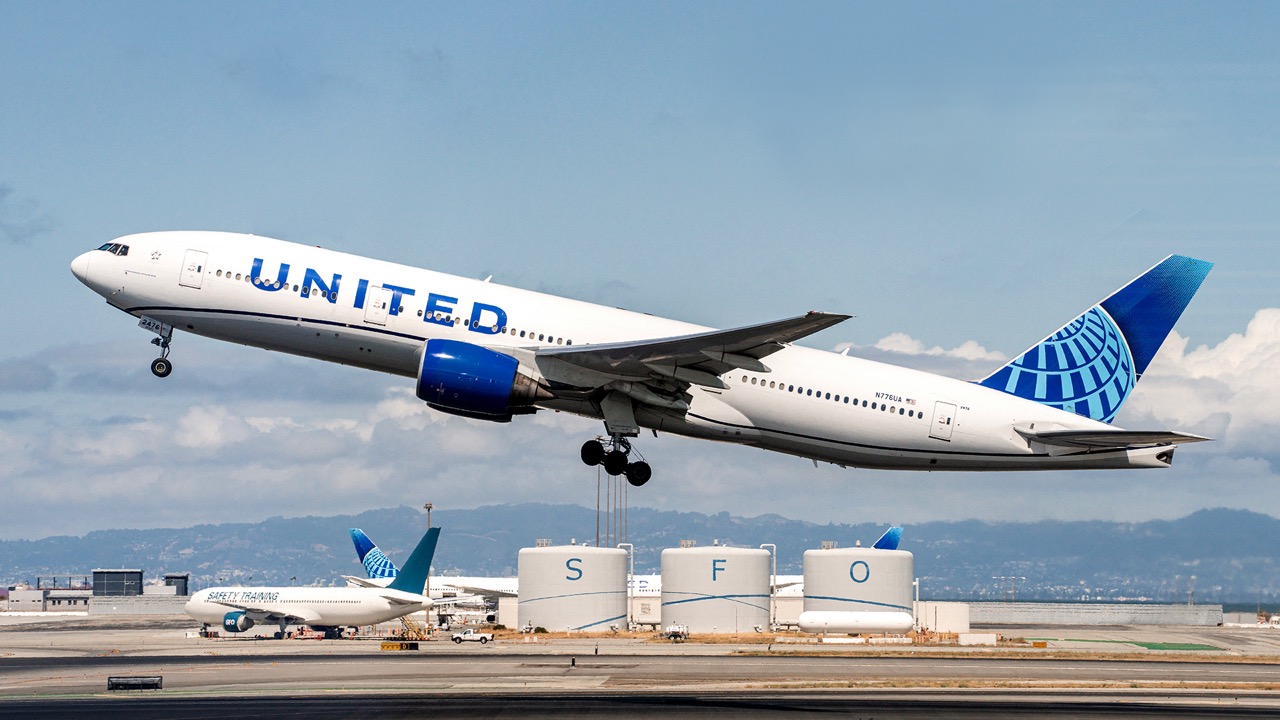
However not everyone is in agreement about the need for such a long adjustment period.
Aviation industry analyst Henry Harteveldt, founder of Atmosphere Research Group told CBS News that the industry was likely to need only around one year to make the necessary adjustment to their scheduling and rostering practices.
“There are a lot of different software systems that may need to be reprogrammed within an airline, including reservation, crew scheduling and maintenance, which will have to be adjusted,” he told the broadcaster. “But I don’t think it’s going to be a two-year time frame. That seems extreme.”
What permanent daylight saving time would mean for US aviation
The DST proposal would make daylight saving time permanent across the United States, eliminating the twice-yearly clock changes in which clocks move forward one hour in spring and back one hour in the autumn.
Under the proposal, the US would remain on daylight saving time year-round.
The change is intended to provide longer evening daylight hours and simplify changes to times across the country.
However critics say it would lead to darker mornings for children travelling to school or commuters on their way to work.
A majority of the US states have adhered to the DST clock change for the last six or so decades, although Hawaii and Arizona currently do not.
US lawmakers move closer to ending twice-yearly clock changes
The US Senate backed the reforms in March 2022, which the House has not pursued until now.
But in a vote in the House this week the change passed by 308 votes to 117, and it will now go back to the Senate.
Congressman Brett Guthrie, chairman of the House Committee on Energy and Commerce, has been a leading advocate of the change.
He said: “Millions of Americans across the country have asked Congress to reevaluate the current system of changing our clocks twice a year.
“Daylight saving time boosts economic activity and improves public safety.”

Congressman Gus Bilirakis, chairman of the Subcommittee on Commerce, Manufacturing, and Trade, said: “The biannual time change disrupts daily routines, inconveniences families and businesses, and no longer reflects the needs of our modern economy.
“Establishing permanent daylight saving time will provide Americans with greater consistency, more usable daylight in the evening, and the certainty that comes with ending the twice-yearly clock changes. Americans are ready to ditch the switch, and today we took an important step toward making that long-overdue goal a reality.”
Sign up for our newsletter and get our latest content in your inbox.


More from

October 17, 20265 min read


October 17, 20264 min read