


Britain’s future GCAP fighter cannot refuel from RAF tankers

3 min read
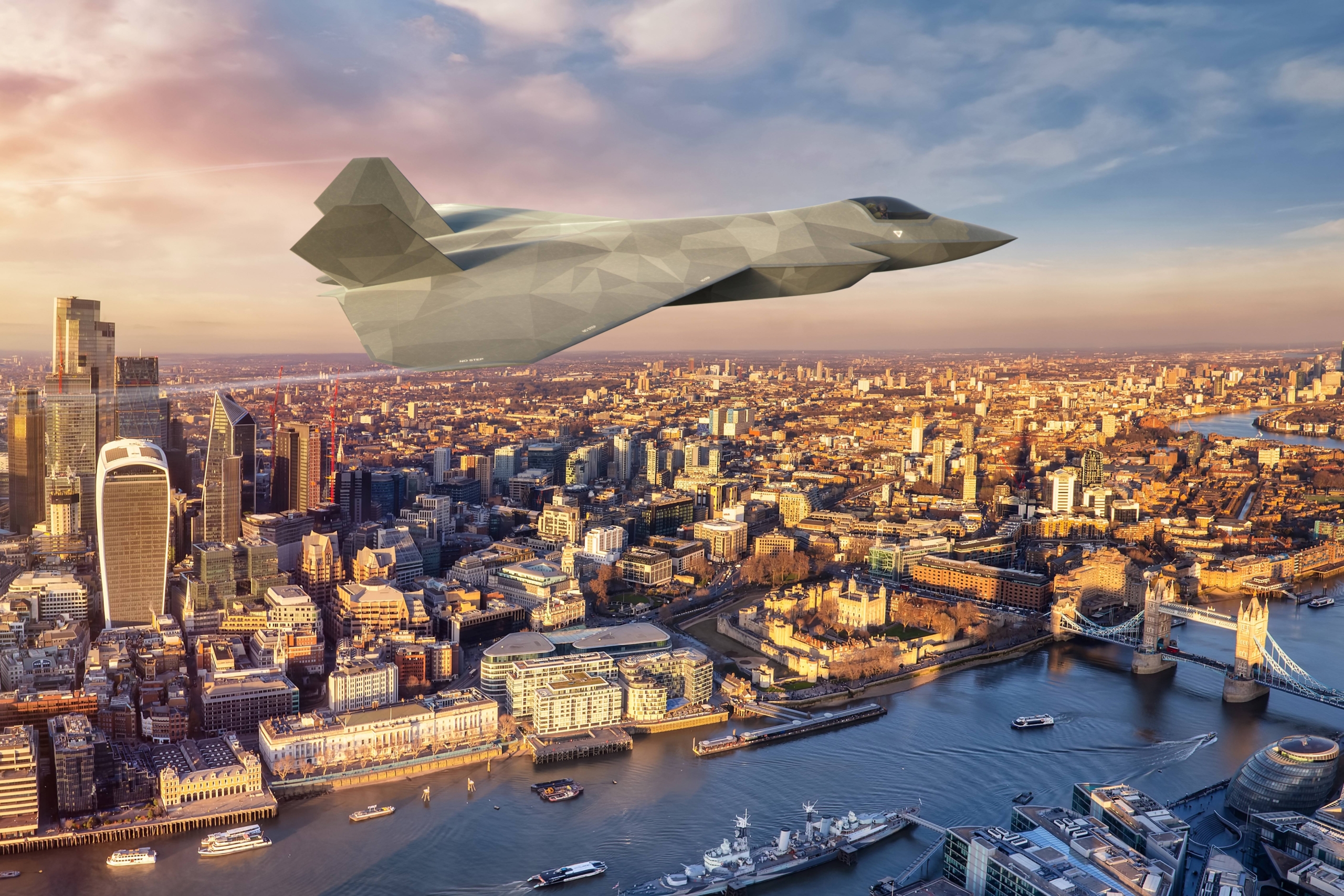
The United Kingdom is spending billions of pounds developing one of the world’s most advanced combat aircraft, but it doesn’t currently operate a tanker capable of refuelling it.
The Royal Air Force has confirmed that the future Global Combat Air Programme (GCAP) fighter will use boom air-to-air refuelling rather than the probe-and-drogue system fitted to Britain’s Typhoon and F-35B fleets.
This decision creates a challenge for the RAF, whose entire Voyager tanker fleet delivers fuel through flexible hoses and drogues. None of its 14 Airbus A330 Multi Role Tanker Transport aircraft is equipped with a refuelling boom.
Speaking at the Global Air & Space Chiefs’ Conference in London, an RAF official confirmed that GCAP would use a Universal Aerial Refuelling Receptacle Slipway Installation, or UARRSI, according to Janes.
“We currently do not have boom in the UK. We have a requirement for boom from GCAP. We have to resolve that requirement, and that is what we’re now looking at,” the official said.
The service is now examining how and when it could introduce a sovereign boom-refuelling capability before GCAP is expected to enter service in 2035.
Why does the RAF not use refuelling booms?
The RAF has historically favoured probe-and-drogue refuelling for its fast jets.
Under that system, the receiving aircraft extends a probe into a basket-shaped drogue trailing behind the tanker. Boom refuelling instead uses a rigid, telescopic tube controlled by an operator or automated system aboard the tanker, which connects to a receptacle on the receiving aircraft.
Boom systems can generally transfer fuel more quickly, making them particularly suitable for large aircraft or platforms requiring substantial fuel loads.

Britain’s Voyager KC2 tankers carry two underwing refuelling pods, while the KC3 adds a centreline hose unit. This allows the fleet to refuel aircraft, including the Typhoon, F-35B and many allied fighters, but not aircraft designed exclusively for boom refuelling.
That leaves the RAF dependent on allied tankers when aircraft such as its RC-135W Rivet Joint, C-17 Globemaster III and P-8A Poseidon require fuel in flight.
The gap could become more prominent if the UK proceeds with plans to acquire 12 conventional take-off and landing F-35A fighters for training and to support NATO’s nuclear mission. Unlike the F-35B, the F-35A uses boom refuelling.
GCAP forces the UK to confront its tanker gap
The GCAP decision means boom refuelling will no longer be a niche requirement affecting a small number of specialist RAF aircraft.
It will instead become essential to Britain’s future frontline combat-air capability.
The UK could potentially modify part of the Voyager fleet, acquire additional boom-equipped tankers or pursue a new arrangement involving a mixture of sovereign and allied capacity. The RAF has not yet confirmed which option it prefers.
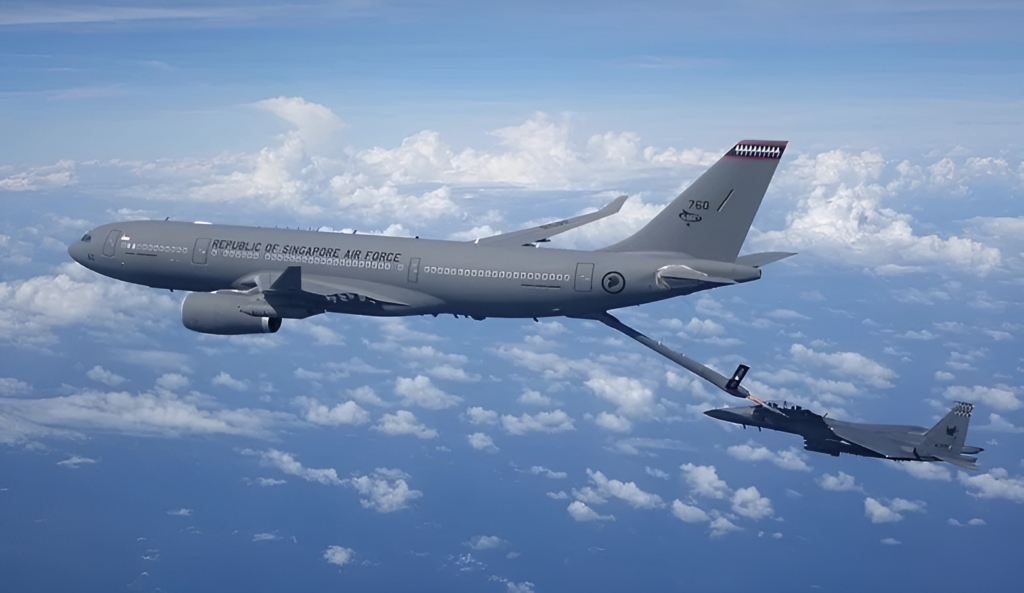
Airbus offers the A330 MRTT with an advanced refuelling boom system, and boom-equipped variants already operate with several air forces. However, Britain’s Voyagers were procured through the AirTanker private finance initiative and configured around the RAF’s hose-and-drogue requirements.
The refuelling decision also provides another clue about the emerging GCAP design.
The sixth-generation aircraft is expected to be larger than the Eurofighter Typhoon, with increased internal fuel, weapons capacity and range. Those characteristics could make the faster fuel-transfer rates offered by a boom particularly valuable during long-range operations.
GCAP partners Italy and Japan also operate boom-capable tanker aircraft, making the system a logical choice for interoperability across the trilateral programme.
However, it leaves Britain facing an unusual reality: unless the RAF modernises its tanker capability, its most advanced future combat aircraft will depend on another country to refuel it in the air.
Sign up for our newsletter and get our latest content in your inbox.


More from


September 2, 20263 min read


August 31, 20264 min read


