Marking the 77th anniversary of the de Havilland Comet’s maiden flight

9 min read
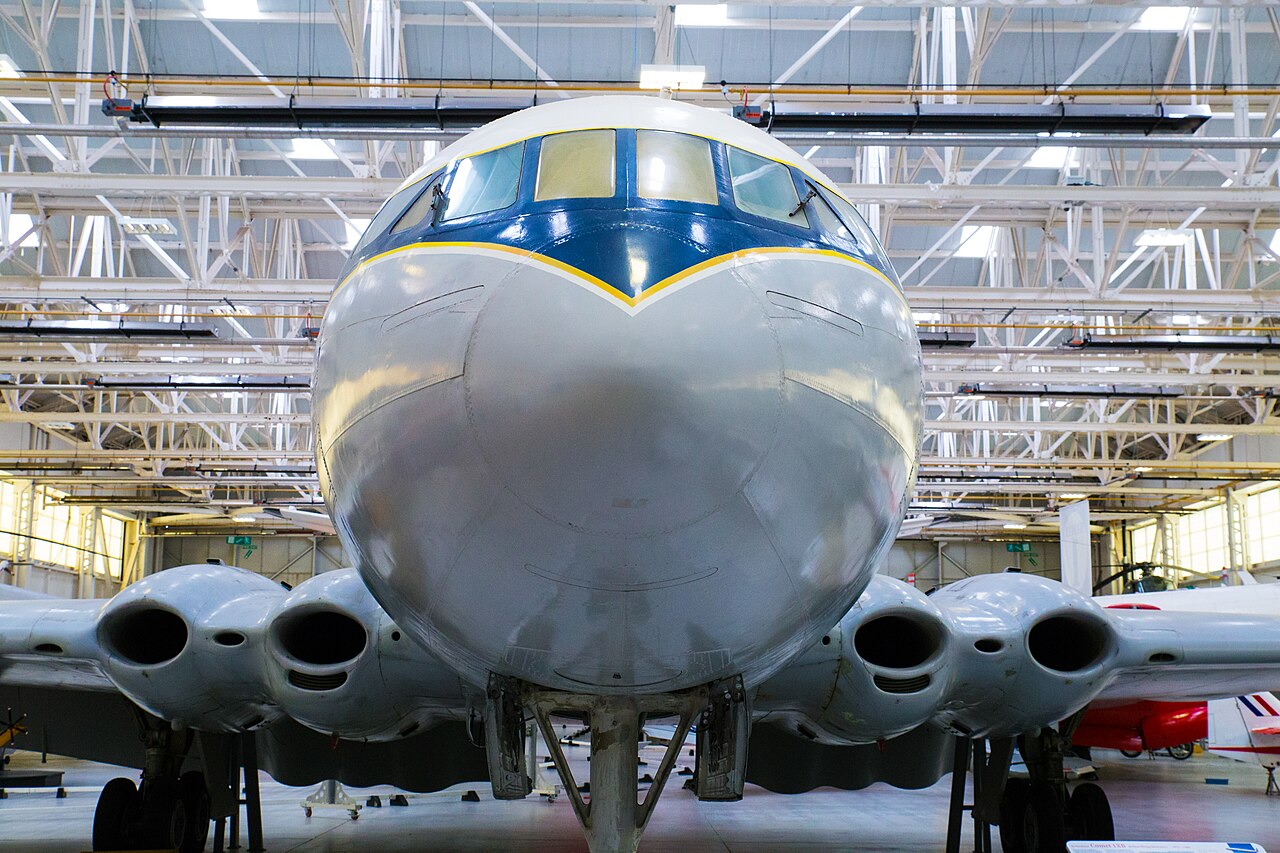
The de Havilland Comet was the world’s first jet-powered commercial airliner. Designed to fly faster, higher, and farther than any previous passenger aircraft, it promised to revolutionise air travel by dramatically reducing journey times while offering greater comfort and efficiency.
Although its early service was overshadowed by structural failures that led to tragic accidents, the Comet remains one of the most important aircraft ever built. Its pioneering design introduced technologies that became standard in modern aviation, while the lessons learned from its failures transformed aircraft safety.
Origins of the Comet
At the end of the Second World War, Britain possessed one of the world’s most advanced aerospace industries. British engineers had made major advances in radar, military aircraft design, and jet propulsion, largely through the pioneering work of Frank Whittle. With peace approaching, attention turned towards applying these innovations to commercial aviation.
In 1943, the British government established the Brabazon Committee to assess the future needs of civil aviation. The committee concluded that international air travel would expand rapidly after the war and that Britain should develop aircraft capable of competing in the growing global airline market.
While many proposals centred on improved piston-engined aircraft, jet propulsion was recognised as a technology with enormous long-term potential.
The de Havilland Aircraft Company, led by Sir Geoffrey de Havilland, was well positioned to exploit this opportunity. The company had earned an outstanding reputation through aircraft such as the Mosquito bomber and had gained valuable experience with jet-powered military aircraft, including the Vampire fighter.
Rather than refining existing piston-powered designs, de Havilland chose to develop an entirely new aircraft built around jet propulsion. The project became the DH.106, later named the Comet.
Designing a revolutionary airliner
Designing the Comet presented challenges unlike any previously encountered in commercial aviation. Existing airliners relied on piston engines driving propellers, limiting both speed and altitude. Jet engines offered smoother operation and significantly higher performance but required engineers to rethink almost every aspect of aircraft design.
The Comet was designed to cruise at approximately 450 mph, nearly twice the speed of many contemporary airliners. To achieve this, engineers created a streamlined fuselage with carefully refined aerodynamic lines. Although its wings were only moderately swept compared with later jet aircraft, they reflected the growing understanding of high-speed flight.
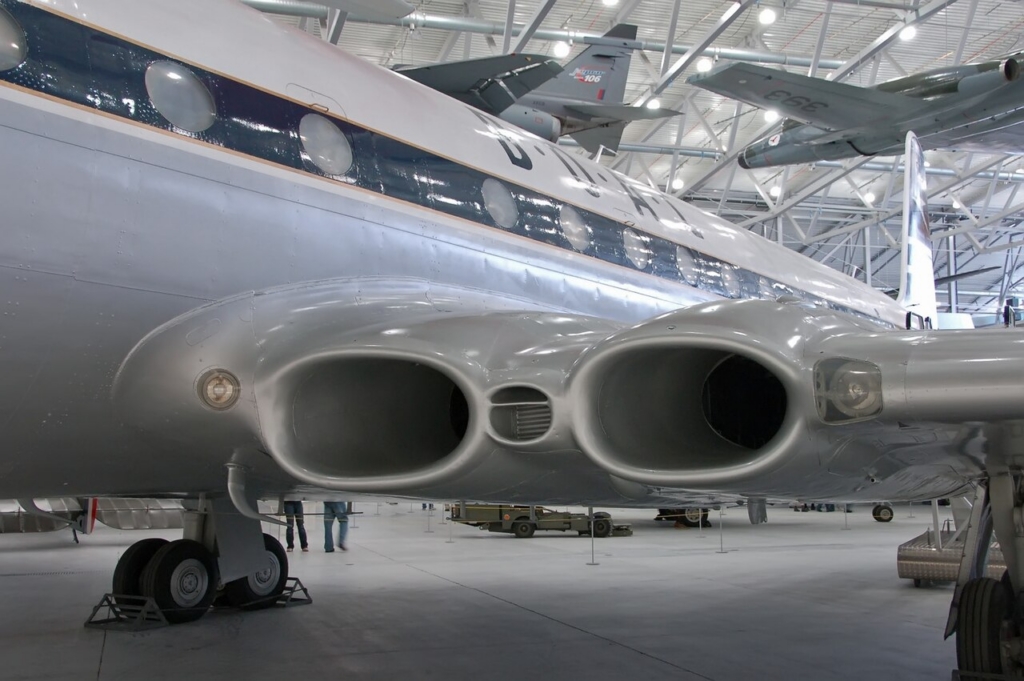
One of the Comet’s defining features was its four de Havilland Ghost turbojet engines, buried within the wing roots rather than mounted externally. This configuration reduced aerodynamic drag, lowered cabin noise, and gave the aircraft its distinctive, elegant appearance.
The aircraft also featured a fully pressurised cabin capable of operating at altitudes of up to 40,000 feet. Flying above most weather improved passenger comfort while allowing greater fuel efficiency and faster cruising speeds.
Inside, travellers enjoyed larger windows, quieter cabins, less vibration, and more spacious seating than had previously been possible. The Comet represented not simply a faster aircraft but an entirely new passenger experience.
Engineering challenges
Developing the Comet required extensive research into aerodynamics, structural engineering, and aircraft systems. Many of the loads experienced by a high-speed, pressurised jet had never before been encountered in commercial aviation. Engineers relied on wind tunnel testing and structural analysis, although the understanding of metal fatigue remained limited.
Weight reduction was a constant priority. Aluminium alloys were used extensively throughout the airframe to balance strength and performance, while every component, from the landing gear to the cabin fittings, was carefully designed to minimise weight.
The aircraft’s hydraulic systems, electrical equipment, environmental controls, and flight instruments were considerably more advanced than those found on piston-powered airliners. Powered flying controls also assisted pilots in managing the greater aerodynamic forces encountered at jet speeds.
Early turbojet engines consumed large amounts of fuel and required careful maintenance, but de Havilland believed continuing engine development would rapidly improve their efficiency and reliability.
Widespread UK government and airline support
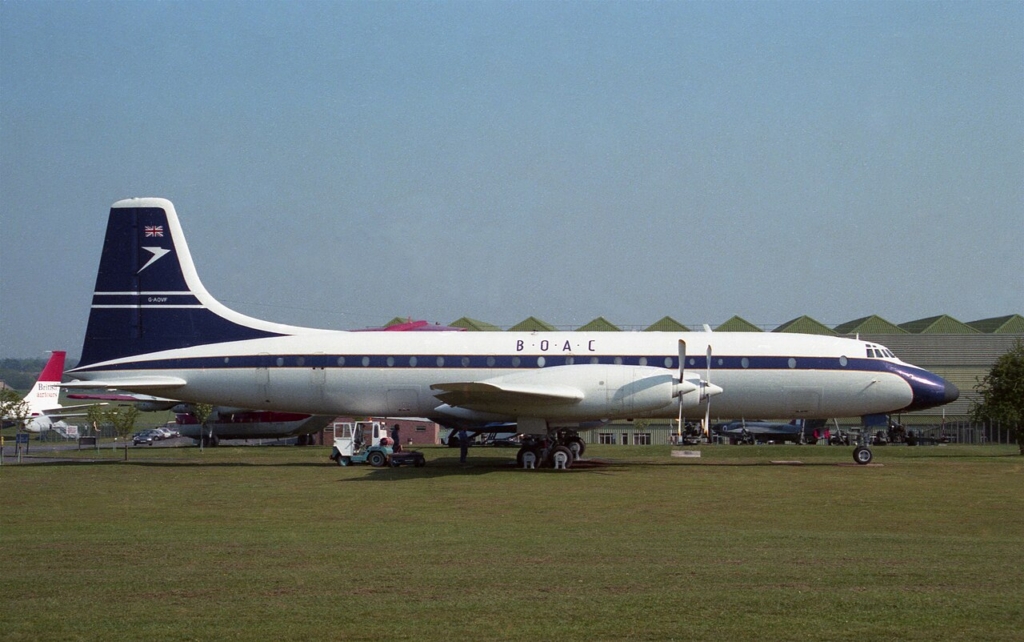
The British government strongly supported the Comet programme, viewing it as a symbol of Britain’s technological leadership in the post-war world. British Overseas Airways Corporation (BOAC), the state-owned national airline, became the launch customer and worked closely with de Havilland throughout the aircraft’s development.
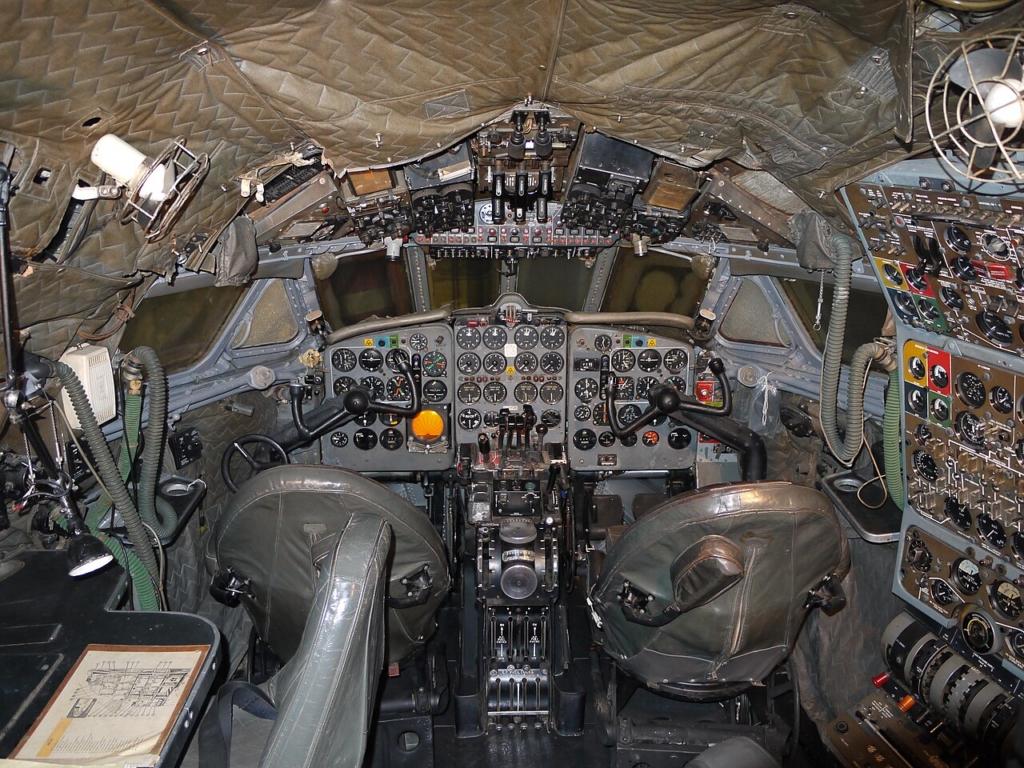
BOAC hoped the Comet would provide Britain with a competitive advantage over American manufacturers such as Douglas and Lockheed, which dominated the civil aviation market.
Even before its first flight, other airlines also expressed interest, recognising the commercial benefits of dramatically shorter journey times.
Building the prototype Comet at Hatfield
Construction of the first Comet prototype took place at de Havilland’s factory in Hatfield, Hertfordshire, UK. Thousands of precisely manufactured components were assembled into what was arguably the most advanced passenger aircraft of its time.
Unlike wartime aircraft production, where speed often took priority, the Comet demanded exceptional manufacturing precision. At jet cruising speeds, even small inaccuracies could have significant consequences.
Before flying, the aircraft underwent extensive ground testing. Engineers examined the hydraulic, fuel, electrical, and pressurisation systems while taxi trials allowed pilots to assess steering, braking, and engine performance. Once these tests proved successful, preparations began for the maiden flight.
The maiden flight of the Comet
On 27 July 1949, the prototype Comet made its historic first flight from Hatfield Aerodrome. Company employees, journalists, government officials, and aviation enthusiasts gathered to witness an event that would mark the beginning of the Jet Age.
The aircraft was flown by de Havilland’s chief test pilot, John Cunningham, one of Britain’s most experienced aviators and a distinguished Second World War night fighter pilot.
As the Ghost engines accelerated the aircraft along the runway, spectators immediately noticed the smoothness of the take-off. Without the familiar roar of propellers, the Comet climbed steadily into the sky, demonstrating the quiet power of jet propulsion.
The maiden flight lasted around 30 minutes, during which Cunningham and his crew evaluated handling characteristics, engine performance, stability, and flight controls. Reports described the aircraft as stable, responsive, and remarkably pleasant to fly.
Observers were particularly impressed by the absence of vibration and smoke that characterised many piston-powered aircraft. The successful flight confirmed that commercial jet transport was not merely possible but practical.
Further flight testing and development
Following its successful maiden flight, the Comet entered an extensive flight-test programme. Engineers gradually expanded the aircraft’s operating limits by increasing altitude, speed, and loading conditions while carefully monitoring performance.
Hundreds of test flights evaluated take-off and landing characteristics, fuel consumption, engine reliability, emergency procedures, and aircraft systems. Instrumentation throughout the aircraft recorded thousands of measurements on every flight.
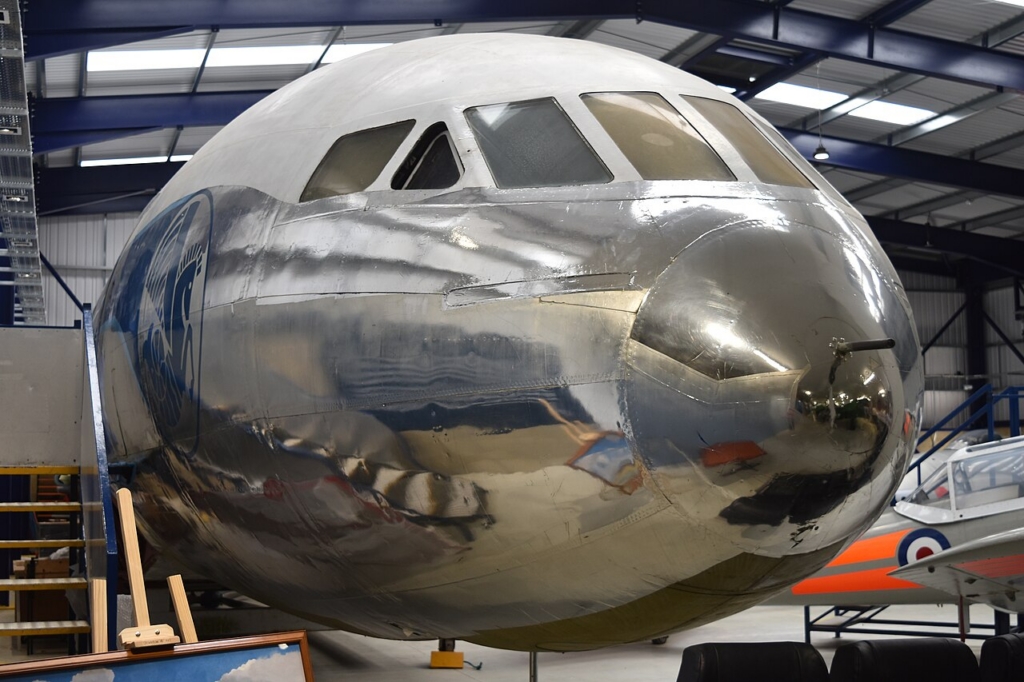
Particular attention was given to the pressurised cabin, as repeated pressurisation cycles represented an entirely new challenge in commercial aviation. Testing under varying weather conditions also confirmed the aircraft’s suitability for worldwide airline operations.
The programme accumulated hundreds of flying hours before certification, with numerous small design improvements introduced to enhance performance and reliability.
Public reaction to the world’s first jetliner
News of the Comet’s successful first flight generated enormous public excitement. Newspapers hailed the aircraft as evidence of Britain’s engineering excellence and a symbol of national recovery after the Second World War.
Many commentators predicted that jet airliners would transform international travel in much the same way railways and steamships had done during earlier centuries.
Its sleek appearance also attracted widespread admiration. The smooth fuselage, streamlined wings, and absence of propellers gave the Comet a futuristic appearance unlike any previous airliner.
Passengers looked forward to dramatically shorter journey times, with routes that previously required overnight stops now potentially completed within a single day.
A landmark in aviation history
The significance of the Comet’s first flight extended far beyond Britain. Aircraft manufacturers around the world closely monitored its progress, recognising that jet propulsion represented the future of commercial aviation.
The aircraft demonstrated that engineers had successfully overcome major technical challenges involving aerodynamics, propulsion, pressurisation, and structural design. Although further development remained necessary before airline service began, the fundamental concept had been proven.
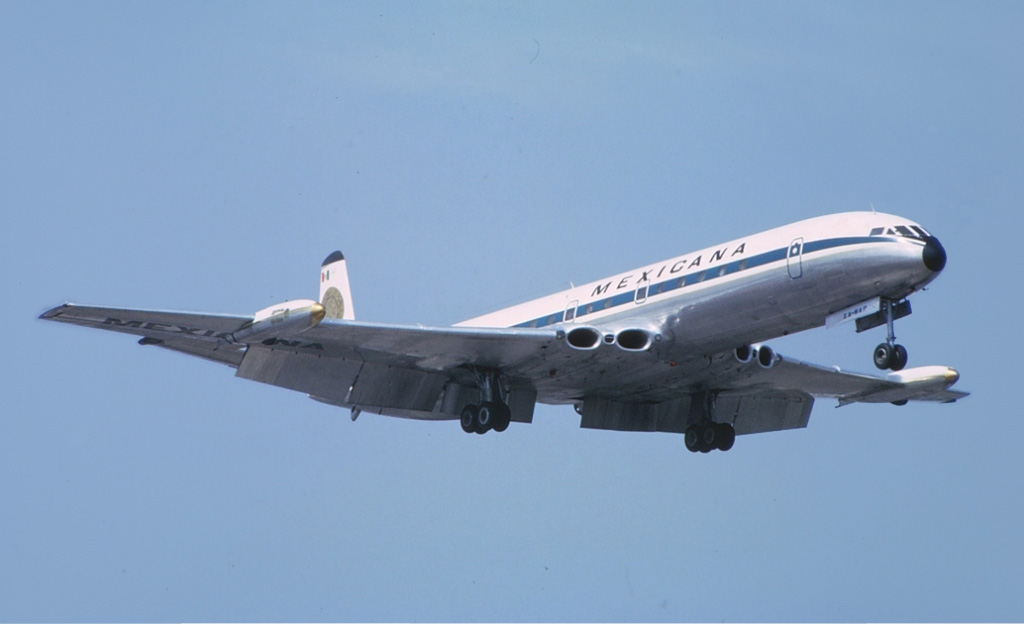
The Comet also introduced many design principles that became standard on later jet airliners, including high-altitude cruising, integrated aircraft systems, pressurised cabins, and efficient aerodynamic layouts.
Disaster strikes the Comet programme
Despite its promising start, the Comet’s early operational career suffered a devastating setback. Between 1953 and 1954, two aircraft broke apart in flight, including BOAC and South African Airways Comets operating over the Mediterranean.
The accidents raised serious concerns about the safety of jet aircraft and prompted one of the most comprehensive investigations in aviation history.
Investigators recovered wreckage from the sea and painstakingly reconstructed the aircraft. Engineers also placed a complete Comet fuselage inside a water tank, repeatedly pressurising it to simulate years of airline service.
The investigation revealed that repeated cabin pressurisation caused metal fatigue around the aircraft’s square windows and riveted corners. Tiny cracks gradually developed until the fuselage failed catastrophically during flight.
The findings fundamentally changed aircraft design. The Comet was redesigned with rounded windows, stronger structural reinforcement, and improved manufacturing techniques, dramatically increasing safety.
How the world was reduced in size thanks to the Comet
Although the redesigned Comet 4 successfully entered service, it had lost its commercial advantage by the time it became available. American competitors, particularly the Boeing 707 and Douglas DC-8, had entered the market, and even BOAC chose to purchase the Boeing 707 to remain competitive.
Nevertheless, the Comet’s influence extended far beyond its commercial success. The investigation into its accidents transformed aircraft engineering by introducing comprehensive fatigue testing, improved stress analysis, and much stricter certification procedures. Every modern pressurised airliner incorporates lessons learned from the Comet programme.
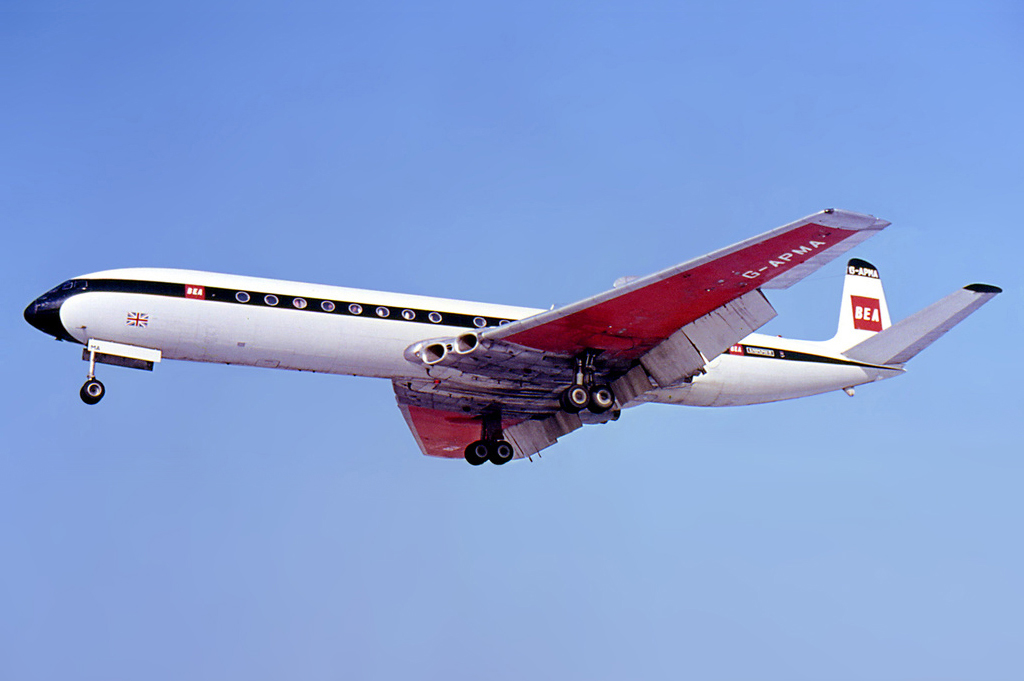
Equally important, the aircraft proved that passengers would embrace jet travel. Its speed, comfort, and smoothness permanently altered expectations of commercial aviation. Within little more than a decade, jet-powered airliners had become the international standard.
A defining chapter in world aviation history
The development and first flight of the de Havilland Comet represent one of the defining achievements in twentieth-century aviation. Conceived in the aftermath of the Second World War, it embodied Britain’s ambition to lead the world into a new era of commercial flight.
Its designers overcame unprecedented engineering challenges and introduced technologies that shaped civil aviation for generations.
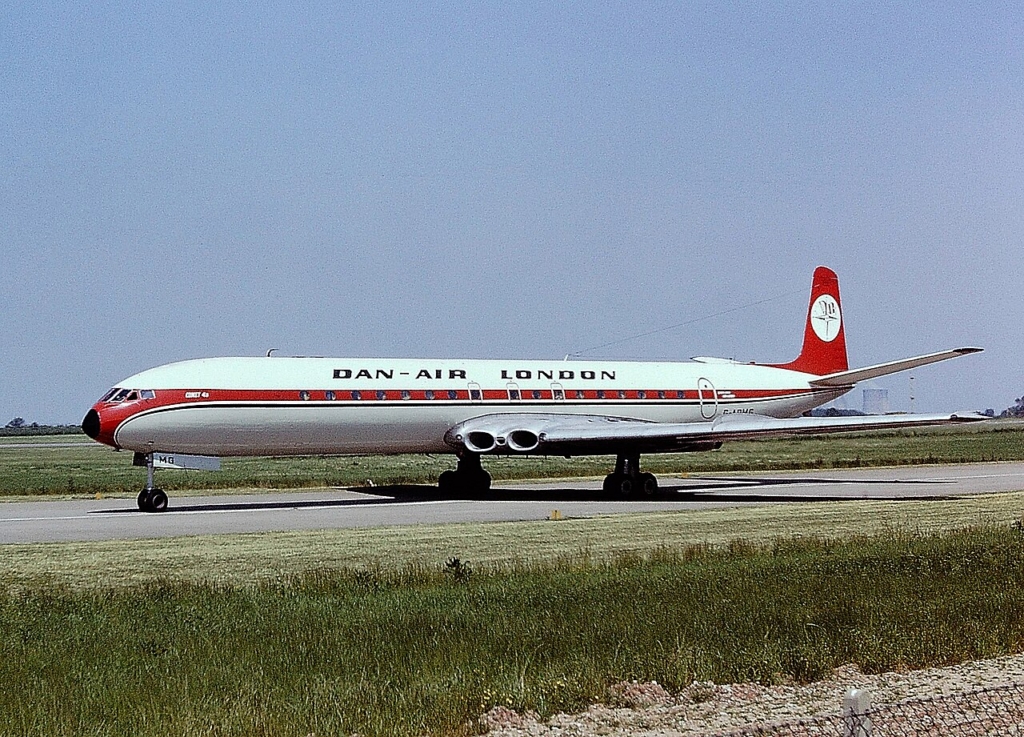
The successful maiden flight on 27 July 1949 demonstrated that commercial jet transport was both practical and achievable. Although later accidents temporarily overshadowed its achievements, the Comet fundamentally changed aviation history.
Its failures led to advances in structural engineering and aircraft certification that continue to protect passengers today.
The Comet is remembered not only as the world’s first jet airliner but as the aircraft that ushered in the modern age of air travel. Through its innovation, ambition, and the lessons it taught the aviation industry, its legacy continues to influence every commercial aircraft flying today.