One-third of SAF projects will fail, warns IATA

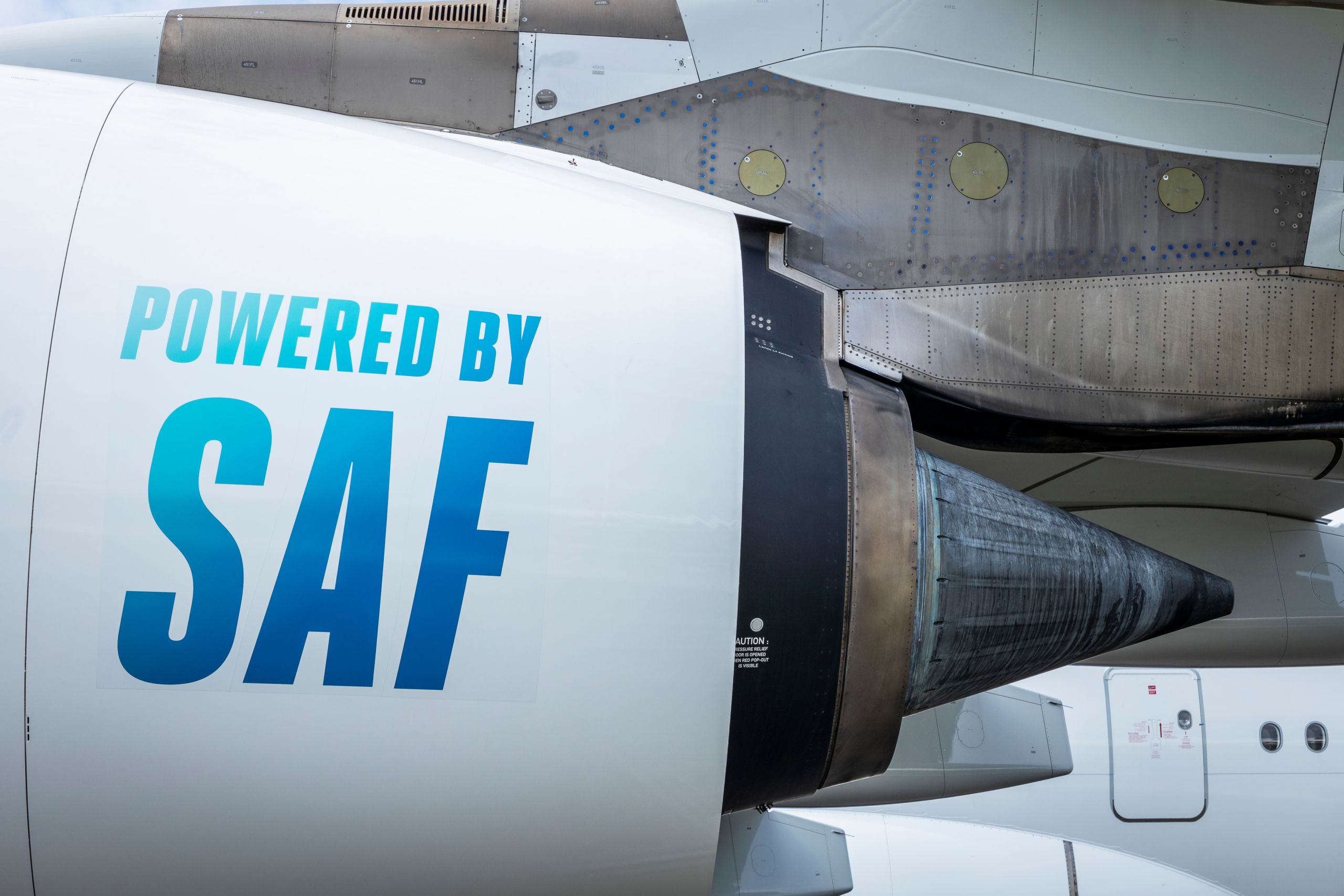
A third of the sustainable aviation fuel (SAF) projects that have been promised for the global aviation industry by the end of the decade may never be delivered, according to new analysis from the International Air Transport Association (IATA).
How much SAF can the industry produce?
The analysis, published by IATA’s Sustainability & Economics division, raises fresh concerns over whether the aviation industry can secure enough SAF to meet its ambitious climate targets.
Previously released estimates suggest that global SAF production will only reach around 2.4 million tonnes in 2026 – just 0.8% of the total volume of aviation fuel used globally.
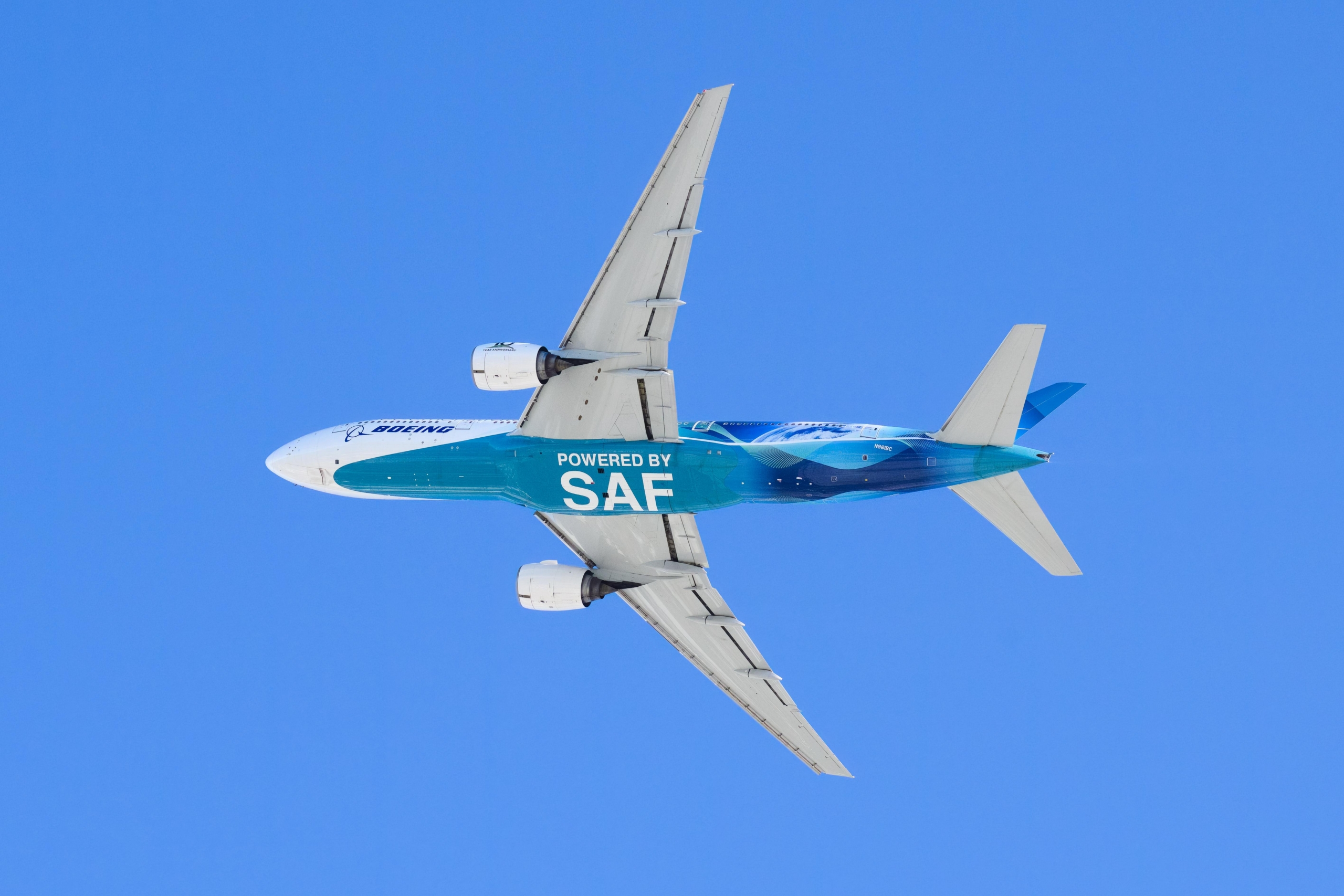
IATA’s analysis shows that around 200 SAF production projects have been announced worldwide, representing a potential annual capacity of approximately 30 million tonnes by 2030.
However, the airline trade body warned that only about 20 million tonnes is currently expected to become operational.
That would amount to roughly one-third of the promised capacity, which IATA claims is unlikely to materialise under current market conditions.
Only a fraction of announced SAF projects are progressing
The association’s latest analysis indicates that the industry’s project SAF supply leans heavily on schemes that are still at an early stage of development.
Of the capacity announced so far, only around 35% is either already operational or under construction, while the remainder remains in planning, feasibility or other early stages with no certainty about when or if it will be delivered.
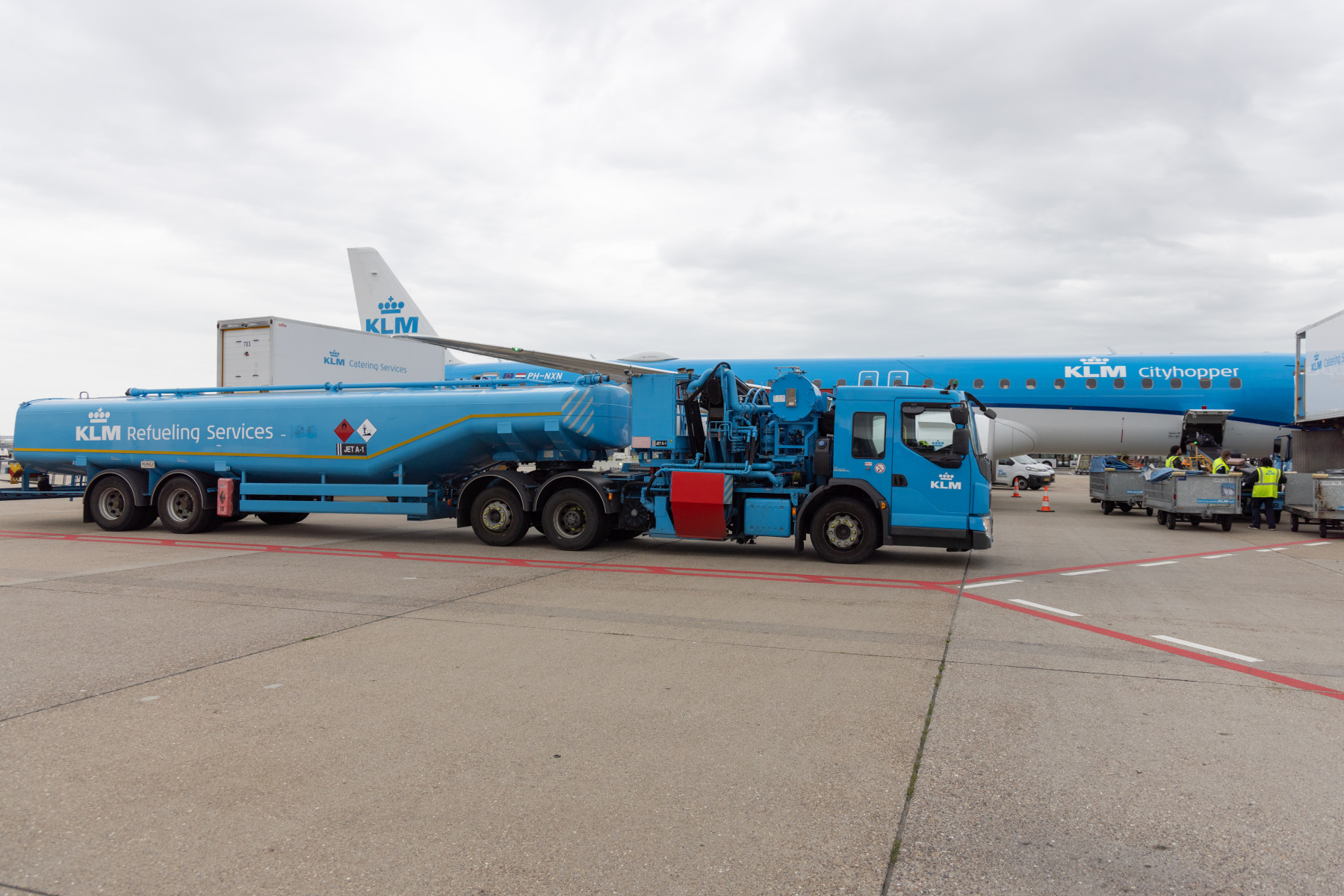
According to IATA, approximately 60% of the announced global capacity is now expected to be delivered by 2030, leaving around 10 million tonnes of anticipated annual production at risk of cancellation or significant delay.
Policy uncertainty continues to limit progress
IATA argued that the problem can be at least partly traced to government policy, or lack thereof.
While governments around the world have introduced SAF mandates and decarbonisation strategies, the trade body said many developers still struggle to secure financing.
It warned that without greater certainty over future demand, pricing mechanisms and investment, many SAF facilities are unlikely to be completed.
The report also warned against focusing investment too heavily on technologies that are still under development and are therefore years away from entering the fuel supply chain.
Hydroprocessed Esters and Fatty Acids (HEFA), IATA said, is currently the only SAF production pathway capable of supplying meaningful volumes but is still not being fully exploited.
Whereas several next-generation technologies are attracting significant attention despite their challenges.
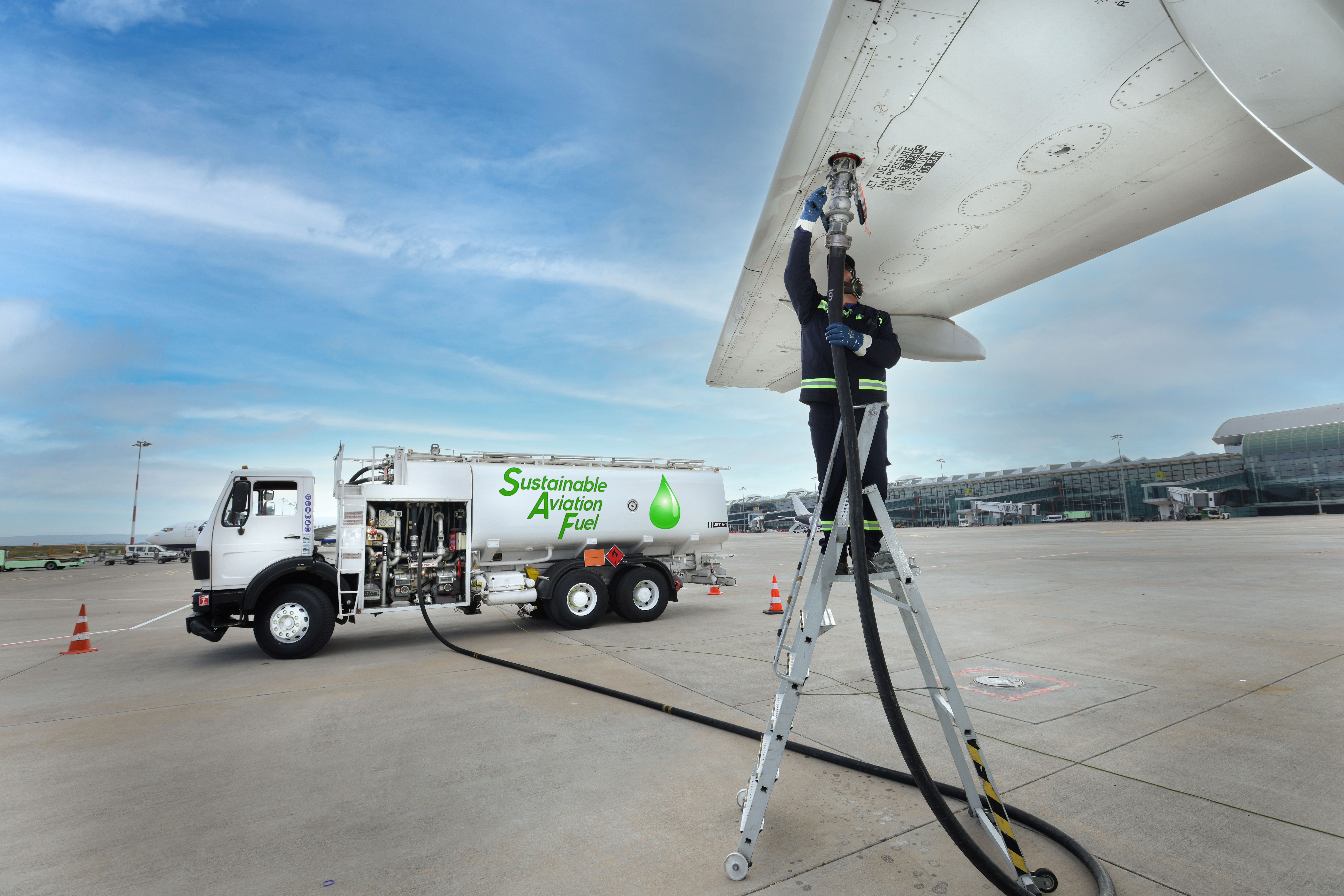
Alcohol-to-Jet (AtJ) and Gasification Fischer-Tropsch (GFT) processes are “not gaining commercial maturity” IATA said, while Power-to-Liquid (PtL) fuels are unlikely to be produced at scale until closer to 2040.
Delaying investment in mature technologies while waiting for future production methods could leave the industry short of the fuel volumes needed during the next decade, IATA added.
Americas lead global production pipeline
IATA’s breakdown of regional SAF distribution shows there are still significant differences in development around the world.
According to the analysis, the Americas are expected to account for around 40% of global SAF production capacity by 2030, driven primarily by investment in the United States. By 2030, the Americas are expected to produce 8 million metric tonnes, more than double the current annual total.
Europe, North Asia and the wider Asia-Pacific region are forecast to contribute a combined 12 million tonnes of annual capacity – 6 million tonnes in Europe, and 3 million tonnes in the separated North Asia and Asia Pacific regions. Africa and the Middle East will account for just 0.2 million tonnes.
Among those regions, Asia-Pacific currently has the strongest delivery profile. More than 40% of the SAF capacity announced is already operational or under construction, making it the most advanced project pipeline globally.

By comparison, Africa and the Middle East continue to lag despite possessing substantial feedstock resources that could support future SAF production.
Industry warns targets remain at risk
The latest figures from IATA reinforce a growing concern that the decarbonisation ambitions of the industry may not match the reality of the fuel supply situation in 2030 or even later in the century.
Willie Walsh, IATA’s Director General, said this month that 2026 was shaping up to be another “disappointing” year for SAF production.
To accelerate the scale-up of sustainable aviation fuel (SAF) production and adoption, IATA has called for coordinated industry action across four key priorities.
First, expanding the supply of renewable energy to support SAF production and ensure adequate availability of sustainable feedstocks and clean energy.
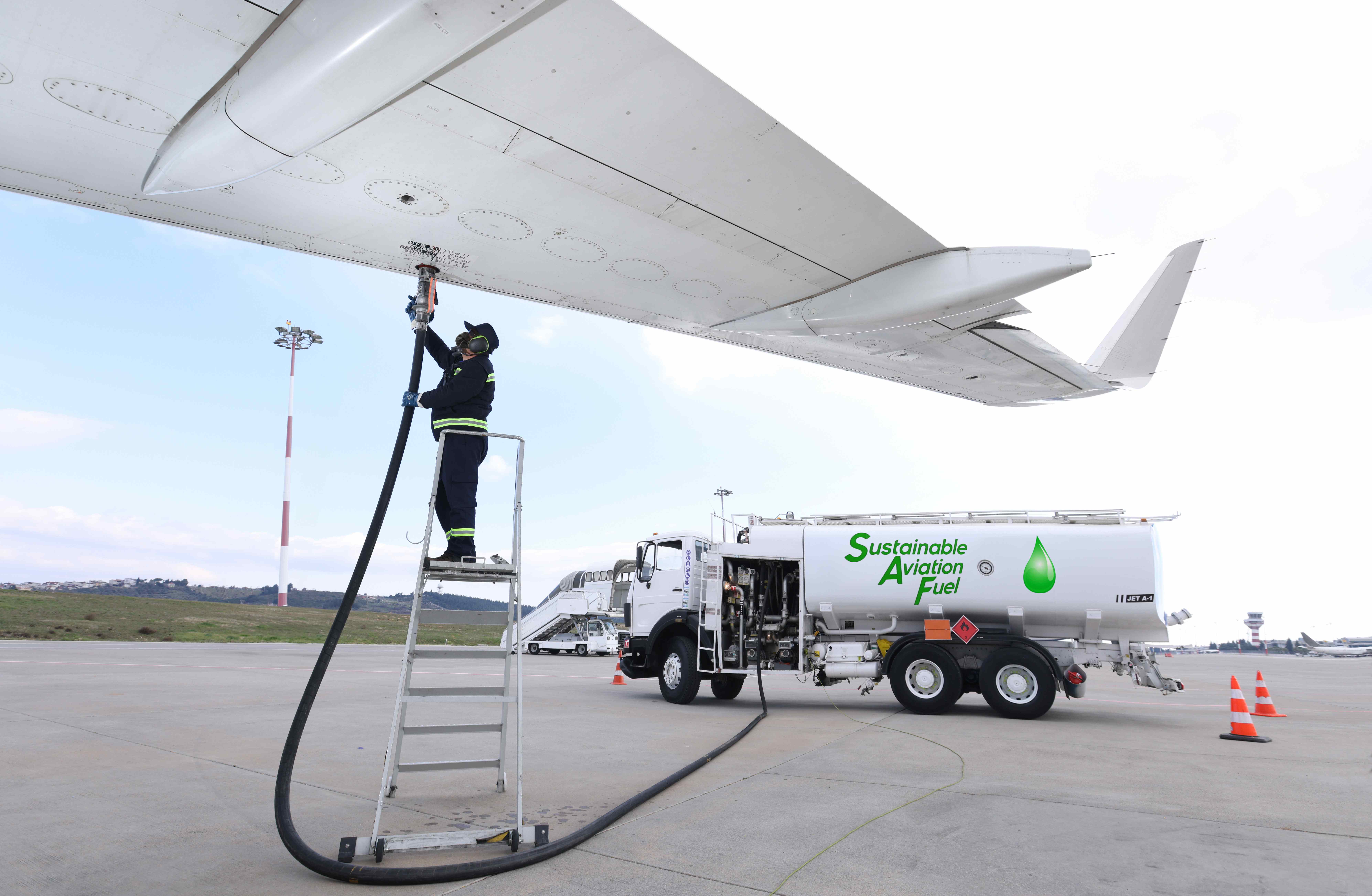
Second, ensuring open access to fuel infrastructure, including pipelines, storage facilities, and airport fuel systems.
Third, strengthening policy support through production incentives and investment frameworks.
Finally, enabling a global SAF market with sufficient supply at commercially viable prices is essential to maintaining the financial and economic sustainability of the airline industry.
Is there public support for SAF?
The latest IATA passenger survey from April 2026 revealed strong public support for decarbonising air transport.
Nearly nine in 10 respondents (89%) said the aviation industry should continue reducing emissions even if governments scale back their climate efforts.
Around two-thirds (66%) said they were prepared to pay more to offset emissions, and 88% expect airfares to increase as airlines invest in sustainability.

When asked how sustainability-related funds should be used, a quarter (25%) identified sustainable aviation fuel (SAF) as the top priority, followed by emissions-reduction technologies (23%), well ahead of taxes and levies (10%).
Nearly half of passengers (48%) said they considered carbon emissions when booking flights.
Featured image: Photofex – stock.adobe.com