FAA moves to lift US supersonic flight ban with new noise rule

5 min read
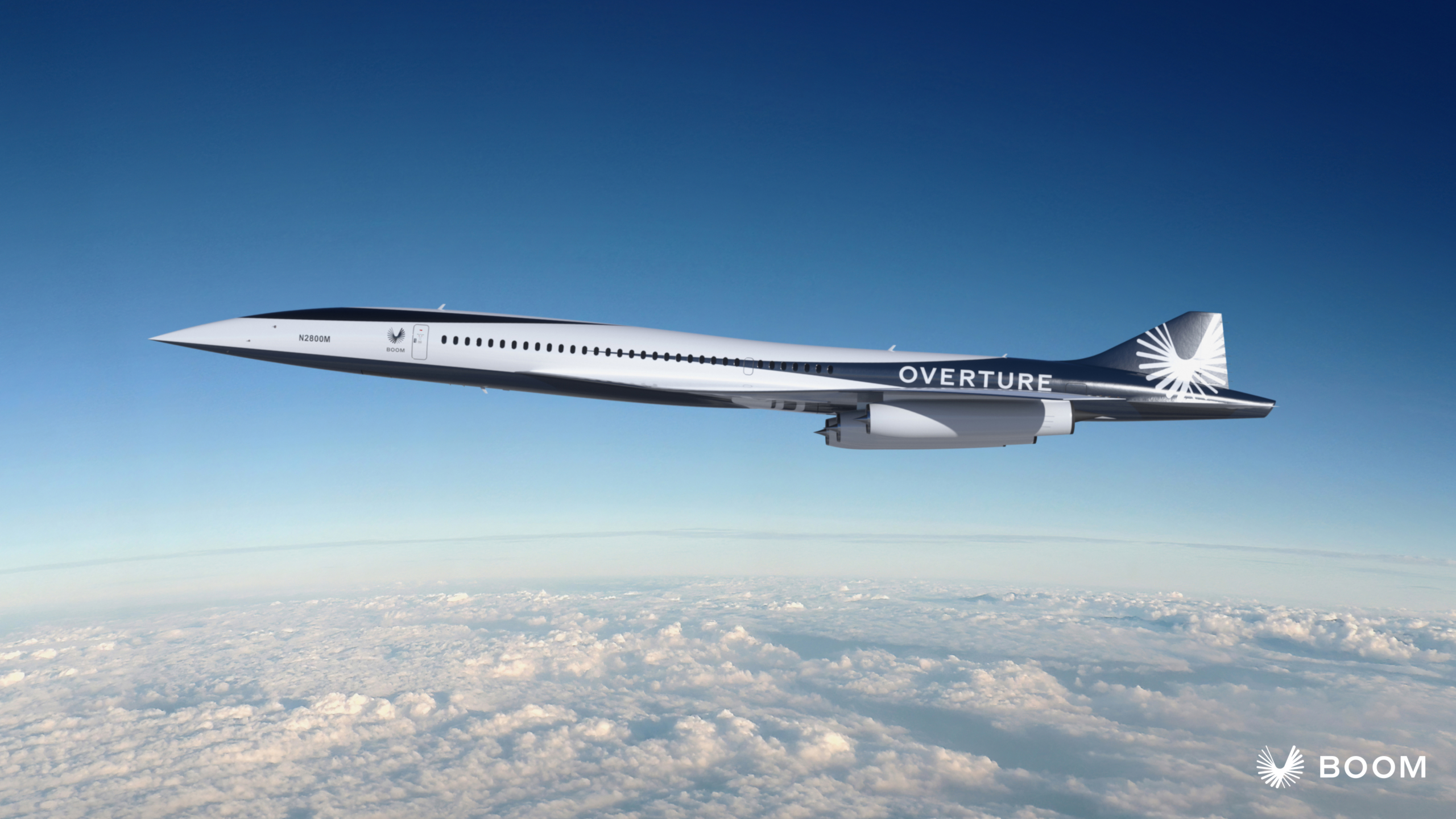
The US Department of Transportation has announced a proposed rule aimed at encouraging the development of civil supersonic aircraft and opening a path for them to operate over the continental United States.
The proposal does not immediately end the decades-old restrictions on overland supersonic flight. Instead, it marks a first regulatory step toward replacing the blanket prohibition with a noise-based certification standard for next-generation aircraft.
The original ban was introduced in the 1970s to prevent aircraft traveling faster than Mach 1 from creating disruptive sonic booms over US territory. The restriction effectively ruled out routine civil supersonic operations over land and limited the commercial case for aircraft such as Concorde in the US market.
FAA proposes new rule to enable supersonic flights over land
On 30 June, US Transportation Secretary Sean P. Duffy announced that the Federal Aviation Administration (FAA) was taking a “pivotal step” toward enabling civil supersonic flights over the continental United States by introducing a new noise-based certification standard for supersonic aircraft.
The proposed rule, Enabling Overland Supersonic Flights, would introduce a noise-based certification standard for supersonic aircraft, giving manufacturers clearer guidance as they develop future designs.
It follows President Donald Trump’s June 2025 executive order, which directed federal agencies to accelerate the return of civil supersonic aviation and support US leadership in the sector.
Rather than immediately repealing the overland ban, the FAA proposal sets out a framework under which future supersonic aircraft could be certificated based on their noise performance. The FAA also plans to propose a separate rule later this year covering landing and takeoff noise standards for supersonic aircraft.
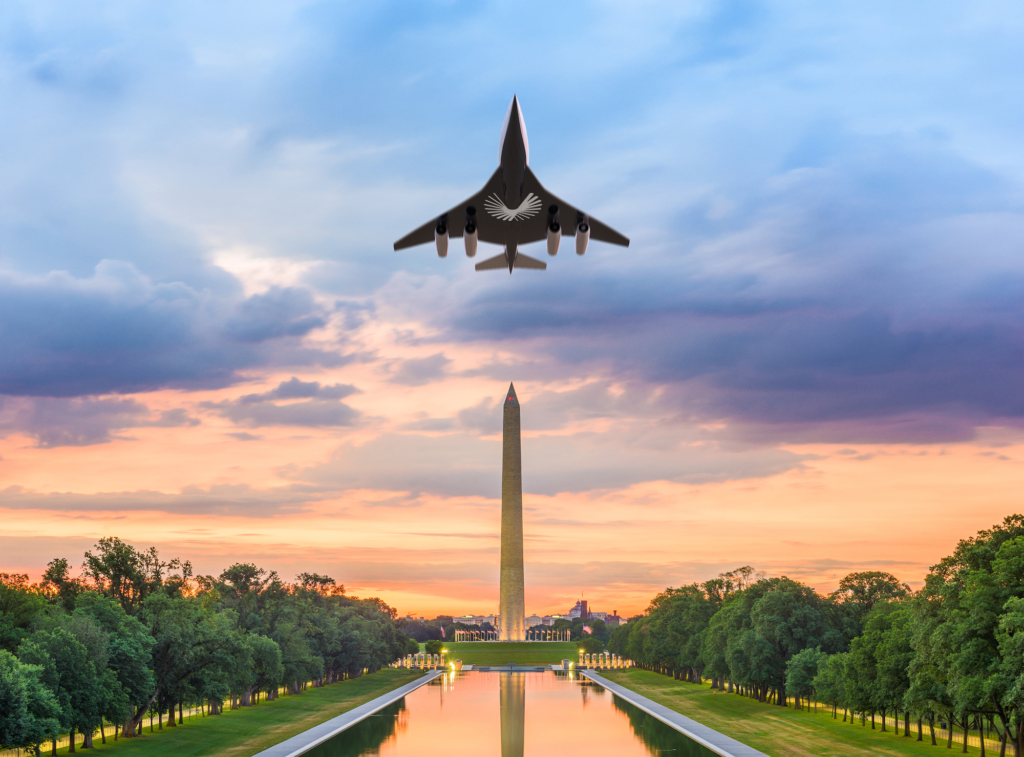
The Department of Transportation said the measures are intended to give manufacturers the regulatory clarity needed to finalise designs and bring new aircraft to market. The FAA aims to finalise both rules by mid-2027.
The DOT said advances in supersonic air transport technology could allow future aircraft to operate safely while reducing or eliminating the disruptive sonic boom associated with earlier generations of supersonic aircraft.
The department believes next-generation supersonic aircraft could significantly reduce journey times and improve the movement of people and goods, while creating new opportunities for US aerospace manufacturers.
Restoring supersonic flight “more than just about speed”
According to Sean P. Duffy, speaking at the announcement of the new bill, restoring supersonic flight over land was not just about speed but also about giving American innovators the freedom they needed to “usher in a golden age of air travel.”
“We are working at lightning speed to safely enable the next quantum leap in aviation technology and deliver an exciting new way to fly to the American flying public,” Duffy added.
FAA Administrator Bryan Bedford said advances in aerospace engineering, materials science, noise reduction and operational concepts could make it possible to move beyond the sonic boom problem that shaped earlier restrictions.
“Advances in aerospace engineering, materials science, noise reduction, and new operational concepts will eliminate the old sonic boom,” Bedford said. “This means we can ultimately repeal the ban from the 1970s on supersonic flight over U.S. territory while minimising noise impacts to residents in communities along the route and near airports.”
Michael Kratsios, Assistant to the President for Science and Technology and Director of the White House Office of Science and Technology Policy, said the proposal was intended to support US aerospace innovation and manufacturing.
“For too long, outdated rules held back our engineers and manufacturers,” Kratsios said. “We are clearing the runway for supersonic flight, strengthening our industrial base, creating high-skilled jobs, and ensuring that the future of aviation is invented and built in America.”
What is a sonic boom?
Aircraft flying at supersonic speeds (Mach 1 and above) are travelling approximately 770 miles per hour (1,239 km/hr). Commercial airlines generally fly between 550 and 600 miles per hour (885-965 km/hr). One key to enabling supersonic travel is reducing the noise experienced by sonic booms.
A sonic boom is caused by an object travelling faster than the speed of sound, creating intense shock waves that rapidly compress and decompress the air, resulting in a loud, thunder-like ‘bang’ that can be heard on the ground as these waves pass.
This happens because the object outpaces its own sound, piling up pressure waves into a continuous ‘wake’ or ‘cone’ of energy that eventually releases as a sharp bang when it reaches an observer.
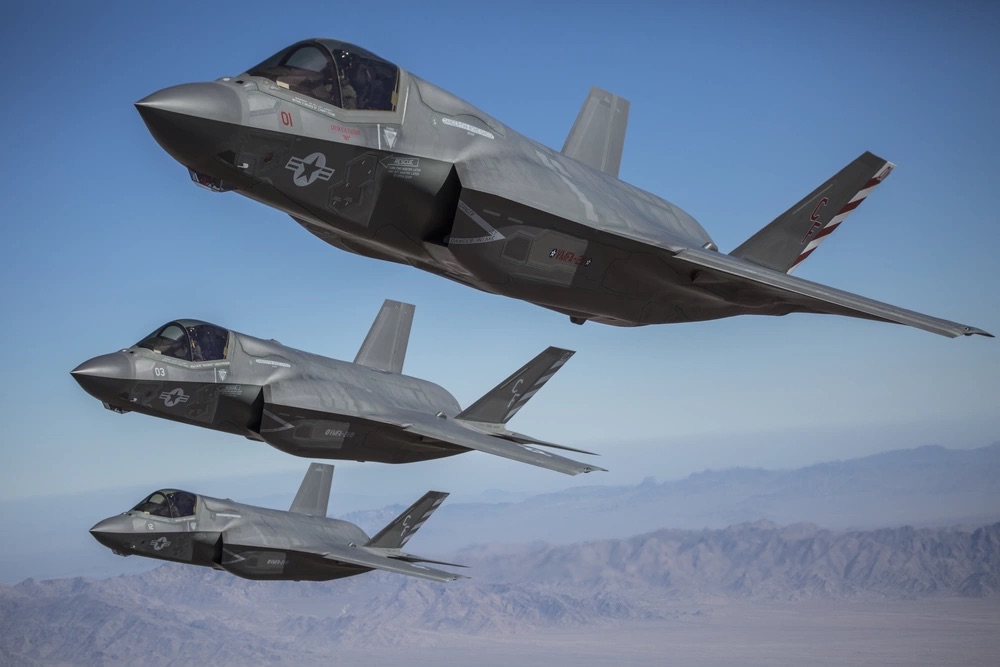
There are three components to the formation of a sonic boom. The fundamental cause is any object exceeding the speed of sound (around 767 mph or 1,235 km/h at sea level), such as fighter jets or spacecraft.
As the object moves faster than sound, air molecules cannot get out of the way quickly enough, so they compress, forming a cone-shaped shock wave.
The ‘boom’ is the sudden, dramatic change in air pressure as this shock wave passes over an observer, similar to a boat’s wake pushing water aside. Given the speed of sound, a person will hear the boom when the shock wave reaches them, not just when the object breaks the sound barrier.
Often, a double boom is heard. A double boom can occur if separate shock waves from the nose and tail of an aircraft reach the ground at different times.
Different factors can affect the volume of the boom itself. Higher altitudes and larger, heavier aircraft can create wider, less intense booms, but the boom is still heard over a large area. Additionally, aircraft making sharp turns or suddenly accelerating can make booms audibly louder.
Ways of reducing sonic booms have been developed
One means of achieving a reduction in the noise caused by sonic booms is using a flight technique called Mach cutoff. This is where the aircraft design, atmospheric conditions, speed, and altitude work in combination to ensure the sonic boom bends and refracts back into the atmosphere, significantly reducing its ground-level impact.
The FAA is collaborating with the International Civil Aviation Organisation (ICAO), NASA, the aerospace industry, and academic institutions and applying their research to inform supersonic noise standards.
Featured image: Boom Supersonic