‘We have reached a critical point’: Aviation leaders warn over EES European border queues

5 min read


The EU’s new entry-exit system has reached a “critical point” with lengthy border delays disrupting flights, senior figures from Airports Council International (ACI) Europe, Airlines for Europe (A4E) and the International Air Transport Association (IATA) have warned.
Industry groups pen open letter amid concern over EES rollout
In an open letter to European Commission President Ursula von der Leyen, the groups have called for an “immediate intervention before the situation deteriorates further during the peak summer travel season”.
The letter from Ourania Georgoutsakou, Managing Director of Airlines for Europe (A4E), Olivier Jankovec, Director General of ACI EUROPE, and Thomas Reynaert, Senior Vice President of External Affairs at the International Air Transport Association (IATA), states that passengers are having to wait up to five hours to pass passport control and that the Schengen Entry/Exit System (EES) is now having a detrimental impact on passenger demand.
The groups have urged Brussels to introduce greater flexibility after what they describe as months of severe disruption following the system’s full rollout in April.
What is the EES and why is it creating airport chaos?
The EES is designed to strengthen security at the European Union’s external borders.
It affects UK and all other non-EU passport holders when travelling to most European countries.
The new process is designed to modernise border checks by replacing passport stamps with a digital record of travellers entering and leaving the Schengen Area.
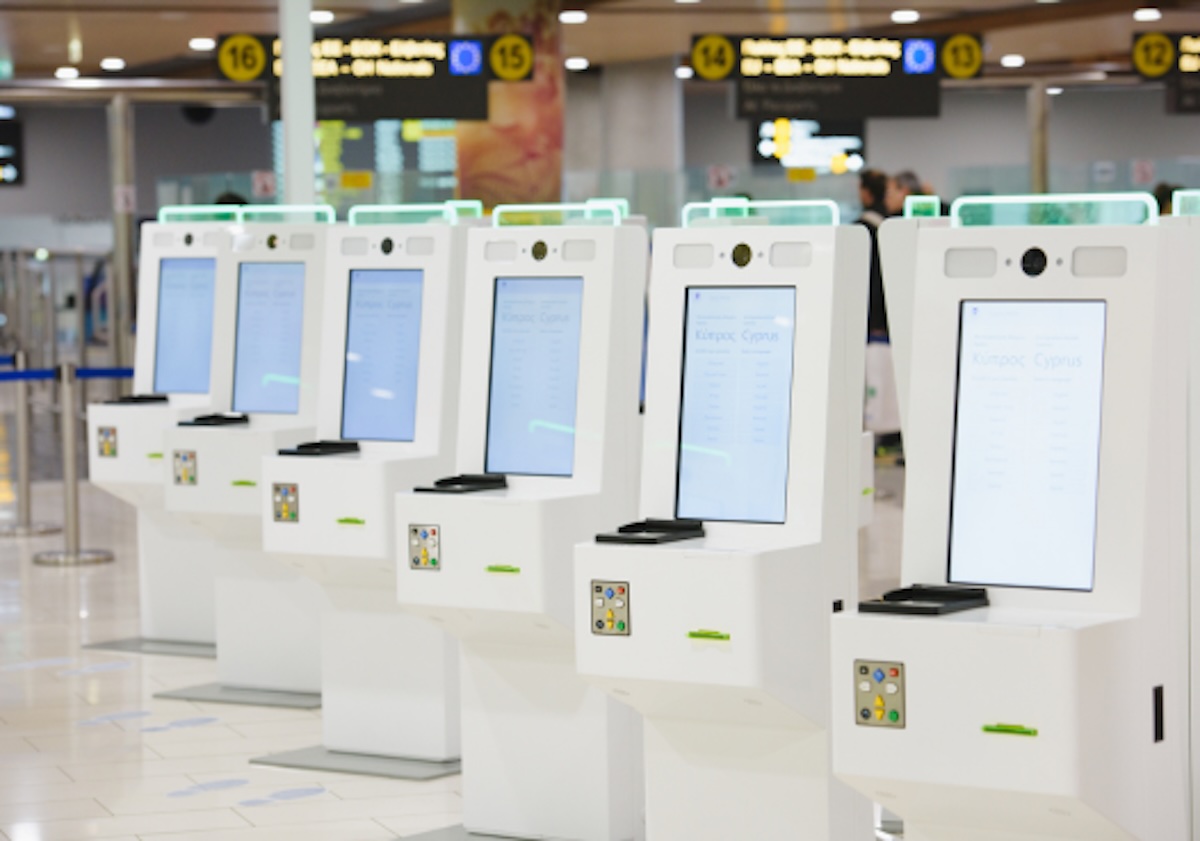
While the industry bodies have stressed that they continue to support the objectives of the system, they argue that the way the system is currently operating is placing an unsustainable burden on airports, airlines and border authorities.
“These delays are impacting millions of passengers entering the Schengen Area, including families travelling with young children, elderly passengers and persons with reduced mobility,” the letter says.
“At the same time, airports and airlines are experiencing growing operational disruption, including flight delays and missed connections and increasing pressure on frontline staff.”
Airports report severe disruption
As the letter states, airport operators are facing growing pressure including for frontline staff who are managing passenger frustration.
The aviation organisations argue that the problem extends beyond Europe’s largest hubs.
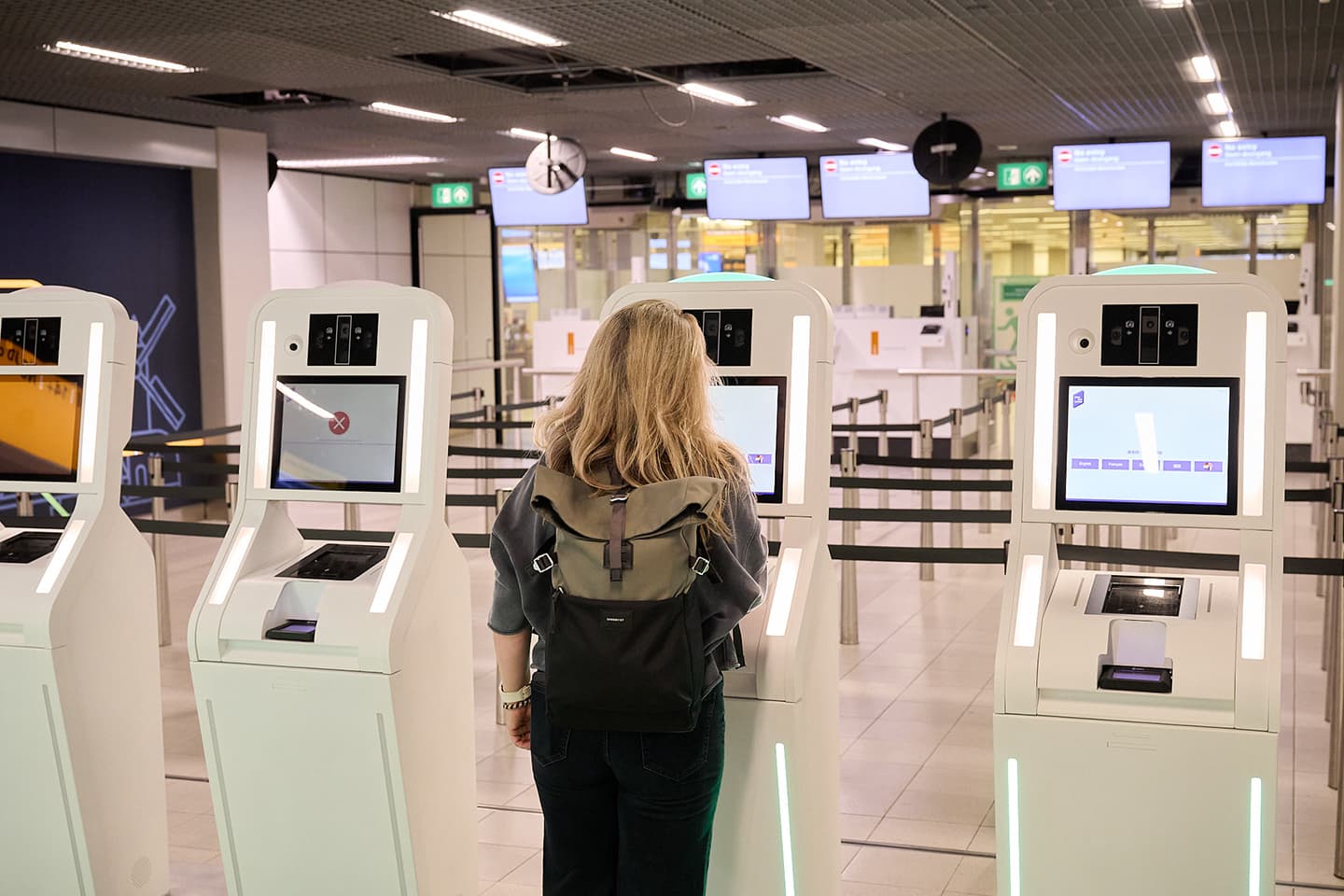
Indeed, smaller airports without the infrastructure to deal with large crowds and lengthy delays are facing their own specific challenges.
Regional airports serving popular holiday destinations are experiencing difficulties, with some passengers forced to queue outside terminal buildings or on airport aprons because existing border control facilities cannot process arrivals quickly enough.
Airlines face flying half-empty planes home
European airports are expected to handle around 40 million more passengers during July and August than during the previous two months, placing additional strain on border processing systems that are already struggling to cope.
The open letter also presents the airline perspective. It states that carriers are being left with half-empty aircraft at gate closing time, with passengers who should be onboard instead stuck in border control queues.
“Beyond the immediate operational consequences, the reputation of the European Union and the confidence in the regulatory framework are also at stake,” the groups say.
Industry seeks temporary suspension powers
Rather than abandoning the Entry/Exit System, IATA, ACI-Europe and A4E are calling for a more flexible approach to its implementation.
The letter urges the European Commission to allow Member States to suspend EES processing whenever passenger demand exceeds the capacity of border control facilities, at least throughout the peak summer months of July and August.
The organisations are also seeking a permanent flexibility mechanism to be introduced by September, allowing national border authorities to temporarily revert to traditional Schengen passport checks under defined exceptional circumstances.
“Such flexibility measures should remain available until the structural challenges repeatedly highlighted by industry have been fully addressed, including: Adequate staffing levels at airport border crossing points; full stability and reliability of both the central EES platform and national interfaces; complete operational and fully functional deployment of Self-Service Kiosks and ABC gates across Member States; [and] full functionality and deployment across all Member States of a pre-registration app.”
Open letter echoes warnings from industry groups
The appeal from the aviation industry for a more pragmatic approach to the entry-exit system has been made on multiple occasions during the build-up to and implementation of the EES.
Speaking to The Times last month, Rafael Schvartzman, vice president for Europe at IATA, warned of “challenging times” with waits of “three, four, five, six hours”, which he described as “unacceptable”.
Uku Särekanno, a director of the EU border agency Frontex, was quoted by The Guardian as saying that the situation would “stabilise in one or two years”.
Mark Tanzer, the chief executive of Abta, said the EES was creating an “unhelpful, and potentially damaging, backdrop for summer travel to EU destinations”, which was contributing to a “dampening [of] early-season booking levels”.
Yvonne Moynihan, managing director of Wizz Air UK, said passengers were experiencing “longer waiting times than anticipated” and advised people to arrive at the airport three hours in advance of their flight.
How does the EES work?
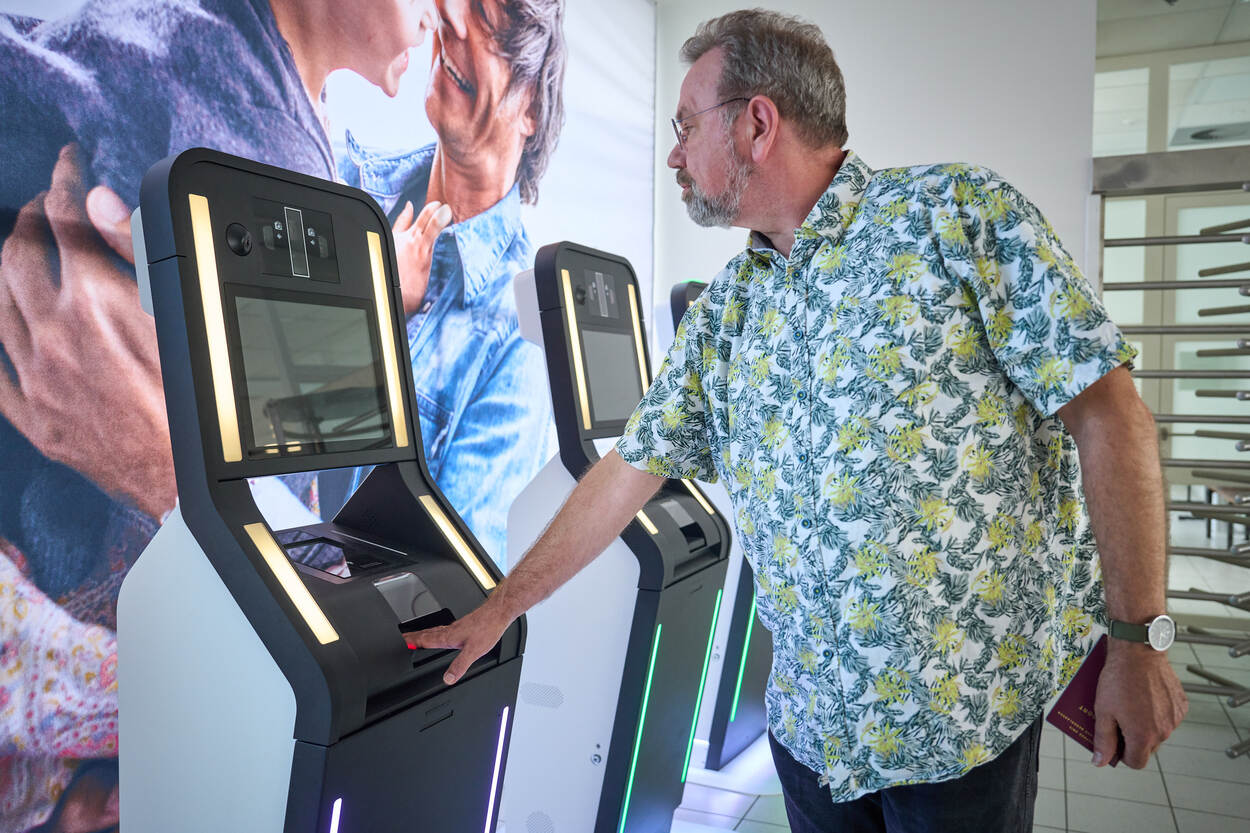
Travellers entering the Schengen Area for the first time now need to provide personal information at the border, including a facial photograph and fingerprints.
Instead of receiving a passport stamp, their details will be stored in a digital record that can be used for future trips.
The EU says the process could be faster for passengers who submit some information in advance through self-service kiosks or mobile apps, where available.
Even when using these, travellers will still have to see a border officer during the process.
For repeat travellers, border checks are expected to become quicker because facial images and fingerprints will already be stored in the system.
EES applies to travellers who need a short-stay visa as well as to those that are from visa-exempt countries outside the EU.
The EU says people with biometric passports may be able to use automated self-service gates without speaking to an officer, provided there are no issues with their travel record.
However, border officials will still have the authority to carry out additional checks or collect biometric data again if needed.
Featured image: Adobe Stock
Sign up for our newsletter and get our latest content in your inbox.


More from


October 17, 20264 min read