


GAO warns infrastructure gaps could stall electric aviation growth

3 min read

Despite rapid technological progress, the US Government Accountability Office (GAO) says major hurdles remain before electric aircraft can scale for commercial operations.
A report by the US watchdog has found that while electric aviation is advancing rapidly, airport charging infrastructure, regulatory uncertainty, and Federal Aviation Administration (FAA) workforce capability could slow commercial adoption.
The study found that airport infrastructure remains in its infancy. The GAO cited FAA data that revealed that by December 2025, only 47 airports in the US had identified electric aircraft charging facilities in their airport plans.

Many of these already have charging stations installed, and most (34 out of 47) are linked to the charging network developed by the electric aviation company BETA Technologies. BETA’s charging network in the US currently includes 52 active charging stations with a further 32 in progress.
What is holding airports back from investing in charging infrastructure?
Installation costs, uncertainty about future demand, and concerns about access to reliable electrical power were all cited as major hurdles to investment in the necessary on-the-ground infrastructure.
The GAO’s report found that airports could see a drop in revenue from traditional aircraft fuelling operations as electric aircraft activity increases.
In response, the Department of Transport (DoT) said this could be addressed through a mechanism for collecting revenue from the provision of electricity, such as an electricity charge fee, similar to a fuel flowage fee.
The American Association of Airport Executives (AAAE) has similarly urged Congress to ensure that new entrants to the National Airspace System, including electric aircraft operators, help pay for air traffic control services and the infrastructure needed to accommodate their operations.
Lithium-ion batteries pose an additional fire risk
With electric aircraft batteries posing a potential electrical fire hazard, airports have also underscored the need for additional FAA guidance on aircraft rescue and firefighting training to respond to such fires.
According to the GAO, the FAA’s firefighting techniques for Advanced Air Mobility aircraft are unknown. Guidance needs to be developed for responding to lithium-ion battery fires, as current procedures are impractical for electric aircraft.
Safely and efficiently integrating electric aircraft into airport operations also presents significant challenges – spanning airspace management, ground movement, departure sequencing, and final approach procedures.
While the FAA is currently evaluating electric aircraft and engine designs for certification on a case-by-case basis, the US regulator has yet to certify an electric aircraft for commercial operations. The GAO report did, however, highlight that the FAA is considering long-term regulatory changes that could standardise how it evaluates these products.
These regulatory changes would lead to the development of dedicated airworthiness standards for electric vertical take-off and landing (eVTOL) aircraft, which could standardise the approach to evaluating these products in the long term.
Workforce shortages underpin regulatory obstacles
Underpinning these regulatory challenges is a workforce gap. GAO identified a shortage of FAA staff with expertise in electric propulsion and limited standardisation in the certification process.
While FAA officials stated they have hired engineers in disciplines including propulsion and emerging technologies, GAO cautioned that more comprehensive workforce planning will be required as electric aviation matures.
The GAO’s findings come as electric aircraft developers, including Joby Aviation, Archer Aviation, Heart Aerospace, Electra, BETA Technologies, and ZeroAvia, continue to pursue certification and entry into commercial service.
The fully electric and hybrid-electric aircraft currently under development are designed primarily for short- and medium-range flights.
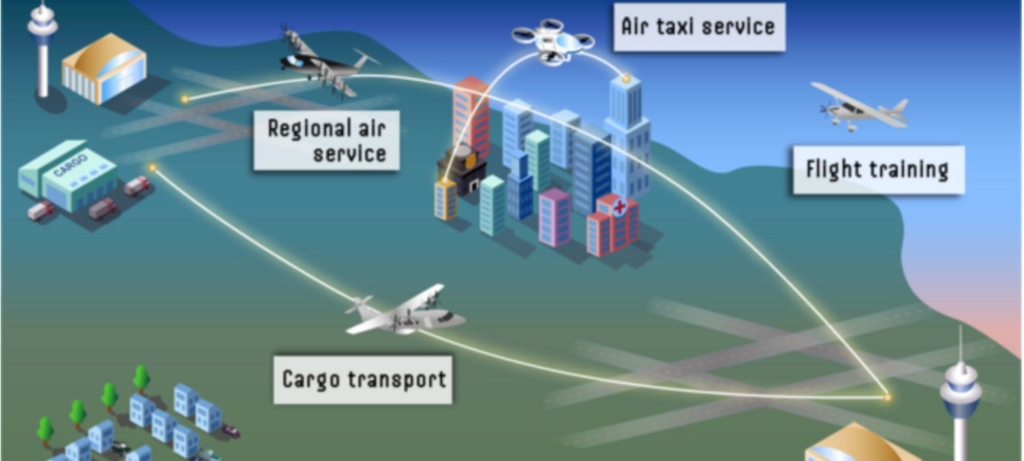
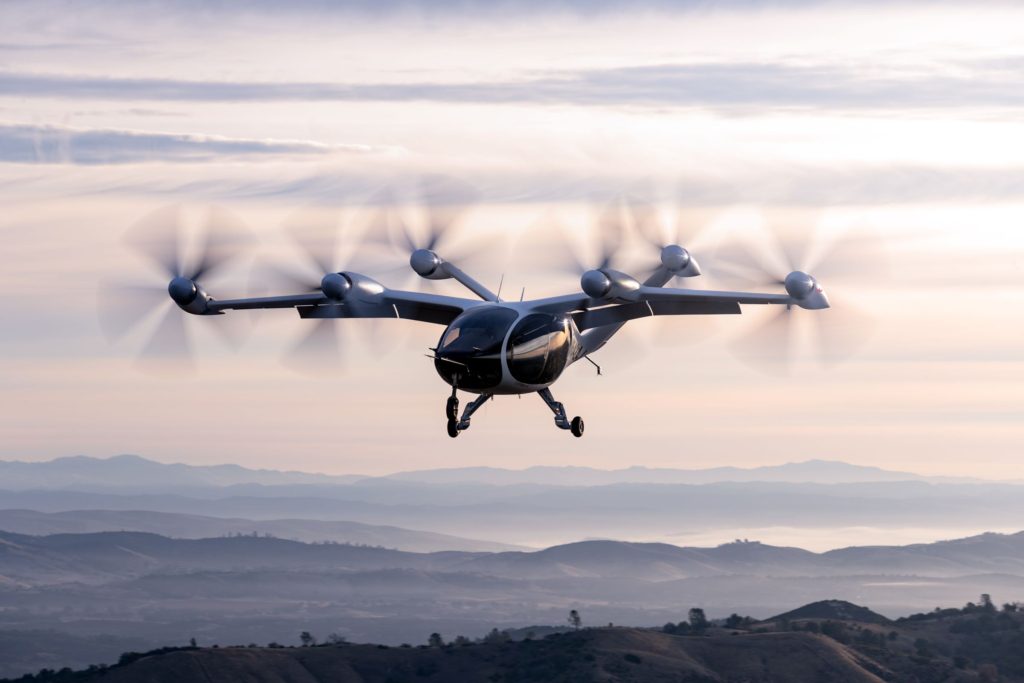
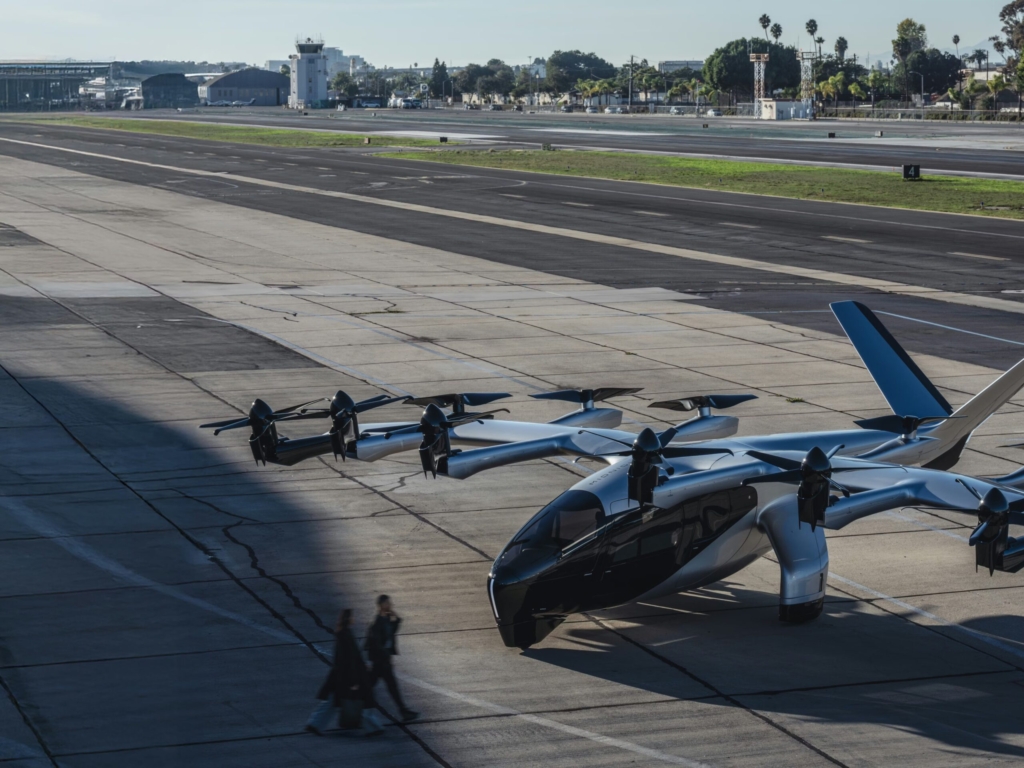
Manufacturers such as Joby and Archer are developing eVTOL aircraft to provide air-taxi services that transport several passengers at a time over short distances in urban areas.
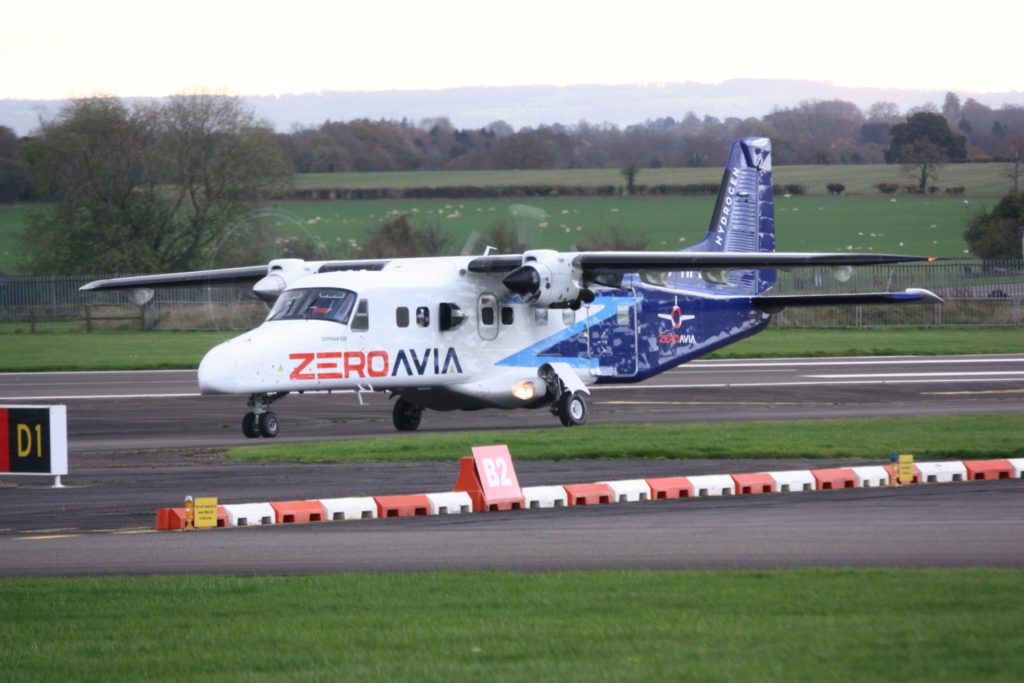
Meanwhile, companies such as Surf Air Mobility, Heart Aerospace, and ZeroAvia are developing larger electric aircraft or engines for larger aircraft that could provide regional air passenger services to smaller airports.
Elsewhere, electric aircraft could be used to deliver cargo and packages, in general aviation for pilot training, and for medical transport.
Despite the challenges, the GAO underlined the potential of electric aircraft, including lower operating costs, greater access to air service for regional airports, and a reduced environmental impact and noise pollution. When large-scale commercial operations begin, however, remains largely uncertain.
Featured image: Ampaire
Sign up for our newsletter and get our latest content in your inbox.




More from


September 21, 20263 min read


