


Israel’s F-35I fuel tank programme revives stealth versus range debate

6 min read
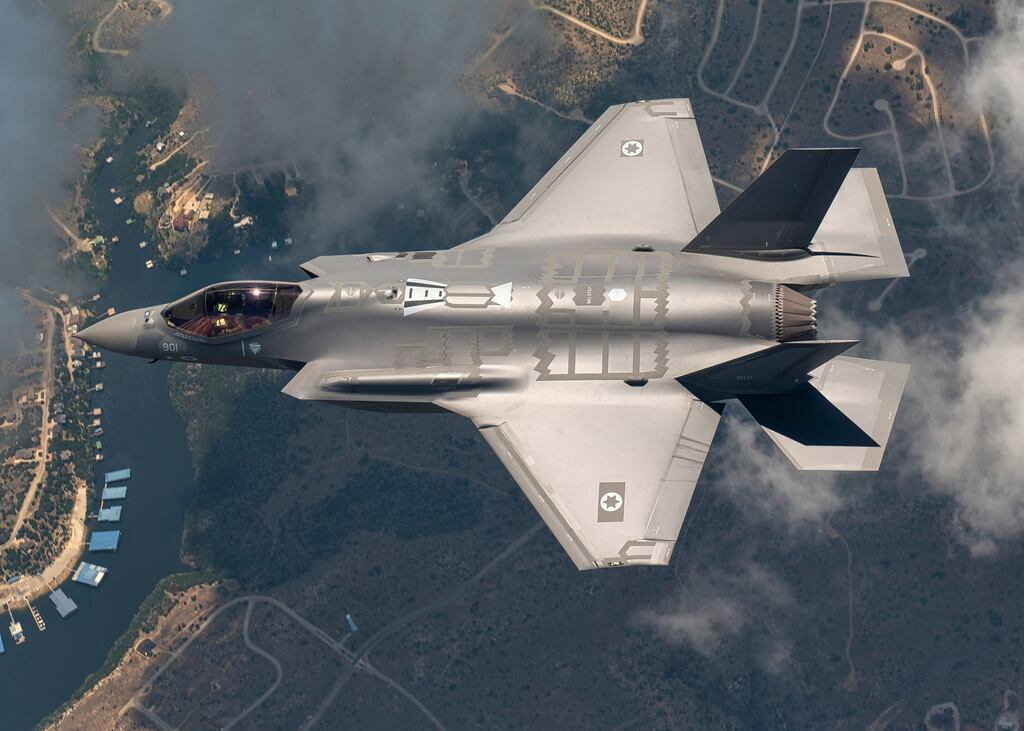
Israel is moving ahead with plans to equip its F-35I Adir stealth fighters with external fuel tanks, reopening a long-running debate in combat aviation over how fifth-generation fighters balance stealth with the need for greater range.
The Israeli Ministry of Defence signed a contract worth more than $34 million with Cyclone, a subsidiary of Elbit Systems, to develop and integrate an extended-range capability for the Lockheed Martin-built F-35I.
The new tanks will be based on an existing Cyclone design originally developed for the F-16.
Officials said the upgrade is intended to extend the aircraft’s operational range, reduce dependence on aerial refuelling and improve operational flexibility during long-range strike missions.
The move follows extensive Israeli Air Force combat operations involving the F-35I during long-range strikes against Iran over the past two years.
Those operations again highlighted one of the central challenges facing modern stealth fighters: range.
Israel pushes for longer-range F-35I strike operations
The F-35 was designed around stealth and internal fuel carriage rather than maximum external payload or endurance.
While the aircraft carries significant internal fuel compared with earlier fighters, long-range operations across the Middle East still place heavy demands on tanker support.
That issue became more visible during Israeli operations against Iran.
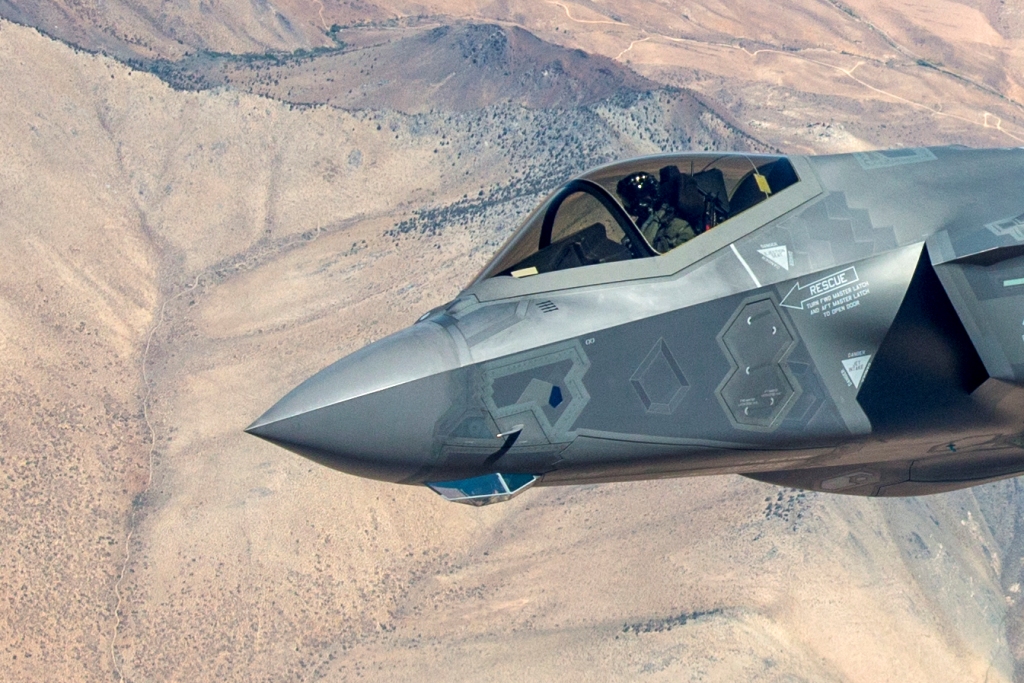
According to reports cited in multiple defence publications, Israeli F-35Is often returned from strike missions with very limited fuel margins after operating at the edge of their endurance envelope.
Israel’s tanker fleet also remains relatively small.
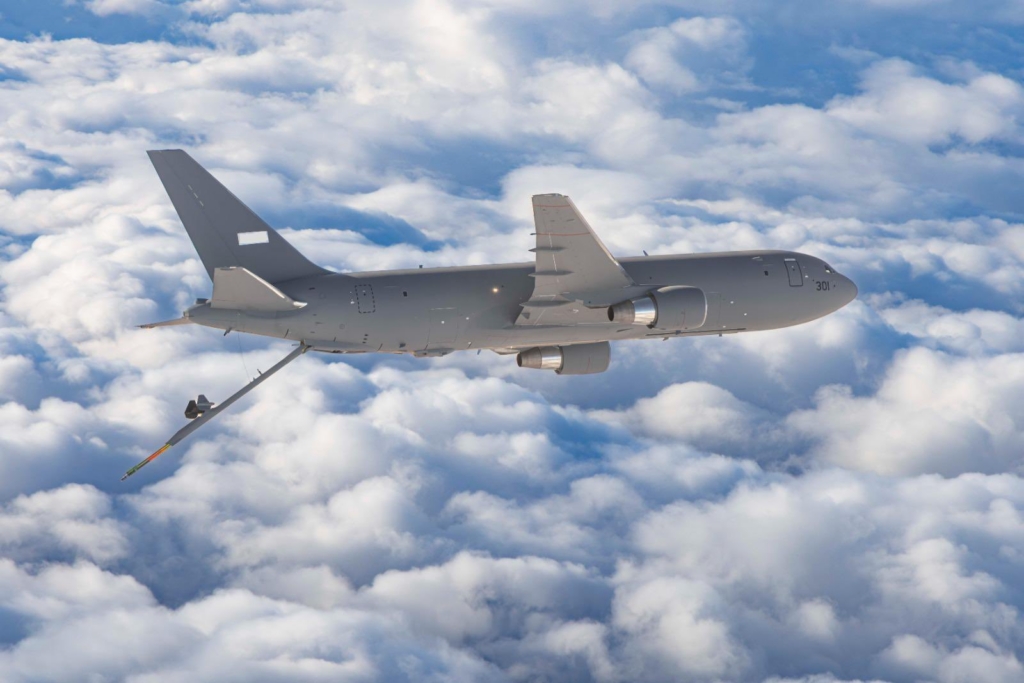
The Israeli Air Force currently operates only a limited number of ageing Boeing 707 tanker aircraft while awaiting the arrival of newer KC-46 Pegasus tankers.
A strike package that requires fewer tanker aircraft is generally considered more flexible and potentially more survivable, particularly in contested airspace where large support aircraft remain vulnerable.
“The new capability is expected to extend the aircraft’s operational range, reduce reliance on aerial refuelling, and enhance operational flexibility across long-range missions,” Elbit Systems said after the contract announcement.
The Israeli Ministry of Defense described the project as part of a broader force-build-up effort intended to prepare the country for what officials called an “intense security decade ahead”.
External fuel tanks complicate stealth fighter design
The decision is significant because stealth aircraft are normally designed to minimise external shapes and protrusions that increase radar visibility.
Adding external fuel tanks inevitably affects those low-observable characteristics.
That is why most fifth-generation fighters were originally intended to operate primarily with internal fuel and internally carried weapons during high-threat missions.
The precise design selected for the Israeli F-35I has not been disclosed.
However, the references to existing F-16-derived Cyclone designs strongly suggest some form of external drop tank rather than fully integrated conformal tanks.
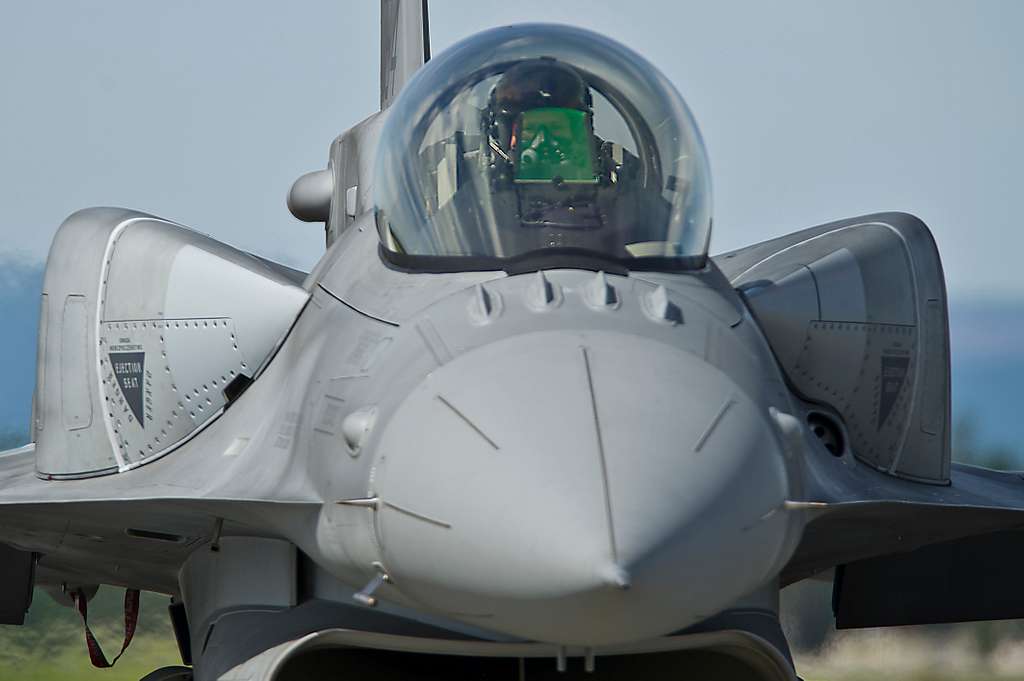
Conformal fuel tanks, or CFTs, differ from traditional drop tanks because they are shaped to fit closely along the aircraft fuselage rather than hanging beneath the wings.
The design reduces drag and aerodynamic penalties while also lowering radar signature compared with conventional underwing tanks.
Lockheed Martin previously developed conformal fuel tanks for advanced F-16 variants, including the Block 50/52 and Block 60 aircraft.
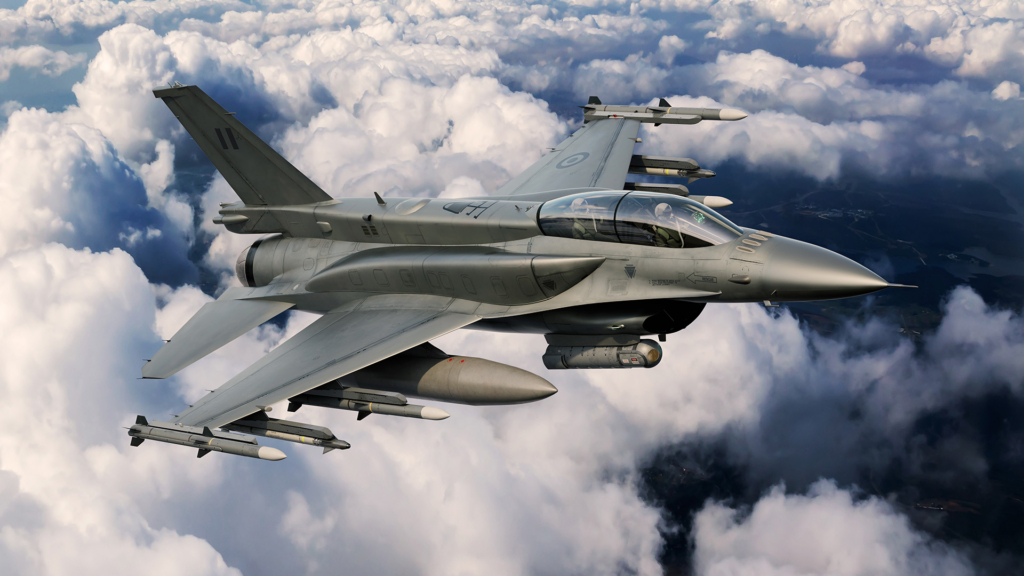
Mounted above the wing roots, the F-16 CFTs added roughly 450 gallons of fuel without occupying underwing weapon stations.
Israel has extensive experience operating F-16s and F-15s equipped with conformal tanks for long-range strike missions.
The Israeli F-16I Sufa, in particular, became closely associated with conformal tanks because of the country’s emphasis on extended-range regional operations.
Lockheed Martin has studied F-35 fuel tank concepts for years
The idea of fitting external tanks to the F-35 is not new.
Lockheed Martin has studied several fuel tank concepts for the aircraft over the past decade, including streamlined underwing tanks ranging between 460 and 600 gallons.
Earlier studies involving 480-gallon and 460-gallon tanks were eventually abandoned after aerodynamic and store-separation problems emerged.
The additional drag also reduced some of the expected range gains.
Israeli industry has separately explored both conventional external tanks and conformal designs for the F-35I.
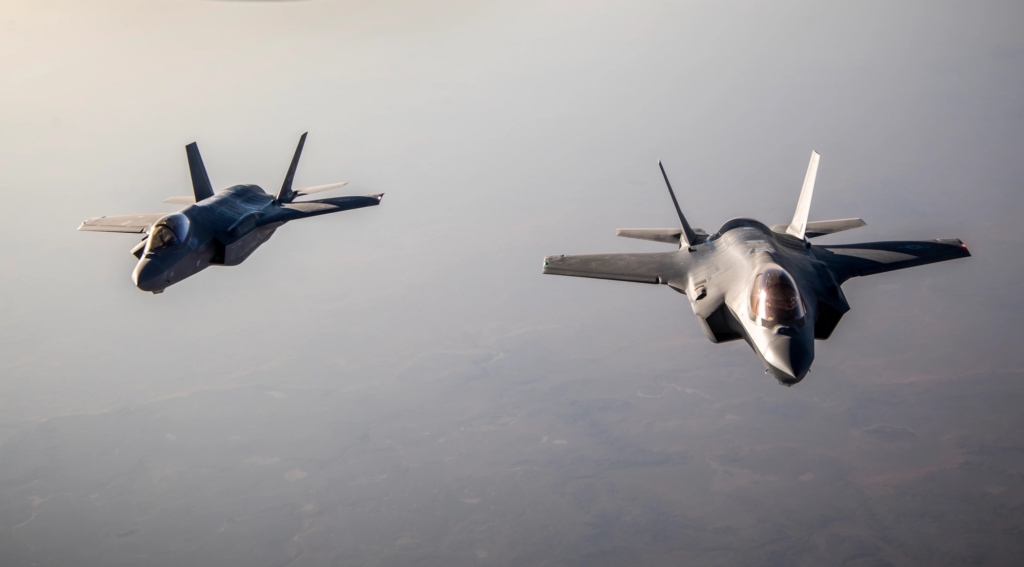
Aviation Week previously reported that Israel Aerospace Industries and Cyclone had worked on both conformal tank concepts and larger external tank designs for the aircraft.
The Israeli-specific F-35I already incorporates locally developed electronic warfare systems and indigenous weapons integration, making it one of the most heavily customised variants of the aircraft in service.
Israeli Ambassador to the United States Yechiel Leiter said earlier this year that Israel had “developed fuel tanks that extend the aircraft’s range without compromising stealth”.
Exactly how that balance is achieved remains unclear.
According to The Jerusalem Post, the upgraded aircraft will undergo extensive testing to determine how the tanks affect the aircraft’s stealth characteristics.
The F-22 Raptor is also moving towards stealthier external fuel tanks
The wider debate over range and stealth is not limited to the F-35.
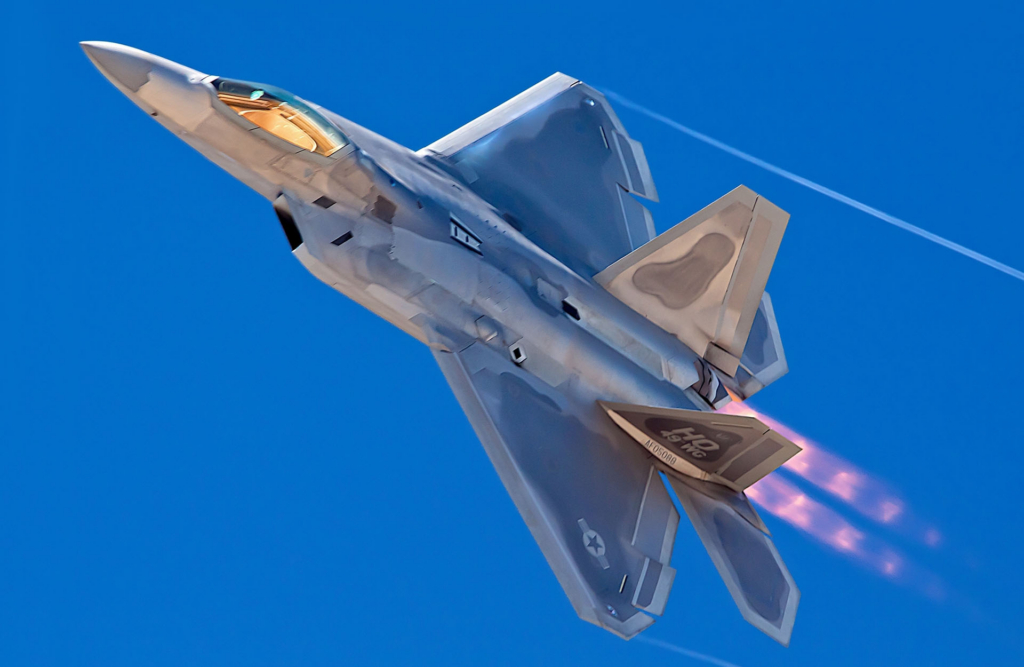
As first reported by The War Zone (TWZ), Lockheed Martin is also developing stealthier external fuel tanks for the F-22 Raptor under the aircraft’s “Raptor 2.0” upgrade effort.
A scale model displayed earlier this year showed the F-22 fitted with new faceted low-drag fuel tanks and underwing infrared sensor pods.
Lockheed Martin's F-22 Raptor Model Features Low-Observable Fuel Tanks and Infrared Sensor Pods pic.twitter.com/ztIaOPksQj
— Army Recognition (@ArmyRecognition) February 24, 2026
The new tanks are intended to improve the F-22’s range during future Indo-Pacific operations, where the aircraft’s relatively short combat radius has long been considered a weakness.
Unlike conventional external tanks, the new F-22 tanks are designed with low-observable shaping intended to reduce radar signature penalties.
According to TWZ, Lockheed Martin expects the F-22 to potentially enter combat carrying those tanks in certain scenarios.
The approach reflects a broader shift underway in combat aviation.
For years, stealth aircraft design focused heavily on minimising radar signature above all else.
But growing operational distances, particularly in theatres such as the Indo-Pacific and Middle East, are forcing air forces to reconsider how stealth fighters balance survivability, endurance and operational reach.
Long-range strike operations are reshaping stealth fighter strategy
Israel’s decision to move ahead with external fuel tanks for the F-35I reflects those changing realities.
The Israeli Air Force has already demonstrated a willingness to compromise some stealth characteristics in exchange for greater strike flexibility.
During operations against Iran, F-35Is were photographed carrying external weapons in so-called “beast mode” configurations.
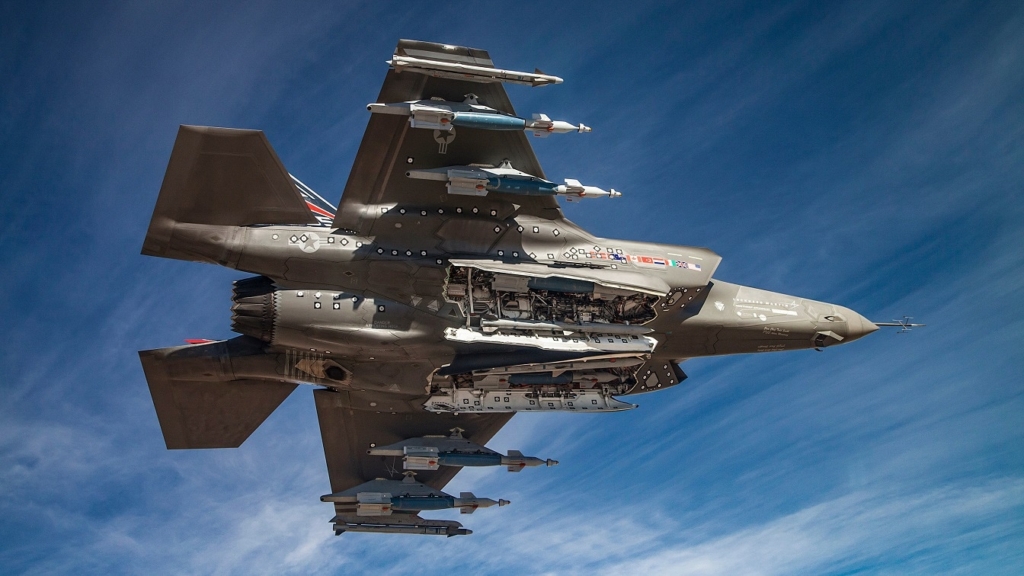
The aircraft also reportedly carried out long-range strike operations deep into Iranian airspace and participated in attacks on strategic infrastructure targets.
The latest fuel tank programme, therefore, represents more than a simple range upgrade.
It reflects a wider evolution in how stealth aircraft are increasingly expected to operate, not just as highly discreet penetration platforms, but as flexible strike aircraft capable of adapting to long-range operational demands even if that means accepting some reduction in low-observable performance.
Featured image: Lockheed Martin
Sign up for our newsletter and get our latest content in your inbox.


More from


September 17, 20265 min read

September 17, 20263 min read


September 18, 20263 min read

