


The B-52J explained: Why the US Air Force still believes in the Stratofortress

8 min read
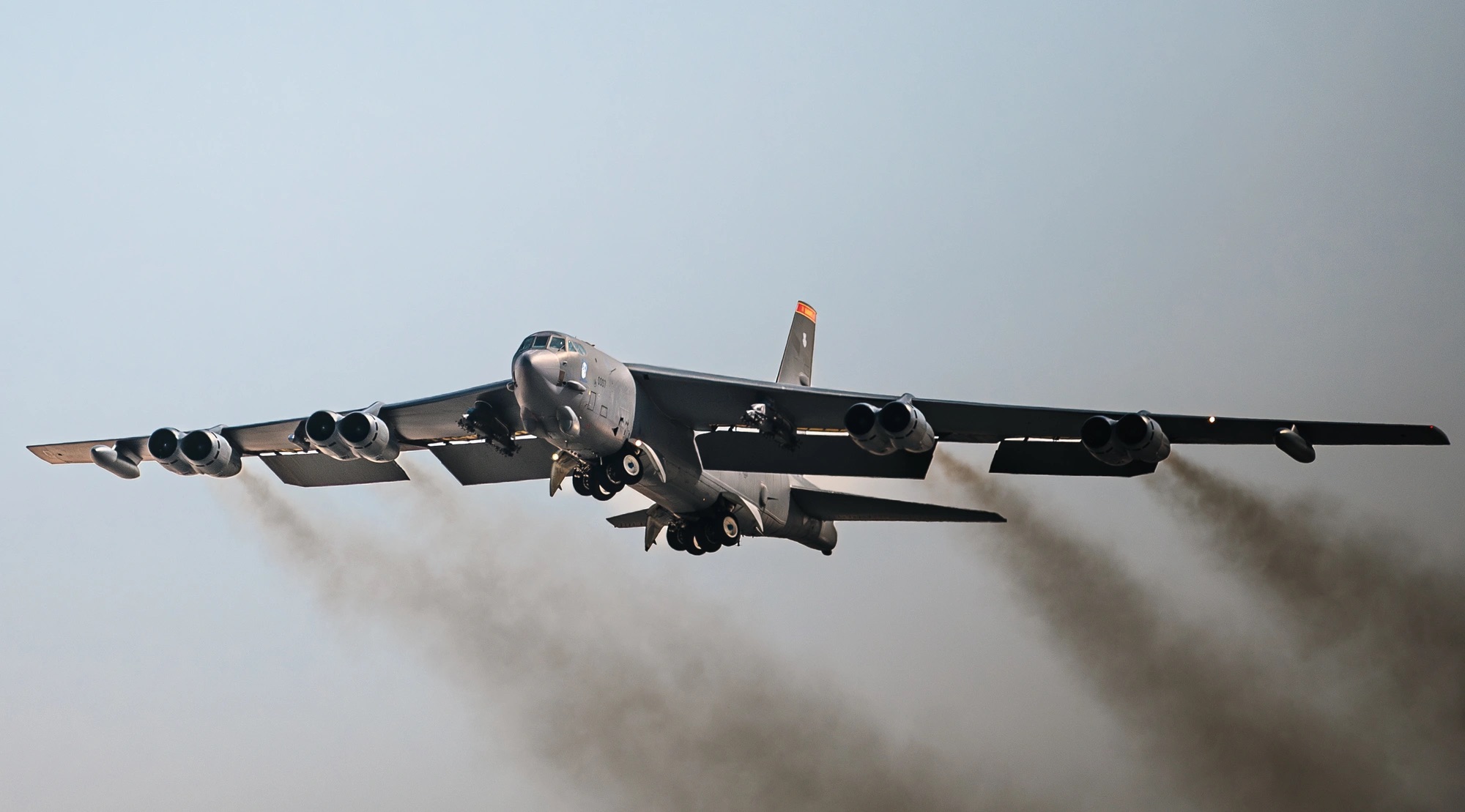
More than 70 years after the Boeing B-52 Stratofortress first entered service, the US Air Force is preparing to keep the bomber flying well into the 2050s.
That would make some airframes close to a century old by the time they retire.
At the heart of that effort is the B-52J modernisation programme, a sweeping upgrade intended to transform the Cold War-era B-52H into a more efficient, connected and survivable long-range strike platform.
The latest milestone came earlier this month when the Commercial Engine Replacement Program (CERP) passed its critical design review, clearing the way for modification work on the first two aircraft later this year.
The milestone itself is significant, but the bigger story is why the US Air Force continues to invest heavily in an aircraft designed in the 1950s while simultaneously fielding the stealthy B-21 Raider.
The answer lies in payload, range, flexibility and cost.
What is the B-52J and how different is it from the B-52H?
The B-52J is the future configuration of the current B-52H Stratofortress fleet. Rather than developing a completely new stand-off bomber, the Air Force has chosen to modernise all 76 operational B-52Hs with new engines, radar systems, avionics and electrical architecture.
“To ensure the Department of the Air Force maintains its long-range strike capabilities and credibility as a nuclear deterrent, the US Air Force is actively modernising its B-1, B-2, and B-52 bomber fleets. The sustainment of this long-range strike capability is integral until a sufficient number of B-21s are operational,” a US government official advised.
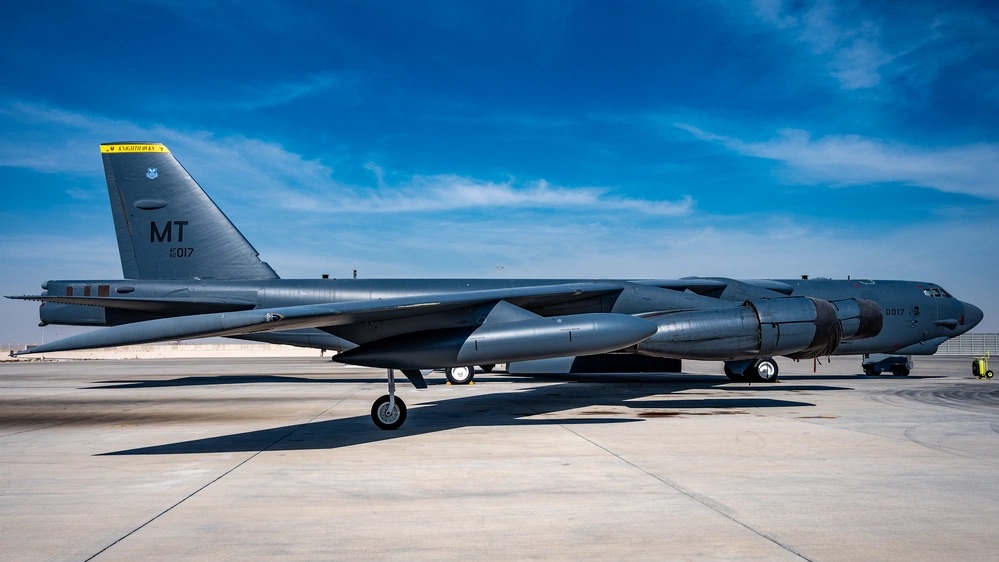
According to the Department of War Budget overview book for FY2027, as the backbone of the future bomber force, the Department of the Air Force is making a significant $6.1 billion investment in the B-21 program.
This funding supports engineering, manufacturing development, military construction, and aircraft production, along with modernisation and support activities to push the program to completion.
While the B-21 progresses, a comprehensive modernisation of the B-52, with $480 million allocated for new engines and radar, secures its role as a credible deterrent through 2050.
The budget also sustains and upgrades the B-1 and B-2 fleets, preserving their unique ability to penetrate contested airspace and ensuring the United States can project power and maintain
strategic stability at a moment’s notice.
New Rolls-Royce F130 engines are central to the B-52J upgrade
Although the aircraft’s unmistakable silhouette will remain largely unchanged, the systems beneath the skin are being comprehensively overhauled.
The most visible change is the replacement of the bomber’s ageing Pratt & Whitney TF33 engines, which date back to the early 1960s.
Those engines are increasingly difficult and expensive to sustain, with the Air Force warning they will become effectively unsupportable beyond 2030.
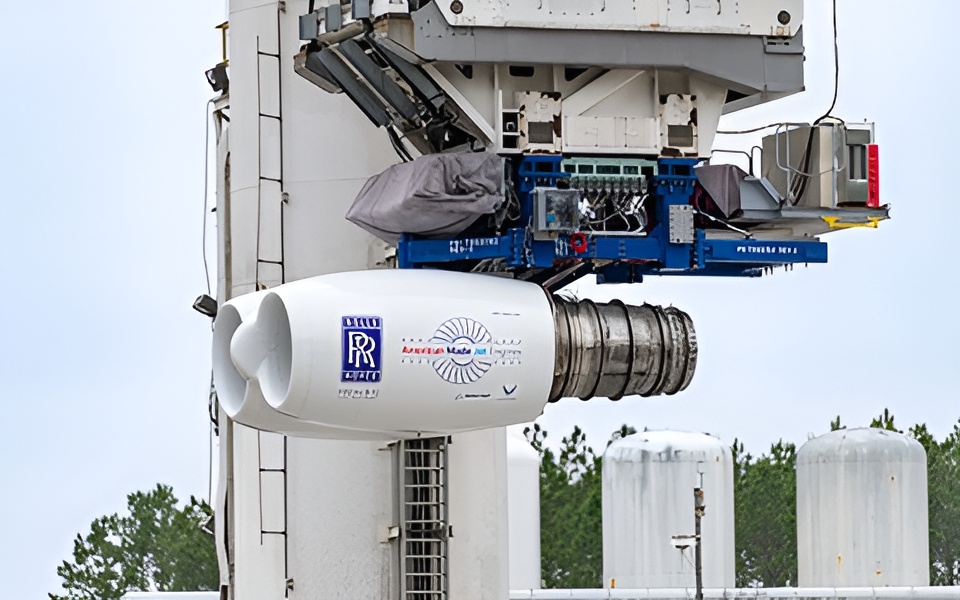
Under CERP, the TF33s will be replaced by eight Rolls-Royce F130 turbofans. The engine is derived from the BR725powerplant used on the Gulfstream G650 business jet and has accumulated more than one million flying hours since entering service in 2012.
Rolls-Royce will manufacture and assemble the engines in Indianapolis, where the company has invested heavily in modernised production infrastructure over the past decade.
The B-52J will also receive a new radar, upgraded communications systems, new navigation equipment, modern displays and broader avionics improvements.
Why the B-52J engine upgrade matters
The re-engining effort is the core of the B-52J programme.
According to the Air Force, the new F130 engines will deliver improved fuel efficiency, longer range, lower sustainment costs and significantly greater reliability than the current TF33s. They will also generate additional electrical power needed for future sensors and weapons.
The upgrade includes a modern generator for each engine, dramatically increasing onboard electrical capacity.
That matters because modern bombers increasingly depend on power-hungry electronic warfare systems, advanced communications suites and sensor packages.
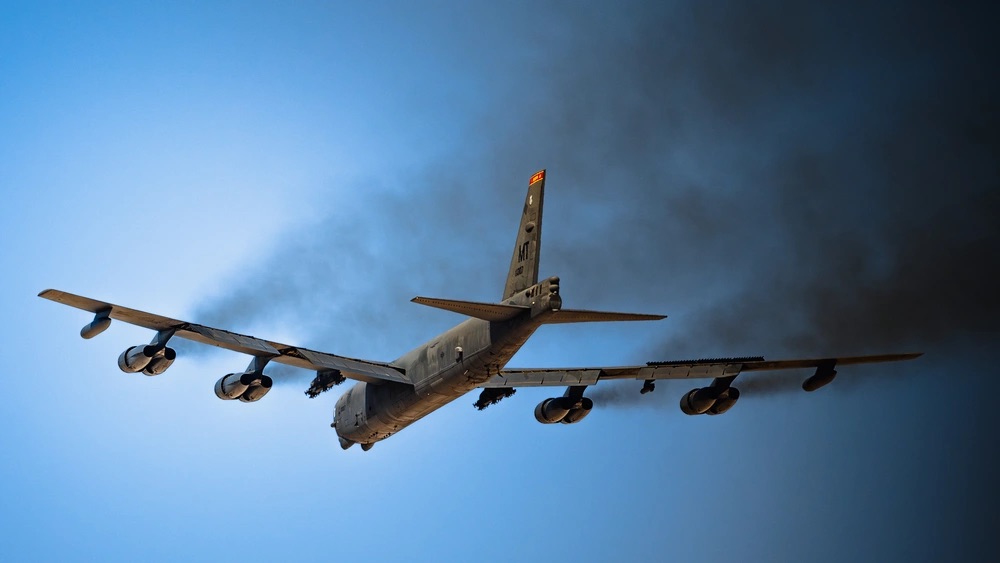
The first B-52H aircraft is scheduled to arrive at Boeing’s San Antonio facility later this year for modification work, with the second aircraft to follow afterwards.
After conversion into the B-52J configuration, both aircraft will undergo extensive flight testing at Edwards Air Force Base in California.
Lt Col Tim Cleaver, the programme manager within the Air Force Life Cycle Management Center’s Bombers Directorate, described the recent design review as the point where years of engineering work finally move into physical aircraft modification and testing.
“This CERP critical design review is the culmination of an enormous amount of engineering and integration work from Boeing, Rolls-Royce, and the Air Force that will enable the B-52J to remain in the fight for future generations,” said Lt. Col. Cleaver.

He described the CDR as a pivotal moment for the program.
“It’s that point that you go from having a concept turned into a design, to then turning that design into something physical—something that we will test and field for Air Force Global Strike Command,” Cleaver stated.
The B-52J radar upgrade could prove just as important as the new engines
Alongside the new engines, the B-52J will receive a modern active electronically scanned array radar.
The current B-52H fleet still uses a mechanically scanned radar dating back to the 1960s. The replacement system is expected to dramatically improve situational awareness, targeting capability and interoperability with allied aircraft.
The radar upgrade centres on the APG-79B4 AESA radar, derived from systems already used aboard the US Navy’s F/A-18 Super Hornet fleet.
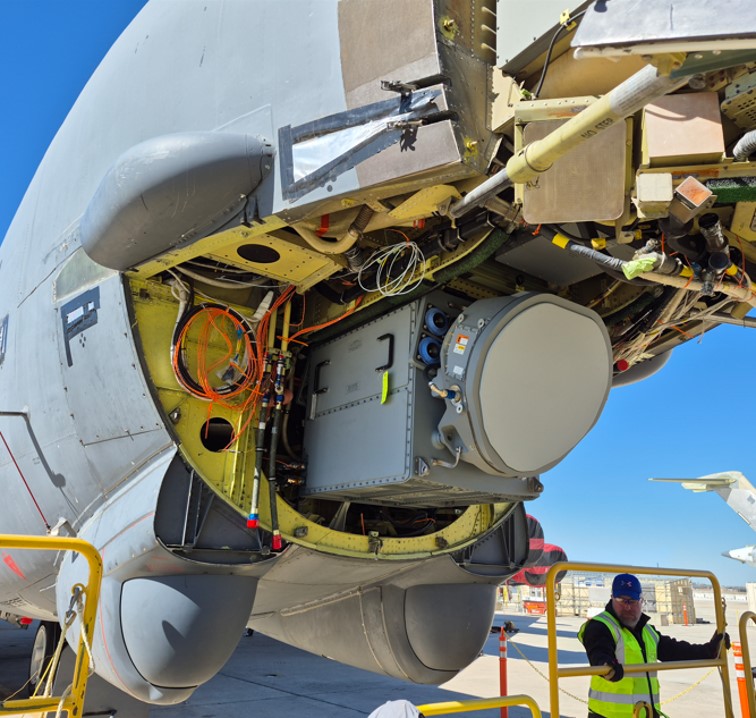
The radar will support synthetic aperture radar mapping, ground-moving target indication and improved air-to-air detection. It will also help the bomber guide weapons more effectively in flight and operate more seamlessly alongside coalition aircraft.
Flight testing of the new radar has already begun, with initial operational capability expected later this decade.
Why the US Air Force believes the B-52 still matters in the age of the B-21 Raider
The B-52 occupies a very different role from the stealth-focused B-21 Raider.
The Raider is designed to penetrate heavily defended airspace. The B-52, by contrast, remains the Air Force’s primary stand-off weapons truck. It can carry enormous payloads of cruise missiles, precision-guided munitions and future long-range weapons over intercontinental distances.
That combination of endurance and payload capacity remains difficult to replace.
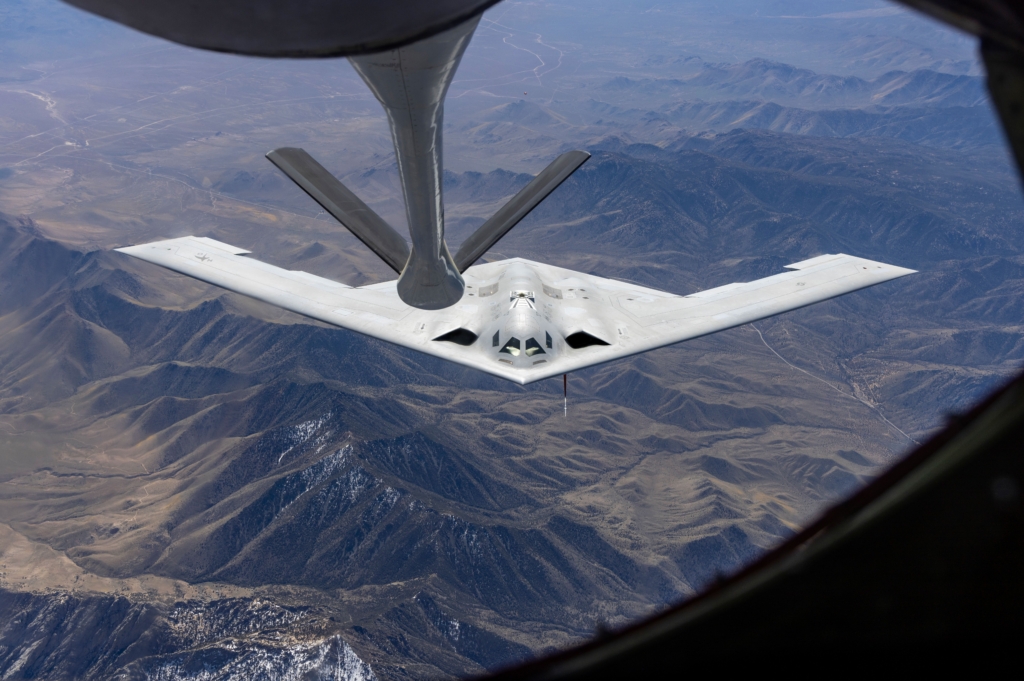
The Air Force is restructuring its bomber force around two aircraft types: the B-21 and the B-52J. As B-21 production increases, the service plans to retire both the B-1B Lancer and the B-2 Spirit fleets.
The B-52 also remains a central element of the airborne leg of the US nuclear triad. Its ability to launch nuclear-capable cruise missiles from outside heavily defended airspace continues to give it strategic relevance despite its age.
For the Air Force, upgrading an existing bomber fleet also avoids the cost and risk of developing an entirely new large stand-off strike aircraft.
Can the B-52 survive modern air defence systems?
The B-52 was never intended to survive by stealth. Even during the Cold War, its survivability increasingly depended on stand-off weapons, electronic warfare support and operating outside dense air defence envelopes.
That logic still applies today.
The B-52J is unlikely to operate deep inside highly contested airspace defended by advanced integrated air defence systems.
Instead, it will launch long-range cruise missiles and future stand-off weapons from safer distances while stealth aircraft such as the B-21 undertake penetration missions.
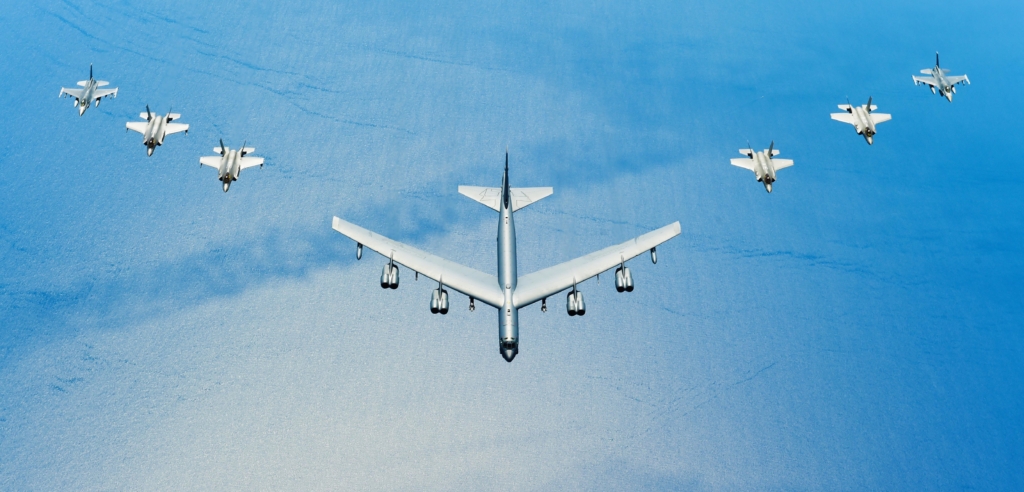
Its survival, therefore, depends less on invisibility and more on networked warfare, long-range weapons and escort support.
The new radar, improved avionics and greater electrical power generation are all designed to strengthen that role.
Delays and testing risks continue to challenge the B-52J programme
The B-52J effort has not been immune to delays.
The critical design review reportedly occurred around three years later than originally planned. Initial operational capability is now targeted for fiscal year 2033, roughly three years behind earlier schedules.
The Pentagon awarded Boeing a contract worth more than $2 billion in late 2025 to complete integration work and modify the first two aircraft.
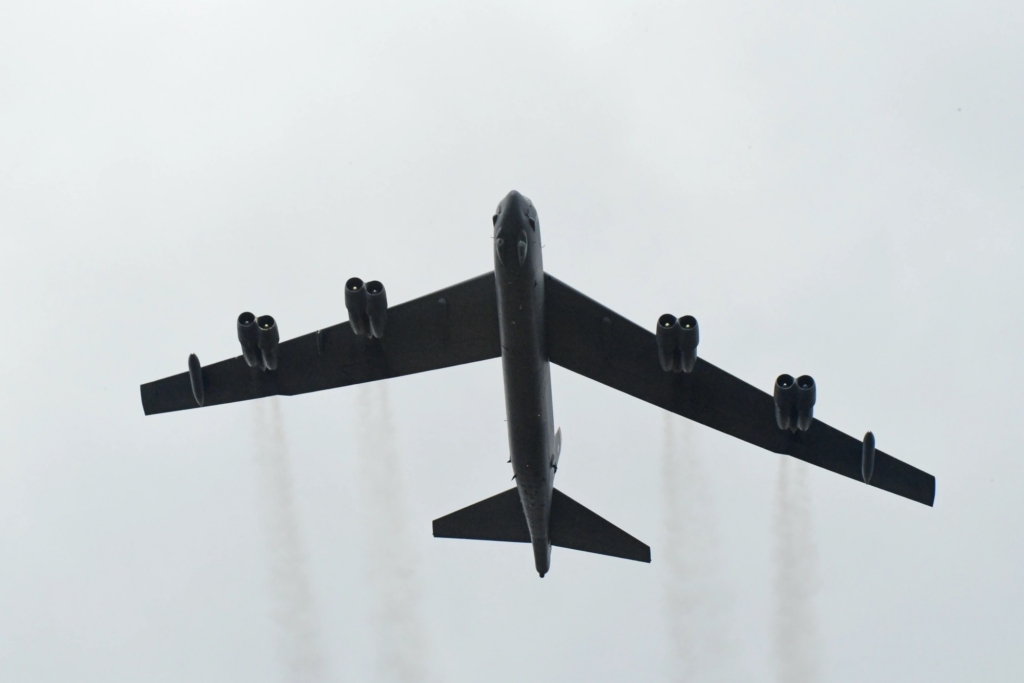
Since 1955, the B-52 has been a crucial backbone of the United States’ nuclear triad,” said Troy Dawson, Boeing vice president of Bombers programmes.
“This modernisation effort showcases our customer’s continued trust in a ‘peace through strength’ era. The new engines will enable the fleet to fly farther and longer, with improved reliability and maintainability while operating at a lower overall cost.”
How long will the B-52 remain in service?
The current plan is for the B-52J to remain operational into the 2050s and potentially beyond.
That longevity is remarkable even by military aviation standards. The aircraft first flew in 1952 and entered operational service in 1955.
Yet despite repeated predictions of retirement, the Stratofortress continues to evolve. From nuclear deterrence and close air support to maritime strike and stand-off missile operations, the bomber has adapted to successive generations of warfare.
The B-52J is unlikely to be the final chapter in that story. But it does underline a striking reality about modern airpower: sometimes the most enduring military platforms survive not because they are the newest, but because they remain adaptable enough to keep finding new roles decades after their designers first drew them on paper.
Featured image: USAF


