Oman Airports turns disruption into opportunity with transit and cargo boom

April 24, 2026
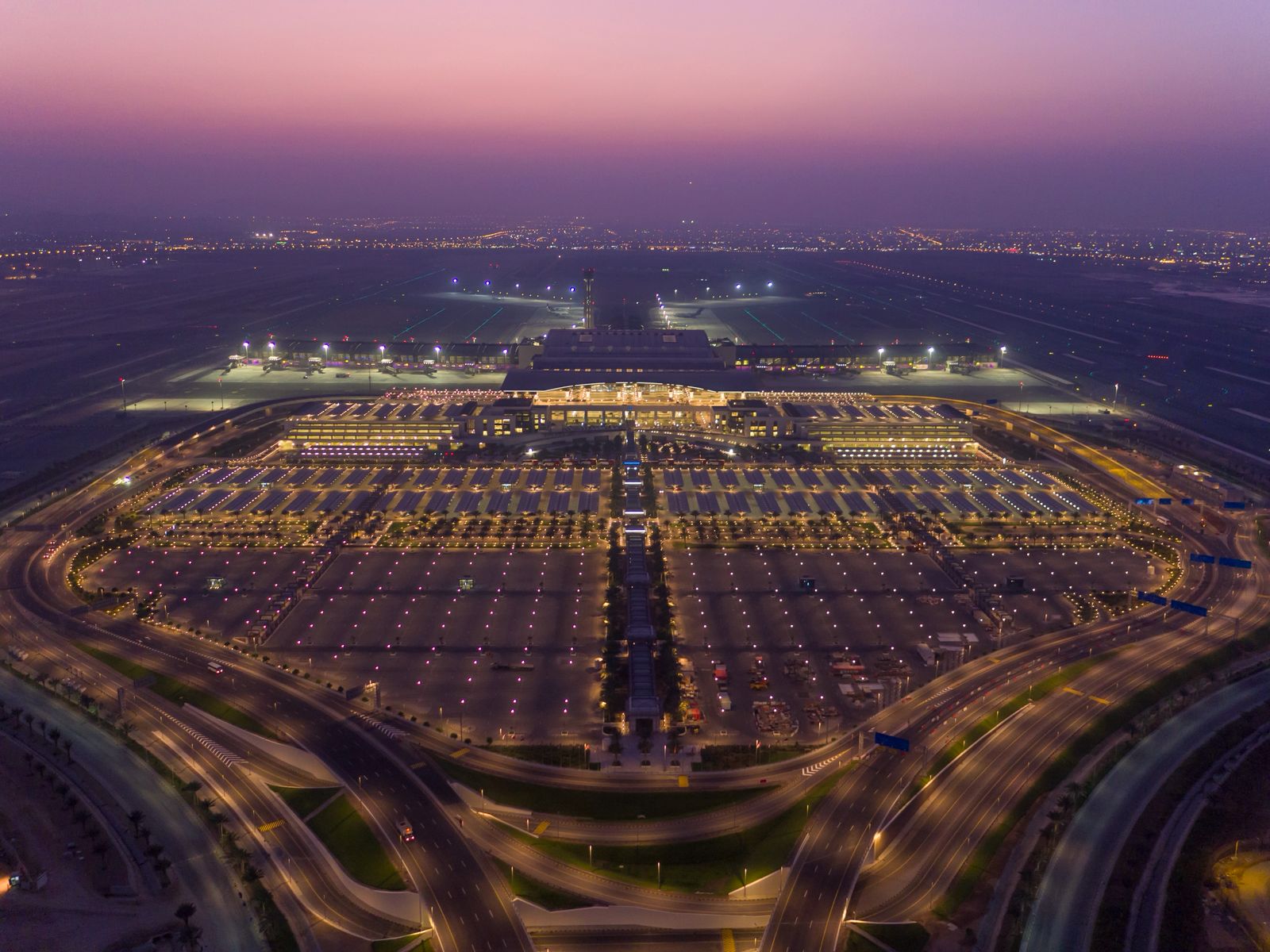
Air travel across the Middle East has been upended by the US-Israel-Iran conflict, but for Oman Airports the key to remaining operational throughout the fighting has been resilience and adaptability.
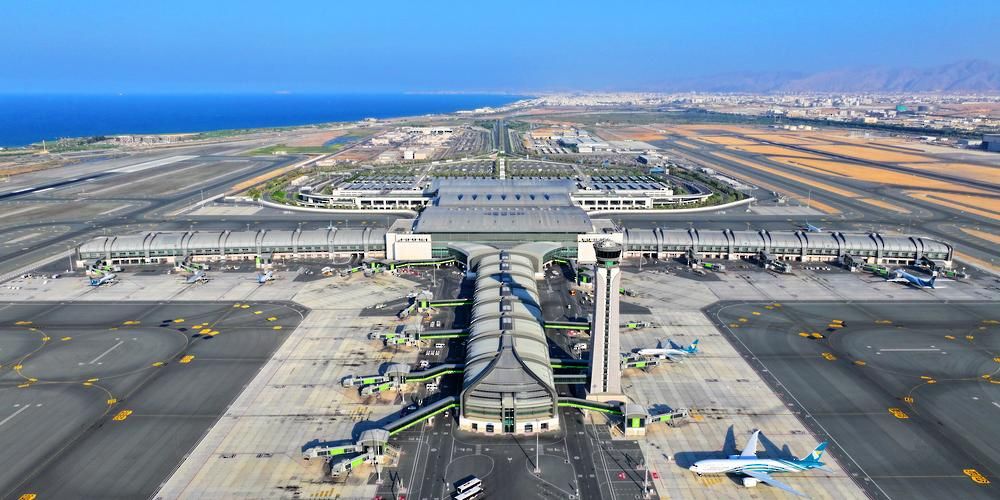
In the early days of the war, the international airport in Muscat emerged as a key transit point with many foreign airlines using the airport as a means of providing rescue flights for passengers stranded in nearby Dubai, Doha and Abu Dhabi.
Muscat Airport stays open throughout the war
As the war has rolled on, the Omani airport has remained open even when fighting has escalated. The operator said its operational readiness was being enhanced through the opening of additional check-in counters, along with the deployment of support and guidance teams to assist passengers.
Speaking at the Routes Asia 2026 conference in Xi’an, Jeremy Pennington, chief commercial officer, Oman Airports, said that the conflict was having a “significant and material impact” across the region and warned that no one, even Oman, was “immune”.
He said the key was to remain agile and adapt to the situation as it unfolded.
“We’re very fortunate in Oman that we have a very balanced view of the situation. We are proud of our neutrality and our ability to work with anyone and as a result of that, we do have an open air space corridor,” he said.
“We have continued to remain operational throughout everything that is happening here, but ultimately, we do see the impact as well. We have to adapt. We have to adjust, and our passenger traffic and our operational resilience has been tested as a result. We’ve been open through the entire period, but that doesn’t mean we’re immune.”
Shifting passenger traffic benefits Oman
Airspace closures across the Gulf have thrown a major flight corridor between Europe, Asia and Africa into disarray, forcing airlines to reroute services and cancel flights.
In this context, Oman Airports has seen an opportunity to provide another transit point in a part of the world that until now has not been short of megahubs.
“How do we adapt, with passenger traffic shifting, when we were mainly point to point [prior to the war]? Now we’re looking more at transit transfer volumes. We’ve actually noticed a fantastic shift in terms of China to Egypt and Africa growth as well.
“There’s a destination marketing element to this, which is the traveling public around Oman and the fact that it’s open, safe, secure, that our airspace has never been disrupted, that we do actually provide this corridor between the different continents.”
Oman’s ‘core strengths’ help airport weather disruption
There is another string to Oman’s bow in the form of readily available fuel. Warnings have been growing of a potential shortage of fuel around the world if the conflict continues.
But that is one knock-on consequence of the current crisis which Muscat International Airport does not need to be overly concerned about.
Pennington said: “When you’re adapting, you’re also looking at where your core strengths [are]. Those always come out in a crisis situation, and I think the first one in this case is building economic resilience in the supply chain.
“What are our strengths right now? We see that we have an unconstrained fuel supply; we’re actually up in terms of fuel and [we’re] supporting those in the region to keep flying.”
Oman Airports also sees an opportunity to offer alternative routings for disrupted freight shipments.
With its strategic location on the edge of the Gulf, and with convenient connections between Asia, Europe and Africa, Pennington said Oman Airports’ cargo tonnage has doubled since the conflict started.
He added that the airport was looking at ways to better support Oman’s vision of being the “warehouse of the world…and being the entry point into the GCC in particular.”
Featured image: Oman Airports