


Uganda Airlines resumes long-haul operations after grounded Airbus A330-800neo returns to service

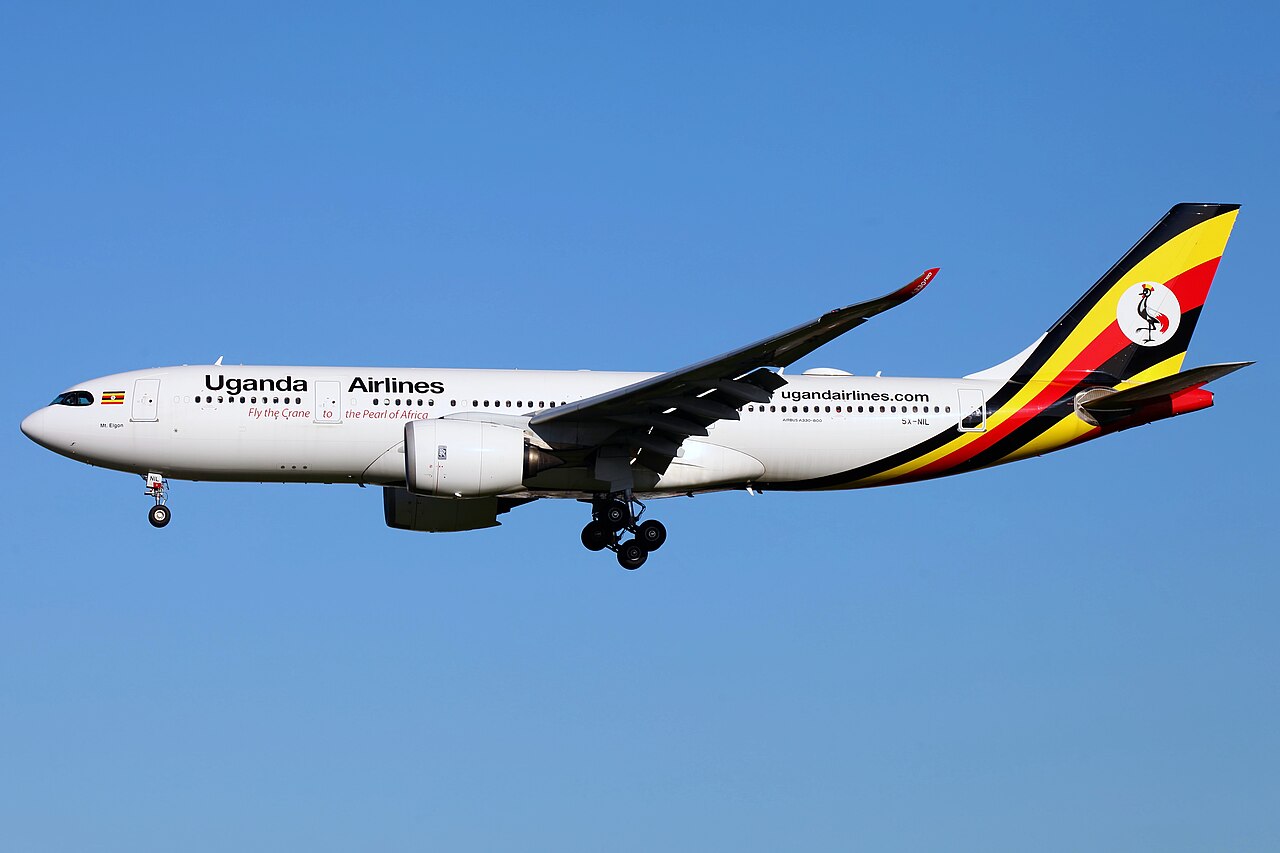
Uganda Airlines has resumed long-haul operations following the return of one of its two grounded Airbus A330-800neos to service. The planes, which form the backbone of the carrier’s fleet, have been out of service due to unscheduled maintenance, leaving both aircraft unavailable and forcing the carrier to use alternative capacity to maintain its flagship service to London Gatwick Airport.
Uganda Airlines A330-800neo 5X-NIL returns to service
Entebbe-based Uganda Airlines has returned one of its two grounded Airbus A330-800neos to service after a two-month hiatus. The aircraft, registered as 5X-NIL, flew an Entebbe (EBB) to Dubai (DXB) rotation on 17 April, marking the resumption of long-haul passenger services for the carrier after a period of enforced maintenance that saw both of the carrier’s A330neos rendered unserviceable.
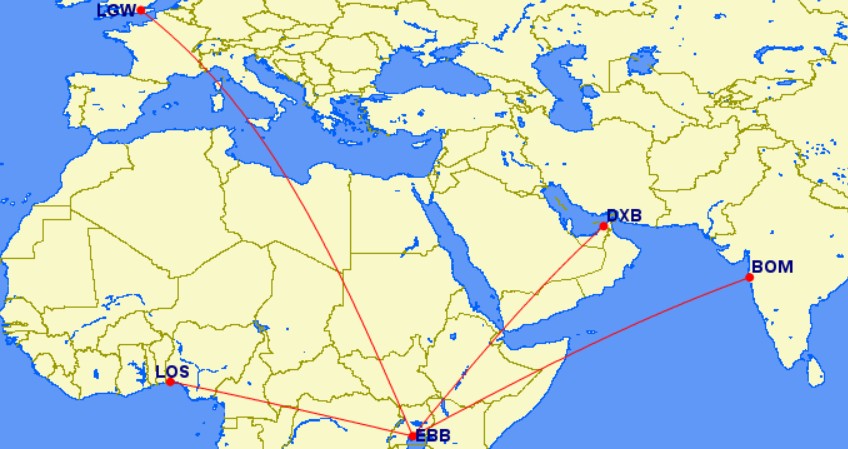
The return of 5X-NIL brings a partial close to a saga that had brought chaos to the airline’s international flight schedule. The airline normally uses its pair of A330-800neos to serve a small number of international destinations, including London Gatwick (LGW), Dubai, Mumbai (BOM) and Lagos (LOS).
However, the grounding saw operational strain triggering widespread cancellations, with thousands of passengers disrupted as a result.
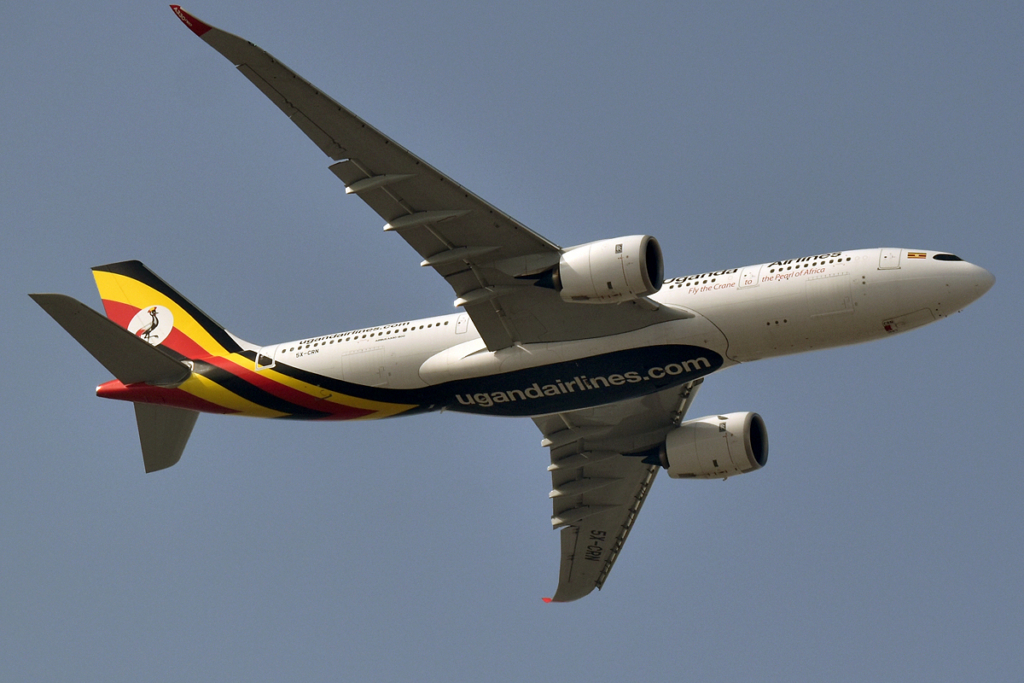
According to local news site Monitor, one of the affected aircraft (5X-CRN) was grounded on 11 January, awaiting unscheduled engine-related maintenance, and leaving the airline with limited capacity to operate its long-haul routes. While the fix was due to last 12–14 weeks, the aircraft remains grounded in Entebbe at the time of writing.
The airline’s second aircraft, 5X-NIL, was then reportedly grounded after a borescope inspection found cracks in engine blades, requiring urgent maintenance and forcing its withdrawal from service. According to Flightradar24, this aircraft last flew a commercial passenger service for the airline on 19 February from Mumbai to Entebbe, before returning to service in recent days.

In a statement issued by the airline on 20 April, the airline confirmed that one of its two A330-800neos had returned to service.
“We are pleased to announce the return to service of 5X-NIL, our Airbus A330-800neo. The aircraft successfully operated its first flight to Dubai on April 17, 2026, marking an important milestone in strengthening capacity across our international network,” the airline said.
“We extend our sincere appreciation to our customers, partners, and stakeholders for their continued patience and support as we remain committed to delivering safe, reliable, and efficient operations.”
With both aircraft temporarily unserviceable, Uganda Airlines had faced mounting pressure to maintain its international network. To maintain its flagship four-times-weekly service to London Gatwick Airport and ensure that its slots were retained under local ‘use-it-or-lose-it rules’, the airline sub-chartered an Ethiopian Airlines Boeing 787-8 to maintain services on the route while its own equipment was grounded.
The airline relies on its Airbus A330-800neos to be serviceable
The return of 5X-NIL to service marks a critical turning point for Uganda’s national carrier, which was plunged into an operational crisis following the dual A330-800 groundings. However, the temporary grounding has also highlighted the airline’s vulnerabilities in trying to operate a robust and growing long-haul network with just two aircraft.
Indeed, the A330 disruptions did not begin in February. As far back as 8 December 2025, 5X-NIL had operated a flight from Entebbe to Lagos and was grounded there for several days while engineers were dispatched to repair it.
With the grounding of 5X-CRN in January, followed by sistership 5X-NIL in February, public confidence in the airline took a massive hit, with multiple flights being cancelled while others were delayed, often for days rather than hours.
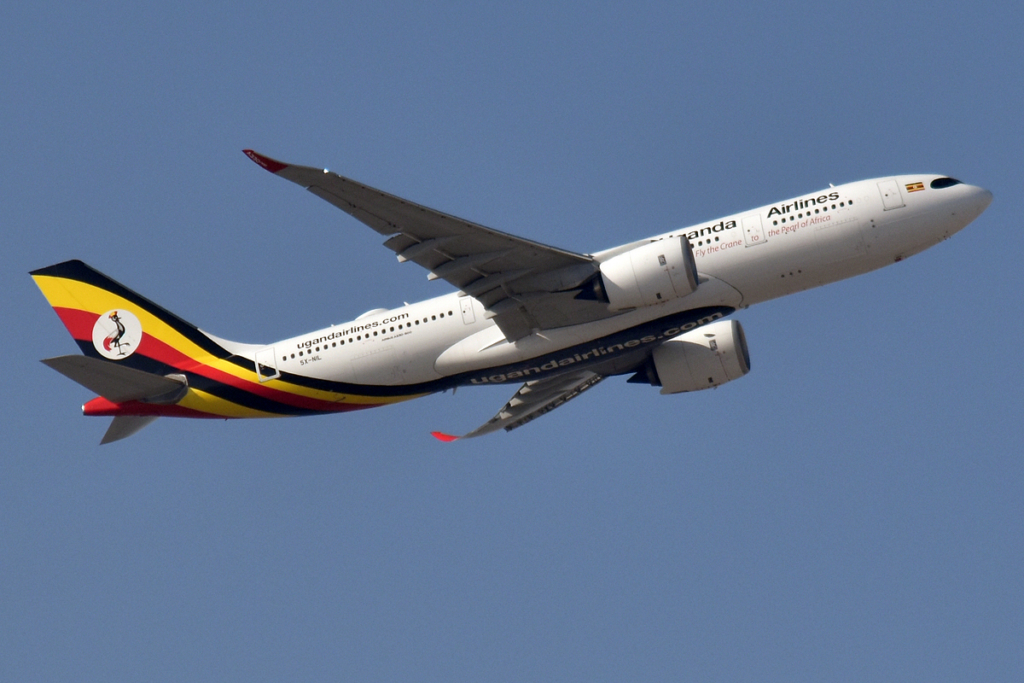
After bowing to mounting pressure, on 20 February, the airline issued a notice stating that it had suspended all long-haul operations, with both aircraft temporarily out of service due to unscheduled maintenance.
The crisis highlighted a structural weakness in the carrier’s operations that called for the two A330s to perform 11 long-haul rotations per week, leaving almost no margin for recovery if one aircraft suffered a technical fault.
As reported by Nile Post, the grounding of the A330s has also led to a loss of confidence among the Ugandan cargo community that relied on the widebody flights to export their produce to international markets.
According to the airline, its London flights left with full capacity cargo, with freight bookings sold out months in advance. Without this vital link, local producers had been forced to find alternative means of getting their goods to the European market.
Uganda Airlines has had a turbulent restart of operations
The original incarnation of Uganda Airlines operated from 1976 until it was wound up in 2001 due to excessive losses. Relaunching in 2019, Uganda Airlines set out on a path to become a major player in African aviation with the launch of international routes and an order for two Airbus A330-800neos. Its flagship route between Entebbe and London commenced in May 2025 and was seen as a major development in the carrier’s advancement.
However, in its six years of operations, the airline has struggled financially, losing money every year since its restart. Although there have been more recent signs of progress (the airline reported a 50% increase in total revenue in 2024, driven by a 58% surge in passenger numbers and a 55% growth in cargo volumes), the temporary withdrawal of its two A330-800neos will undoubtedly have negatively impacted the airline’s bottom line.
The A330 fleet crisis also followed significant leadership changes at the top of the airline. President Yoweri Museveni appointed Ethiopian aviation veteran Girma Wake in February of this year as a consultant, advisor, and acting chief executive, tasked with strengthening governance and institutional management until a permanent CEO is appointed in July 2026.
The leadership shift followed the dismissal of former acting CEO Jenifer Bamuturaki as part of a government effort to restructure the airline and address performance concerns. The airline is currently implementing a multi-year corporate strategy aimed at achieving operational break-even by 2027, with the recovery plan resting on three core pillars – fleet expansion, route optimisation, and aggressive cost management.
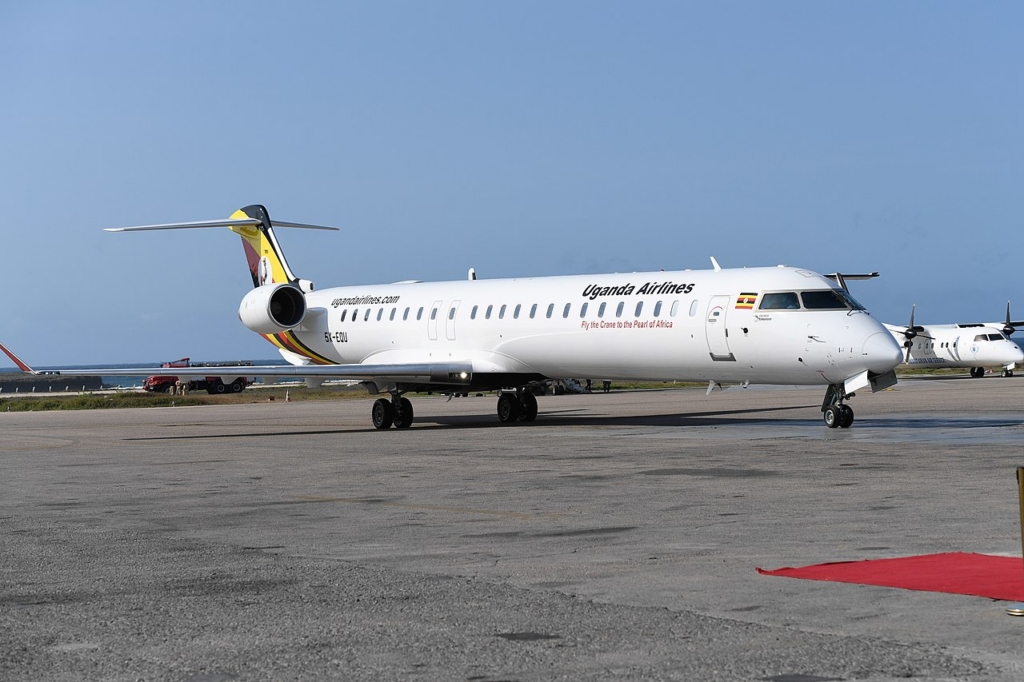
The airline is finalising a narrowbody order with Airbus for four additional aircraft (two A320-200neos and two A321-200neos) while it is also said to be in talks with Boeing about the potential purchase of 787 Dreamliners for future flights to China.
Featured image: Colin Cooke Photo / Wikimedia Commons


