


NASA launches Artemis II as humans head to the Moon for the first time since Apollo 17 in 1972

6 min read
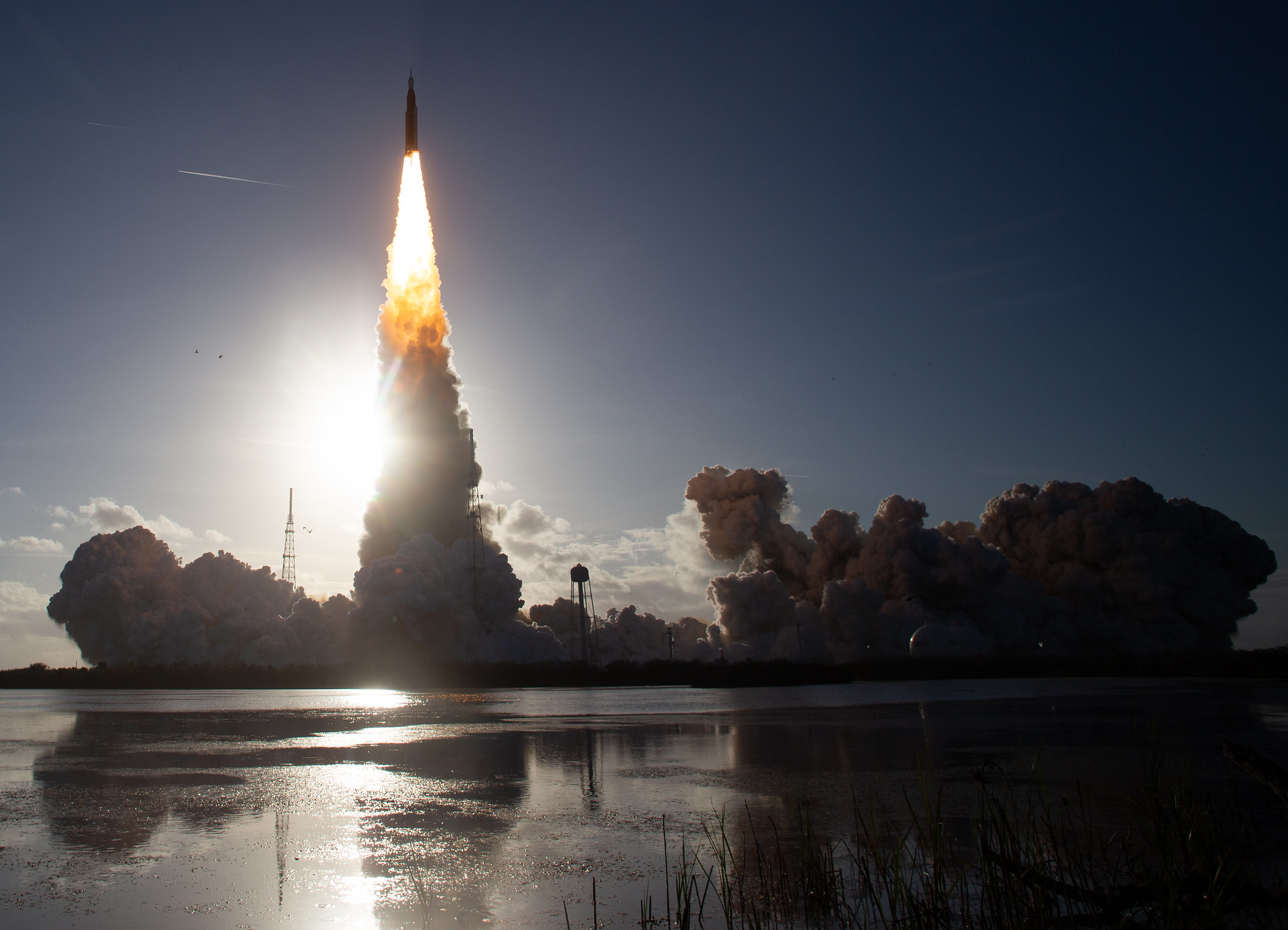
For the first time in more than five decades, humans are once again on their way to the Moon, after NASA’s Space Launch System roared to life at Kennedy Space Center, sending four astronauts aboard the Orion spacecraft into deep space.
Liftoff at 6:35 pm EDT (22:35 GMT) on 1 April marked the first crewed mission to lunar distance since Apollo 17 in 1972, signalling the start of a new phase in human exploration beyond low Earth orbit.
Artemis II crew confirmed safe after early communications glitch
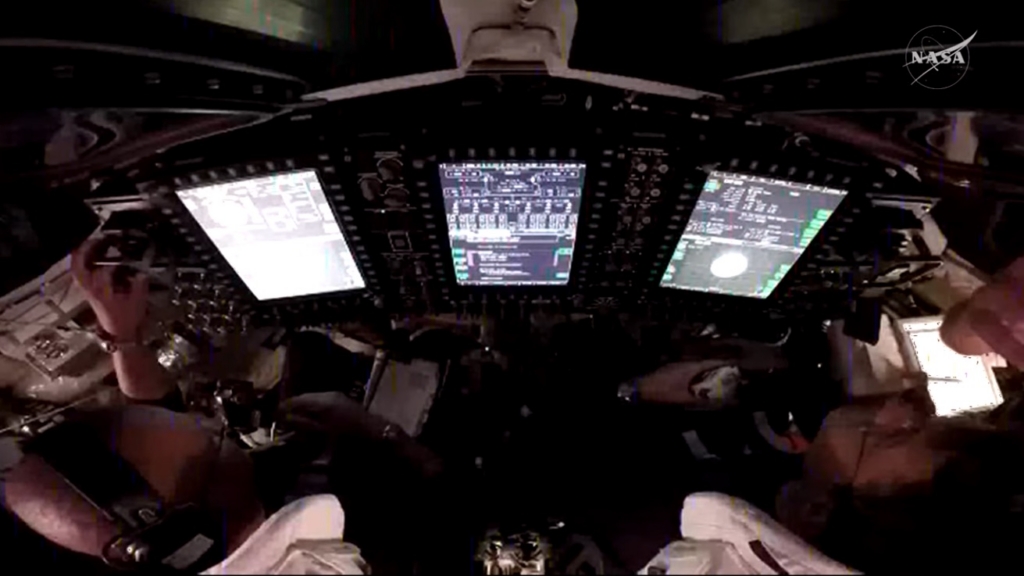
Shortly after launch, a temporary communications disruption during a planned satellite handover meant mission control could not hear the crew, even as astronauts continued receiving transmissions.
The issue was quickly identified and resolved.
“There were no issues with the vehicle itself,” NASA Administrator Jared Isaacman said, adding that communications had been restored and the crew was “safe, secure and in great spirits”.
He framed the mission in broader terms, describing it as a return to deep space operations.
“After a brief 54-year intermission, NASA is back in the business of sending astronauts to the Moon,” he said at a post-launch press conference, noting that celebrations would wait until the crew safely splash down.
The anomalies that delayed Artemis II before successful launch
The road to liftoff had been long and deliberate, marked by repeated delays and technical scrutiny.
Earlier launch opportunities, including a March window, were scrubbed after engineers identified a helium flow anomaly in the upper stage. The rocket was rolled back for inspection, adding to earlier disruptions caused by hydrogen leaks during fuelling tests.
Even in the final phase, teams addressed last-minute issues involving the flight termination system and a separate battery problem.
NASA Associate Administrator Amit Kshatriya said the team resolved the termination system issue by drawing on hardware from the Space Shuttle era.
“The team were really quick on their feet… this is what the training is for,” he said, adding that the response demonstrated the value of preparation under pressure.
By launch day, conditions had stabilised, with weather 90% favourable and all systems cleared in the final “go/no-go” poll.
How the Artemis II Moon mission launch unfolded
The hours leading up to launch followed a tightly choreographed sequence.
Engineers began fuelling early, loading hundreds of thousands of gallons of super-cooled liquid hydrogen and oxygen through carefully controlled phases designed to stabilise the propellants.
Meanwhile, the crew completed suit-up procedures before observing a long-standing NASA tradition, a pre-launch card game before heading to the pad.
Once aboard Orion, they carried out communications and suit integrity checks before the hatch was closed and sealed.
At T-10 minutes, the automated launch sequencer took over, transitioning the rocket to internal power and preparing the vehicle for ignition.
Liftoff.
— NASA (@NASA) April 1, 2026
The Artemis II mission launched from @NASAKennedy at 6:35pm ET (2235 UTC), propelling four astronauts on a journey around the Moon.
Artemis II will pave the way for future Moon landings, as well as the next giant leap — astronauts on Mars. pic.twitter.com/ENQA4RTqAc
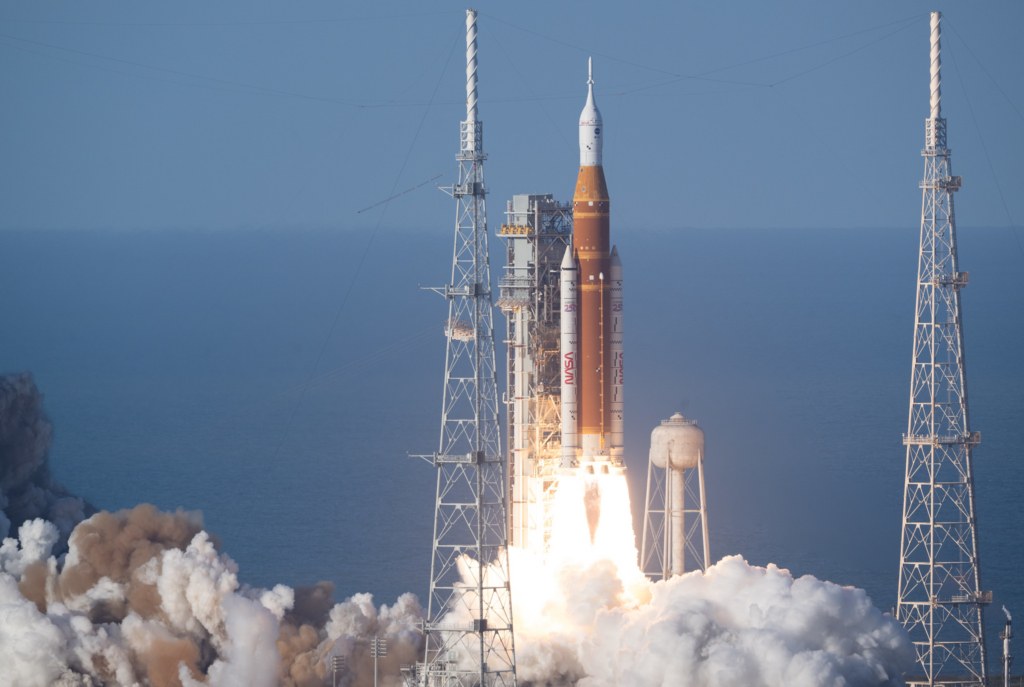
At T-0, the twin solid rocket boosters ignited, generating a total of 8.8 million pounds of thrust as the SLS lifted off.
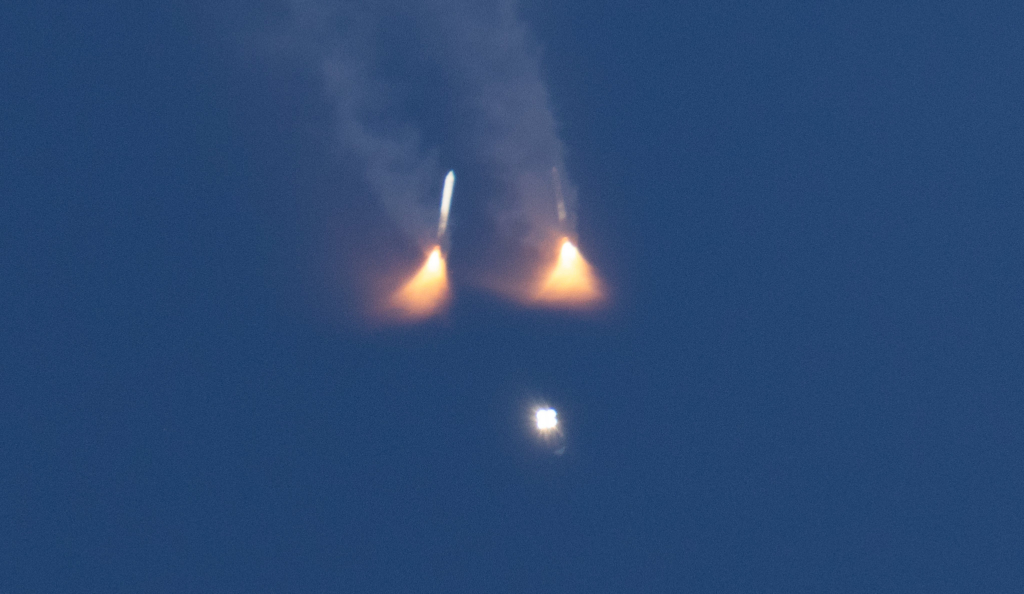
Within two minutes, the boosters separated as planned. The core stage continued firing until main engine cutoff just over eight minutes into flight, after which the upper stage took over.
During ascent, Commander Reid Wiseman radioed back, “Great view. We have a beautiful moonrise and we’re headed right at it.”
Orion’s solar arrays deployed successfully, and the spacecraft transitioned into flight mode as initial system checks began.
NASA plans to put the Orion spacecraft through its paces as part of the Artemis mission
With the spacecraft safely in orbit, Artemis II has now entered its most critical phase, a test campaign designed to validate systems for future lunar missions.
“Artemis II is a test flight, and the test has just begun,” Kshatriya said, noting that the crew would “put Orion through its paces” to build confidence for future landings.
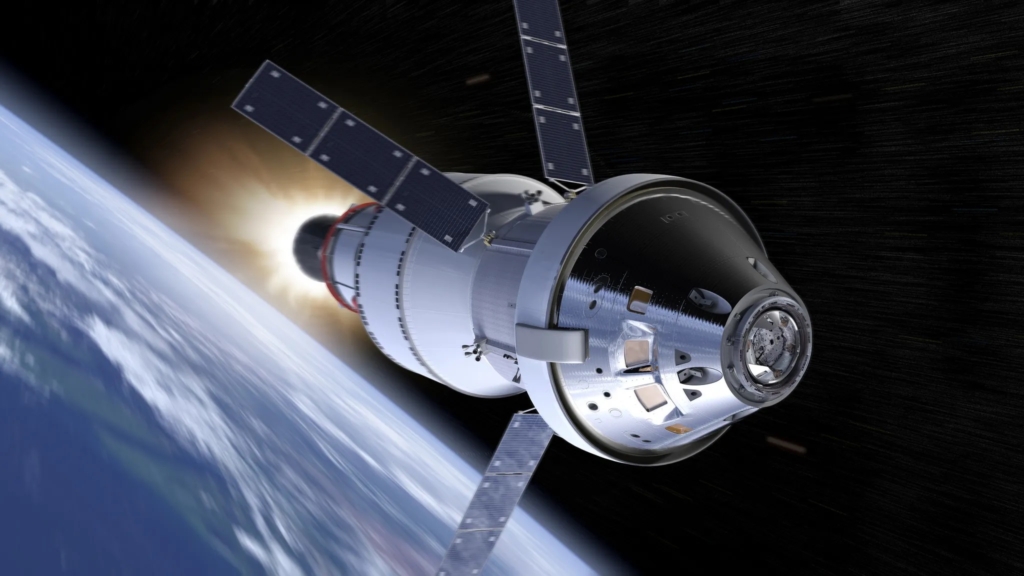
Over the next 24 hours, astronauts will evaluate life support systems, propulsion, avionics and overall spacecraft handling.
One of the key tests will involve manual proximity operations, where the crew will manoeuvre Orion relative to the upper stage.
“We’re going to not only fly the vehicle manually… but execute the six degrees of freedom,” pilot Victor Glover had said ahead of launch.
If all systems continue to perform nominally, mission control will authorise the translunar injection burn, sending Orion towards the Moon.
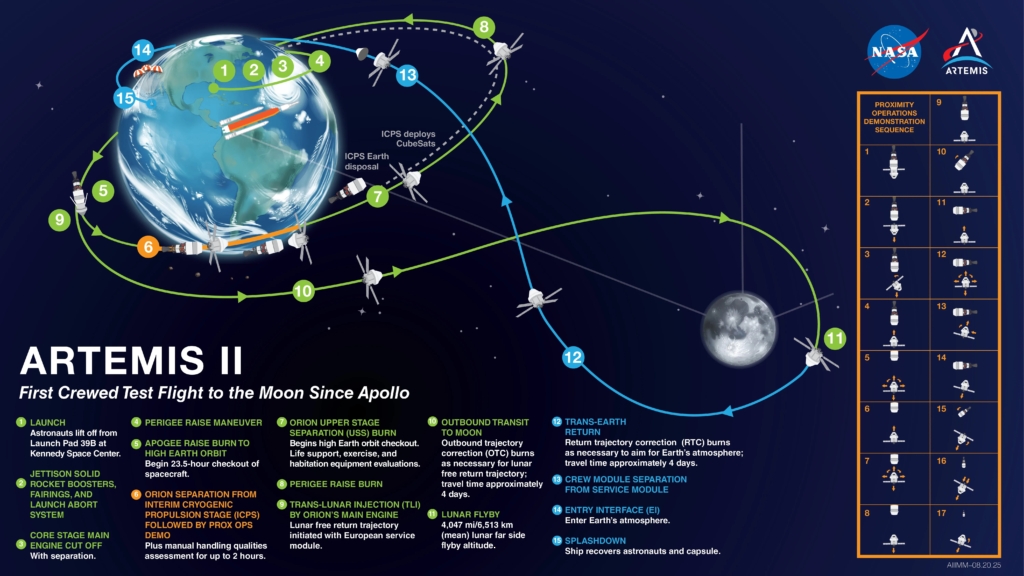
The spacecraft will follow a free-return trajectory, looping around the Moon and using its gravity to return to Earth, a profile reminiscent of Apollo-era missions.
During the mission, the crew will travel roughly 250,000 miles from Earth, reaching distances beyond those achieved by any previous human mission.
At that range, NASA notes, the Moon will appear no larger than a basketball held at arm’s length.
Timeline of the Artemis II mission around the moon
The mission will unfold over ten days in carefully structured phases.
| Mission Day | Phase |
|---|---|
| Days 1–2 | Systems checks, exercise routines, and the critical translunar injection burn |
| Days 3–4 | Trajectory correction manoeuvres |
| Day 5 | Entry into the Moon’s sphere of influence |
| Day 6 | Closest approach and far-side observations |
| Day 7 | Departure from lunar gravity |
| Day 8 | Radiation protection tests and manual control exercises |
| Day 9 | Final preparations for return |
| Day 10 | Re-entry and splashdown in the Pacific |
Initial days will focus on system checks and the critical translunar injection burn, followed by trajectory corrections and entry into the Moon’s sphere of influence.
Midway through the mission, Orion will make its closest approach, allowing the crew to observe and document regions of the lunar far side not directly seen by human eyes.
Later phases will include radiation protection tests, further manual control exercises and preparations for re-entry, culminating in splashdown in the Pacific.
First woman, first Black astronaut and first Canadian head to lunar distance on Artemis II
Artemis II carries both symbolic and technical significance.
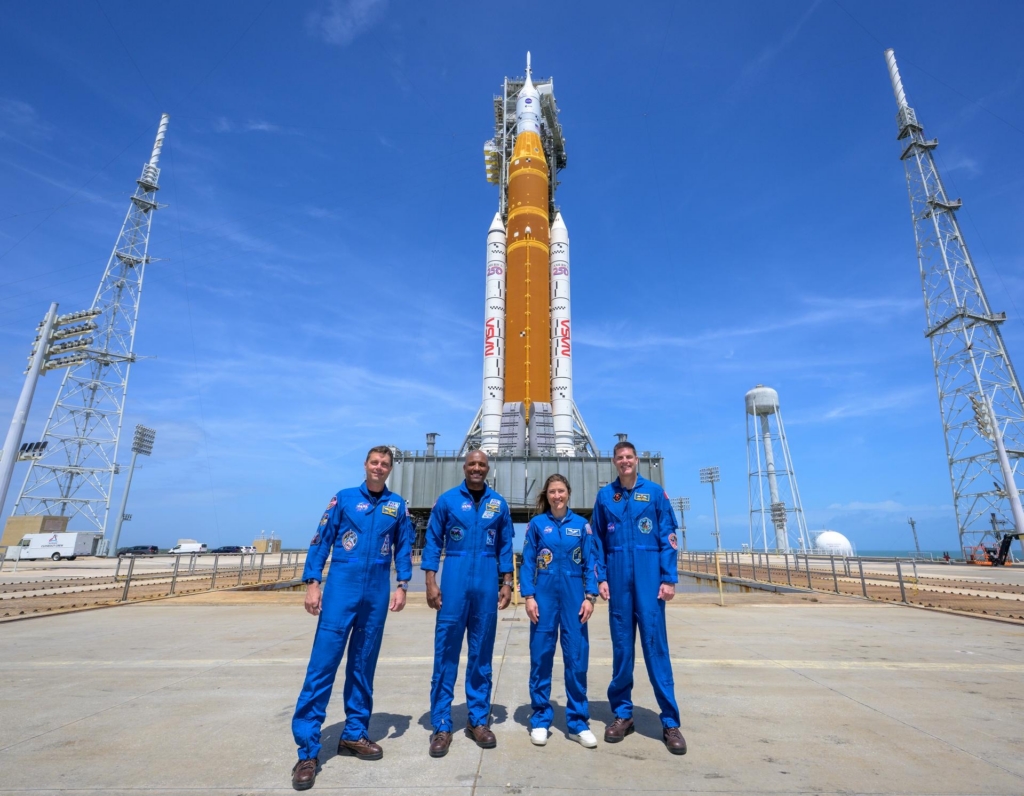
It is the first crewed flight of the Space Launch System and Orion, the first human mission to lunar distance in the 21st century, and includes the first woman, the first Black astronaut and the first Canadian to undertake such a journey.
Yet, as mission specialist Christina Koch noted before launch, the significance lies in broader access to exploration.
“If there is something to celebrate, it’s that we are at a time when everyone who has a dream gets to work equally hard to achieve that.”
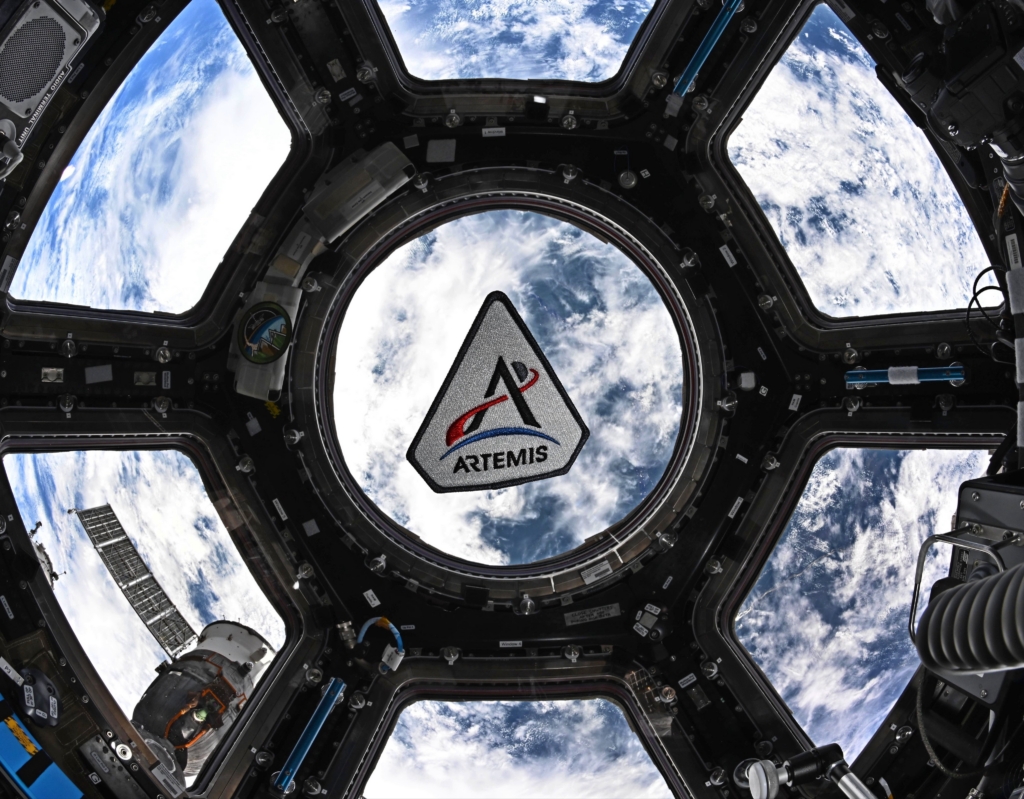
Named after the twin sister of Apollo in Greek mythology, the Artemis programme reflects both continuity and ambition.
Where Apollo proved that humans could reach the Moon, Artemis is designed to establish a sustained presence.
“It marks our return to the Moon, not just to visit, but to eventually stay,” Isaacman said.
How Artemis II fits into NASA’s plan for the Moon and Mars
NASA plans to follow Artemis II with lunar landing missions later this decade, alongside the development of infrastructure such as a lunar base, while also preparing for eventual missions to Mars.
The programme is unfolding amid renewed global competition in space, with other nations pursuing their own lunar ambitions.
For the crew, Artemis II represents both a technical challenge and a historic step.
“This is a test flight. This is the first time we’re going to try… the first time we’re loading humans on board,” Commander Reid Wiseman said ahead of launch.
At the same time, the mission carries a broader sense of purpose.
“It is our strong hope that this mission is the start of an era where every person on Earth can look at the Moon and think of it as also a destination,” Glover said.
Featured image: NASA
Sign up for our newsletter and get our latest content in your inbox.


More from


September 17, 20265 min read

September 17, 20263 min read


September 18, 20263 min read

