


Europe’s lack of firefighting aircraft and pilots leave it dangerously unprepared for wildfires

4 min read
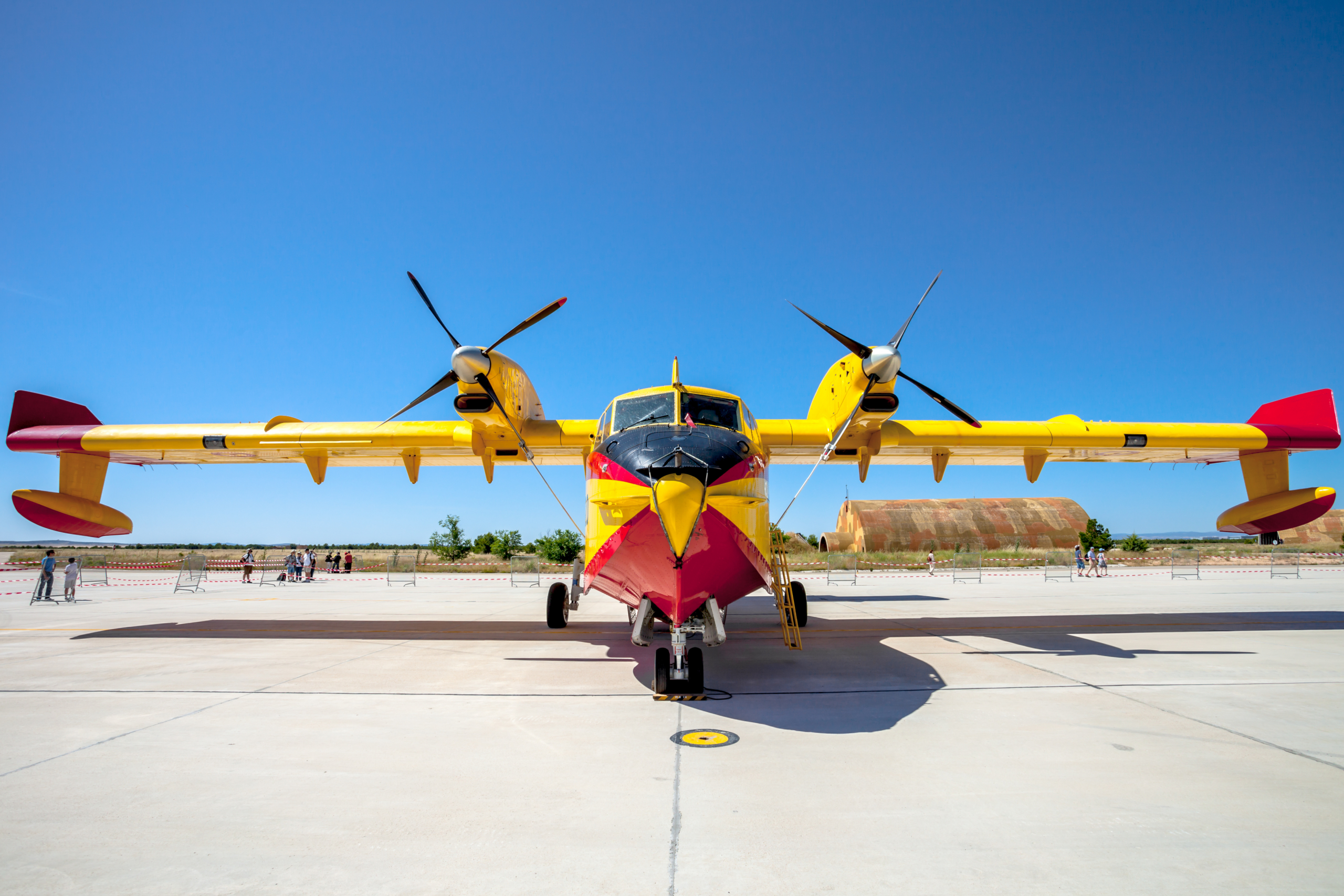
Europe is “dangerously unprepared” to cope with increasingly severe wildfires and must act urgently to expand its aerial firefighting capability, according to a new industry report.
Published on 24 March by Avincis, the study draws on input from academics, firefighters and industry leaders, and will be presented at the Aerial Fire Fighting Global Conference and Exhibition taking place in Rome from 24-26 March.
The warning follows a record wildfire season in 2025, when more than 1.03 million hectares burned across the EU, the highest on record. Notably, 81% of the damage was concentrated in just five countries, underscoring how stretched resources become during peak periods.
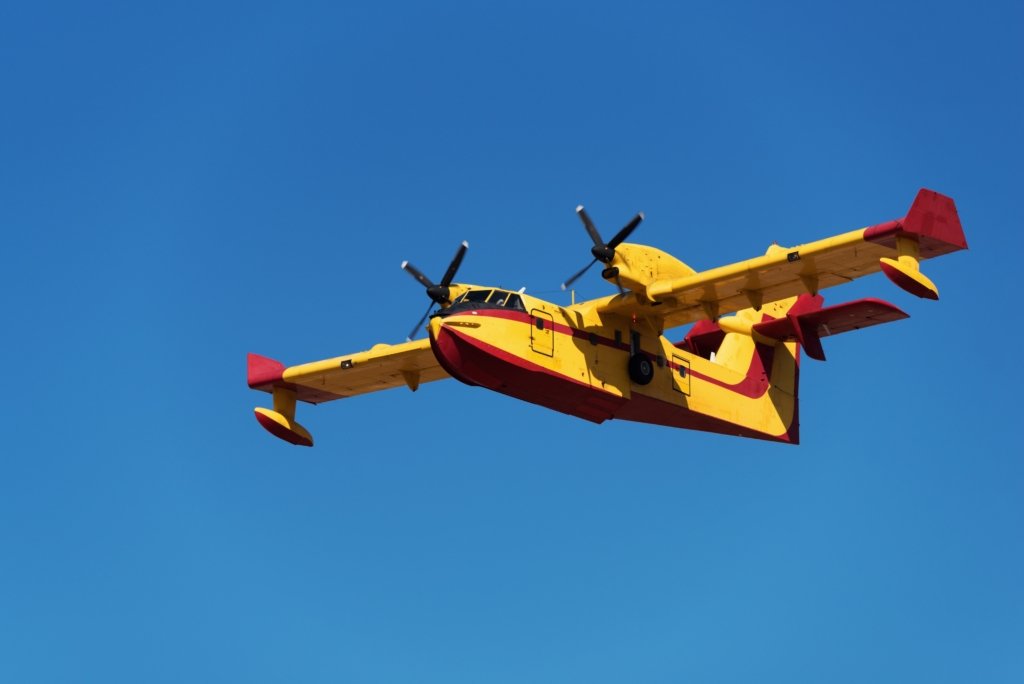
The report, Up in flames: The challenges of fighting wildfires from the air in a hotter Europe, identifies critical gaps in aircraft availability, workforce capacity and long-term investment, and calls for coordinated action to address them.
Europe’s ageing aerial firefighting fleet leaves capacity gap
The report identifies the age and size of Europe’s aerial firefighting fleet as a major challenge.
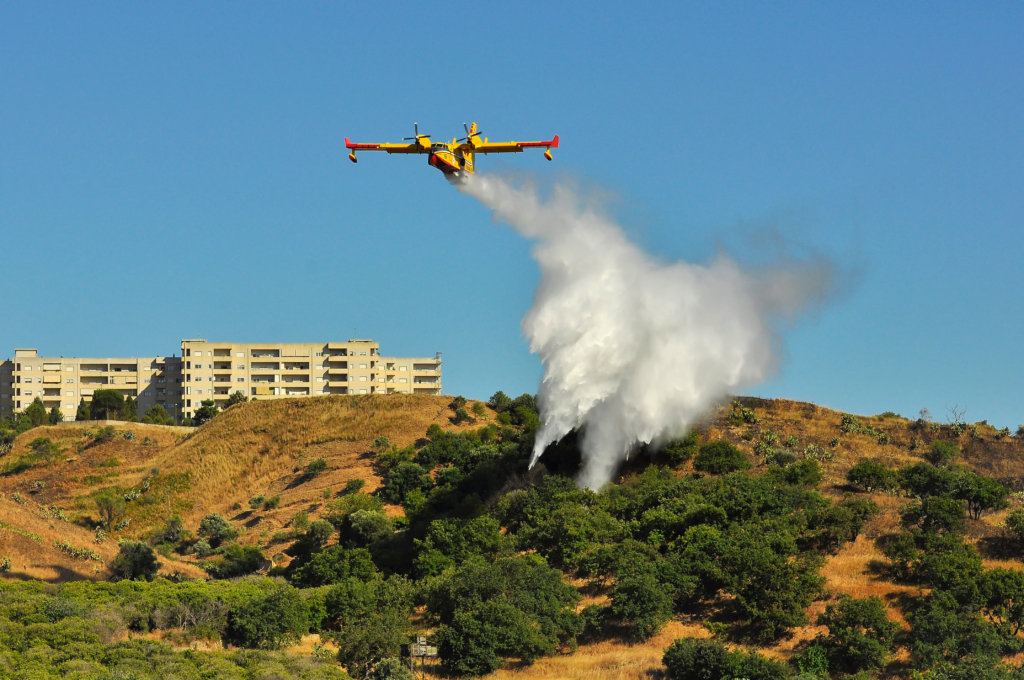
According to the expert panel, the €600 million ($693 million) commitment by the European Parliament in 2024 to procure 22 DHC-515 aircraft (the ubiquitous amphibious firefighting aircraft being built by De Havilland Canada) is welcomed by the industry but is far from sufficient.
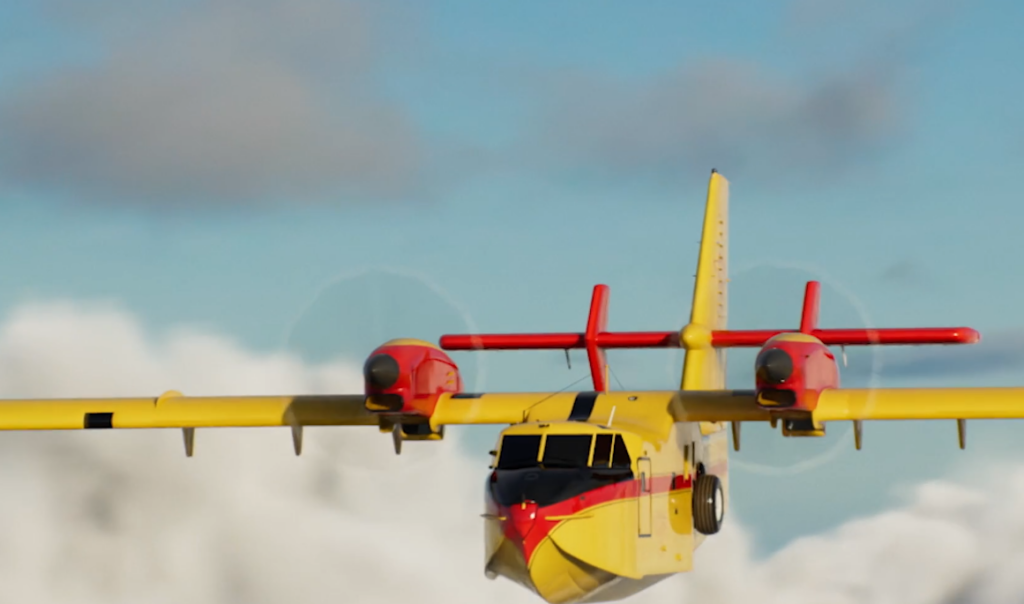
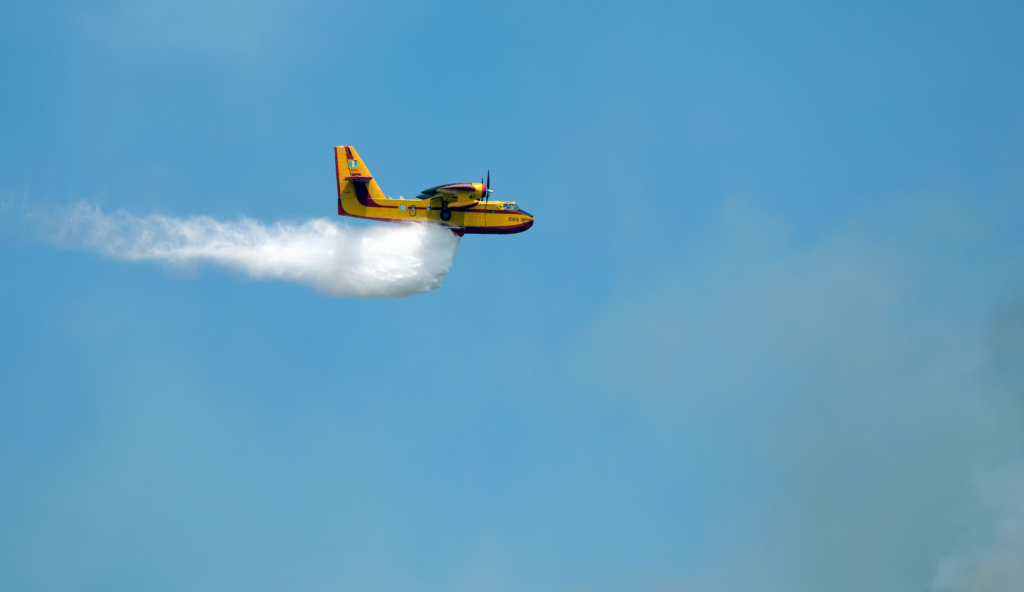
The new aircraft, due to be delivered between 2027 and 2032, will be deployed across six European countries – Croatia, Spain, Italy, Greece, Portugal, and France. They will replace ageing CL-215 and CL-415 ‘super scoopers’, many of which have been in service for several decades.
However, demand for aerial firefighting is already outpacing supply, particularly during peak summer months, and the gap is expected to widen as wildfire seasons grow longer and more intense.
The report calls for bulk procurement frameworks that would enable manufacturers to open second production lines and accelerate delivery timelines.
“We’re trying to start a second production line, but government bureaucracies are very slow,” says Brian Chafe, CEO of De Havilland Canada, whose company has faced significant supply-chain challenges. “That’s not just for our aircraft, but any firefighting asset.”
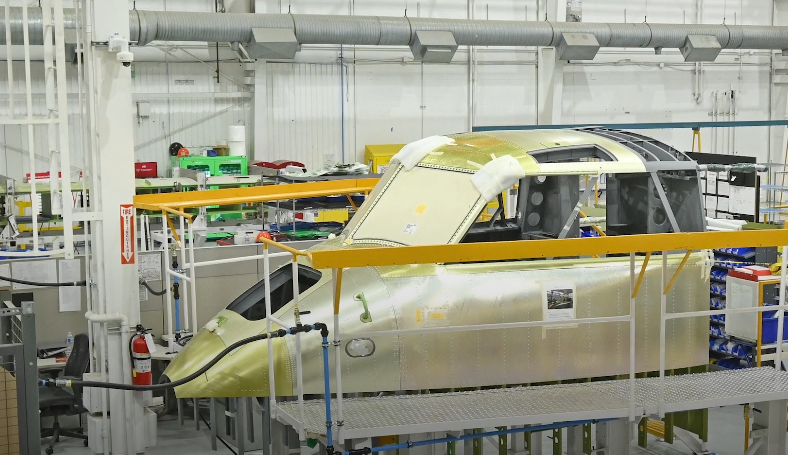
The first of the next-generation DHC-515 aircraft is currently on the production line at its Canadian planemaker’s manufacturing facility. Earlier this month, De Havilland announced it had joined the first major sections of the aircraft.
But production of new firefighting aircraft is slow, and even with new units on the way, the paper argues that it’s not going to be enough.
Pilot shortage deepens Europe’s aerial firefighting crisis
Aircraft shortages are being compounded by what the report describes as a “deepening human capital crisis”.
Foreign pilots seeking to work in the EU face more than a dozen licence conversion exams under European Union Aviation Safety Agency rules, compared with just one or two in markets such as the US or Australia.
Exacerbating the shortage of pilots, rising defence budgets across Europe (and elsewhere) are drawing experienced and qualified pilots towards military flying careers rather than special missions such as aerial fighting.
Additionally, high numbers of seasoned firefighting pilots are approaching retirement without adequate new recruits to replace them.
The result is a growing workforce gap that could take at least a decade to close. The panel says that action to build the training pipeline must begin immediately.
“While we’ve got to develop new aircraft, we’ve also got to work out means of getting more people into the industry, and of helping maintain aircraft for longevity,” says John McDermott, the owner and former chief pilot of McDermott Aviation, a large heli-services operator based in Queensland, Australia.
“There is a need for not only good, robust aircraft, but robust crews to operate these aircraft,” he added.
Europe’s wildfire response underfunded as investment falls short
The report also criticises Europe’s funding approach, arguing that governments remain too focused on emergency response rather than long-term preparedness.
This reactive model leaves the region under-equipped for the scale and frequency of wildfires now being seen, and increasingly reliant on a shrinking global pool of firefighting aircraft.
“Wildfire seasons are getting longer, global aircraft availability is shrinking, and the traditional model of moving aircraft around the world is no longer reliable,” said John Boag, Group CEO of Avincis.
“If Europe wants to remain prepared, it must invest now in new aircraft, remove regulatory barriers and build a year-round aerial firefighting capability before the situation deteriorates further.”
Featured image: David Acosta Allely / stock.adobe.com
Sign up for our newsletter and get our latest content in your inbox.


More from


September 25, 20264 min read

September 25, 20264 min read

September 24, 20262 min read


