


NASA investigation finds serious flaws in Boeing Starliner mission that left astronauts stranded

5 min read
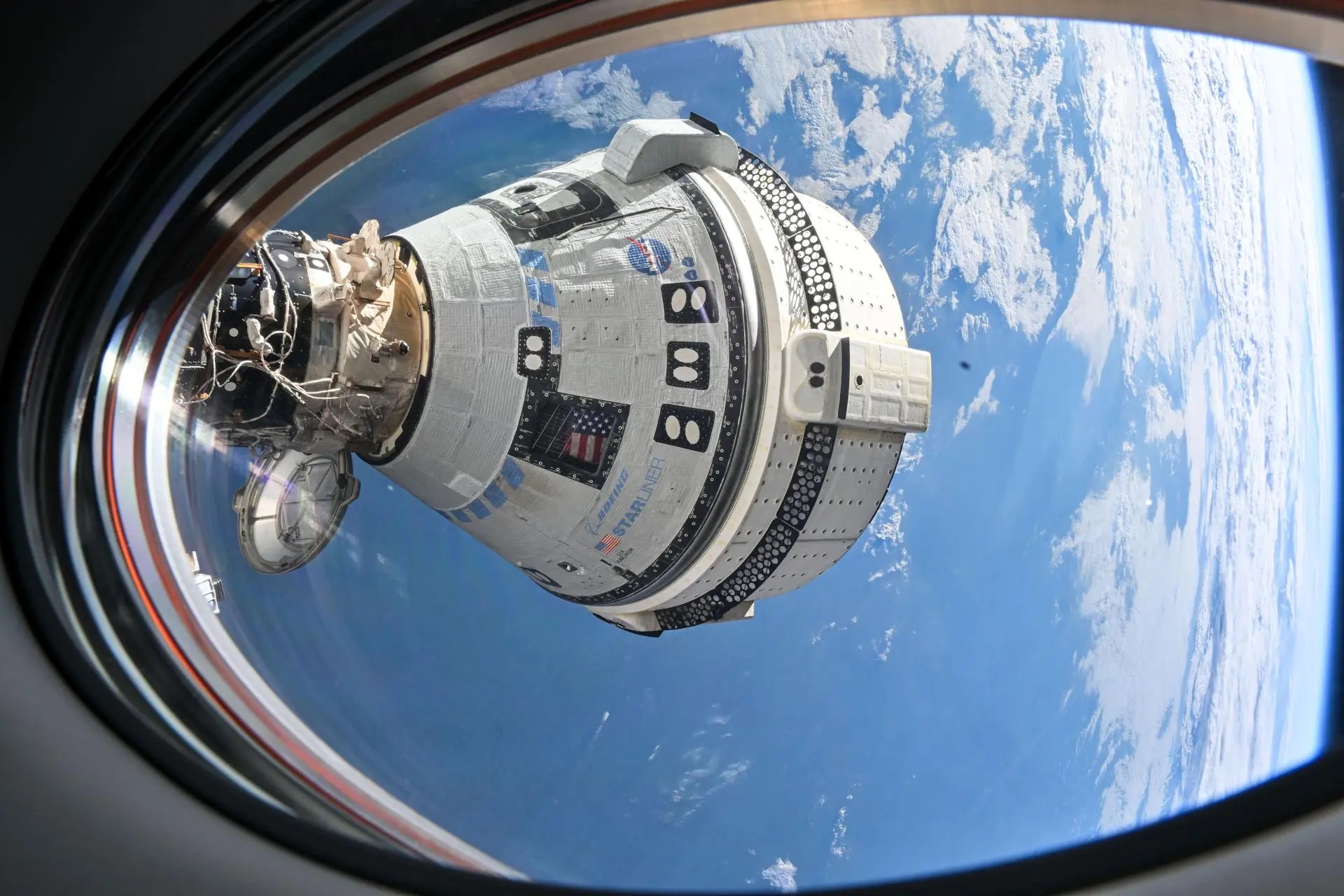
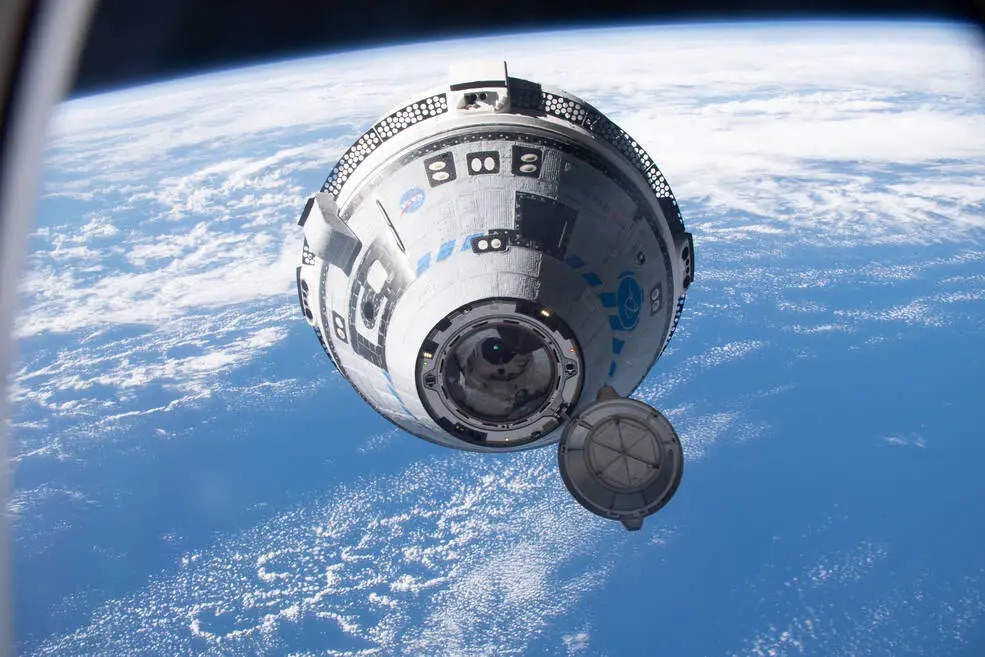
NASA’s long-running effort to field a second commercial crew vehicle has suffered a major credibility blow after an independent investigation concluded that Boeing CST-100 Starliner Crewed Flight Test exposed both hardware weaknesses and deeper leadership failings that pushed risk beyond acceptable limits.
The findings stem from the Program Investigation Team (PIT) review of the Starliner Crewed Flight Test (CFT), launched on June 5, 2024, under NASA’s Commercial Crew Program. What was meant to be a routine eight-to-14-day certification mission instead stretched to 93 days after propulsion problems emerged in orbit.
In the end, the spacecraft returned to Earth uncrewed in September 2024, while astronauts Barry “Butch” Wilmore and Sunita “Suni” Williams subsequently returned safely to Earth aboard SpaceX Crew-9 Dragon in March 2025.
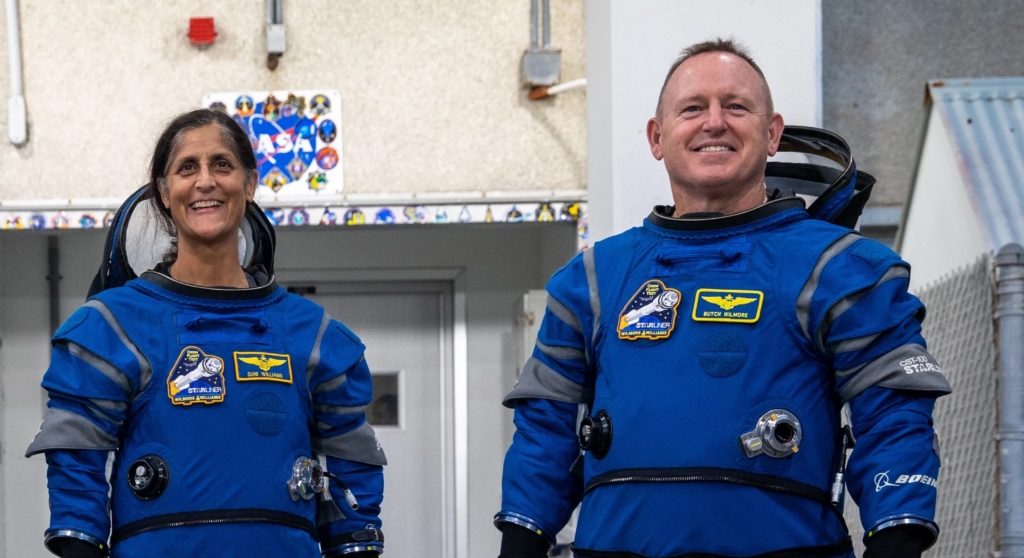
The episode has now triggered a sweeping reassessment of Starliner’s technical readiness and the management model behind it.
NASA investigation finds Boeing Starliner propulsion anomalies nearly changed mission outcome
At the heart of the investigation were four major hardware issues, the most serious involving the service module’s reaction control system thrusters during the spacecraft’s rendezvous with the International Space Station.
Five thrusters automatically shut down after triggering failure detection logic, briefly depriving Starliner of full six-degree-of-freedom control. Controllers managed to recover four jets through in-flight troubleshooting, allowing the spacecraft to dock.
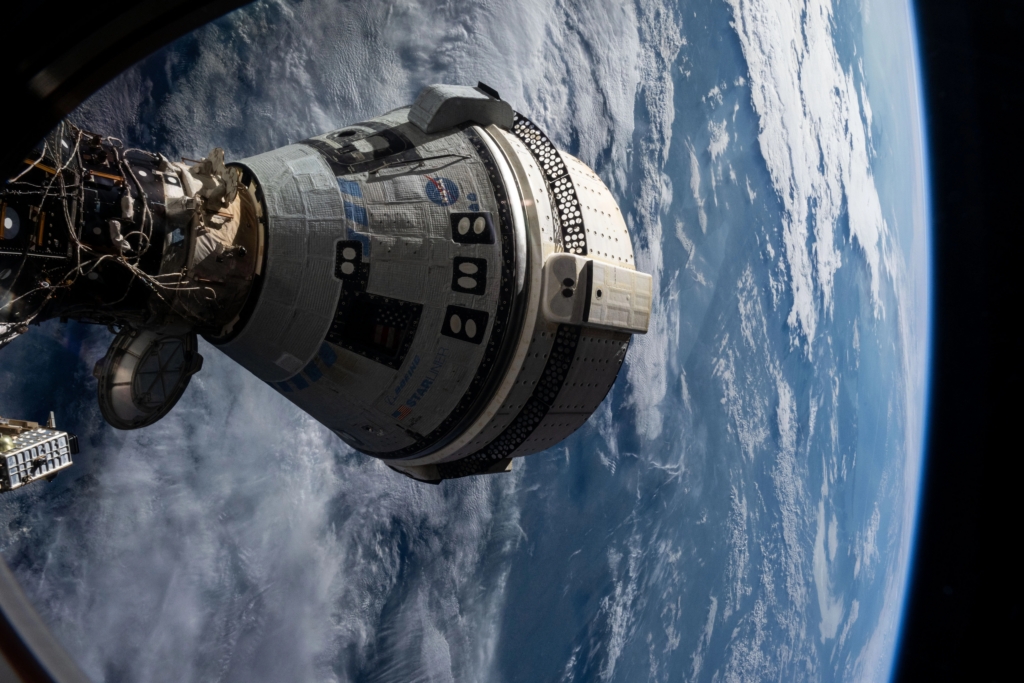
Investigators believe the most likely technical drivers included two-phase oxidiser flow effects such as vapour formation and cavitation, extrusion of Teflon poppets inside oxidiser valves that restricted flow, and high mechanical demand from guidance and control firing commands.
NASA later concluded the event met the threshold for a Type A mishap, the agency’s most serious classification, even though control was ultimately restored.
Additional Starliner thruster and helium system failures exposed thin fault tolerance
The probe found further vulnerabilities that compounded concern.
During descent, a crew module thruster failed to fire, leaving the system with zero fault tolerance. The leading theory points to corrosion caused by carbazic acid formed when residual propellant interacted with carbon dioxide.
Meanwhile, seven of eight helium manifolds in the service module leaked during the mission. Investigators attributed this primarily to material incompatibility between seals and oxidiser, along with O-ring sizing and tolerance shortcomings.
Perhaps most troubling, the PIT confirmed that Starliner’s propulsion architecture lacked the required two-fault tolerance for deorbit burns, a design shortfall present since early development but only recognised shortly before the crewed launch.
Earlier Starliner test flights revealed warning signs missed before Crewed Flight Test
The investigation makes clear that many of the risks seen in CFT had roots in earlier missions.
Orbital Flight Test-1 in 2019 suffered major software timing errors that triggered excessive thruster firings and propellant loss. In 2021, oxidiser valve issues forced a scrub of OFT-2. Even the largely successful 2022 OFT-2 flight saw three aft thrusters declared failed.
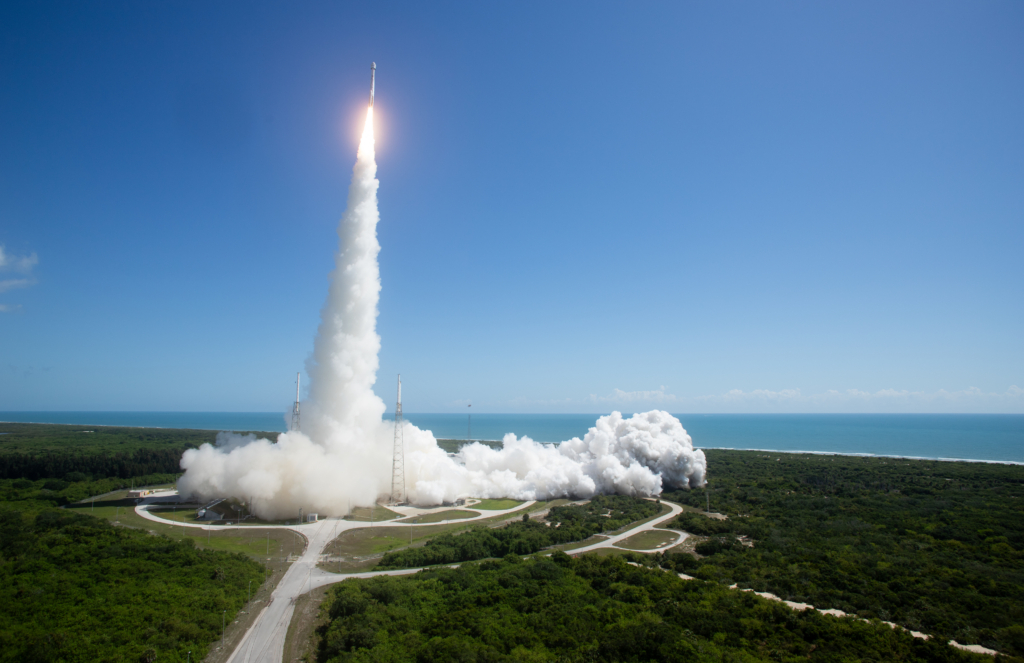
According to the report, these events were not pursued to full root cause. Instead, some anomalies were treated as isolated fixes or accepted as unexplained anomalies, allowing systemic weaknesses to persist into the crewed mission.
Investigators also criticised qualification testing for failing to fully replicate real mission environments, and noted that limited telemetry sampling and onboard data storage hindered proper diagnosis of thruster behaviour.
NASA probe finds leadership and oversight gaps in Boeing’s Starliner programme
Beyond the hardware, the PIT paints a stark picture of organisational strain inside the programme.
Overlapping authority between NASA’s Commercial Crew Program, the ISS Program and Boeing created blurred lines of decision-making. Trust between NASA and Boeing eroded amid concerns over selective data sharing and inconsistent transparency.
Survey feedback cited in the report pointed to chaotic meeting structures, unclear roles and weakened team effectiveness.
More fundamentally, the investigation found a cultural mismatch. NASA’s traditional emphasis on technical conservatism collided with the commercial model’s greater reliance on provider autonomy.
NASA Administrator Jared Isaacman acknowledged the concern bluntly, warning that the most troubling failure “is not hardware. It is decision-making and leadership that, if left unchecked, could create a culture incompatible with human spaceflight.”
Schedule pressure and programme advocacy influenced Starliner launch decisions
The report highlights how years of launch delays created mounting schedule pressure and decision fatigue.
More than thirty launch attempts preceded the crewed flight, and witness testimony suggested a growing perception that the Commercial Crew Program needed Starliner to launch to demonstrate two independent US crew transport systems.
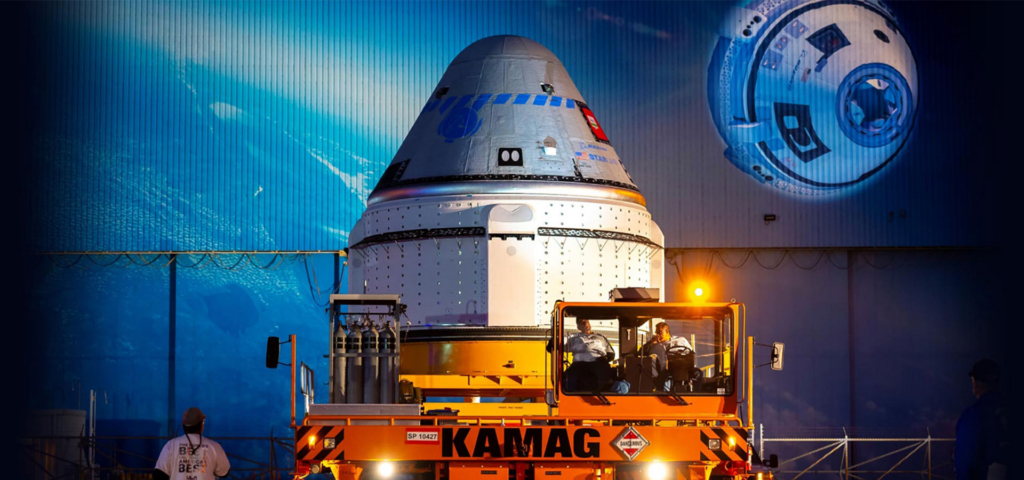
Investigators concluded that this programme advocacy influenced risk discussions before launch, during on-orbit troubleshooting and even after the mission, when a mishap classification was initially not declared despite the loss of full attitude control.
NASA has since reversed that decision and formally designated the event a Type A mishap.
Atlas V retirement and hardware spares raise new questions over Starliner’s future
The PIT also flagged longer-term sustainability risks.
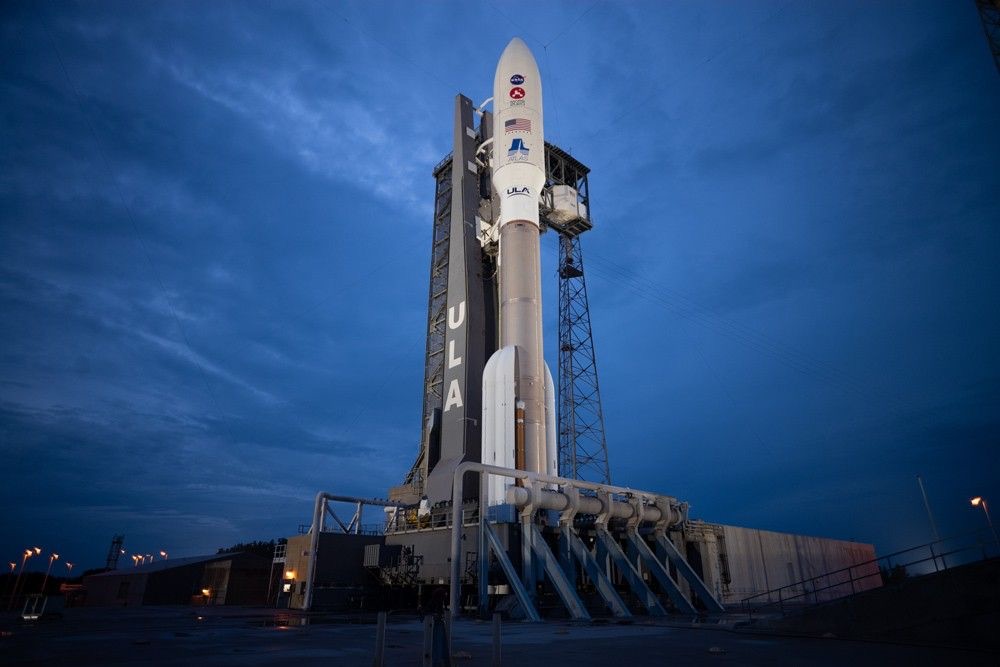
Starliner faces limited hardware spares, and the planned retirement of the Atlas V rocket, currently its launch vehicle, adds further uncertainty to the programme’s path forward.
At the same time, NASA leadership emphasised that maintaining two independent crew transport systems remains strategically important.
NASA and Boeing face 61 corrective actions before Starliner flies crew again
The investigation issued 61 recommendations spanning design validation, telemetry upgrades, organisational clarity and cultural reform.
NASA says Starliner will not carry astronauts again until propulsion system causes are fully understood, qualification gaps are closed, and corrective actions are implemented.
Isaacman stressed that transparency and accountability will be central to restoring confidence.
“We returned the crew safely,” he told staff, “but the path we took did not reflect NASA at its best.”
For the broader commercial crew enterprise, the Starliner episode serves as a sharp reminder that commercial innovation does not lessen the unforgiving safety margins of human spaceflight and that technical discipline and programme culture must advance together if the United States is to maintain assured access to low Earth orbit.
Featured image: NASA
Sign up for our newsletter and get our latest content in your inbox.


More from




September 17, 20265 min read

September 17, 20263 min read


September 18, 20263 min read

