


Pilot training: How affordable is it and what are the funding options for cadets?
5 min read
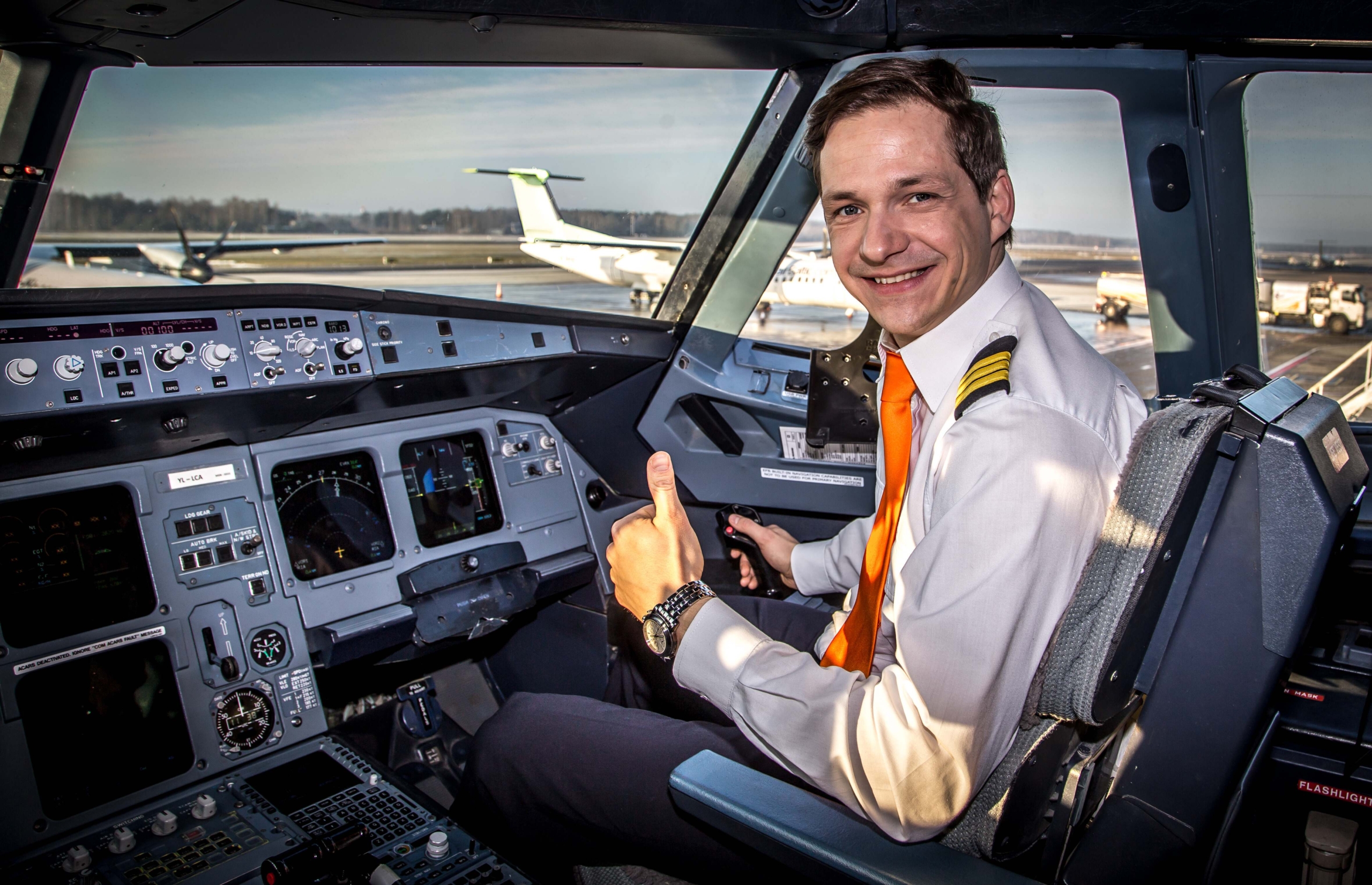
Pilot training in the UK remains one of the most expensive professional qualifications, with the process of going from zero experience to licence-holder often costing more than £100,000.
The high cost of training has been a barrier to entry for many, and the funding options available have changed over the years in line with demand for freshly qualified pilots.
The method of funding a pilot training course ranges from self-finance and part-scholarships to fully-sponsored airline cadet schemes and military service routes.
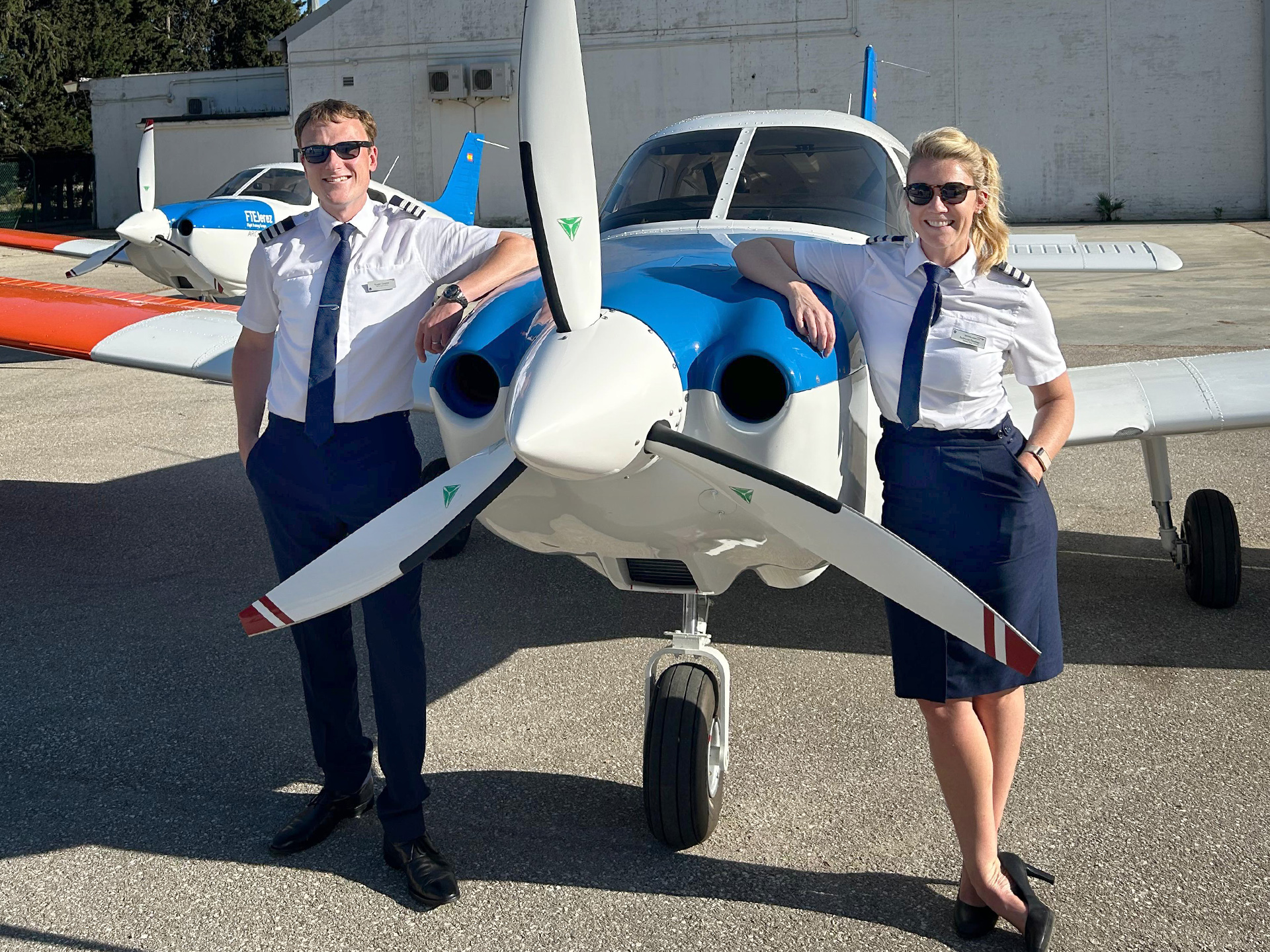
The UK government and pilots union Balpa have acknowledged the financial barrier to pilot training and have looked at ways to mitigate the issue.
A 2023 Department for Transport-commissioned study suggest a number of mitigations, including developing a government-funded scholarship or grant to pay for pilot training in part or full, and initiating a government-funded loan system to pay for pilot training in full, working in much the same way as higher education loans provided by the Student Loans Company.
The report also called for the government to facilitate airline full sponsorship, with or without bonding or salary sacrifice. It remains to be seen which if any of the report’s recommendations will be implemented in the future.
Self-funding: one way to reach the flightdeck
Many aspiring pilots are forced down the self-funding route.
This involves either relying on personal savings, help from family members, or private loans from a bank.
In fact, the majority of new cadets currently rely on family loans and gifts to finance their training, industry data shows.
Unlike a conventional student loan, banks do not currently offer a dedicated pilot training loan. Before Covid, this was a viable option, but now trainees are more often than not left to find their own funding.
That said, there are some options available to partly fund a course.
Balpa says some training organisations may have relationships with banks or finance houses that could make access to funding easier, and trainees are encouraged to enquire when speaking to training organisations.
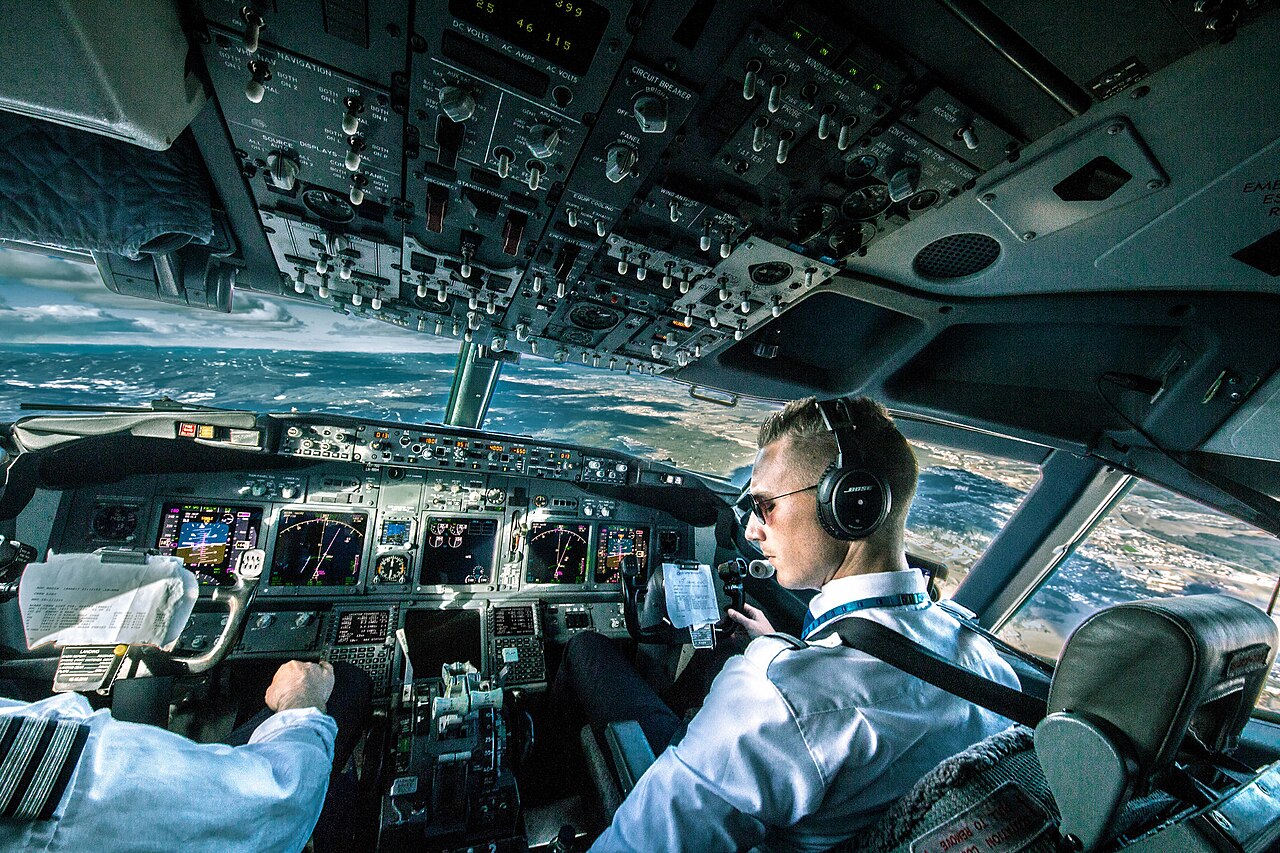
They include providers such as Lendwise, a specialist loan company dedicated to education finance, which does not require a co-signer or guarantor, and covers up to 80% of the course fees. It offers loans over 10 years with a “competitive interest rate that is fixed for the entire duration of your loan”.
Scholarships and bursaries are another option to consider. Over the past decade, some £2.6 million in scholarships and bursaries have been allocated by the Air League to young people across the UK. They cover everything from flying and gliding to engineering and ground school costs.
Finding a fully sponsored training package
What could be considered the holy grail in pilot training funding options is the fully funded cadet scheme, which is becoming more common after a post-Covid lull.
British Airways is one such airline which funds the full flight training programme with a path to a job with the flag carrier on successful completion.
Through its multi-million-pound training initiative Speedbird Pilot Academy, which was launched in 2023, BA offers a fully funded scheme with cadets trained through Skyborne or FTE Jerez in Spain.
However the funding element does make it especially competitive. The scheme saw more than 20,000 applicants in its first year, for just 100 places.
Applicants must be aged between 18-55, with six GCSEs at grade A-C or 5-9, including Maths, English and Science, or an equivalent qualification.
Jet2 has launched its first fully funded training scheme enabling up to 60 trainees to complete ATPL courses with paid type rating and progression into employment.
Launched last May, the Jet2FlightPath aims to “boost social mobility and promote diversity within the pilot community”.
After a selection process which includes assessments and interviews, successful candidates are invited to join a fully funded 18-month Airline Transport Pilot Licence (ATPL) training course in the UK, Spain or United States.
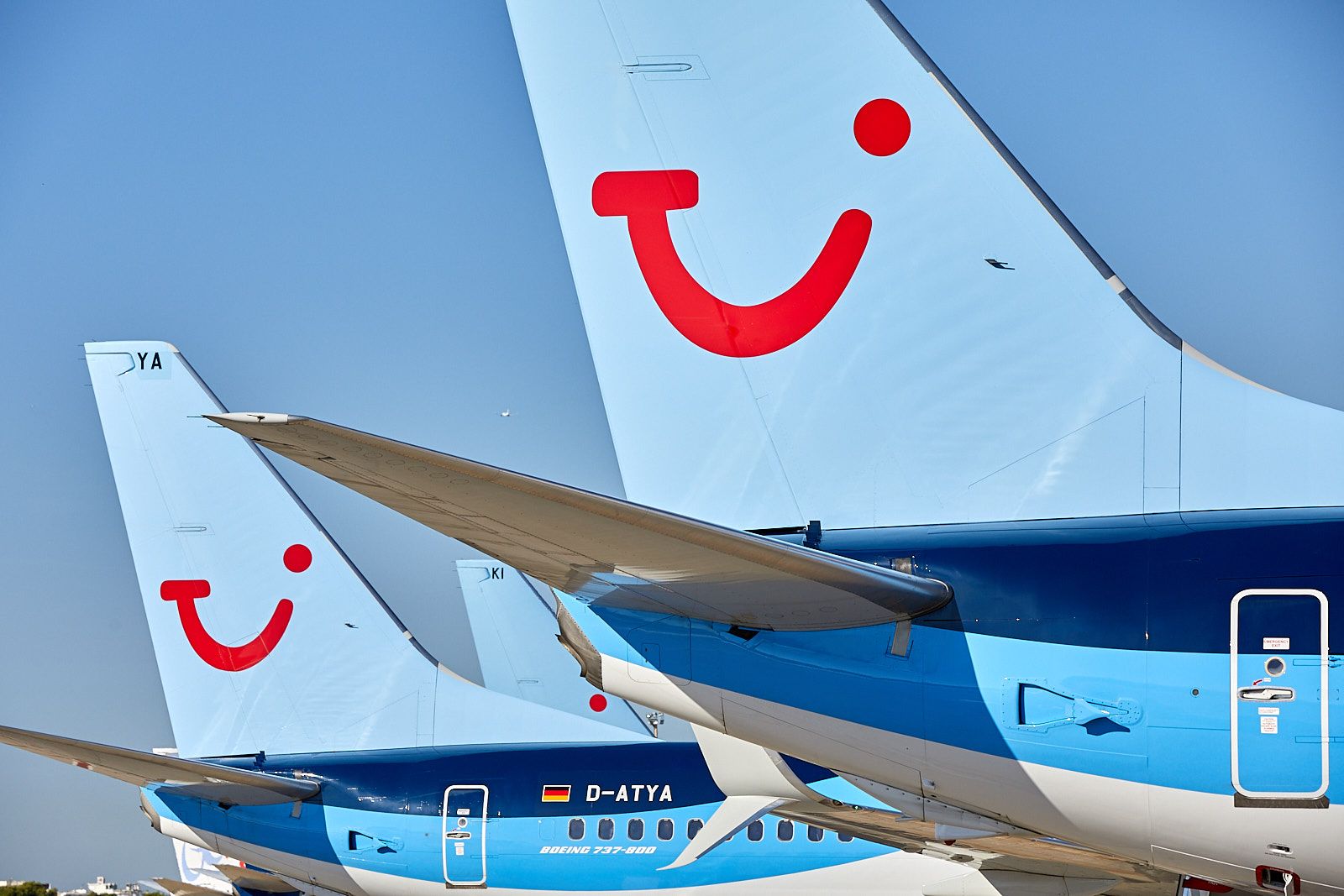
TUI has in the past offered a funded MPL programme on the 737, for those with little, or no, flying experience.
However the holiday airline announced in January that it would not be opening the scheme in 2026 as it was “not required to meet our pilot demand for Summer 2028” – when the 2026 batch of cadets would have finished.
Their scheme may return in the future.
Military pathway: training without upfront fees
Joining the Royal Air Force (RAF) provides a route where the associated training costs are sponsored by the Ministry of Defence in exchange for service commitment.
This removes the need for self-funding or borrowing to pay for the training.
While military pilots may still need to convert qualifications for civilian licences later, this can be covered by the future airline employer.
The cost of training an RAF pilot is enormous. For multi-engine aircraft pilots, the figure stands at around £953,817, while for fast jets it is approximately £5,362,085, according to a parliamentary written question. However all of that is borne by the MoD.
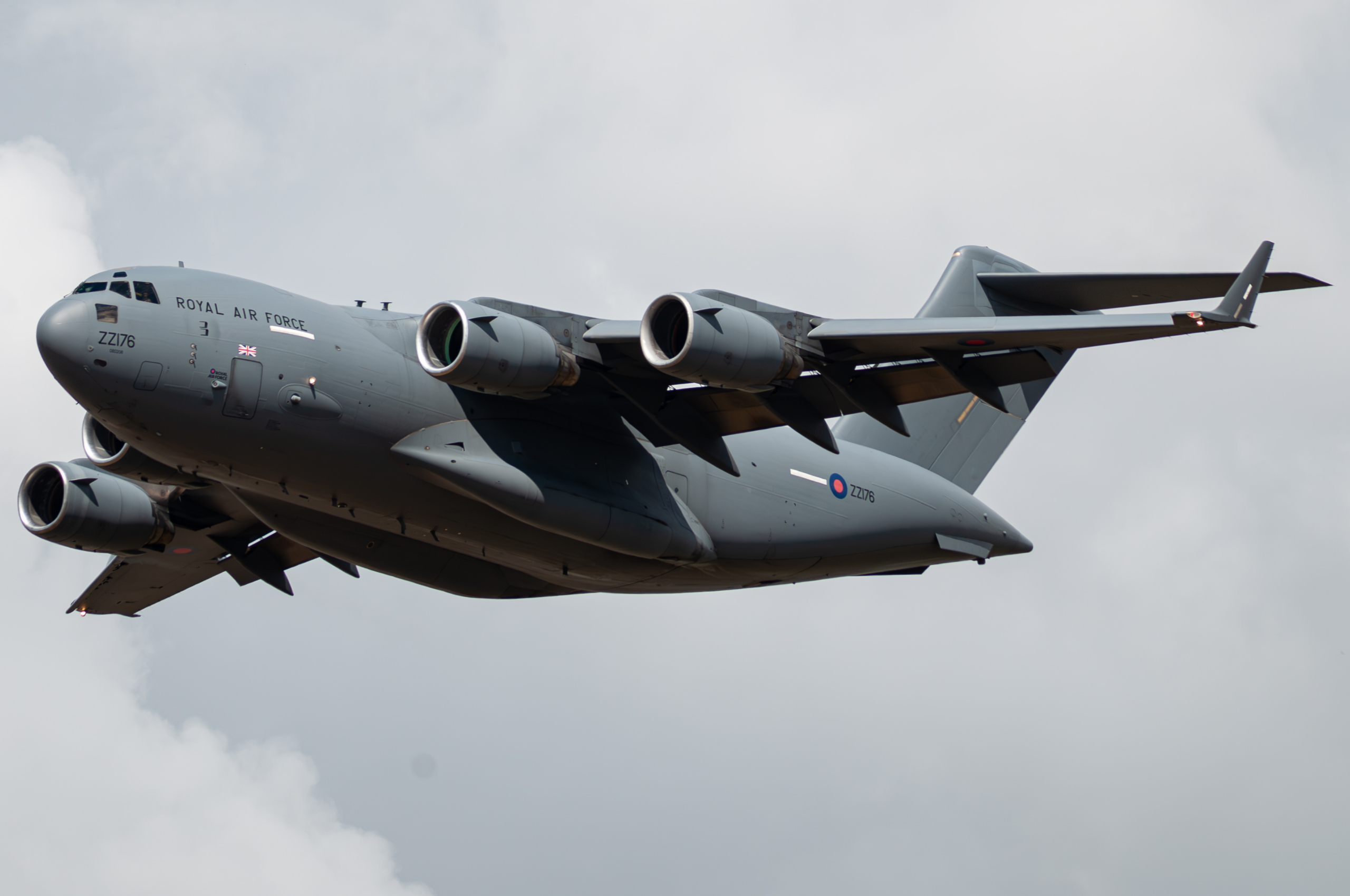
In fact, cadets going through RAF training will earn a salary from day one.
Those accepted for officer training begin on a salary of just over £34,600 a year. Within three years, and on promotion to the rank of Flight Lieutenant, pay rises to more than £64,600.
Evolving funding models for UK pilot training
The funding models for pilot training in the UK continue to evolve, and options range from entirely self-funded to fully sponsored schemes and military pathways that avoid debt altogether.
“Ultimately,” says Balpa, “a huge financial commitment is required. Salaries have been driven down in real terms over the years due to inflation. You must make a major decision as to whether the outlay and associated risks can be justified when measured against career potential and associated earnings.”
Featured image: SmartLynx Airlines
Sign up for our newsletter and get our latest content in your inbox.


More from

October 4, 20264 min read


