How long are aircraft jet engines built to last?

February 14, 2026
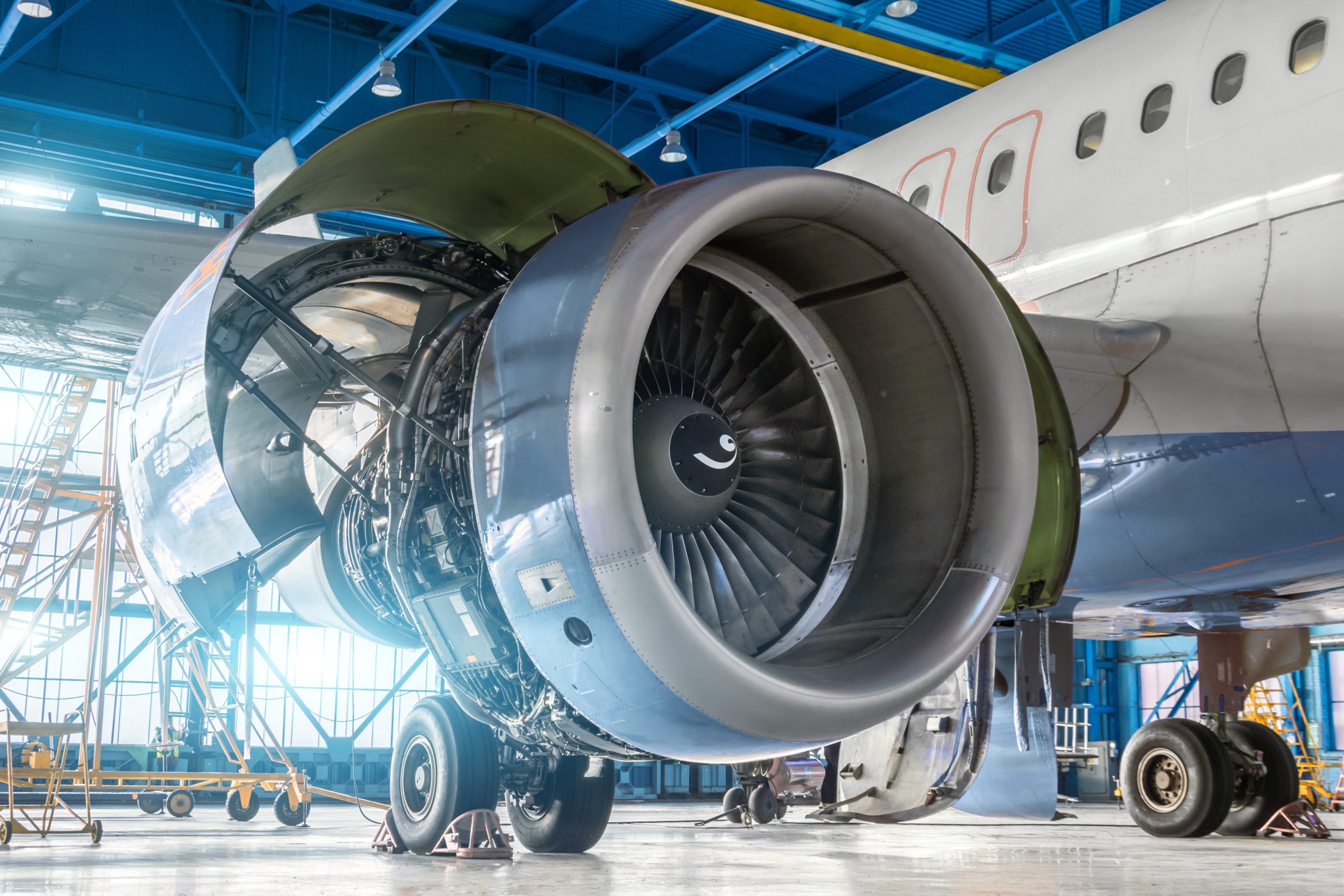
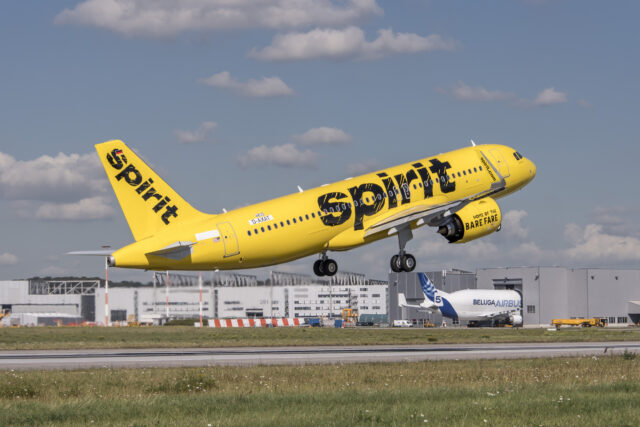
Modern jet engines used on commercial aircraft are built with a lifecycle of 25 to 35 years, depending on use and maintenance routines. A typical jet engine lasts 25,000 to 45,000 flight cycles or approximately 150,000 flight hours with proper maintenance.
The life of a commercial jet engine is considerably longer than that of an average automobile, which lasts approximately 150K – 200K miles. Assuming an average run of 15,000 miles a year, a car engine may last 10-15 years.
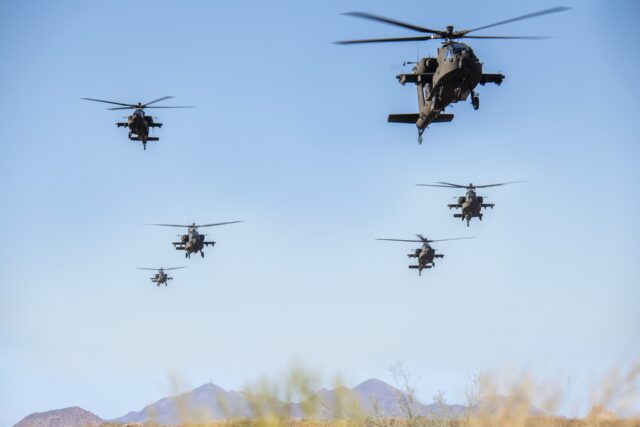
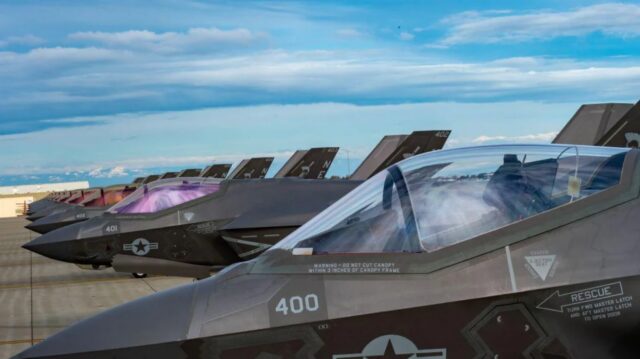
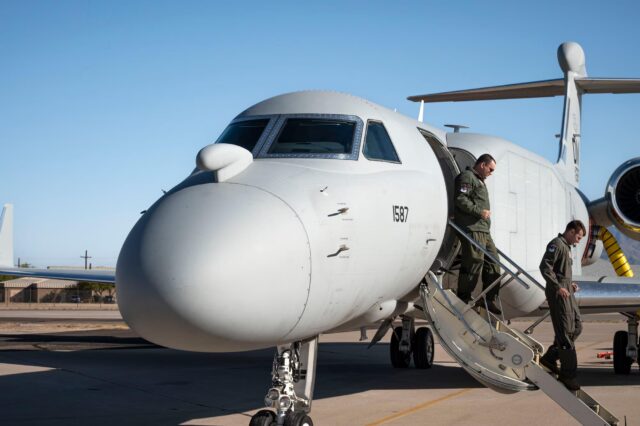
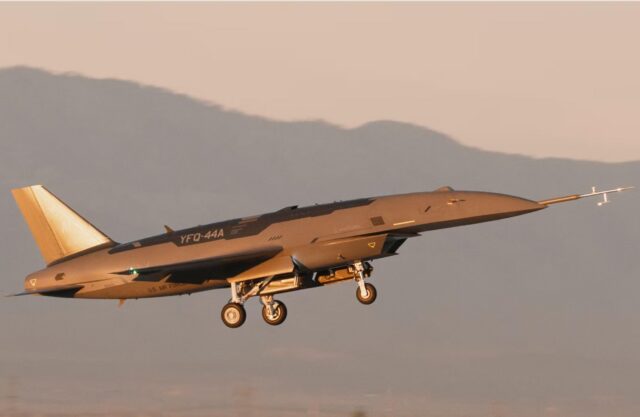
Jet engines designed for military aircraft have very different performance parameters, and their lifecycle is generally based on mission hours. Military engines have a much shorter life than their commercial counterparts, in the range of 5,000 to 10,000 mission hours. The F-135 turbofan engine powering the Lockheed Martin F-35 Lightning aircraft is designed to last 8,000 hours.
| Engine | Category | Type | Aircraft | Lifespan |
|---|---|---|---|---|
| CFM56-7 | Commercial | Narrowbody | Boeing 737 NG | 35,000 cycles |
| GE90-115B | Commercial | Widebody | Boeing 777 | 25,000 cycles |
| PW-1000G | Commercial | Narrowbody | Airbus A320neo, A220 | 40,000 cycles |
| F-135 | Military | – | F-35 Lightning II | 8,000 hours |
| F110-GE-129 | Military | – | F-16 Fighting Falcon | 6,000 hours |
| RD-33 | Military | – | MiG-29 | 3,000 hours |
Engine flight cycles and flight hours
An engine flight cycle (EFC) is an engine startup to shutdown routine, including run-up to operating temperatures. High-trust operations cause stress and fatigue on internal parts of the engine. The EFC measures thermal stresses on engine components.
EFC is not to be confused with aircraft flight cycles (AFC), which comprises pressurisation and depressurisation of the cabin (takeoff and landing). The AFC is a measure of structural fatigue on the airframe. For example, a “touch and go” landing is generally considered part of the same AFC but can be recorded as an additional EFC, particularly when the engine power is idle and then increased for takeoff and climb.
Similarly, if an engine is started and shut down without taking off, it may incur an EFC but not an AFC. Nonetheless, it is common for airlines to record EFC and AFC as a single measure, particularly during normal flight operations.
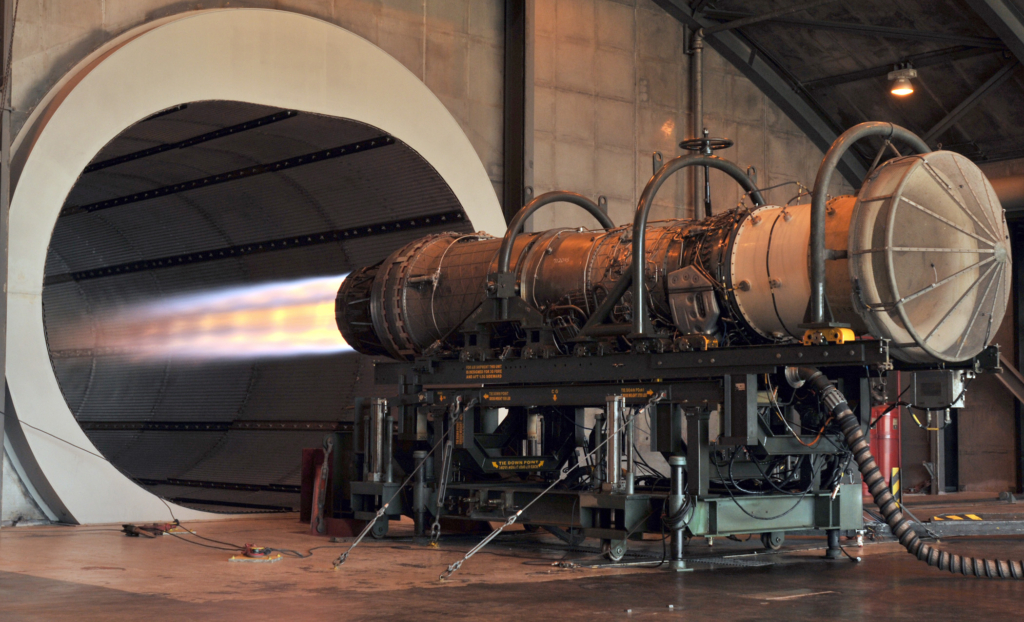
An engine flight hour (EFH) is a measure of the time an engine is running, irrespective of the phase of flight. An engine installed on a narrowbody aircraft may accumulate 4 to 6 cycles in a day, whereas a widebody engine may record 1-2 cycles a day. As such, the engine life is measured by EFCs rather than just EFHs, as the stresses during takeoff and landing are more intense than steady cruise flight.
Performance and maintenance of jet engines
The performance of a jet engine is measured through the internal temperature and overall pressure ratio of the engine. The engine’s exhaust gas temperature (EGT) measured in the turbine section determines its operational performance. Similarly, the pressure ratio between the high-pressure (HP) compressor inlet and exit determines the engine’s efficiency.
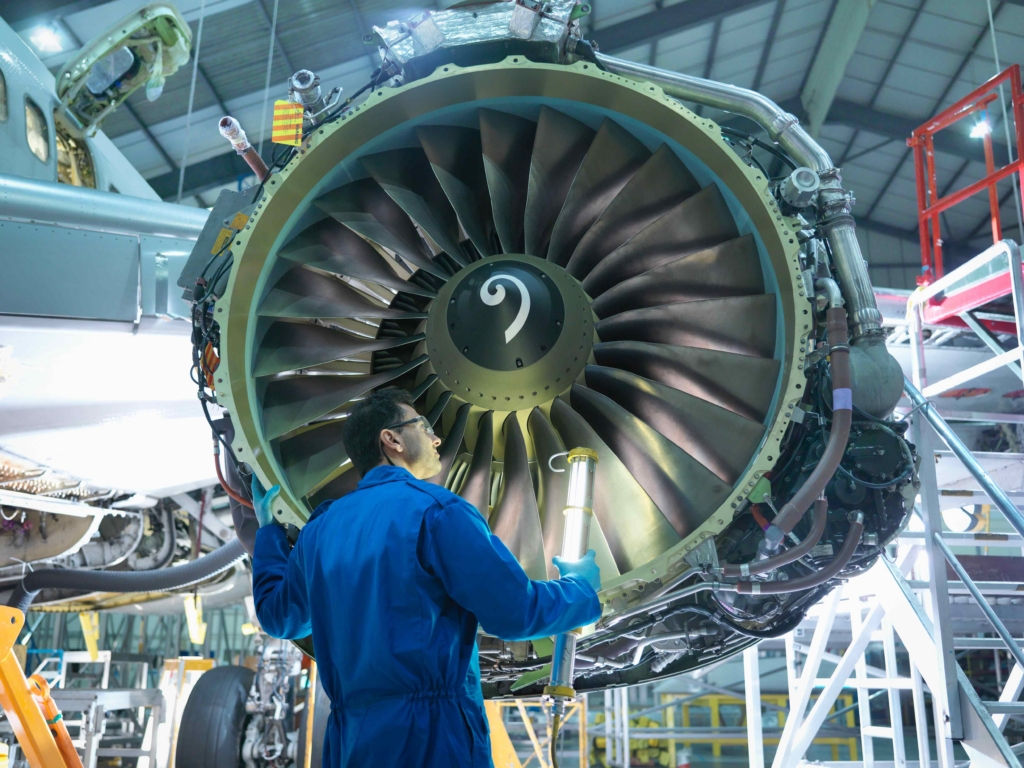
A jet engine can undergo multiple overhauls, typically every few thousand cycles, before retirement. During the maintenance shop visit, the engine is removed, dismantled, and rebuilt to extend its service life. An aircraft usually runs through 2-3 sets of engines during its lifetime.
Essentially, commercial jet engines are designed for endurance, lasting decades with proper maintenance. Military engines, on the other hand, are designed for performance, leading to more frequent overhauls and relatively shorter lifespans.
Featured image: aapsky / stock.adobe.com