


World’s busiest airports revealed: Atlanta tops 2025 rankings as global traffic nears 10bn

5 min read
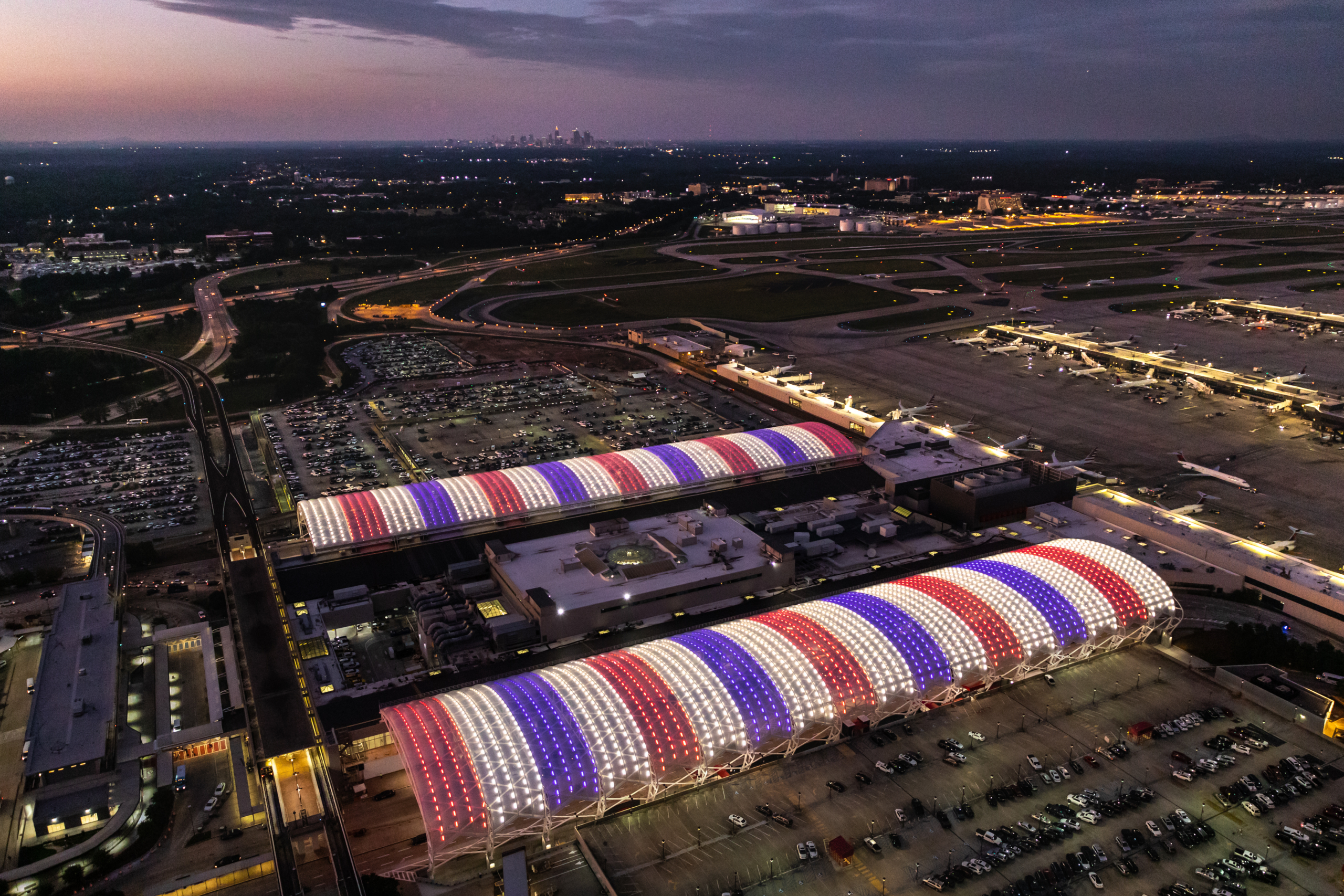
Hartsfield-Jackson Atlanta Airport has retained its position as the world’s busiest airport, as global passenger traffic nears 10 billion and Asia-Pacific hubs climb the rankings.
That’s according to the Airports Council International (ACI) World ranking of the busiest airports, which looks back at activity over the course of 2025.
In 2025, Atlanta handled 106.3 million passengers, while second-placed Dubai International Airport saw 95.2 million.
Tokyo Haneda rose to third place with 91.7 million passengers, an impressive 6.7% increase from 2024 figures.
The top 10 busiest airports in the world in 2025
| Rank | Airport | Passengers (m) | YoY change |
|---|---|---|---|
| 1 | Hartsfield-Jackson Atlanta International Airport | 106.3 | -1.6% |
| 2 | Dubai International Airport | 95.2 | +3.1% |
| 3 | Tokyo Haneda Airport | 91.7 | +6.7% |
| 4 | Dallas/Fort Worth International Airport | 85.7 | -2.5% |
| 5 | Shanghai Pudong International Airport | 84.9 | +10.7% |
| 6 | Chicago O’Hare International Airport | 84.8 | +6.0% |
| 7 | London Heathrow Airport | 84.5 | +0.7% |
| 8 | Istanbul Airport | 84.4 | +5.5% |
| 9 | Guangzhou Baiyun International Airport | 83.6 | +9.5% |
| 10 | Denver International Airport | 84.4 | +0.1% |
The top 10 airports account for around 9% of global passenger traffic.
Asia-Pacific airports climb global rankings
While the top positions remain stable, the most significant movement is coming from airports in Asia-Pacific.
Shanghai Pudong Airport climbed from 10th to fifth in 2025, handling 84.9 million passengers, up 10.7% year on year and 11.6% above pre-pandemic levels. Growth was driven by a rebound in international travel, eased visa policies and expanded connectivity.
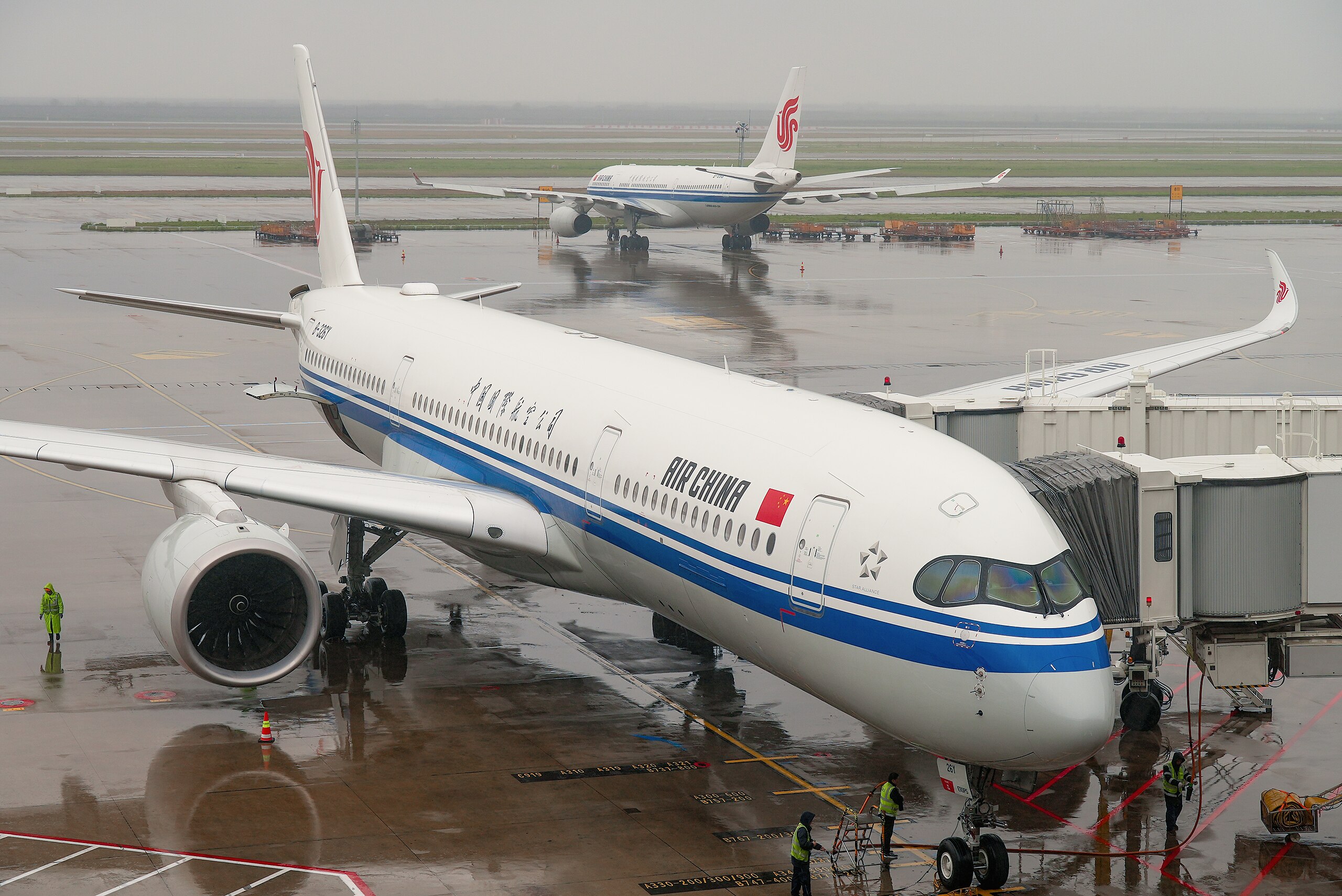
Guangzhou Airport also climbed the rankings, rising from 12th to ninth in 2025 with 83.6 million passengers, up 9.5% year on year. The recovery has been rapid, with the airport ranked as low as 57th in 2022.
Four US airports are among the top 10 busiest in the world
The United States continues to dominate the rankings, with four airports in the global top 10.
- Hartsfield-Jackson Atlanta retained the top spot with 106.3 million passengers
- Dallas/Fort Worth ranked fourth with 85.7 million passengers, despite a 2.5% decline
- Chicago O’Hare climbed to sixth with 84.8 million passengers, up 6% year on year
- Denver placed 10th with 84.4 million passengers, broadly flat year on year
All four airports are heavily reliant on domestic traffic, which accounts for between 80% and 95% of total passengers.
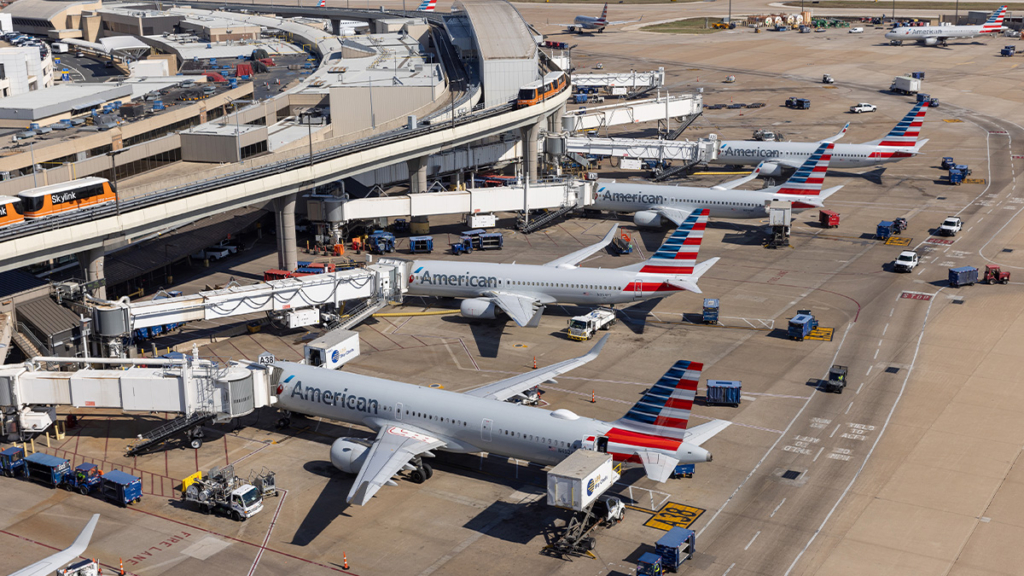
Elsewhere, London Heathrow slipped from fifth to seventh with 84.5 million passengers, while Istanbul Airport dropped from seventh to eighth despite continued growth.
Chicago O’Hare also ranked first globally for aircraft movements, underlining the continued operational intensity of US hubs.
Total global passenger traffic in 2025 reached an estimated 9.8 billion, up 3.6% from 2024. Much of this growth was driven by international demand and strong recovery in the Asia-Pacific region, with China’s reopening boosting global hubs and accelerating growth.
Asia-Pacific hubs also top cargo rankings
Alongside passenger growth, air cargo volumes are also estimated to have increased by 2.9% YoY to almost 128.9 million metric tonnes in 2025.
Hong Kong and Shanghai Pudong remain in first and second place, respectively, among the busiest cargo hubs. Incheon in Korea, Taipei in Taiwan, and Guangzhou also featured in the top 10 airports for cargo volumes.
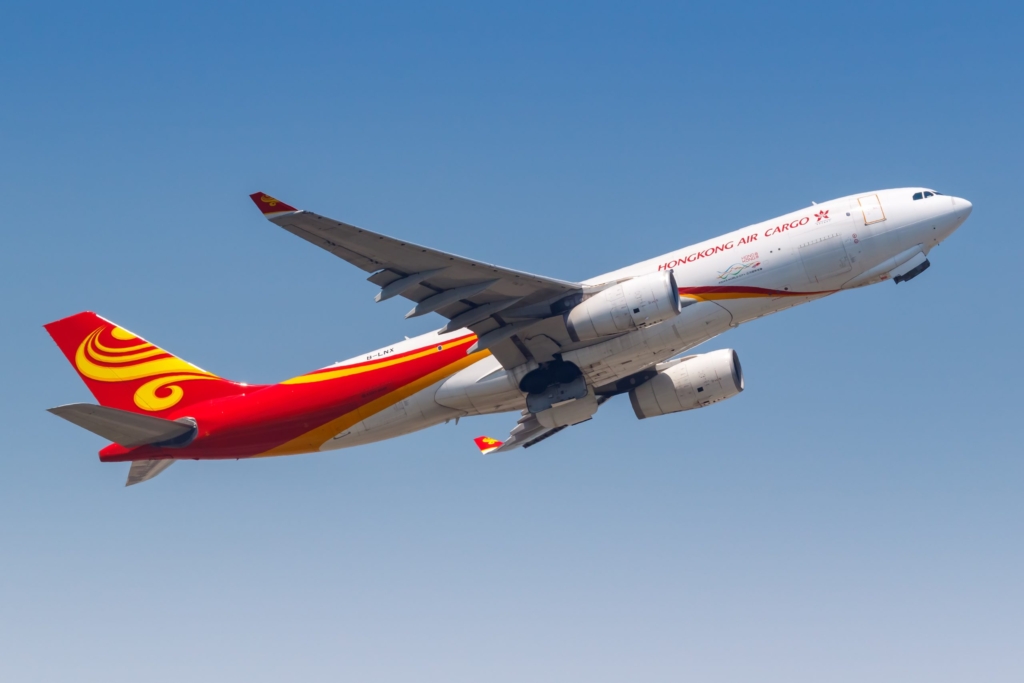
Airports in the US also fared well in cargo rankings, with Ted Stevens Anchorage in Alaska, Louisville Muhammad Ali in Kentucky, Miami in Florida, and Memphis in Tennessee all featured in the top 10. In the Middle East, Doha’s Hamad International Airport also retained its position in ACI’s ranking of leading cargo hubs.
Busiest cargo airports in the world in 2025
| Rank | Airport | Region |
|---|---|---|
| 1 | Hong Kong International Airport | Asia-Pacific |
| 2 | Shanghai Pudong International Airport | Asia-Pacific |
| 3 | Ted Stevens Anchorage International Airport | North America |
| 4 | Louisville Muhammad Ali International Airport | North America |
| 5 | Incheon International Airport | Asia-Pacific |
| 6 | Memphis International Airport | North America |
| 7 | Taipei Taoyuan International Airport | Asia-Pacific |
| 8 | Doha Hamad International Airport | Middle East |
| 9 | Guangzhou Baiyun International Airport | Asia-Pacific |
| 10 | Miami International Airport | North America |
The top 10 cargo airports account for around a quarter of global air freight volumes.
US dominates in aircraft movements
Global aircraft movements reached around 101.5 million in 2025, up 2.3% year on year, with US airports dominating the rankings.
Chicago O’Hare ranked first globally with 860,015 aircraft movements, overtaking Atlanta, which handled 807,625. Dallas/Fort Worth placed third with 743,394 movements.

US hubs filled the next four positions, with Denver, Las Vegas, Los Angeles and Charlotte all ranking in the global top seven.
Outside the US, Shanghai was the highest-ranked airport in eighth place, followed by Guangzhou in ninth and Istanbul in 10th.
Busiest airports for aircraft movements in 2025
| Rank | Airport | Aircraft movements |
|---|---|---|
| 1 | Chicago O’Hare International Airport | 860,015 |
| 2 | Hartsfield-Jackson Atlanta International Airport | 807,625 |
| 3 | Dallas/Fort Worth International Airport | 743,394 |
| 4 | Denver International Airport | (not specified) |
| 5 | Las Vegas Harry Reid International Airport | (not specified) |
| 6 | Los Angeles International Airport | (not specified) |
| 7 | Charlotte Douglas International Airport | (not specified) |
| 8 | Shanghai Pudong International Airport | 557,046 |
| 9 | Guangzhou Baiyun International Airport | 550,512 |
| 10 | Istanbul Airport | 549,309 |
The top 10 airports account for 6.4% of global aircraft movements.
Governments urged to prioritise sustained investment
Airports Council International (ACI) World said airports are continuing to manage rising demand despite growing operational pressures.
“These hubs keep people and goods moving, supporting global trade, tourism and economic growth in their communities and regions,” said director general Justin Erbacci.
However, he warned that to help keep pace with rising demand, “governments must prioritise sustained investment in airports and the broader aviation ecosystem.”
Much of the growth in passenger traffic in 2025 can be credited to a resilient but fragile economy, according to the airport trade body. It noted that global GDP grew ~3 – 3.2%, was above expectations given ongoing risks from trade tensions, protectionism and policy uncertainty affecting air travel demand.
Lower fuel prices and easing inflation also supported demand, with jet fuel prices falling ~13% YoY in 2025. However, ongoing geopolitical tensions mean this tailwind is unlikely to persist into 2026.
Challenges persist, with capacity a key constraint at some of the world’s busiest air transport hubs. Infrastructure and slot constraints in some regions are curbing further growth, while aircraft delivery backlogs and air navigation limitations are further compounding this problem.
Featured image: Atlanta Hartsfield-Jackson Airport


