


Why are new Boeing planes painted green?

3 min read
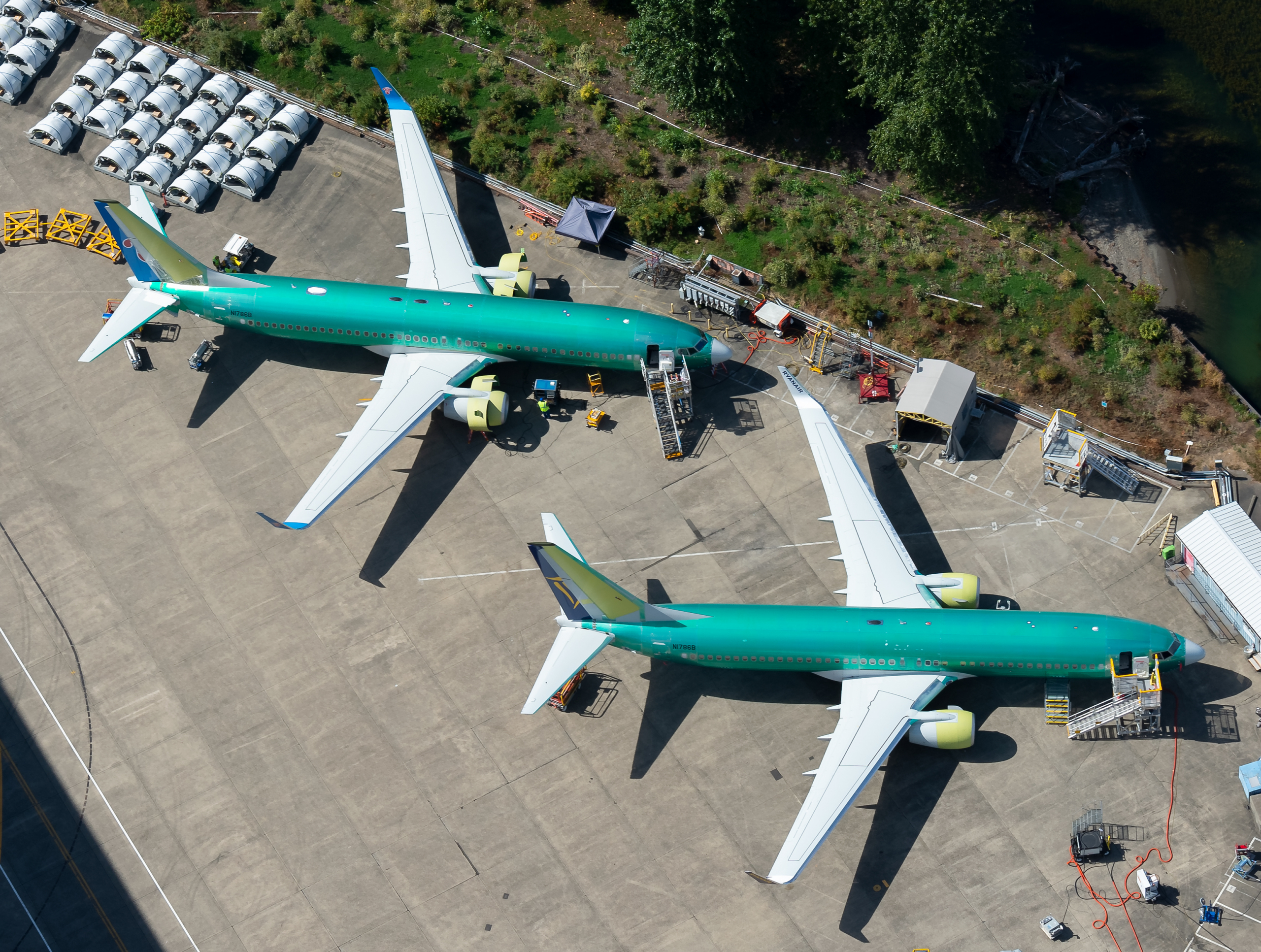
Green primer is not particularly pretty to look at, but it does act as a critical protective layer. It prevents metal corrosion and provides a stable base for final paint systems applied later by airlines.
According to the University of Cape Coast Aircraft Painting Maintenance Manual (January 2026), this protection is essential for maintaining airworthiness during production.

For manufacturers like Boeing, coating systems are selected through strict engineering reviews and must meet regulatory requirements set with the Federal Aviation Administration (FAA), including corrosion-control guidance under Advisory Circular AC 43-4B.
Why does aluminium need protection?
Most airliners use aluminium alloys for their strength-to-weight benefits, but the problem is that aluminium naturally oxidises when exposed to air and moisture. If left unchecked, corrosion can weaken structural integrity and affect safety.
The green-tinted primer acts as a barrier during assembly, transport, and storage, preventing corrosion before final painting.
Surface preparation and application
Before priming, aircraft surfaces are cleaned, lightly abraded, and inspected for defects including scratches or dents.
Once prepared, a zinc-chromate-based primer is sprayed over exposed metal, then cured to form a durable protective layer. Any minor damage is repaired before final coatings are applied.
Painting takes place in controlled hangars, and the primer stage can often be completed in less than 24 hours at Boeing facilities in Washington State and South Carolina.
Why do some aircraft skip the green primer?
Not all aircraft actually need corrosion-based protection. The Boeing 787 Dreamliner, for example, is built mainly from carbon-fibre composites, which do not corrode like aluminium.
As a result, much of its structure does not require traditional green primer. The same is true for composite sections on aircraft, like the Boeing 747-8 wing structure.
Even the weight of the paint is considered
A full paint system, including primer, colour layers, and clear coat, typically adds around 270-540 kg to an aircraft. This is roughly equivalent to six to eight passengers with luggage.

Extra weight, of course, means burning extra fuel and therefore extra cost, which is why airlines have been experimenting. In fact, last year, easyJet looked at using a new lightweight paint solution to help reduce carbon emissions.
Why does the paint sometimes look patchy?
The green colour itself comes from earlier zinc chromate formulations, which were originally yellow before pigments like carbon black created the familiar green tone we see now.
Aircraft in production also often appear in multiple colours because different components arrive with different protective finishes.
Composite parts may also carry UV protection layers, creating a patchwork appearance that is completely normal.
From primer to airline livery
Once final painting is complete, the green primer is fully covered by the airline’s livery and protective clear coat. These final layers provide branding while also protecting the aircraft from weather, UV exposure, and operational wear.
Ultimately, the green coating is a hidden but essential part of ensuring that a new aircraft enters service fully protected and ready to safely transport passengers.

Featured image: Thiago Trevisan – stock.adobe.com
Sign up for our newsletter and get our latest content in your inbox.


More from

October 25, 20265 min read


