Why do some fighter jets have extra wings on the nose?

3 min read
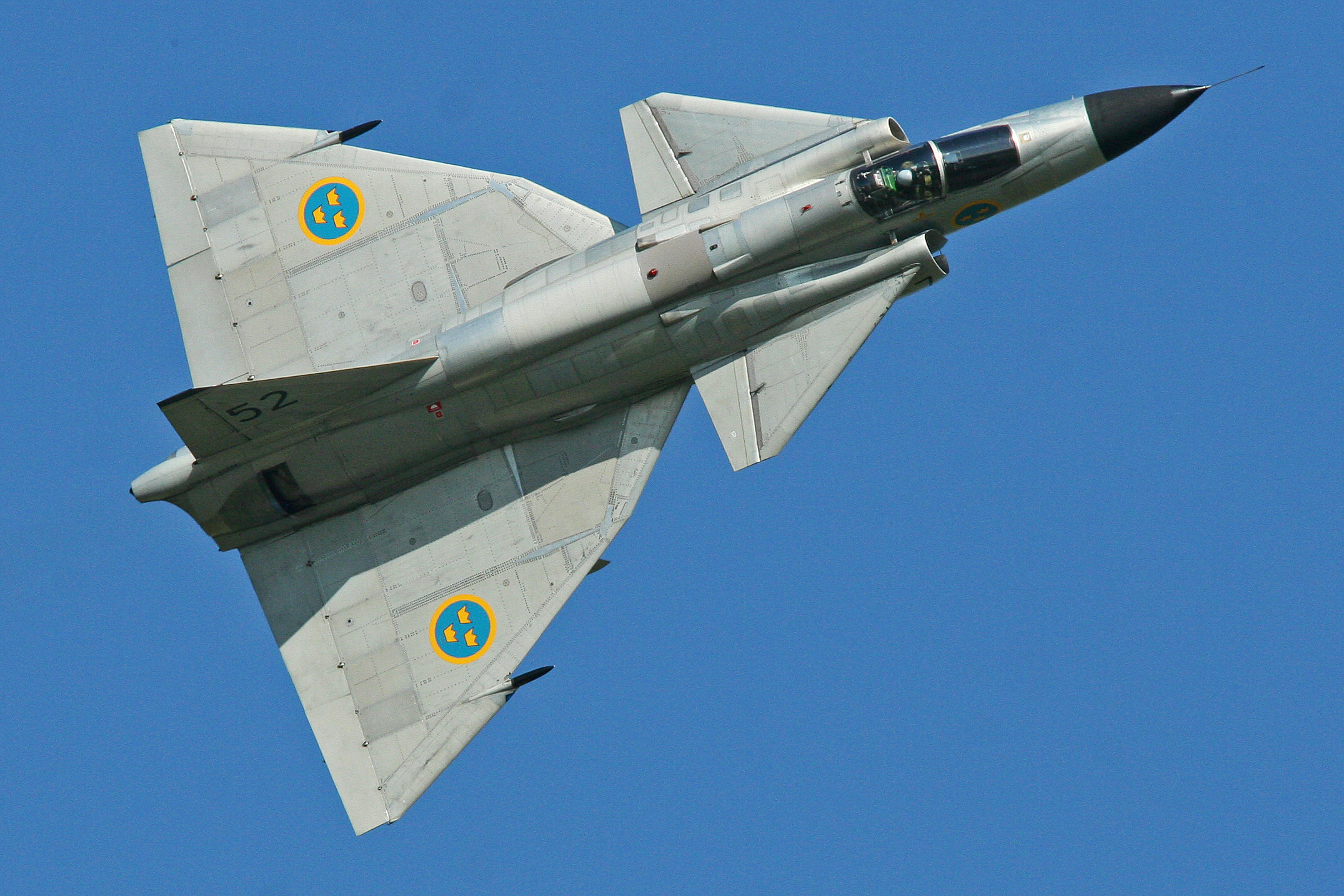
A small forewing installed on some aircraft and guided missiles is called a canard. Placed ahead of the main wing, the canard enhances the aircraft’s longitudinal, static, and dynamic stability characteristics.
The design optimises aircraft manoeuvrability and control at low speeds. Canard surfaces also reduce the main wing loading and enable more streamlined airflow through the aircraft exterior.
Elbert Leander “Burt” Rutan, an American aerospace engineer, popularised canard configurations on high-performance home-built aircraft in the 1970s.
Canard configuration is generally used on fighter jets, which can require greater agility, particularly during high angle-of-attack maneuvers during combat. In the early 1970s, the Swedish Saab 37 Viggen became the first canard-configuration combat aircraft produced in large quantities.
The Saab 37 Viggen laid the foundation of canard-configured aircraft
The requirements from the Swedish Air Force primarily dictated the Saab 37 Viggen design with strong emphasis on roll stability during attack and interception operations.
The canard was installed slightly higher than the main wing, acting as a vortex generator. Canard surfaces onboard the Viggen were equipped with flaps, allowing greater lift and drag characteristics during flight. Moreover, the roll stability of the aircraft, particularly in the transonic flow region, was improved.

Two decades later, two of the most popular multirole fighters, the Eurofighter Typhoon and the Dassault Rafale, were designed with a canard surface forward of the main wing. The twin-engine supersonic fighter is a highly agile aircraft at both subsonic and supersonic speeds, thanks to its canard and flaperon control surfaces. The additional control surfaces, coupled with low wing loading provides greater stability and control during pitch and roll.
Aerodynamic advantages of the forewing canard
Lift distribution and enhancement
On traditional aircraft designs, the lift produced by the main wing counteracts the aircraft’s weight. With a canard configuration, the aircraft’s weight is shared between the two wings, offering enhanced lift and optimised lift distribution.
Canard surfaces exert an upward force, which relieves the main wing loading. Moreover, downwash from the canard surface can positively influence the airflow received by the main wing. Having distributed lift, the aircraft benefits from a lightweight wing and greater control during all phases of flight.
Pitch control during high-speed manoeuvring
While the main wing carries most of the aircraft’s weight, the canard surface enhances pitch control during high-speed manoeuvres. Control canards are generally fixed at zero degree angle, offering pitch-up correction during wing stalls.

Moreover, pilots have greater control of the aircraft at low speeds and high angles of attack. On most canard designs, the onboard electronic flight control system creates static and dynamic stability through the canard control function.
Optimised static stability
On some canard configurations, the forewing surface may act as a horizontal stabiliser, optimising the static stability of the aircraft. To achieve that, the dynamic lift coefficient is less than that of the main wing. As a result in an increased lift-induced drag, requiring a high aspect ratio and camber.
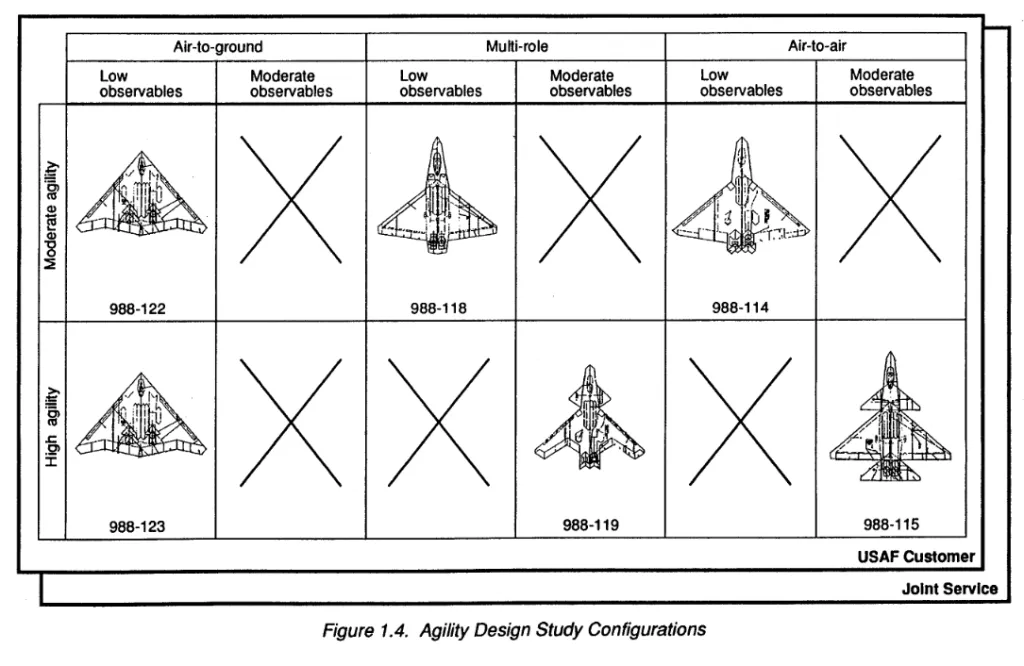
Burt Rutan’s canard design is a high aspect ratio design, offering a greater lift coefficient necessary for the static stability of the aircraft.
Canard surface offers greater longitudinal, static, and dynamic stability of the aircraft. It is particularly used on fighter jets designed for agility and combat performance. What was popularised by Burt Rutan in the 1970s has been adopted in several military and special-purpose aircraft.
Featured Image: Alan Wilson / Wikimedia Commons
Sign up for our newsletter and get our latest content in your inbox.


More from

October 11, 20263 min read