


Why is boarding an aircraft still so slow? The biggest causes of airline boarding delays revealed

4 min read
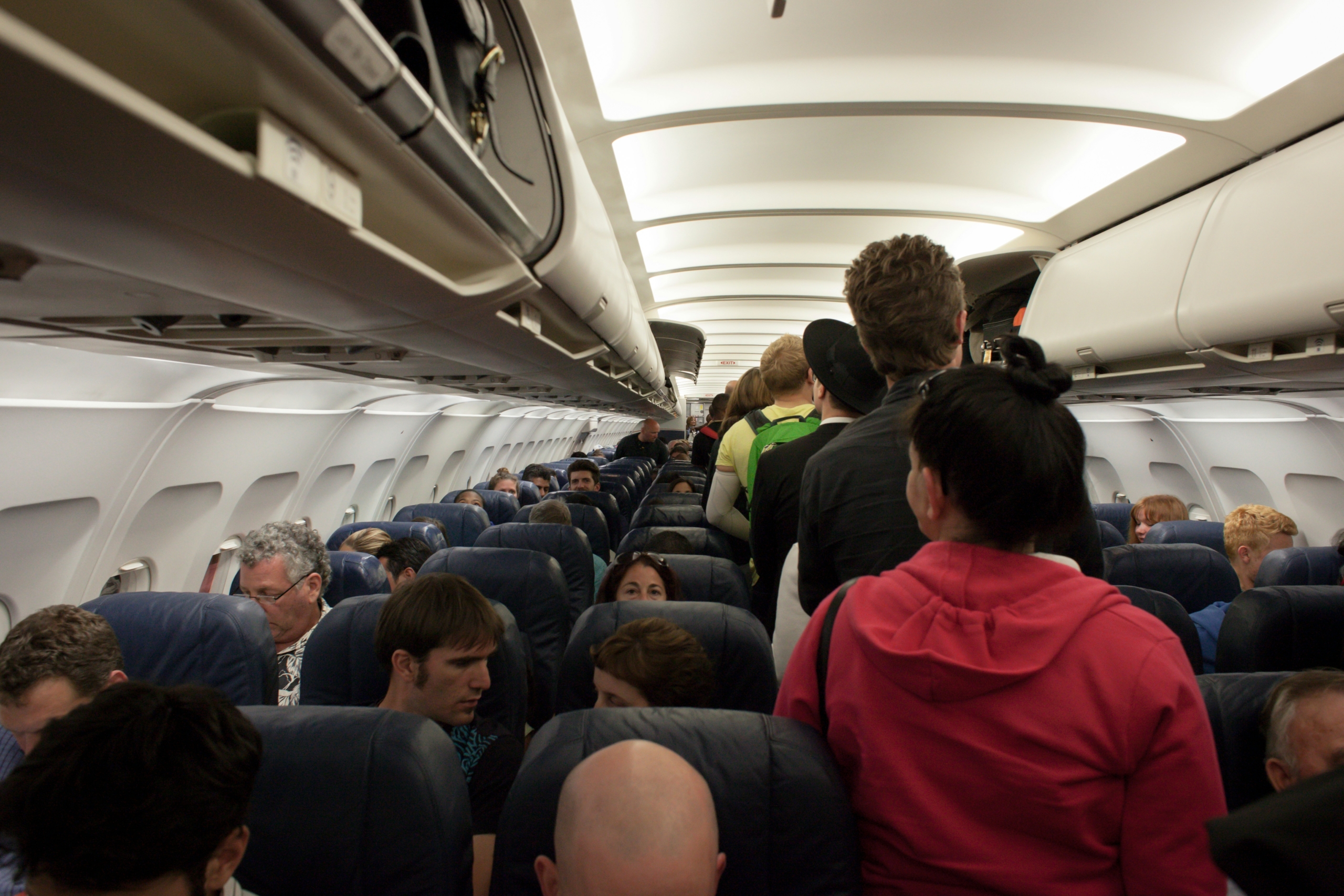
Aircraft can carry hundreds of passengers across continents in a matter of hours, yet getting everyone into their seats can still be painfully slow. Queues form at departure gates, overhead lockers fill up and passengers wait in the aisle while others settle in.
For airlines, this is more than a passenger inconvenience. Boarding affects aircraft turnaround times and can put pressure on departure schedules. So why is it still so difficult to get people on board quickly?
The biggest problem: narrow aircraft aisles
The biggest obstacle is space. Aircraft cabin aisles are notoriously narrow, and when one passenger stops to lift a suitcase into an overhead locker, everyone behind them must wait.
Other small delays soon follow, with passengers searching for their row, moving aside to let others reach window seats or struggling to fit bags into already crowded lockers. Each incident takes seconds, but across a full aircraft, the lost time adds up.
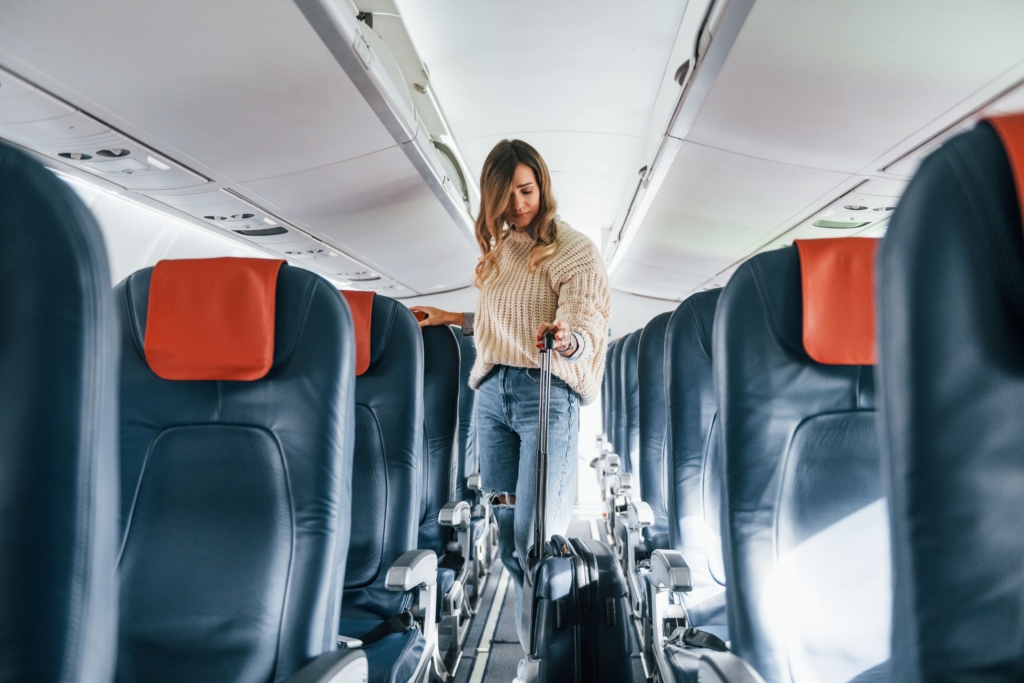
Unlike a railway platform, where people can spread out, an aircraft offers few alternative routes. Once the aisle is blocked, there is little room to work around the problem.
Do airline boarding procedures actually work?
Airlines use different methods to manage the flow of passengers, from boarding by seat row to assigning groups specific times to enter the aircraft.
Boarding from the rear forwards may seem the obvious choice, but it does not always produce the quickest results. Passengers heading to nearby rows can still compete for the same locker space, leaving others waiting in the aisle.
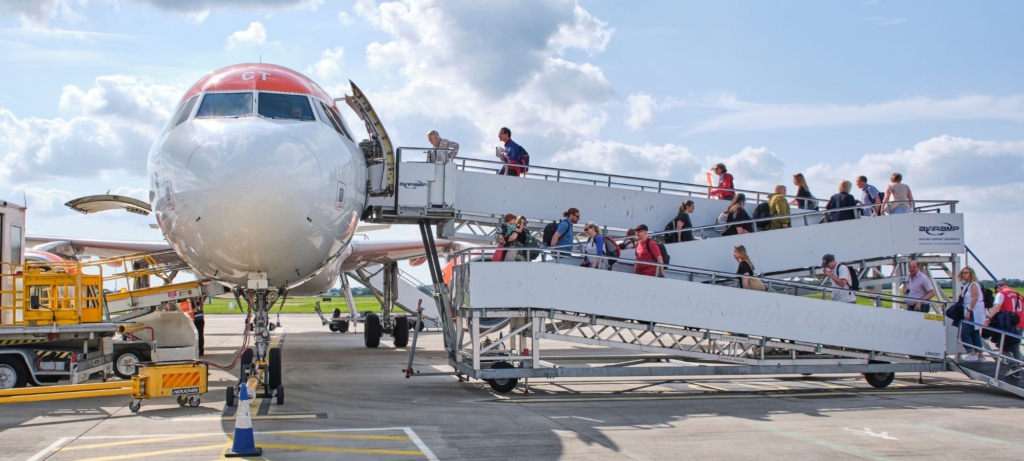
Using both front and rear doors can help spread passengers across the cabin. However, this depends on the aircraft, airport stand and ground equipment available. For example, using both front and rear doors would need two sets of steps or two air bridges which is often not practical as there simply are not enough to go around.
There is no universal solution. The best approach depends on the cabin design, passenger numbers and how effectively boarding is organised at the gate.
How cabin baggage slows boarding
Then there’s hand luggage. Passengers often prefer to carry bags on board to avoid checked-bag fees and waiting at baggage reclaim. The difficulty is that overhead locker capacity is limited.
When the lockers are full, cabin crew may need to arrange for additional bags to be placed in the hold. This creates extra work and can delay the final stages of boarding.
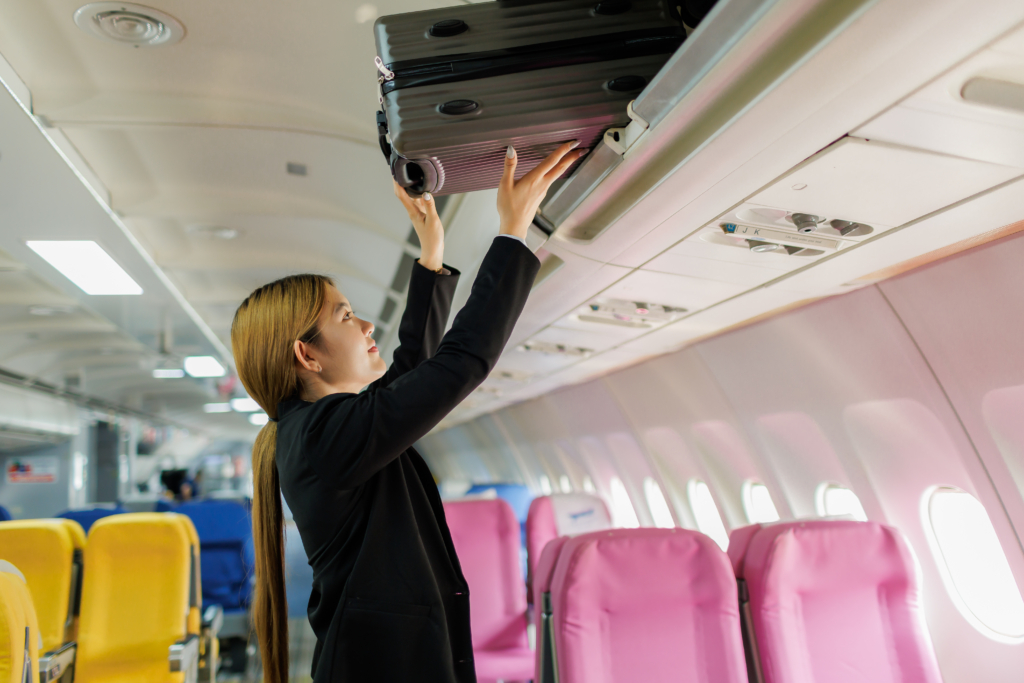
Airlines must balance convenience with efficiency. Clear baggage allowances and checks at the gate can help prevent problems before passengers reach the aircraft door.
Can technology speed up aircraft boarding?
Digital boarding passes have made checking in easier, but they haven’t solved the problem of getting passengers onto the plane quickly. However, new technologies could help speed things up.
For example, American Airlines has been introducing automated boarding gates at Dallas/Fort Worth International Airport. Developed by dormakaba, these gates scan boarding passes automatically, helping passengers move through the boarding process more smoothly.
AI could also help manage overhead locker space. Researchers from Boeing Research & Technology Europe and the Technical University of Darmstadt explored how cameras and AI could predict when lockers are likely to fill up, helping staff prevent delays caused by passengers struggling to store their bags.
Meanwhile, facial recognition is helping make airport checks quicker. Hamad International Airport in Doha introduced its Fast Pass service in July 2026, working with Qatar Airways and SITA to allow enrolled passengers to use facial recognition at various airport checkpoints, including boarding.
Alongside these technologies, clearer announcements, better staff communication and more overhead locker space could make boarding faster and less stressful. The whole idea is to make the whole process run more smoothly, rather than simply getting passengers onto the plane faster.
Why aircraft turnaround times matter
The fact is, boarding is just one part of getting an aircraft ready for its next flight. Cleaning, catering, baggage handling and refuelling (where needed) must also be completed, and a delay in any of them can affect the schedule, especially for aircraft flying several times a day.
Getting passengers on board faster means dealing with full overhead lockers, crowded aisles and poor coordination on the ground. There’s no magic fix, but better planning can make boarding less frustrating and help flights leave on time.
Sign up for our newsletter and get our latest content in your inbox.


More from

October 31, 20263 min read


