


Who owns space? The treaties, laws and disputes shaping the new lunar economy

5 min read
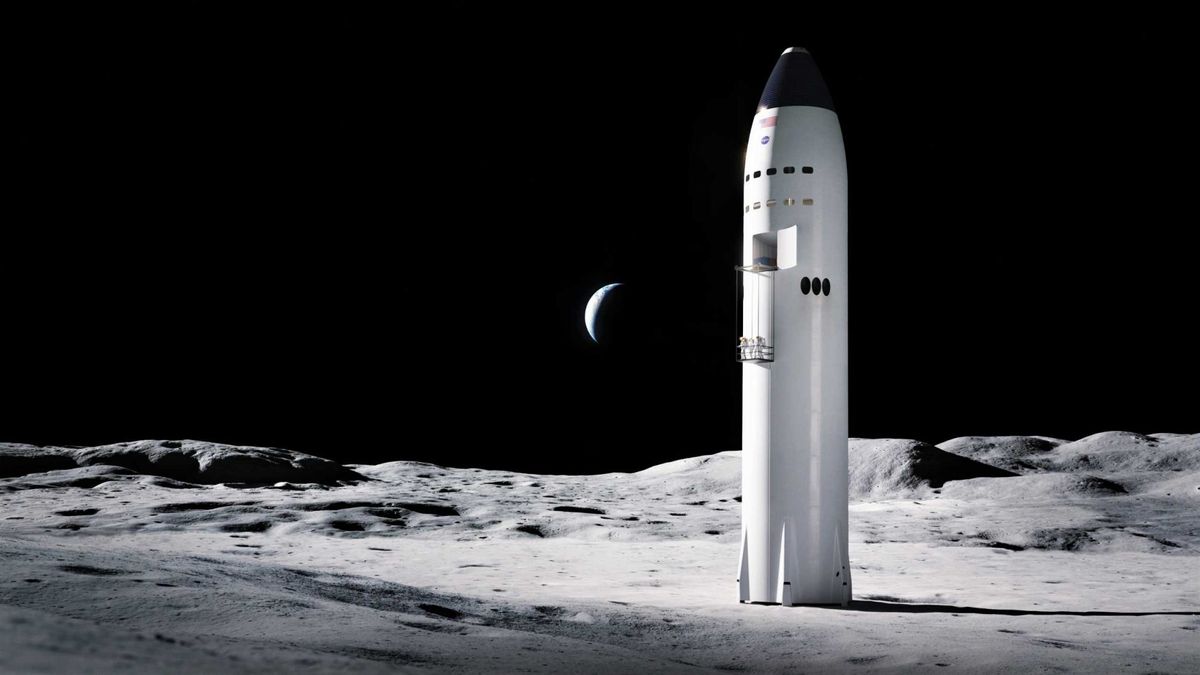
Who owns space? The short answer is no one; the long answer is considerably more nuanced.
As the United States, China and other countries pursue ambitious plans for the Moon, old space treaties are being tested by new technologies, commercial interests and growing competition.
Where does airspace end and space begin?
Article 1 of the 1944 Chicago Convention says every state has complete and exclusive sovereignty over the airspace above its territory.
But a wrinkle is that the exact altitude at which airspace ends and outer space begins has never been formally agreed. The 100-kilometre Kármán line is widely used as a practical boundary, but it is not universally established in international law.
SpaceX’s Starlink satellites operate well above this, starting at 330 kilometres, while the 2023 Chinese spy balloon – shot down by the US – was flying at around 18km.
In practice, there is little disagreement about objects operating at aircraft altitudes or in orbit. The areas in between remain less clearly defined.
The 1967 Outer Space Treaty: Why no country can own the Moon
The 1967 Outer Space Treaty remains the cornerstone of international space law.
Article II states, “Outer space, including the Moon and other celestial bodies, is not subject to national appropriation by claim of sovereignty, by means of use or occupation, or by any other means.”
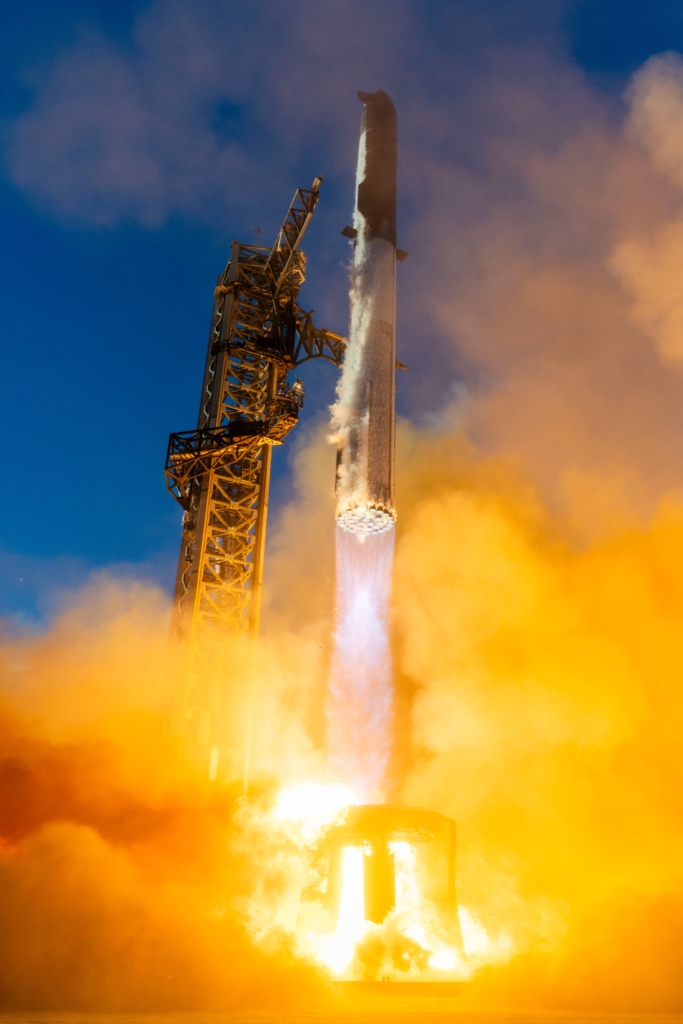
In simple terms, no country can claim part of the Moon as its own territory. However, how some aspects of the treaty should be applied to future lunar settlements and resource extraction remains the subject of debate.
The treaty also establishes several other key principles. Outer space is free for exploration and use by all states, and countries cannot claim sovereignty over the Moon or other celestial bodies.
Nuclear weapons and other weapons of mass destruction cannot be placed in orbit or stationed in outer space. Military bases and weapons testing are also prohibited on the Moon and other celestial bodies.
What can countries own in space?
While countries cannot own parts of the Moon, they do retain jurisdiction over their own spacecraft, satellites and other registered space equipment.
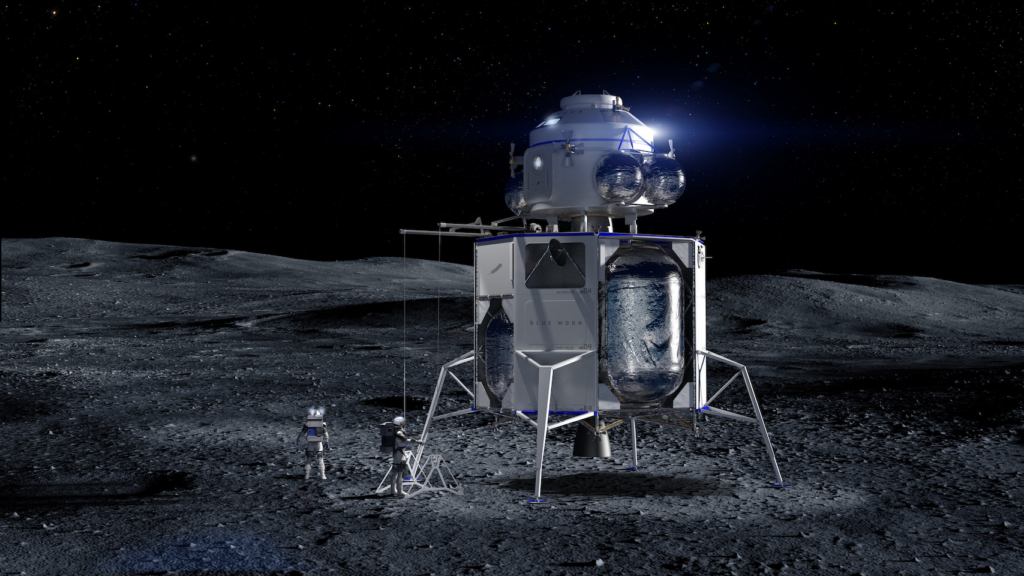
Think of it this way: a country cannot own a piece of the Moon, but it does own the lunar lander, rover or habitat it places there. This raises important questions for future lunar missions.
If one country builds a base on the Moon, can another country’s astronauts simply land beside it? Can they enter it? How close is too close?
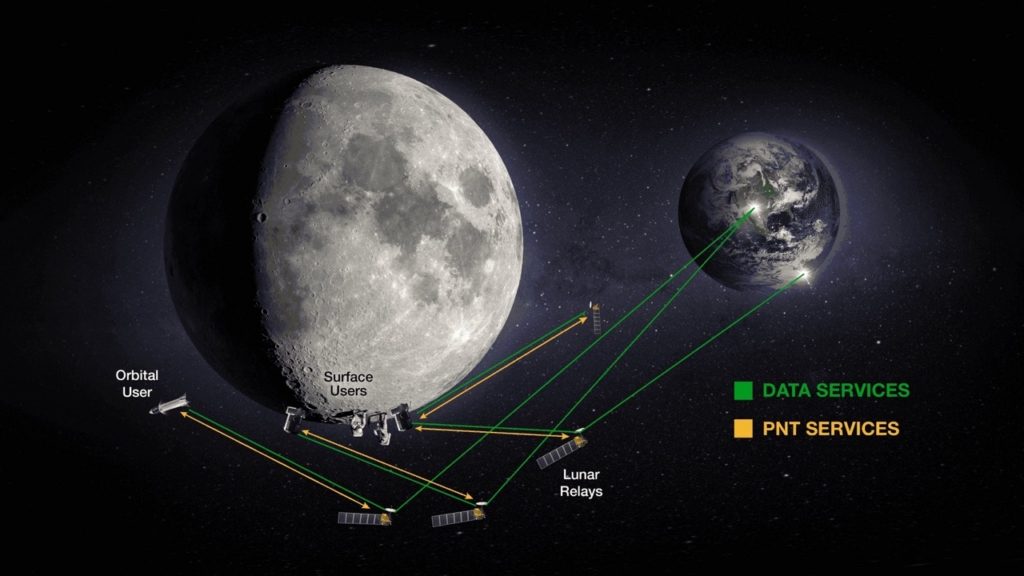
In 2020, the United States and seven initial partner countries introduced the Artemis Accords to attempt to forge an agreement to establish common interpretations and practices of the Outer Space Treaty.
The accords have since attracted dozens of signatories, although major space powers including China remain outside the framework. Supporters argue the accords provide useful operational guidance, while critics say some provisions will ultimately require broader international agreement.
One of the most closely watched concepts within the accords is the idea of “safety zones” around lunar activities, intended to prevent harmful interference between operators.
Supporters say these zones would help prevent accidents and interference between missions. Critics worry they could eventually be used to create de facto control over valuable areas of the Moon.
Can anyone mine the Moon?
Commercial companies, including Blue Origin and SpaceX, have expressed ambitions to develop lunar infrastructure and exploit extra-terrestrial resources.
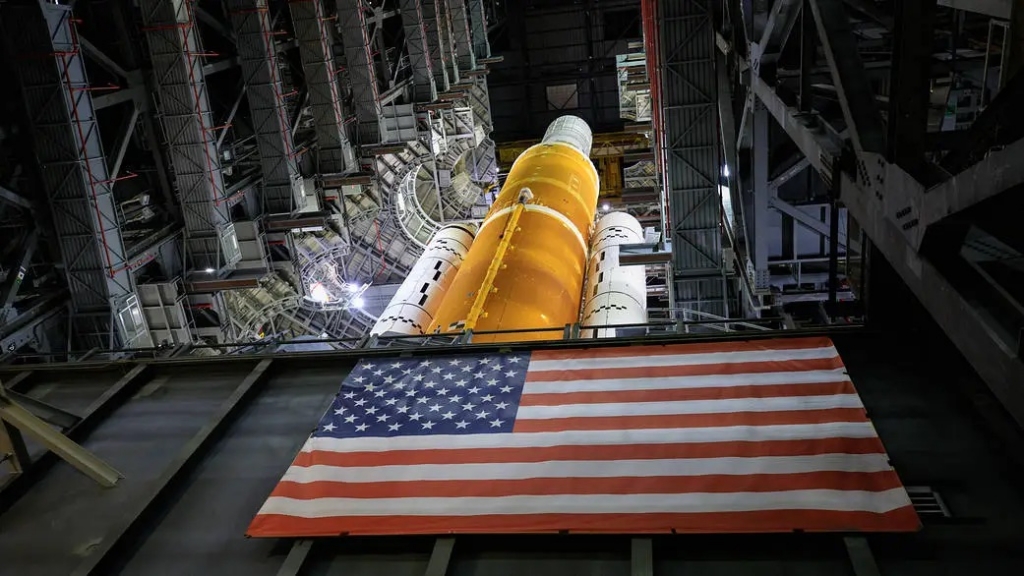
NASA’s Artemis programme and China’s International Lunar Research Station initiative, developed with different international partners, both envisage sustained infrastructure on the Moon.
India is often overlooked, but also has increasingly ambitious lunar exploration plans. Its government has announced a goal of landing an Indian astronaut on the Moon by 2040.
The law about extracting resources is also unclear. Article 11 of the Moon Agreement 1979 says the Moon and its natural resources are the common heritage of mankind. It adds that installing buildings does not establish ownership.
The agreement also notes that states would agree to establish an international regime to govern the exploitation of lunar resources when it becomes feasible. That time appears to be approaching, but it hasn’t been agreed.
The American 2015 Commercial Space Launch Competitiveness Act recognises American citizens’ rights to own resources they recover from space, while explicitly disclaiming sovereignty over celestial bodies.
Limits of international law
There are several reasons why uncertainty remains.
One is that the Moon Agreement attracted relatively few signatories compared with the Outer Space Treaty and does not include many of the world’s leading spacefaring nations.
Another is that many of the core space treaties were written decades before permanent lunar operations or commercial space-resource extraction appeared technically or economically realistic.

As a result, different countries sometimes interpret the rules in different ways – particularly on issues that barely existed when the treaties were negotiated. For example, Saudi Arabia ratified the Moon Agreement in 2012, but later withdrew, with its withdrawal taking effect in January 2024.
Even countries that have not signed the Outer Space Treaty are generally expected to follow some of its basic principles. Exactly which rules apply remains a matter of debate.
Lessons from other international agreements
A useful comparison is Antarctica. The Antarctic Treaty allows countries to carry out scientific research without settling long-running disputes over territorial claims.
Space is different because the Outer Space Treaty prohibits countries from claiming territory in the first place. Even so, both agreements show how international cooperation can continue despite disagreements over ownership and governance.
What happens next?
The basic principle at the heart of space law remains clear: no country owns the Moon. The more difficult questions concern what happens around that principle.
Who can use lunar resources? How will different countries operate in the same locations? What happens if two missions want access to the same area?
Those questions are becoming more urgent as governments and private companies move closer to sustained operations beyond Earth.
For now, the basic rules exist, but many of the details have yet to be worked out. As human activity on the Moon grows, pressure will likely increase for clearer international agreements on mining, safety zones and the operation of future lunar bases.





