Virgin Galactic delays Delta spacecraft debut and postpones commercial flights until 2027

5 min read
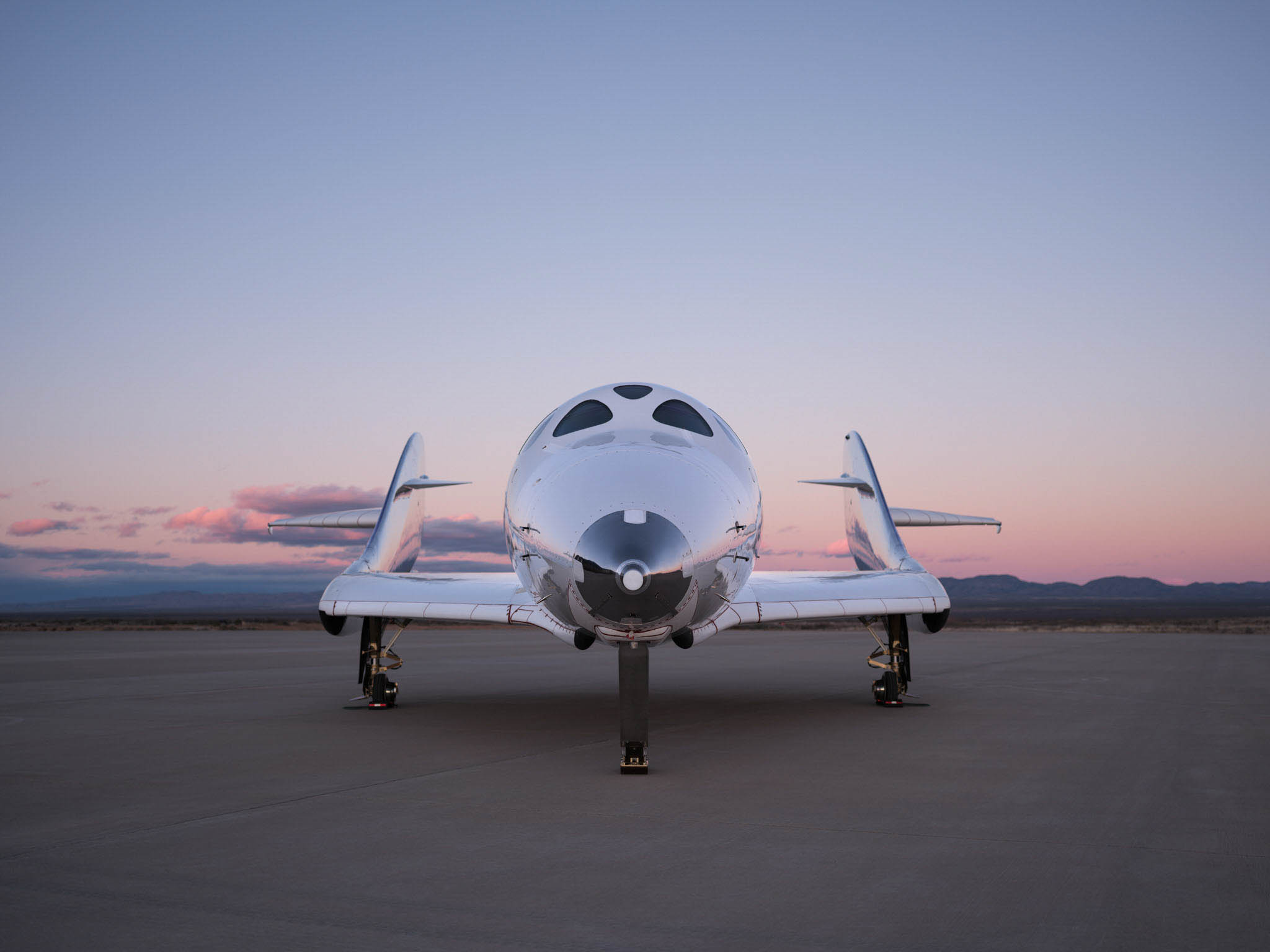
Virgin Galactic has announced that delays to avionics and systems installation will push back the resumption of its commercial suborbital flights from later this year to February 2027.
The space tourism company is developing its next-generation Delta-class spacecraft as it seeks to expand its offering.
The new vehicles will provide greater payload capacity and are designed to support a higher flight cadence, with Virgin Galactic targeting up to three suborbital flights per week from Spaceport America in New Mexico.
Why did Virgin Galactic delay flights to 2027?
Virgin Galactic says extra time is needed to complete avionics and systems installations on its Delta-class spacecraft. According to the company, hundreds of installation and integration tasks have taken longer than expected. Executives stressed that no single technical issue is responsible for the delay.
Virgin Galactic shares fall as Delta spacecraft delay announced
The delay to the entry-into-service schedule of the first Delta-class spacecraft (‘Delta 1’) was announced after the vehicle completed a full electrical systems test at Virgin Galactic’s assembly facility in Mesa, Arizona.
The news was poorly received by investors, with the company’s shares falling by 15% in early trading.
As reported by Aviation Week, Virgin Galactic now expects to ferry the first Delta spacecraft from its Mesa assembly site to Spaceport America in October, rather than August as originally planned.
“We’re confident that we’re going to make the target of flights we projected for 2027, even though we’re starting just a few months late,” said Mike Moses, president of Virgin Galactic Spaceline.
“We’ll be able to make that up pretty easily. The second Delta spacecraft will arrive in March [2027], and it will immediately enter the fleet and begin commercial service as well.”
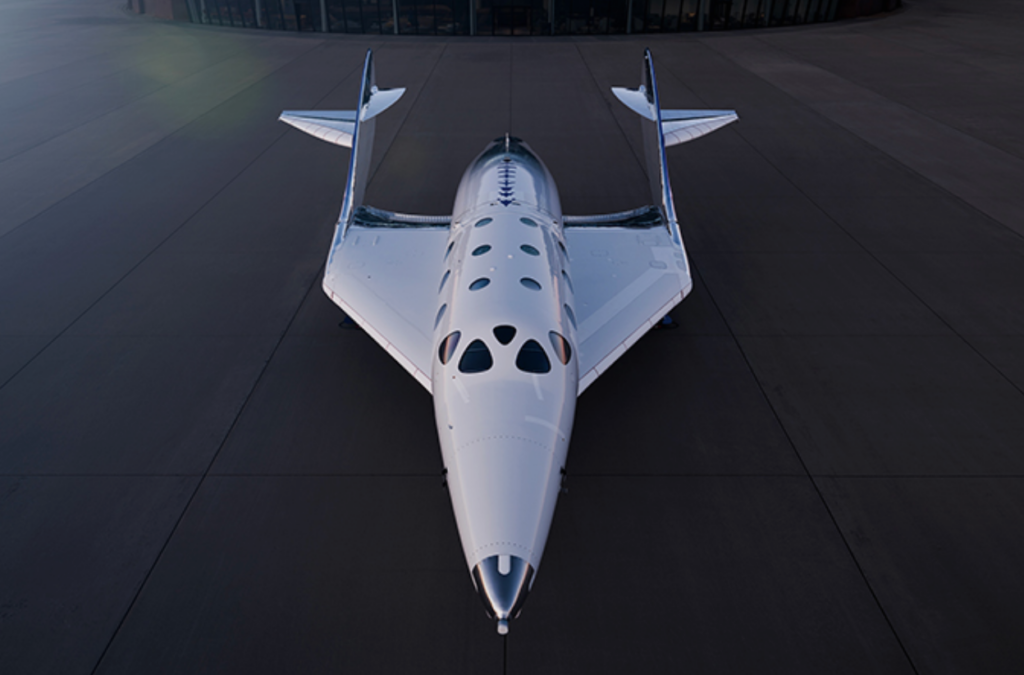
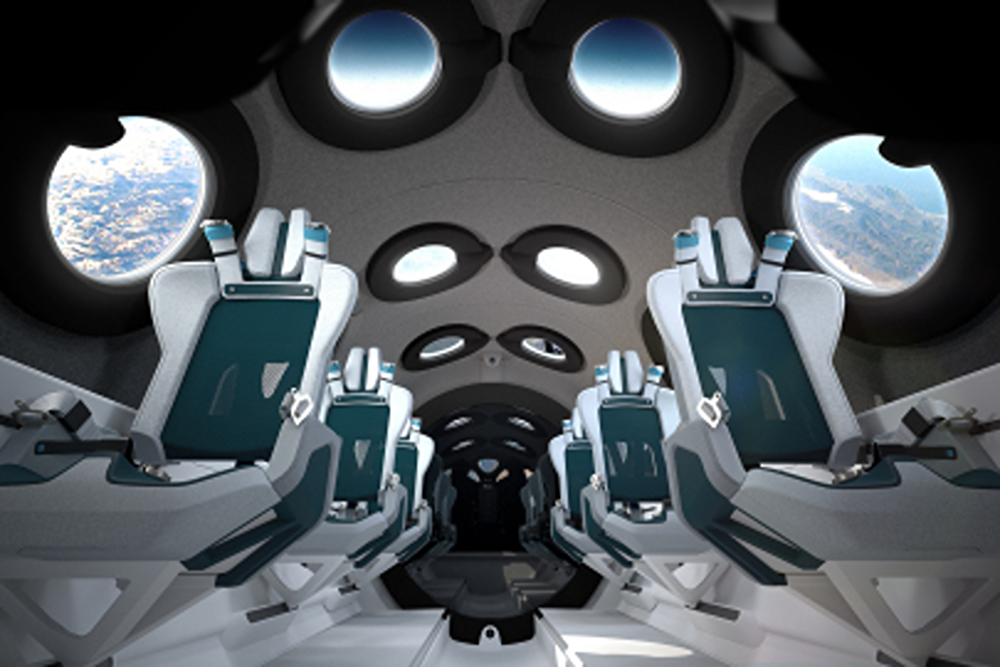
The two next-generation Delta spacecraft are designed to replace the Unity-class vehicles previously operated by Virgin Galactic.
They feature greater payload capacity and are intended to support a significantly higher mission cadence. The company is targeting up to ten
per month, or roughly three flights per week, from early next year, with demand for its spaceflight experiences continuing to exceed expectations.
Why is the Delta spacecraft programme running late?
Virgin Galactic has largely attributed delays to the Delta programme to supply-chain disruptions, which have affected deliveries of key components, as well as longer-than-expected installation times. According to Aviation Week, these issues resulted in work being carried out of sequence, disrupting the programme’s planned timelines.
During an investor call on 12 August, Moses said that lessons learned during the development and construction of the first Delta spacecraft would be applied to the completion of the second vehicle.
Assembly of the second spacecraft (Delta 2) is well underway, with all the required components now delivered and the construction schedule back on track, Moses said. In addition to new sidestick flight-control inceptors and updated displays, the Delta-class vehicles contain approximately 12 miles of wiring, significantly more than the previous Unity spacecraft.
How Delta spacecraft differ from Virgin Galactic’s Unity fleet
Many of the analogue systems used on Unity have also been replaced with fully digital systems, providing the Delta spacecraft with a more modern architecture designed to support operations for many years.
“Many of the hundreds of preparation and installation tasks have required more time to complete than we had estimated,” said Virgin Galactic CEO Michael Colglazier during the earnings call. “We expect to wrap up this phase later this month. We’ll then start our integrated vehicle ground-testing efforts.”
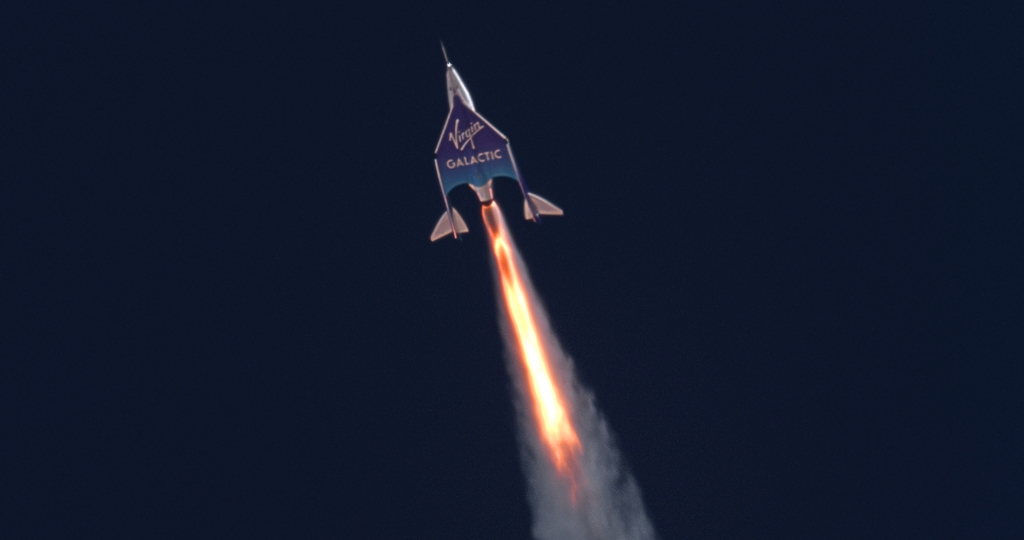
Unity conducted the company’s last revenue-generating spaceflight in June 2024. While the Delta spacecraft has been under construction, Unity has been used extensively for crew training and familiarisation flights in preparation for the Delta flight-test programme. Those tests are expected to begin shortly after the first Delta spacecraft arrives in New Mexico.
Virgin Galactic’s carrier aircraft, Eve, named after founder Richard Branson’s late mother, will transport the first Delta spacecraft from Mesa to New Mexico once testing at the assembly facility has been completed. In the meantime, Eve continues to conduct regular flights to ensure that crews maintain proficiency with the aircraft.
Following a cold-soak evaluation of Delta 1’s systems during its captive-carry ferry flight to New Mexico, Virgin Galactic plans to conduct six glide-only tests to evaluate the vehicle’s entry and landing characteristics. These tests will be conducted following release from an altitude of approximately 50,000 ft.
The initial glide-test campaign will then pave the way for a short series of powered flight tests before commercial operations are scheduled to begin in February 2027.
Virgin Galactic’s latest financial results
During its latest earnings call, Virgin Galactic also revealed that its recently opened tranche of spaceflight tickets for 2028, priced at $750,000, was oversubscribed and sold out ahead of schedule. According to the company, the resulting booking backlog has helped build a development fund of approximately $50 million.
Unlike previous ticket sales, the latest 2028 tranche attracted a larger proportion of multi-seat groups. Colglazier said these groups accounted for 60% of the new bookings. Virgin Galactic plans to open another tranche of ticket sales at a higher price later in 2027.
Despite the programme delays, Virgin Galactic reported a net loss of $56 million for the second quarter of 2026, compared with a $67 million loss during the same period in 2025. The company attributed the improvement primarily to reduced debt and lower operating expenses.
Virgin Galactic also raised $134 million through an equity offering programme, increasing its cash reserves to $286 million. However, the company warned that expenses are expected to rise during the third quarter of 2026 as additional resources are deployed to support the completion of the first Delta spacecraft.
Sign up for our newsletter and get our latest content in your inbox.




More from

October 17, 20265 min read


October 17, 20264 min read