

US Navy doubles test fleet of next-generation ‘doomsday planes’ with $1.13bn contract

3 min read
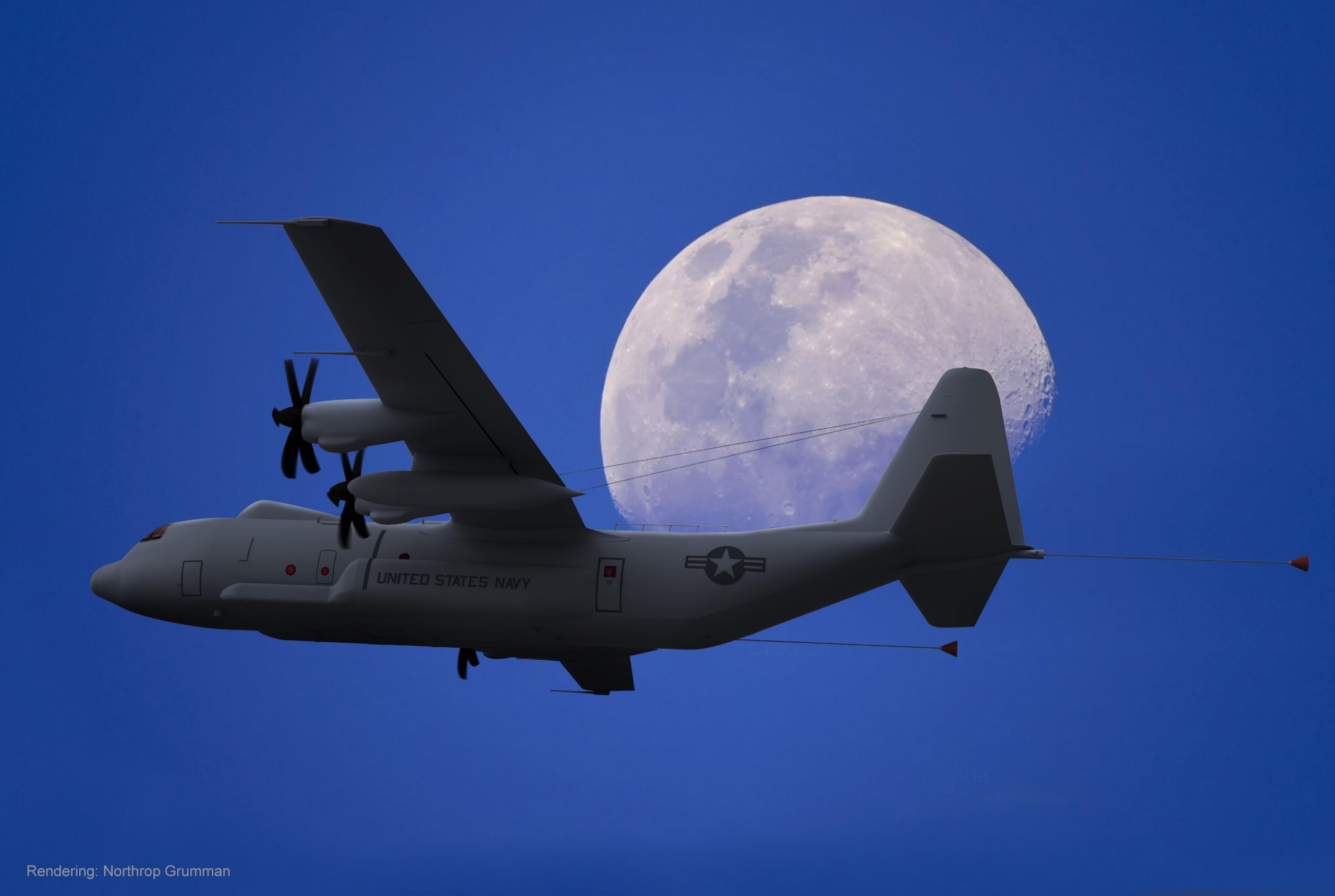

The Pentagon has awarded Northrop Grumman a $1.1 billion contract to double its ‘doomsday’ E-130J fleet.
This comes after Pentagon reports revealed that the US Navy may double its planned acquisition of E-130J Phoenix II aircraft for its Take Charge And Move Out (TACAMO).
US Navy doubles E-130J test fleet
The United States Department of War has awarded Northrop Grumman a “$1,130,397,498 cost-plus-incentive-fee modification” to the existing E-130J delivery contract.
The extra funding exercises options for another three E-130J test articles and initial spares in support of engineering and manufacturing development. This doubles the future E-130J fleet from the three previously contracted to six now.
.@LockheedMartin will deliver high-fidelity training devices and services for the E-130J Phoenix II, leveraging its proven C-130J expertise. They join the @northropgrumman industry team supporting the @USNavy Take Charge and Move Out (TACAMO) mission. Click for more:
— Lockheed Martin News (@LMNews) April 29, 2026
The contract states, “The E-130J program will integrate specialized, secure communications systems into government-furnished C-130J-30 aircraft to recapitalize the Navy’s Take Charge and Move Out strategic communications mission. “
The programme expects to complete the work by January 2030 and is based on the stretched Lockheed Martin C-130J-30 Super Hercules turboprop.
Role of E-130Js and the need to replace ageing E-6B Mercury fleet
The existing E-6B Mercury and incoming E-130J Phoenix II TACAMO fleets can be understood as serving a sort of communication relay function.
TACAMO provides aerial command and control support for nuclear ballistic missile submarines. They have the ability to transmit orders to launch nuclear strikes while they are submerged.
Due to their role in launching nuclear strikes, they are one of the aircraft types commonly dubbed ‘doomsday planes.’
Similar to the KC-135 Stratotanker and the E-3 Sentry radar plane, the Boeing E-6 Mercury is based on the old Boeing 707 lineage, specifically the Boeing 707-300.
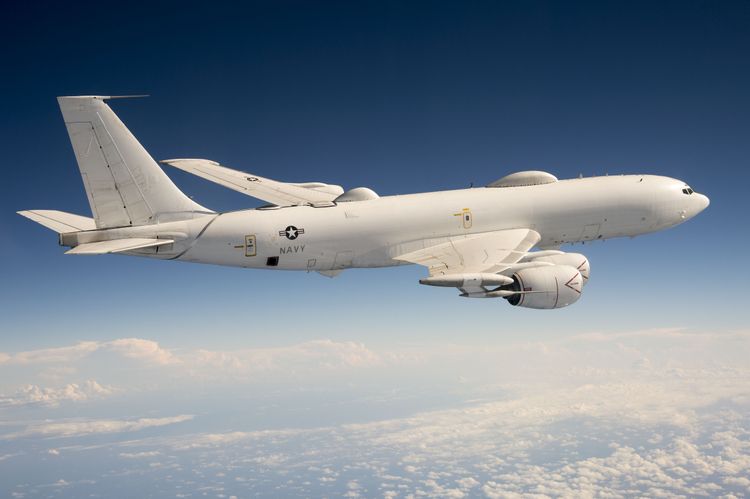
Military aircraft are often based on already old commercial aircraft; e.g., the future E-4C Survivable Airborne Operations Center (SAOC) will be based on the Boeing 747-8.
The final Boeing 707 commercial passenger flight in the US took place in 1983, while the first E-6 Mercury was delivered to the Navy in 1989. So while these aircraft are not as old as their commercial US-based counterparts, they are still around 37 years old and increasingly difficult to maintain.
The Boeing 707-based TACAMO aircraft replaced an older generation of legacy C-130-based aircraft.
US Navy planning to double its E-130J programme
In August, it was reported that the US Navy plans to double the number of aircraft to perform the TACAMO mission. A released Pentagon report suggested it was intending to acquire 31 E-130J Phoenix II aircraft to replace its 16 ageing E-6B Mercury aircraft.
But while the E-130 is to take over the core TACAMO role, it is not planned to inherit all of the E-6’s roles, including the Looking Glass / ABNCP / airborne launch-control roles for land-based ICBMs and bombers.
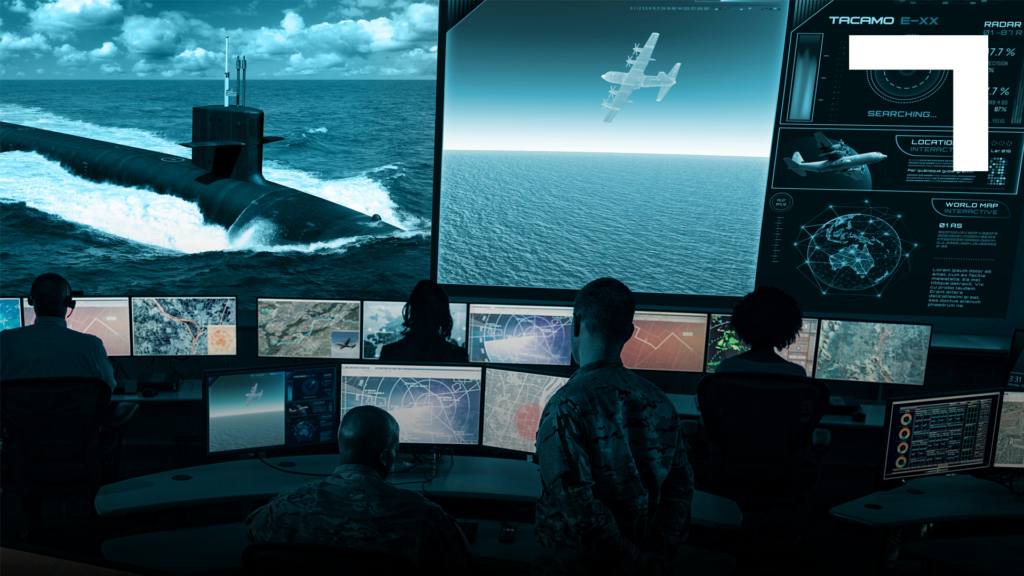
Those roles are expected to be handled by other US Air Force programmes such as the SAOC or a Looking Glass-Next programme. The decision is deliberate to make the C-130J-based design practical by reducing the retired mission systems, size, and complexity.
The decision to increase the fleet from 16 to 25 (plus six test articles) is primarily for greater resilience, dispersal, and operational margin on a more austere-capable platform.
The Navy took delivery of its first C-130J-30 airframe destined to become an E-130J Phoenix in October 2026. The aircraft will now be modified with its new systems. The exact planned entry into operational service for the E-130J remains classified.
Sign up for our newsletter and get our latest content in your inbox.