


Turkey is building an F-35 level aircraft engine: Here’s what we know so far

6 min read
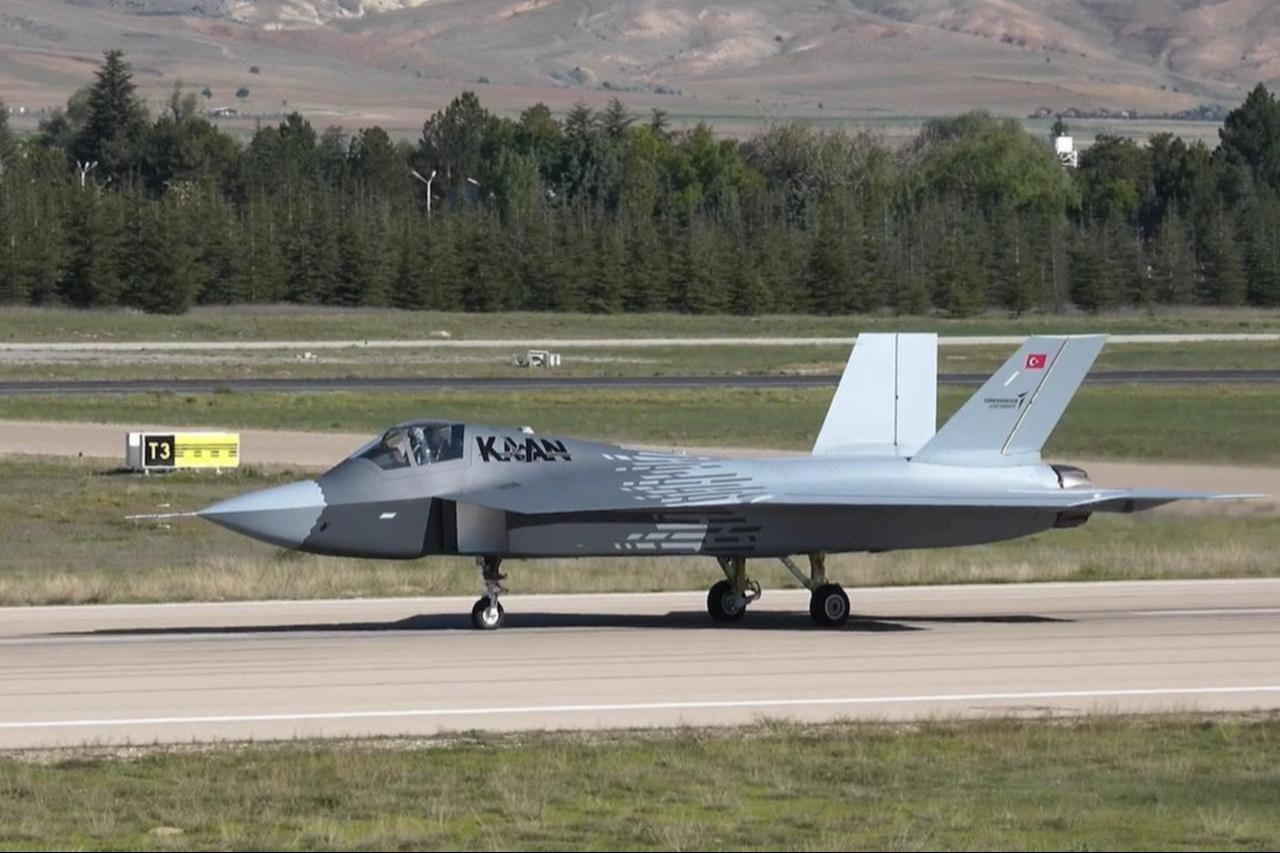

Turkey has announced it plans to produce a fighter jet engine with 42,000 lbf, a similar class to the single-engined F-35. This is raising questions as Turkey works to develop a large defence aerospace sector, including indigenous fighter jet engines.
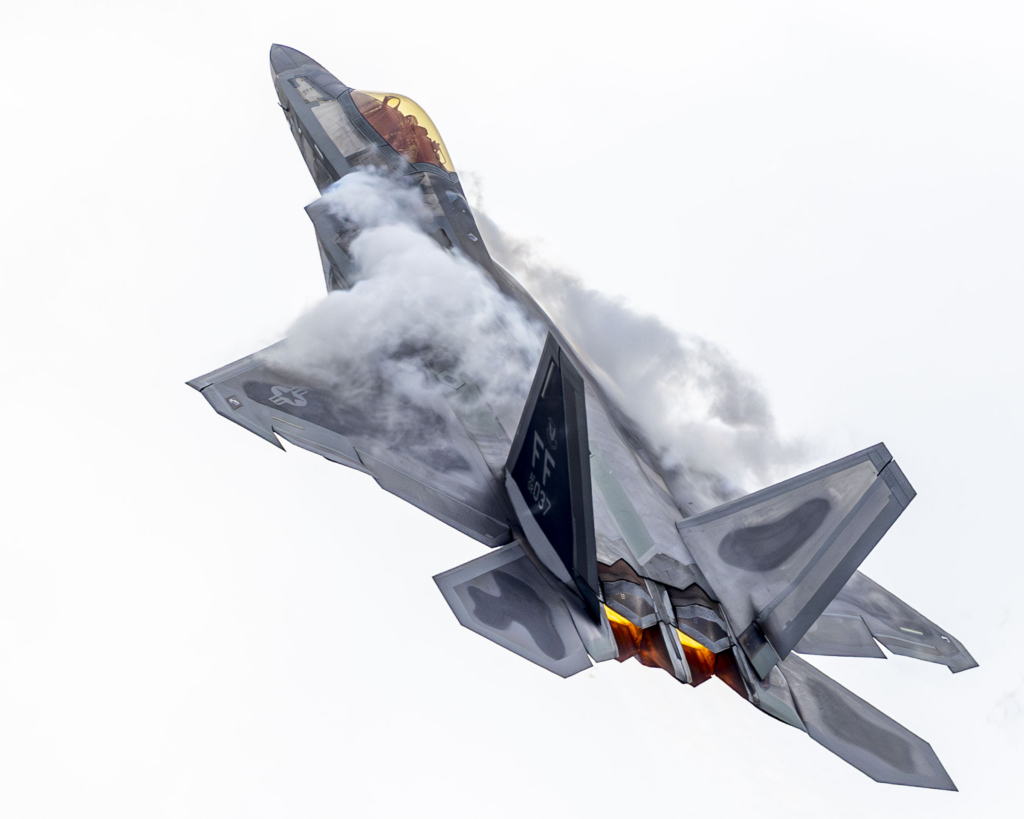
Frontline fighter jet engines are an elite club
AGN has previously reported that only five countries are able to design and build frontline fighter jet engines from start to finish. These are the United States (Pratt & Whitney, GE Aerospace), the United Kingdom (Rolls-Royce), France (Safran), Russia (NPO Saturn, Klimov), and China (Shenyang).

Additionally, Ukraine’s Ivchenko-Progress and Motor Sich, Japan’s IHI Corporation, and Germany’s MTU Aero Engines are also notable players in the field.
Any country other than these five faces difficult decisions when developing and building a domestic frontline fighter jet. Engines are one of the hardest, if not the hardest, areas of aerospace development.
The Swedish Saab Gripen E uses the American GE F414 turbofan; the South Korean KF-21 uses the American GE F404, as does the Indian Tejas.
The Sino-Pakistani JF-17 Thunder uses the Russian Klimov RD-93, while the large Turkish Kızılelma combat drone uses the Ukrainian Ivchenko-Progress AI-322F.
Joining the elite club of fighter engine-producing countries is hard. It took China decades with reverse engineering, assistance from Ukraine, and sustained investments. Even now, a quality gap remains; it is still developing commercial turbofans, and its engines are becoming powerful enough for carrier operations by 2022.
India has been trying to develop frontline fighter jet engines since the 1980s, and its main effort is the GTRE GTX-35VS Kaveri. This engine was first run in 1996 and is not expected to enter service until 2032.
The Turkish KAAN fighter jet
In 2017, Turkey was kicked out of the F-35 programme after it purchased Russian S-400 SAMs. In response, Turkey doubled down on developing its domestic KAAN fighter jet.
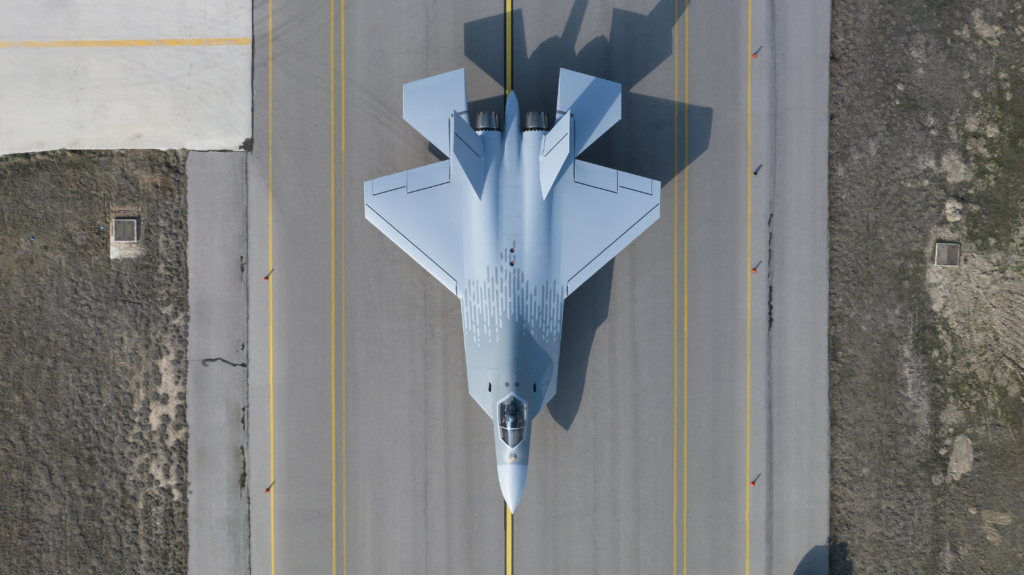
The KAAN is an ambitious fighter jet that includes some low-observability features. The aircraft first flew in 2024 and is expected to enter service between 2028 and 2030.
The KAAN has attracted some export interest, including from Indonesia, and some rumours of interest from Spain.
However, Indonesia appeared to pour cold water on it, purchasing the KAAN. It said it would only purchase the jet if it was free from US ITAR export restrictions. This is a very tall order and, among other things, requires the jet to have a different engine.
Turkey has been saying for years that the KAAN will be free from US export restrictions and that it will fly with a fully domestic Turkish engine.

For now, the aircraft is reliant on US engines, and Turkey has complained about delivery delays of these engines. India has similar complaints.
Get the latest aerospace defence news here on AGN.
The nascent Turkish jet engine industry
Turkey has had some success in developing its nascent jet engine industry, especially with smaller turbojet engines for drones.
A TUSAŞ Engine Industries/TEI in partnership is working to develop the TF35000 engine with around 35,000 lbf. The conceptual design phase is largely complete, with early testing planned for 2026.
Türkiye’s TF35000 engine program, launched in 2022, is moving faster than almost anyone expected.
— Tugay Er (@TugayEr) December 11, 2025
TEI confirms the first full tests of the TF35000 a purpose-built 5th-gen turbofan designed specifically for KAAN will take place in 2026.
TAI states that KAAN Block-20 will… pic.twitter.com/1dZxmLF1yl
Turkey Today reported in mid-2025 that the plans are to begin integration into the Kaah Block 30/40 around 2032. The first Kaans fitted with domestic TF35000 engines are expected in 2036.
This is an extremely ambitious timeline. The engine hasn’t even been run yet. If India does bring its engine into service in 2032, 36 years would have lapsed from the first run and entry into service.
Approx. timelines of fighter jet engines, actual/planned
| Engine first run | First entered service | Time lapsed | |
| India | 1996 (partial test 1995) | 2032 (planned) | 36 (approx) |
| China | 1992 (approx) | 2007 (initial) | 15 (up to 21) |
| Turkey | 2026 (planned) | 2036 (planned) | 10 (planned) |
It took around 15 years from China’s first frontline engine test (around 1992) to entry into service (around 2007), and as much as 21 years until it was in mature frontline use.
Turkey’s confusing revelation of an F-35-like engine
While it makes sense for Turkey to develop lower-powered turbojet engines and the frontline 35,000 lbf turbofan for the Kaan, Turkey caused a stir in May 2026 when it unveiled the Güçhan Turbo-Fan Aircraft Engine.
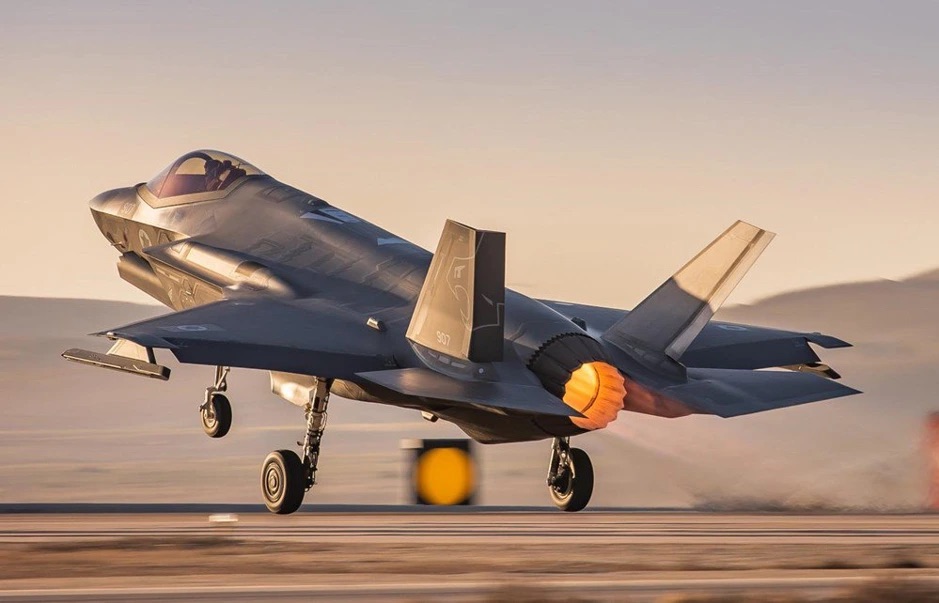
This was unveiled at the SAHA 2026 International Defence and Aerospace Fair, with the Turkish Ministry of National Defence saying it would produce a thrust of 42,000 lbf.
This is a similar thrust to the F-35’s single-engine F135. The KAAN is designed as a twin-engined jet with engines providing around 35,000 lbf.
The KAAN is not designed for this type of engine. Incorporating it would require a fundamental redesign of the aircraft.
The Turkish news outlet Cumhuriyet quoted Defence analyst Arda Mevlütoğlu as saying, “The current KAAN design was made to suit an engine in the 35,000-pound-thrust class. To accommodate a 42,000-pound engine, it would have to be redesigned from scratch.”
Mevlütoğlu adds, “An engine that matches the F110 in form and fit (dimensions) but produces F135-level thrust would not fly the KAAN — it would tear it apart.”
🚨 BIG BREAKING: Türkiye’s Ministry of National Defense has revealed new details about the indigenous GÜÇHAN Turbofan Jet Engine program.
— International Defence Analysis (@Defence_IDA) May 7, 2026
According to the ministry, work on liquid-fueled rocket engines and aircraft engines began many years ago, with major advancements achieved… pic.twitter.com/lsqWgimhtR
Another Turkish defence analyst, Kozan Erkan, was quoted as saying, “This is extremely fanciful. It almost looks as if they took the parts of the F-16 engine we already have, put them together.”
Turkey’s rising aerospace sector
It should be noted that not all serious commentators were this dismissive of Turkey’s new F-35-like engine.
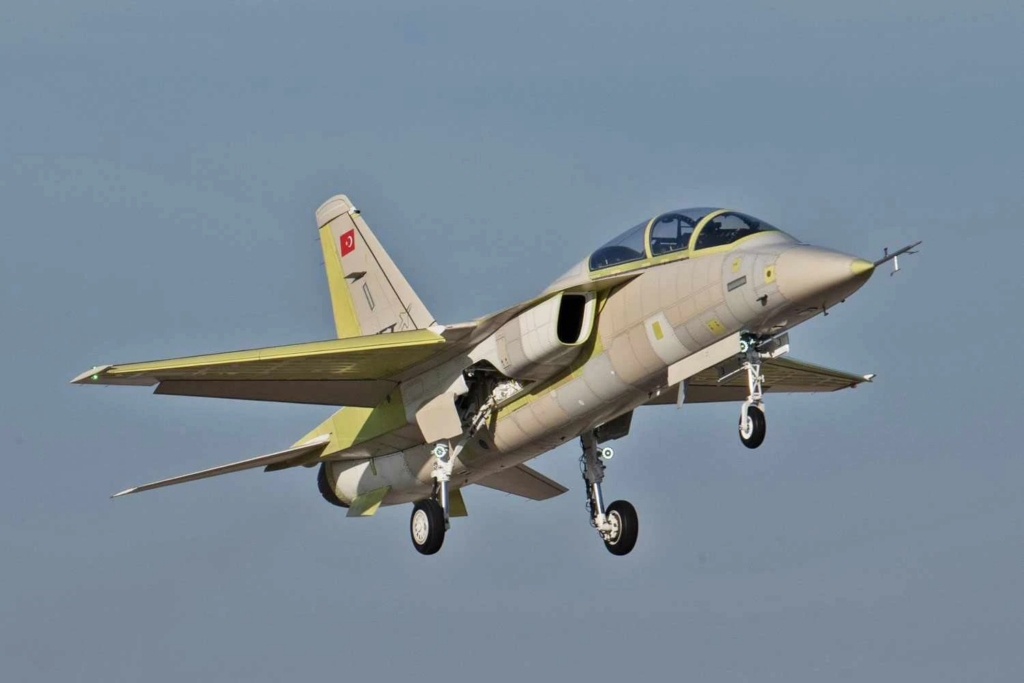
Turkey has made massive strides into the military aerospace sector and is now one of the leading forces in the medium-sized combat drone market. Its new Hürjet advanced trainer has attracted export orders from Spain.
Turkish Aerospace Industries is also developing a range of helicopters from heavy attack helicopters (e.g., TAI T929 ATAK 2) to light utility helicopters (e.g., TAI T625 Gökbey).
Turkey’s Baykar produces systems such as the Bayraktar Akıncı and the jet-powered Bayraktar Kızılelma and has acquired the Italian aerospace company Piaggio Aerospace.
BREAKING: TURKEY UNVEILS ITS FIRST INTERCONTINENTAL BALLISTIC MISSILE
— Sulaiman Ahmed (@ShaykhSulaiman) May 5, 2026
Turkey’s MoD R&D center introduced the Yıldırımhan intercontinental ballistic missile at SAHA 2026 in Istanbul.
• Range: 6,000 km
• Speed: Mach 9–25
• Propulsion: 4 engines
• Fuel: Nitrogen Tetroxide… pic.twitter.com/9ODdAvbA9e
Perhaps one of the most confusing Turkish aerospace projects is its efforts to develop the Yıldırımhan, which Al Jazeera calls an ICBM.
This has countries like Israel and the United States asking questions and worried about Ankara’s intentions.
Overall, Turkey’s lineup of ongoing military aerospace projects appears to contain everything from very successful and capable systems to ambitious fighter jets to confusing prestige projects.
Featured Image: Turkish Defence Industries
Sign up for our newsletter and get our latest content in your inbox.



More from


October 25, 20266 min read

October 25, 20265 min read


