Trump orders pay for TSA workers as airport delays worsen before Easter travel surge

3 min read
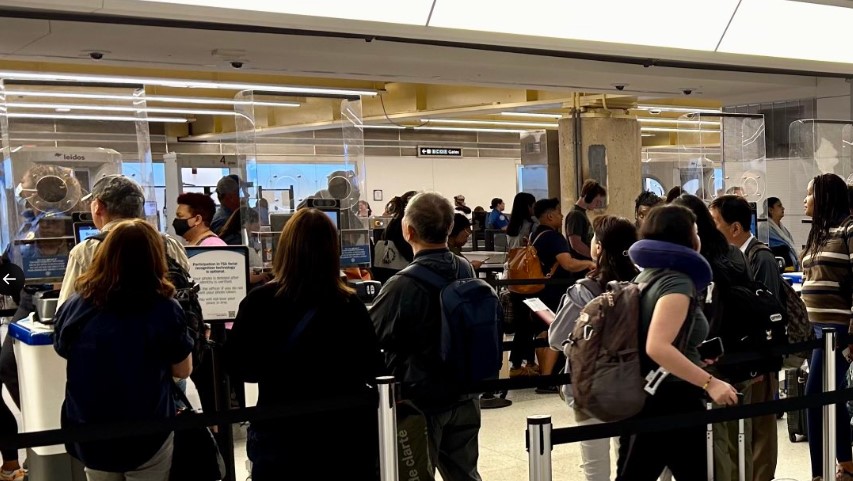
President Donald Trump has signed an executive order directing the US Department of Homeland Security to immediately pay Transportation Security Administration (TSA) officers to ease severe airport disruptions during the busy Easter and Passover travel period.
The order follows a prolonged funding lapse at the Department of Homeland Security (DHS) that has left tens of thousands of TSA workers working without pay for more than six weeks, leading to staff shortages that have caused long security lines at major US airports.
Executive order aims to restore TSA operations during US shutdown
Trump signed the order after congressional negotiations over DHS funding stalled. The directive instructs DHS to use available funds connected to TSA operations to pay the agency’s roughly 50,000 security officers, including back pay.
In the memorandum, Donald Trump framed the situation as a national emergency, arguing that the prolonged shutdown of the Department of Homeland Security had pushed the US air travel system to “breaking point”.
He said more than 60,000 Transportation Security Administration employees were currently working without pay, including around 50,000 frontline officers responsible for screening passengers at airports across the country. The president blamed congressional Democrats for the impasse, describing the situation as “an unprecedented emergency”.
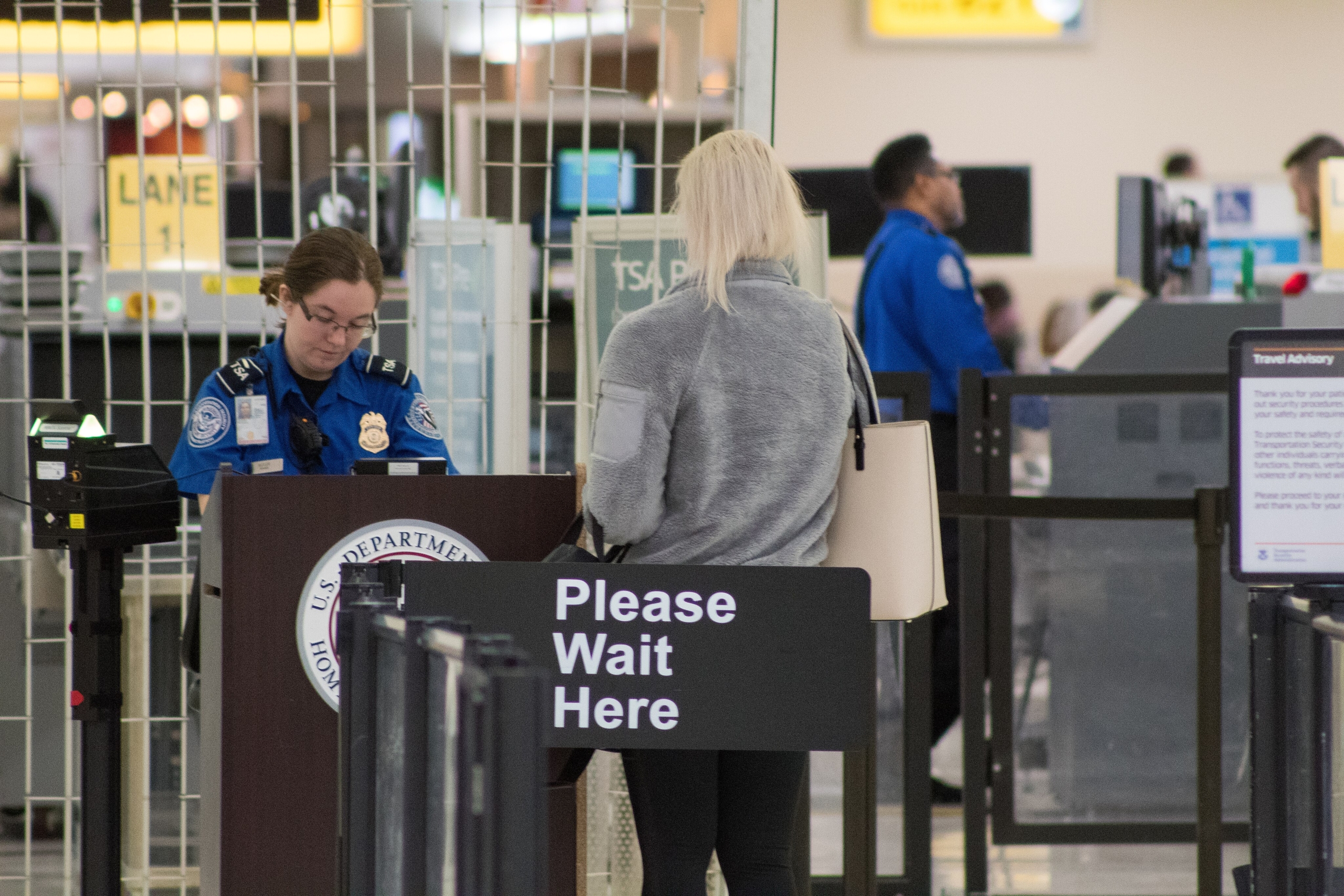
The administration also pointed to growing operational strain within the TSA workforce. According to the memorandum, nearly 500 officers have left their roles since the shutdown began, while thousands more have called in sick at unusually high rates as financial pressures mount.
“These increased wait times, combined with declining morale among TSA staff, unacceptably heighten the risk of security vulnerabilities within our domestic travel system,” the memorandum states, noting that queues at some airports have stretched to three hours or more.
Trump added that many TSA officers were continuing to work without certainty over how they would meet basic living costs, warning that the situation was “compromising the Nation’s security” and required immediate intervention.
According to the administration, TSA workers could begin receiving paychecks within days, potentially as early as Monday or Tuesday.
US airport security under pressure as TSA staffing falls
The DHS funding impasse began on February 14, forcing TSA officers—considered essential workers—to continue screening passengers without pay.
The result has been widespread operational strain. Nearly 500 TSA officers have quit since the shutdown began. Thousands of officers have called out sick or missed shifts due to financial hardship. Major airports warned travelers to arrive up to four hours early because of security delays.
George Bush airport in Houston TSA lines wrap all the way around to the basement. I’m told 3-4 hours. @KCCINews pic.twitter.com/g0VoSpqlHW
— Shannon Ehrhardt (@ShanEhrhardt) March 29, 2026
To relieve pressure on security checkpoints, the administration temporarily deployed Immigration and Customs Enforcement (ICE) agents to assist TSA staff at some airports with tasks such as ID checks and crowd management.
Officials say those agents will remain at airports until TSA staffing stabilizes, depending on how many officers return once pay resumes.
Holiday travel surge tests strained TSA security operations
The crisis has coincided with spring break travel and upcoming Easter and Passover holidays, traditionally one of the busiest periods of the year for US airports.
Even with TSA paychecks restarting, travelers may not see an immediate improvement. Training new TSA officers to replace those who have resigned can take four to six months.
Staffing losses during the shutdown could continue affecting operations in the days ahead, and travellers are advised to arrive early.
Featured Image: TSA
Sign up for our newsletter and get our latest content in your inbox.


More from

October 17, 20264 min read