Singapore Airlines posts first-quarter loss despite strong passenger demand

3 min read
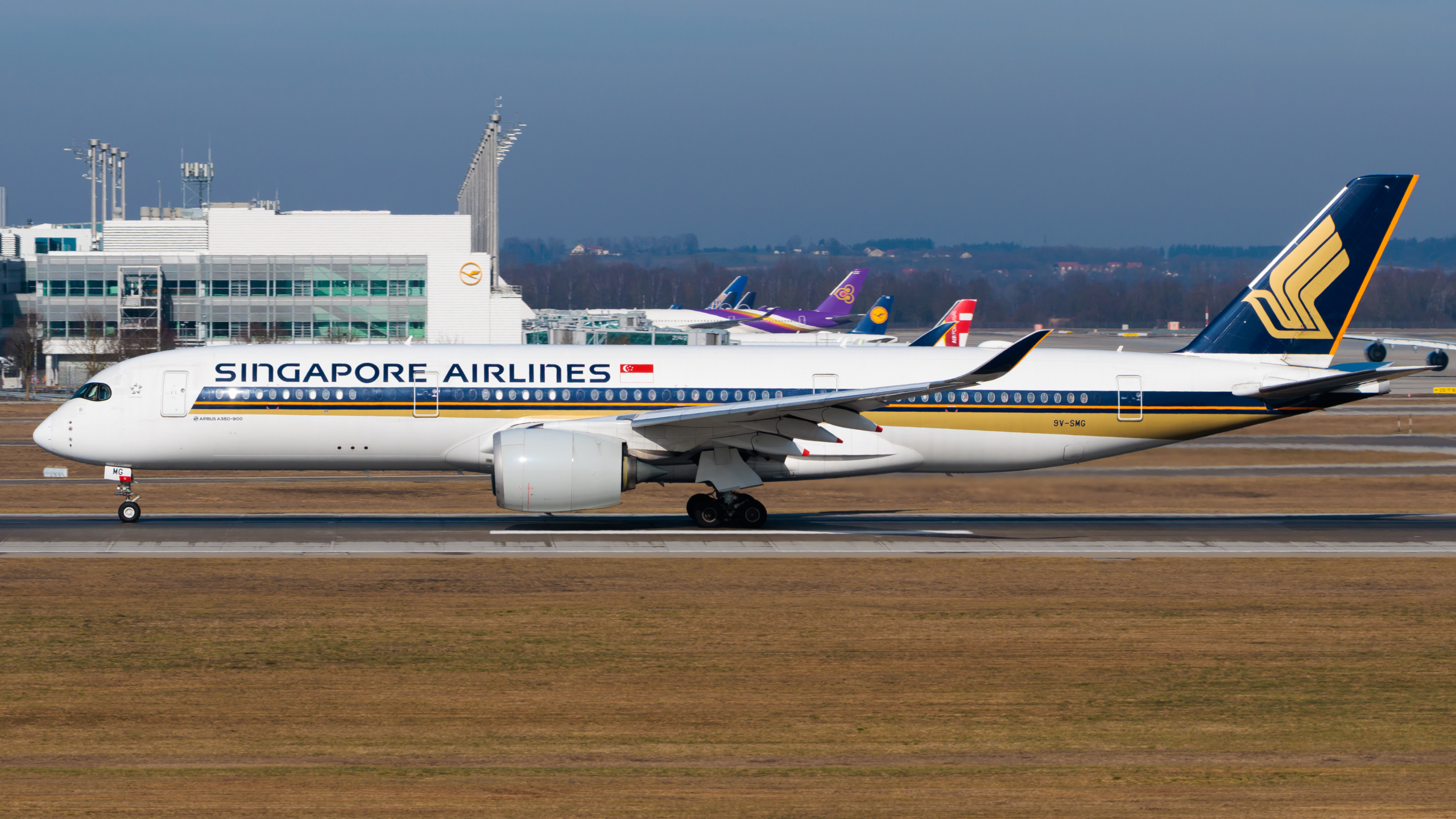
Singapore Airlines (SIA) Group has reported a first-quarter loss despite achieving record revenue, as soaring fuel prices linked to the conflict in the Middle East undermined strong passenger demand and yields across its network.
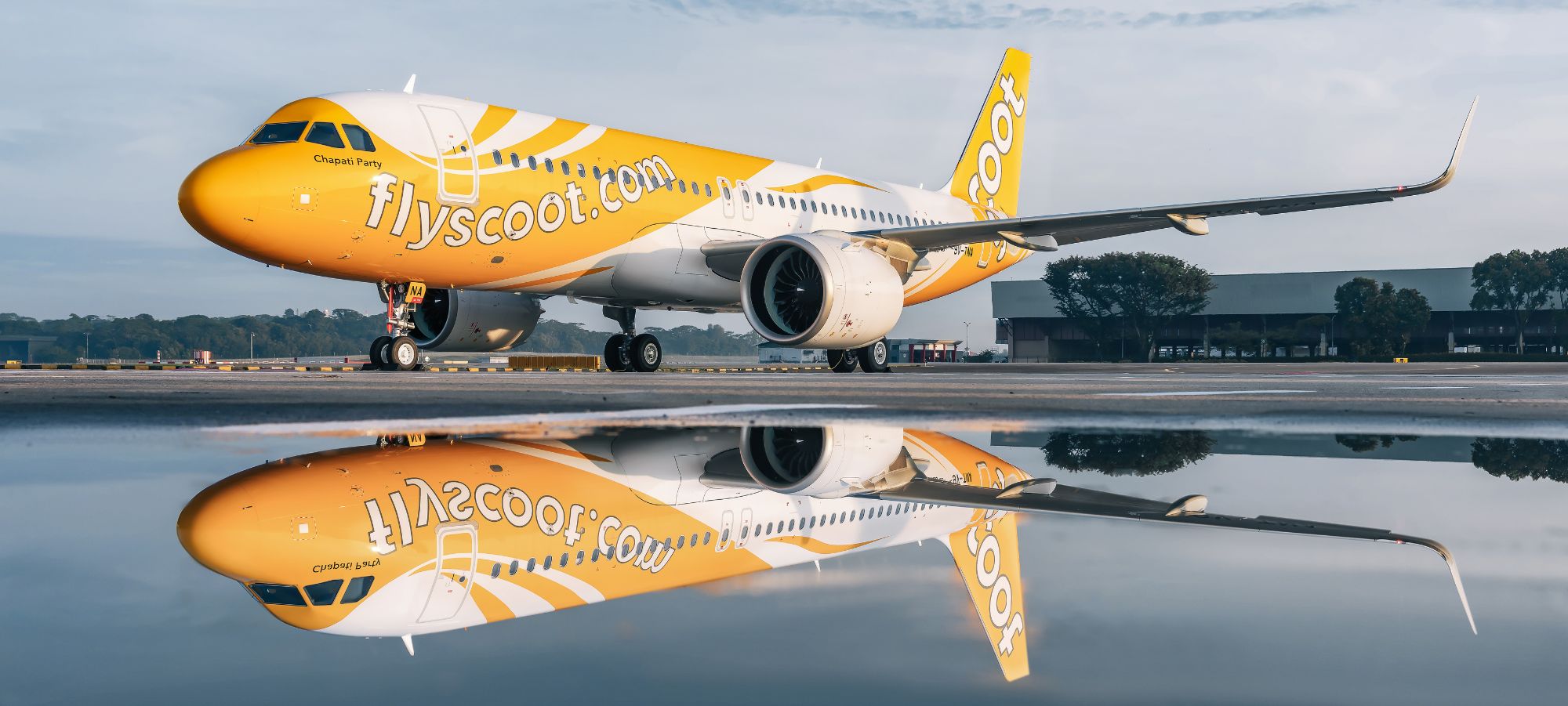
The airline group, which includes full-service carrier Singapore Airlines and low-cost subsidiary Scoot, reported a net loss of S$76 million (£44 million) for the three months ending 30 June, compared with a S$186 million profit during the same period a year earlier.
Although revenues climbed almost one-fifth to a record S$5.71 billion, there was a significant increase in fuel costs which dented the airline’s profitability.
Operating profit fell 74% year-on-year to S$106 million after the group’s fuel bill surged 78.5% to S$2.25 billion, making fuel by far its largest operating expense.
Passenger demand remains resilient
The disappointing financial results for SIA Group came despite another quarter of growth.
Singapore Airlines and Scoot carried a record 10.9 million passengers during the quarter, a 6.3% increase on the previous year, supported by what the airlines said was continued strength in international travel demand.
Passenger revenue rose 18.6% to S$4.58 billion as yields increased by 12%, allowing the carrier to charge higher average fares.
The group expanded available seat capacity by 5.9%, slightly ahead of traffic growth, resulting in a marginal decline in passenger load factor to 87.1%.
Cargo demand also remained strong. Revenue from freight increased by a third to S$708 million, helped by stronger yields and improved aircraft utilisation.
Despite these positive trends, management said the exceptional increase in fuel expenditure outweighed the benefits of higher revenues.
The airline attributed the rise largely to the spike in jet fuel prices following the outbreak of conflict in the Middle East in late February.
Before fuel hedging, the group’s fuel bill more than doubled compared with the previous year. Although hedging generated a S$376 million gain, reversing a loss recorded a year earlier, it was insufficient to offset the overall increase in fuel costs.
Network expansion continues despite geopolitical disruption
Singapore Airlines continued expanding its international network despite the challenging environment.
During the quarter, the group introduced new Singapore-Hangzhou services while Scoot launched flights to Belitung and Pontianak in Indonesia, extending its reach into new Southeast Asian markets.
The airline is also continuing to strengthen its European operation. London Gatwick services have been increased from 10 weekly flights to twice daily during the peak northern summer season before returning to that frequency from late October.
Together with its four daily Heathrow services, SIA will operate up to six daily flights to London.
Manchester has also benefited from additional capacity, with flights increasing from five weekly services to daily from mid-July.
Looking ahead, the carrier plans to launch flights to Madrid via Barcelona in October, subject to regulatory approval, expanding its European network to 15 destinations.
Growth is also planned in Australia, where Singapore Airlines intends to begin daily services to the new Western Sydney International Airport later this year while increasing frequencies to Adelaide.
Scoot resumed services to Jeddah in June but suspended the route less than a month later following the deterioration in the Middle East security situation.
Singapore Airlines has also delayed the launch of planned Riyadh services until December and continues to suspend flights to Dubai.
Fuel prices remain the biggest uncertainty
Looking ahead, Singapore Airlines expects passenger and cargo demand to remain healthy.
However, the carrier warned that continued geopolitical tensions and higher fuel prices represent the most significant risk to earnings.
While higher fares and freight charges have helped offset some of the additional fuel expense, SIA’s management acknowledged they are unlikely to fully compensate if fuel prices remain raised for a prolonged period.
Sign up for our newsletter and get our latest content in your inbox.


More from

October 17, 20265 min read


October 17, 20264 min read