


NASA selects four university teams for next-generation aviation research

4 min read
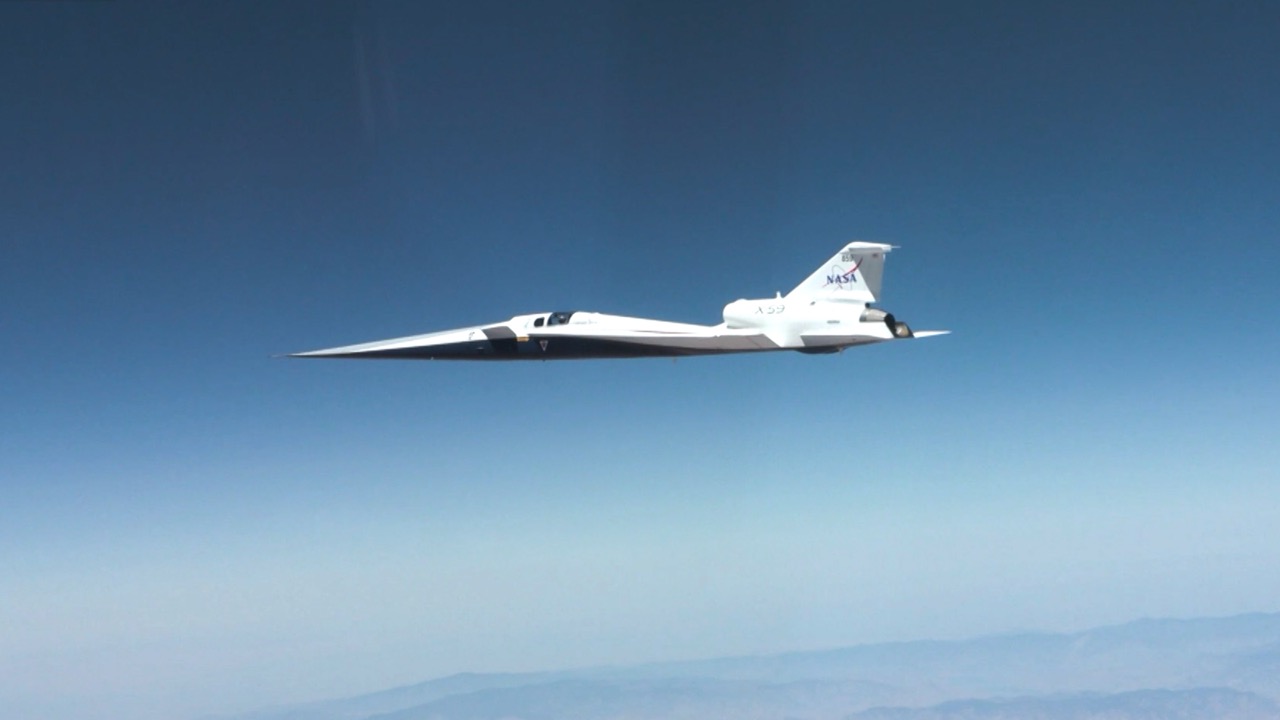
NASA has awarded about $30 million to four university research teams working on technologies that could shape the future of aviation. The projects cover Mach 4 propulsion, AI-powered avionics, quieter urban air mobility and faster aircraft certification.
This is the ninth round of awards under NASA’s University Leadership Initiative (ULI). The programme funds university-led research that supports NASA’s main aeronautics goals.
The latest projects will receive funding over several years to tackle some of aviation’s most difficult technical challenges.
“With these four new awards, the University Innovation project is leaning in on NASA’s aeronautics mission priorities,” said Andrew Provenza, project manager at NASA’s Glenn Research Centre. “These teams will research new propulsion concepts for supersonic flight, novel engineering methods that can revolutionise aerospace system design and certification, and learning-enabled avionics for new advanced and urban air mobility flight vehicle platforms, which could enhance air traffic control modernisation.”
University of Minnesota targets Mach 4 flight
A University of Minnesota team led by Terrence Meyer will spend four years developing a new propulsion system for very high-speed aircraft.
The concept would use a conventional turbofan engine for takeoff and subsonic flight. At supersonic speeds, it would switch to a new type of ramjet.

NASA says the fuel-flexible system could allow aircraft to cruise at around Mach 4, or more than 3,000mph.
Designing an engine for such a wide range of speeds is difficult. An engine that operates efficiently during takeoff and slow flight may not perform as well at speeds several times the speed of sound. Combining two types of propulsion could help solve that problem.
The research could eventually support the development of future high-speed commercial aircraft.
Stanford explores AI-enabled avionics
A second four-year programme, led by Somil Bansal at Stanford University, will study how machine learning can be safely used in aircraft avionics.
The project is called Safety Across Lifecycle of Learning-Enabled Avionics Systems: Safety Data Flywheel. It aims to develop an avionics system that continuously monitors and improves safety throughout its operating life.
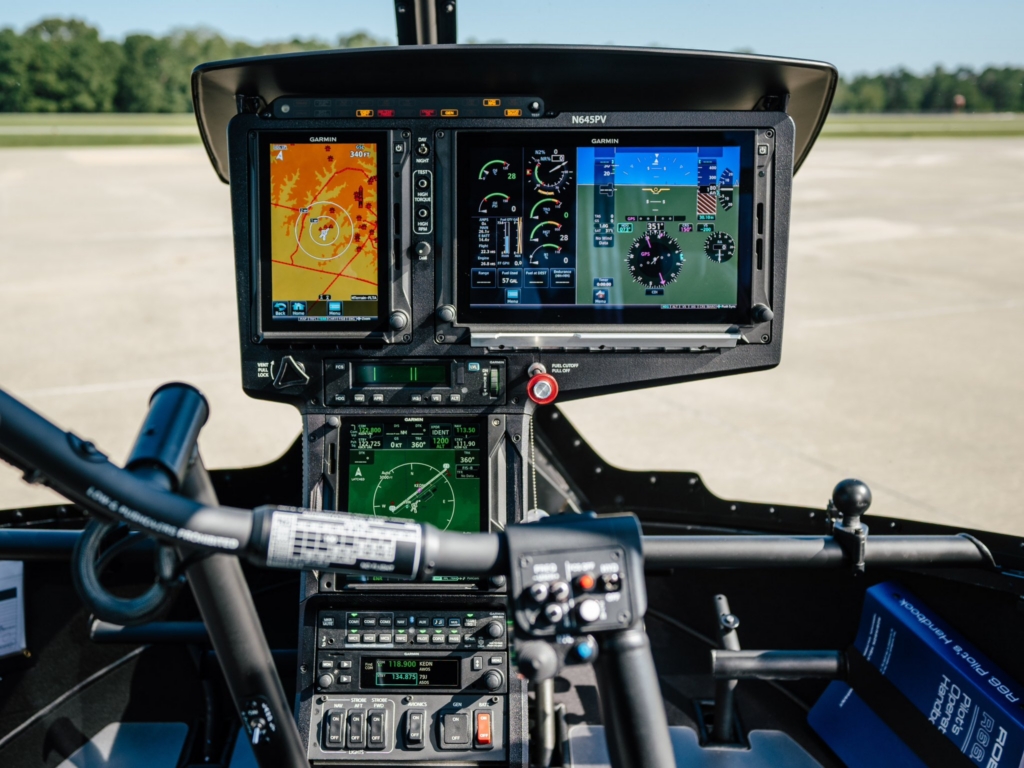
Machine learning creates new challenges for aviation certification. Traditional aircraft systems are designed to behave in predictable ways that can be tested and verified before they enter service. AI systems can learn and adapt to new data, making safety checks more complicated.
The Stanford research could help create a framework for safely introducing AI-enabled avionics into the US National Airspace System (NAS).
These systems could eventually support advanced air mobility and future air traffic management. However, regulators and manufacturers will need reliable ways to show that they remain safe throughout their operating lives.
Making urban air mobility quieter
Stanford will also lead a separate four-year project focused on reducing noise from future urban aircraft.
Noise could become an important factor in public acceptance of electric vertical takeoff and landing (eVTOL) aircraft and other advanced air mobility services, especially if they operate frequently over cities.
Led by Juan Alonso, the research will develop detailed computer simulations to find quieter flight paths for small aircraft operating over populated areas.
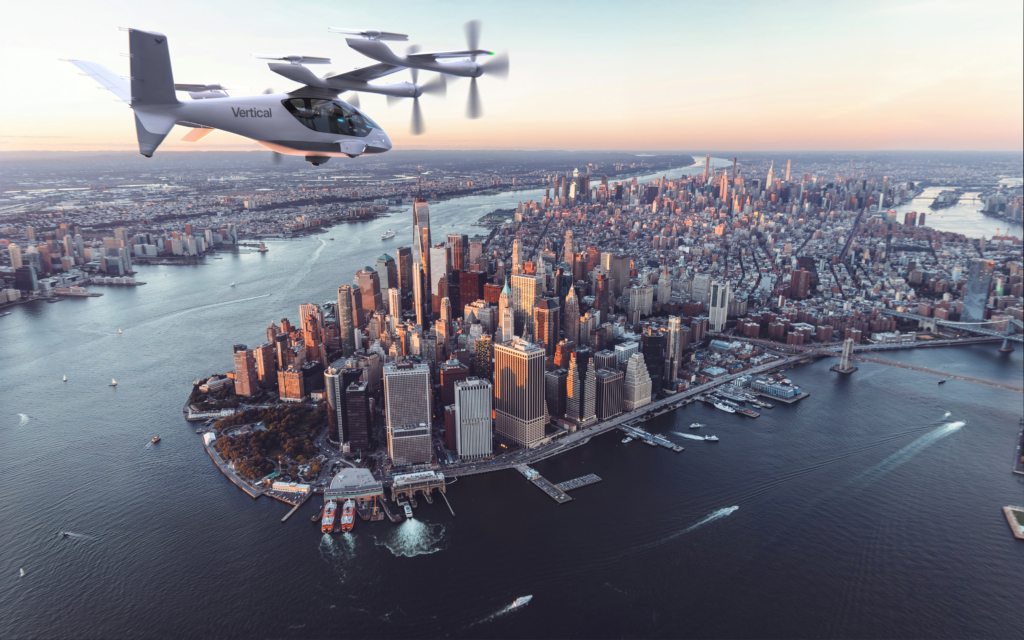
The project will model how aircraft noise travels through cities and how it mixes with existing background noise.
The goal is to identify routes that reduce the amount of aircraft noise experienced by people on the ground.
NASA says the research could eventually help operators plan quieter routes as new types of urban aircraft enter service.
Virginia Tech explores faster aircraft certification
The fourth project focuses on reducing the time and cost involved in designing and certifying new aircraft.
A Virginia Tech team led by Darshan Sarojini will spend three years developing an aircraft design process that considers certification requirements from an early stage.
The team will use advanced computer modelling and engineering tools to study aircraft designs and identify potential problems and uncertainties.
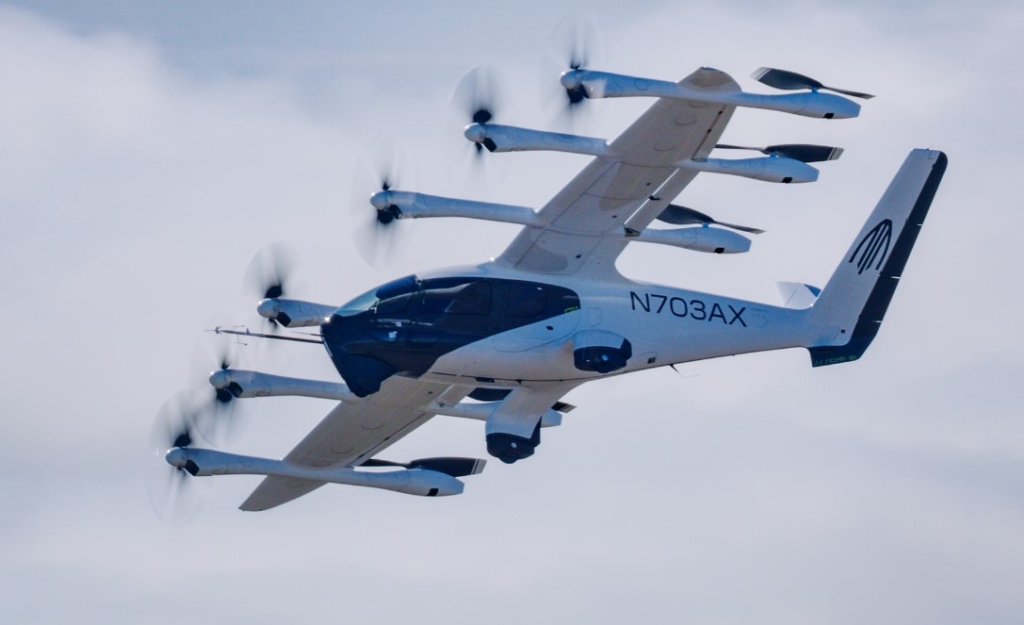
The aim is to address certification requirements earlier instead of waiting until later stages of aircraft development.
NASA says this approach could make aircraft modelling safer and more efficient. It could also reduce the risk of manufacturers having to make expensive design changes later.
This could be particularly useful for companies developing unconventional aircraft, new propulsion systems and aircraft that rely heavily on software. Considering certification requirements earlier could help shorten development times.
NASA sponsors universities to widen the aviation research base
The latest awards are also intended to help train the next generation of US aerospace engineers and researchers.
NASA’s University Leadership Initiative enables universities to develop their own research projects aligned with the agency’s broader aeronautics goals. Graduate and undergraduate students work alongside university faculty. Teams can also include other universities, community colleges and industry partners.
NASA, the Federal Aviation Administration and other organisations can provide technical expertise and guidance.
ULI is part of NASA’s wider University Innovation project. It supports new aeronautics technologies while helping prepare students and researchers for careers in the aerospace industry.
The programme has been running for more than a decade. The latest projects cover technologies at very different stages of development, from engines for Mach 4 aircraft to AI avionics and quieter urban flight.
None of these technologies is ready for commercial service. However, the research could help develop the technology, engineering methods and safety standards needed to bring them closer to real-world aviation.


