


How the US military is using a microlight to train for counter-drone warfare

5 min read
As long-range, one-way attack drones reshape modern warfare from Ukraine to the Middle East, the United States military is quietly overhauling how it trains to defeat them.
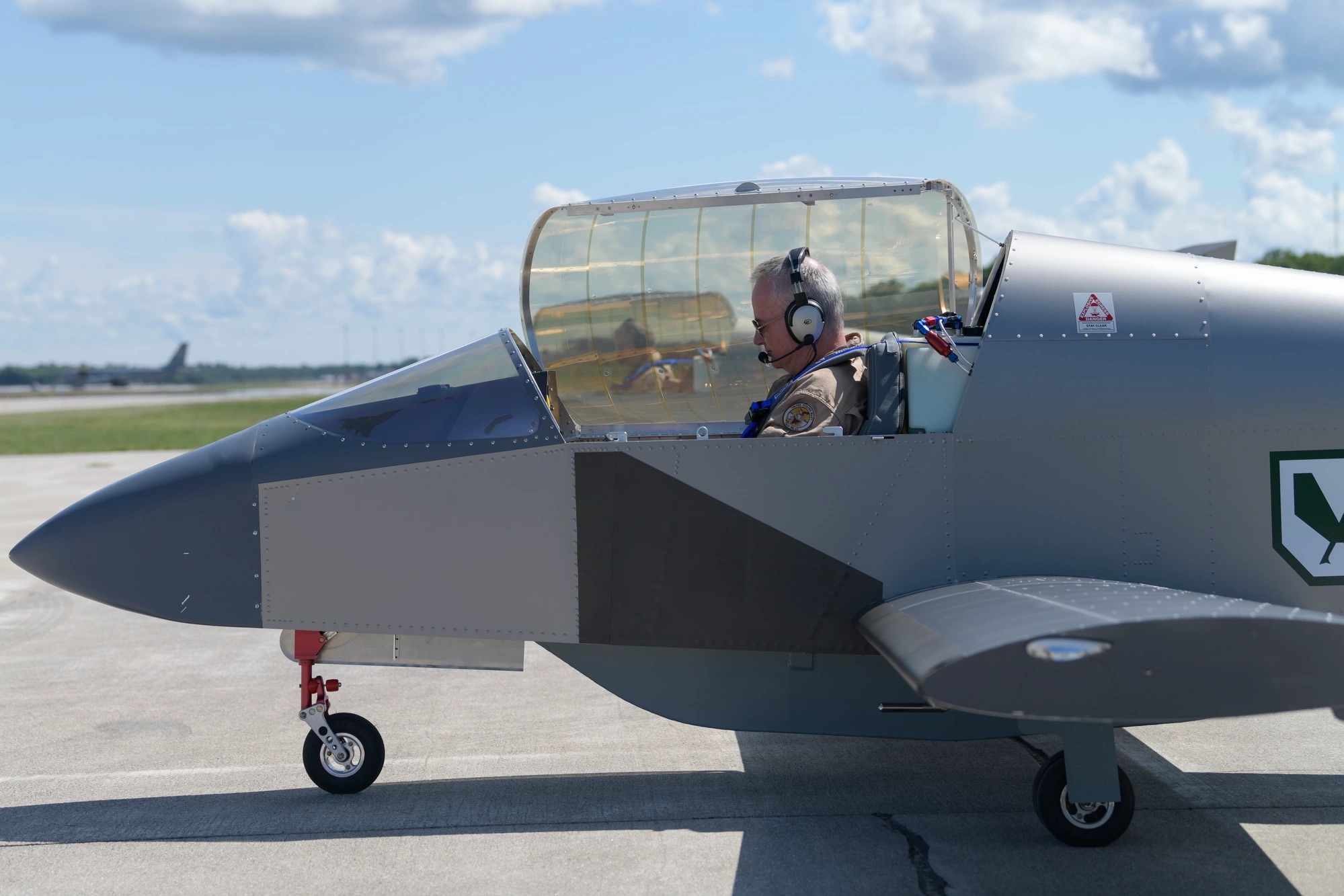
At the centre of this shift is the KX-2 aircraft developed by KestrelX, which is now being used to realistically replicate Iranian-designed Shahed-136-type drones during large-scale US air combat exercises, according to reporting by The War Zone.
The KX-2’s role is not to fight drones, but to behave like them, forcing US fighter pilots, naval aviators and air defenders to confront the tactical, sensor and command-and-control challenges posed by slow, low-flying, low-signature unmanned threats that have proven difficult and costly to counter in real conflicts.
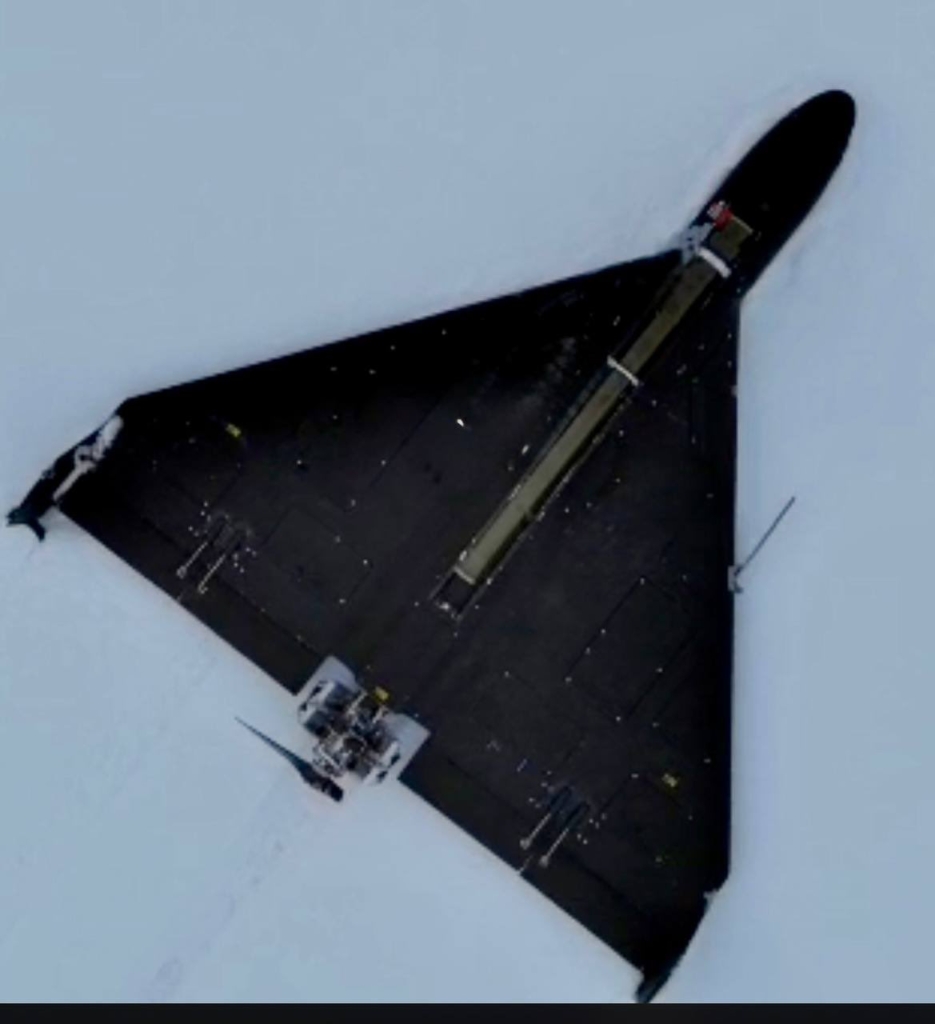
Why the Shahed-136 changed the drone threat model for US and allied forces
For years, Western air forces focused training around traditional threats such as fast jets, bombers and cruise missiles.
That calculus changed dramatically with the mass employment of inexpensive, long-range attack drones like Iran’s Shahed-136. These systems are slow, small, hard to detect and cheap enough to be launched in large numbers.

Their widespread use by Russia in Ukraine and by Iran-aligned groups in the Middle East exposed a critical gap. Advanced fighter aircraft and air defence systems often engaged very low-cost targets with expensive missiles, while crews had limited realistic training against such profiles.
According to The War Zone, the US military has increasingly recognised that simulators alone are insufficient to prepare aircrews for these missions, particularly when identification, tracking and engagement must occur at low altitude, over water, or without full sensor coverage.
The KestrelX KX-2: A manned aircraft built to mimic unmanned threats
To address this gap, KestrelX developed the KX-2, a modified version of the Italian-designed Risen aircraft, optimised to replicate the flight characteristics and signatures of one-way attack drones.
These Planes Are Mimicking Enemy Shahed-136 Drones In U.S. Military War Games
— Tyler Rogoway (@Aviation_Intel) February 2, 2026
We were on the scene to get an exclusive look at KestrelX's new KX-2, which is helping the U.S. military confront the ever-evolving drone threat.
Feature: https://t.co/BLo83gOFTa
Unlike traditional ‘red air’ adversary jets, the KX-2 is deliberately small, slow and low observable. Built largely from composite materials, it naturally presents a reduced radar cross-section and low infrared signature, characteristics similar to weaponised UAVs. Its Rotax engine mirrors propulsion types used in many Iranian-origin drones, further enhancing realism.
Crucially, the aircraft combines endurance of around 12 hours with a wide speed envelope, allowing it to mimic both slow loitering drones and faster, cruise-missile-like profiles in a single sortie. This flexibility allows exercise planners to stress air defences repeatedly without deploying multiple platforms.
From theory to practice at Sentry South 26.1 exercises
The KX-2’s most visible deployment to date came during Sentry South 26.1, a major US Air National Guard-led exercise held off the coast of Savannah, Georgia. More than 75 aircraft from the US Air Force, Navy and Marine Corps participated, flying hundreds of sorties over two weeks.
During the exercise, KX-2 aircraft were launched ahead of friendly forces to simulate long-range drone attacks approaching defended assets from tens of miles away, often at altitudes of around 1,000 feet or lower. Fighters were tasked with detecting, identifying and prosecuting these targets without relying on idealised command-and-control conditions.
The War Zone reported that many pilots initially struggled to find and maintain custody of the KX-2s, a result that exercise planners considered valuable rather than problematic. Subsequent missions saw crews adapt tactics, adjust positioning and improve results, closely mirroring the learning curve seen in real-world operations over Ukraine and the Red Sea.
Why manned ‘drone mimic’ aircraft outperform real UAVs in US training airspace
One of the key insights highlighted in The War Zone’s reporting is why the US military prefers manned surrogate aircraft like the KX-2 over actual drones for training inside national airspace.
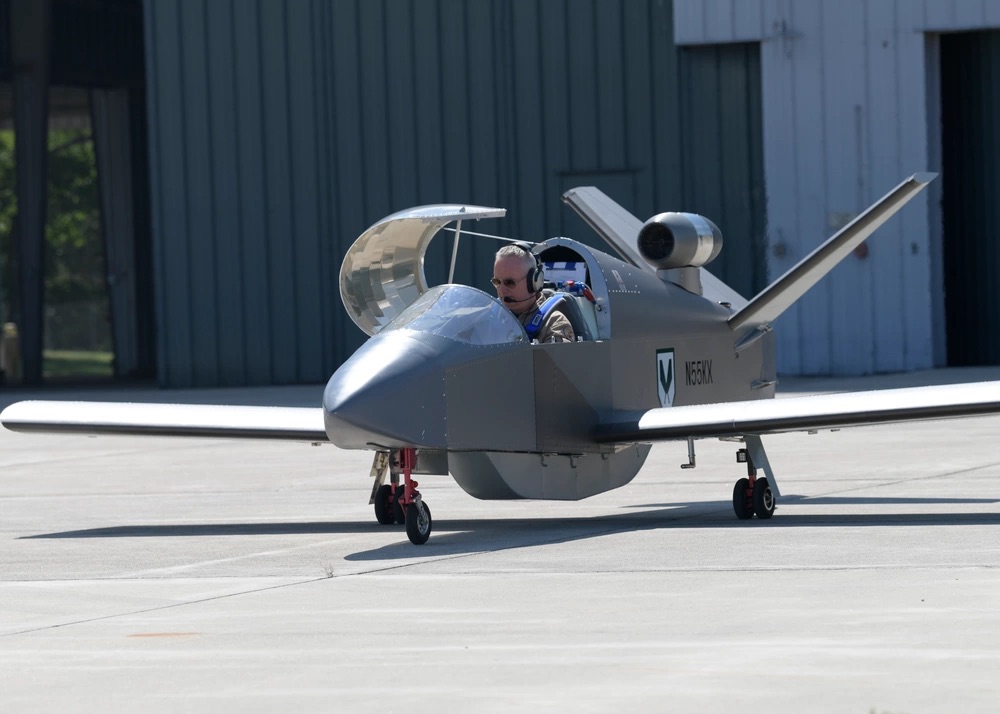
Operating real unmanned systems comes with regulatory restrictions, range limitations and recovery challenges. A manned aircraft, by contrast, can comply with Federal Aviation Administration rules, fly repeatedly in complex airspace, change profiles dynamically and return safely for rapid turnaround.
Equally important is the human element. KestrelX pilots are highly experienced former fighter and test pilots who understand how to place the aircraft where it creates maximum tactical friction for trainees, a factor commanders say adds realism beyond what autonomous targets can currently deliver.
Preparing US fighters for real-world counter-drone missions
US fighter aircraft have already been heavily engaged in counter-drone operations. In 2024, American pilots helped intercept large Iranian drone and missile salvos aimed at Israel, while naval aviators have repeatedly hunted down one-way attack drones launched by Houthi forces towards shipping in the Red Sea.
These missions exposed how difficult it can be to visually identify small drones, avoid collision, maintain weapons solutions and decide whether to destroy, jam or simply monitor a target. Training against KX-2 surrogates allows aircrews to rehearse those decisions in live conditions rather than learning them for the first time in combat.
KestrelX is already expanding the KX-2’s role. The aircraft can carry external pods that simulate drone data links, electronic emissions and, potentially, jamming effects, allowing aircrews and sensors to train against more complex electromagnetic environments.
With plans to operate a growing fleet of KX-2s, the company aims to help replicate future threats involving coordinated drone swarms rather than single attackers, a scenario US defence planners increasingly see as inevitable.
A quiet but critical shift in US air combat and counter-drone training
The emergence of the KX-2 underscores a broader change in how the US military views the air threat landscape. The most dangerous adversaries are no longer always fast or expensive; they are often cheap, numerous and hard to see.
By investing in realistic, repeatable drone-threat replication, the US is acknowledging that counter-UAS is now a core air combat mission, not a niche task.
As The War Zone’s reporting makes clear, platforms like the KX-2 are less about technology and more about mindset: training for the wars pilots are actually flying today, not the ones they trained for yesterday.
Featured image: DVIDS


