


LATAM is getting 11 new aircraft before the end of the year: Here’s what’s coming

3 min read
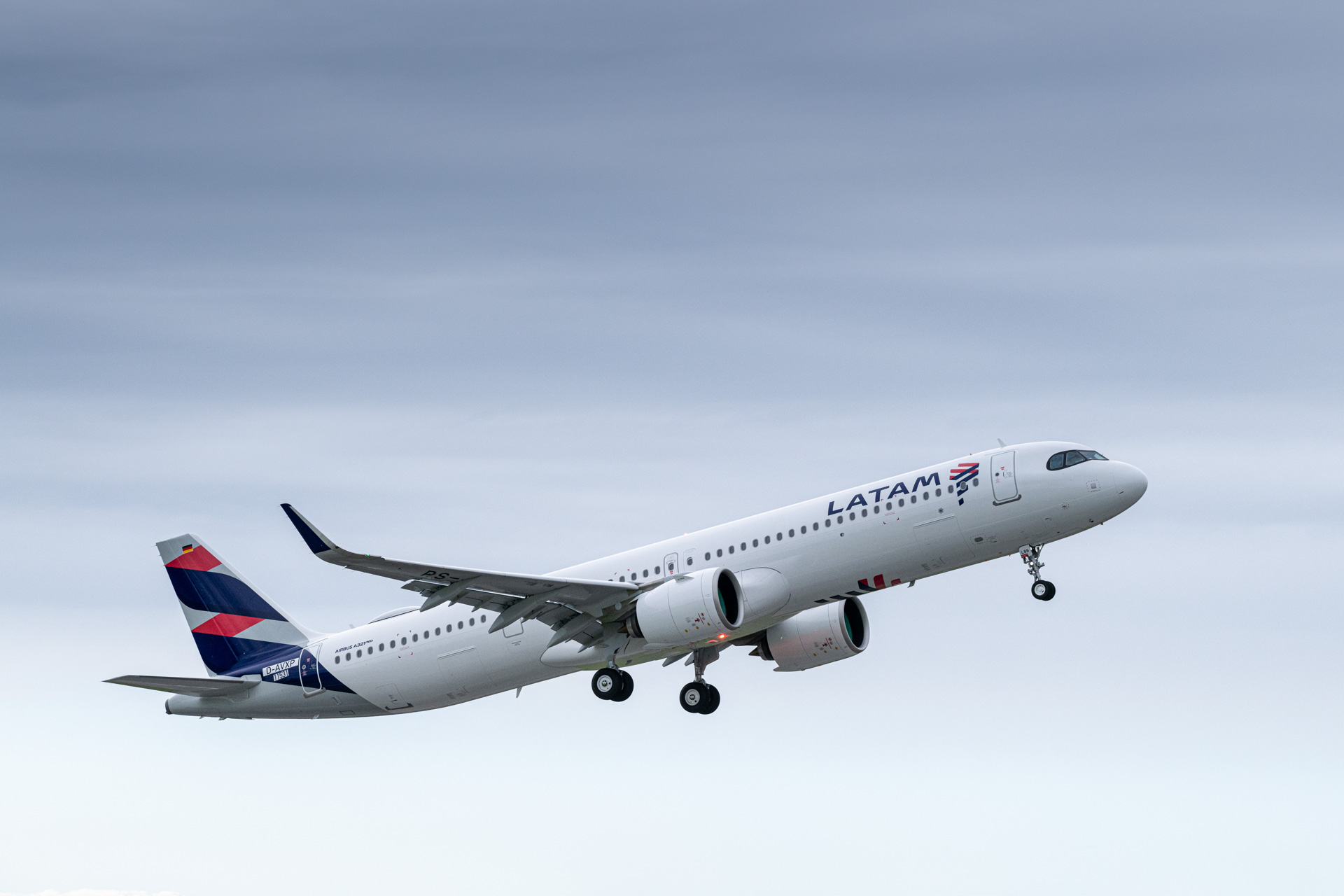
LATAM Airlines Group is preparing to add 11 next-generation aircraft to its fleet before the end of 2026, as the South American airline seeks to modernise its narrowbody fleet.
The newly announced expansion and renewal programme includes Airbus and Embraer airframes and follows 13 next-generation aircraft which have been delivered over the first seven months of this year.
In total, including the 11 announced this week, LATAM expects to receive 28 additional aircraft before the end of 2026, exceeding 40 new arrivals for the year.
As a result, the group expects to close 2026 with more than 410 aircraft in its fleet tally.
What new aircraft is LATAM receiving?
LATAM expects to take delivery of one Airbus A320neo, four A321neos and six Embraer E195-E2s as part of this latest tranche.
The 11 new arrivals announced on Tuesday are backed by $505 million in long-term financing, including approximately $400 million through a sustainability-linked structure.

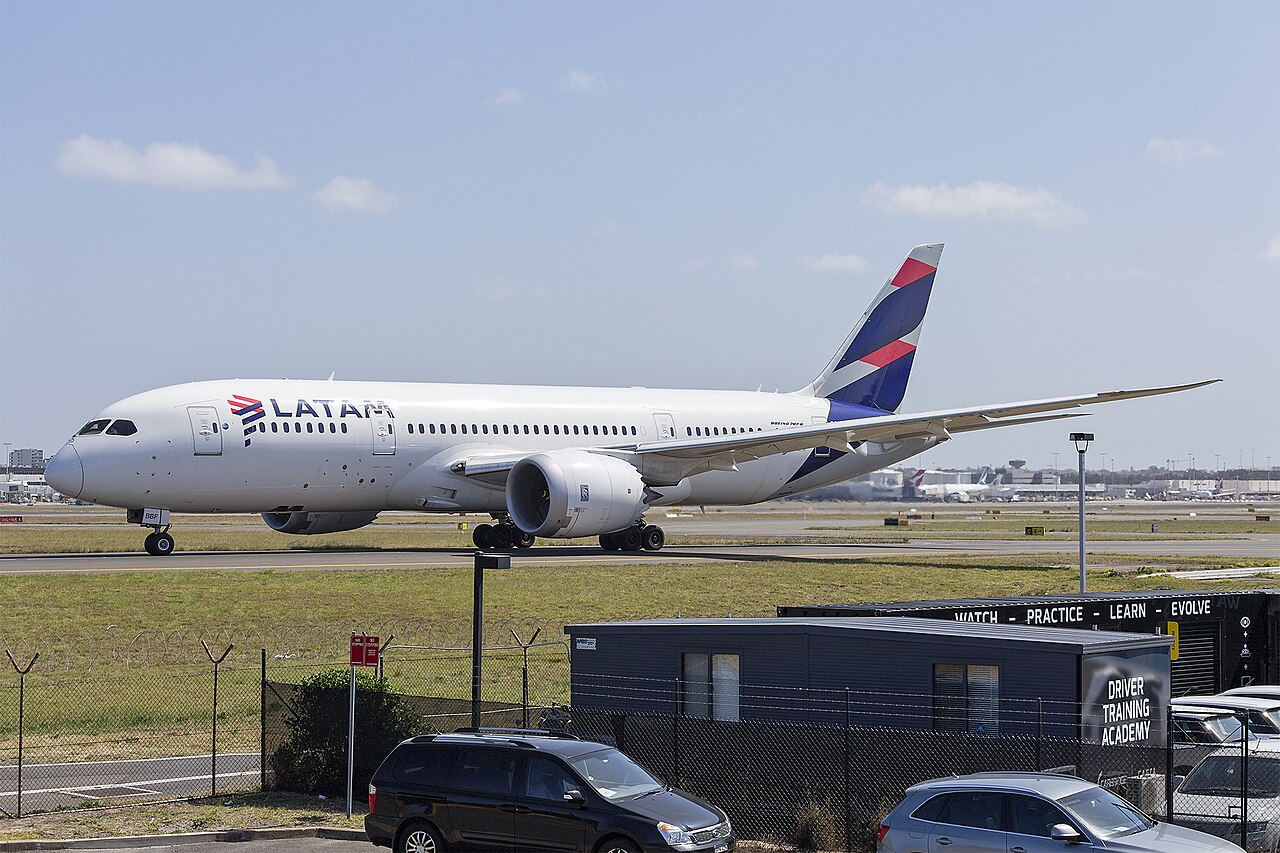
During the first half of the year, LATAM took delivery of 13 aircraft, including seven Airbus A320neo, four Airbus A321neo and two Boeing 787-9 Dreamliners.
Alongside the Airbus A320neo, Airbus A321neo and Embraer E190-E2s, new arrivals in the second half of 2026 will include the Boeing 787-9 Dreamliner.
LATAM fleet renewal accelerates in 2026
The new aircraft will bring a mix of additional capacity and improved operating economics while lowering emissions.
The A320neo and A321neo have become increasingly important to LATAM’s narrowbody fleet – the neo variant now accounts for nearly half of the airline’s A320 fleet – while the E195-E2 will expand the group’s use of Embraer’s regional jet.
The E195-E2 is particularly significant for LATAM’s Brazilian operation. The airline plans to introduce the type on domestic routes in Brazil in the coming months, marking its first operation of the aircraft in the country’s domestic network.

LATAM also has further fleet changes ahead. Its first Airbus A321XLR is scheduled to enter service in 2027, adding a longer-range narrowbody capability to the group’s fleet.
The Airbus A321XLR aircraft will feature a Premium Business cabin with Thompson Aero Seating VantageSOLO full-flat seats, making it the first airline in South America to offer this type of cabin on single-aisle aircraft.
The new Airbus A321XLR aircraft will start deliveries in 2027.
$505 million financing tied partly to emissions performance
The financing, led by BNP Paribas, is also notable because of the sustainability-linked component which rewards LATAM for reducing its per-unit emissions.
Around $400 million of the loan is tied to LATAM’s emissions performance, with the interest rate linked to its progress in reducing CO2 emissions intensity.
The mechanism gives the airline an incentive to meet its sustainability targets, with improved performance potentially resulting in more favourable financing terms.
LATAM is targeting a 6% reduction in emissions intensity by 2030 compared with its 2019 baseline.
However, that is still a long way off the longer-term objective of reaching net-zero emissions by 2050.
It is the second sustainability-linked financing transaction secured by the group. LATAM completed a $300 million revolving credit facility of this type in December 2024, backed by aircraft engines.
The latest deal is also the first time LATAM has used a sustainability-linked financing structure to support the introduction of Embraer aircraft into its fleet.
More than 100 aircraft planned by 2030
The fleet expansion is set to continue well beyond this year’s deliveries.
LATAM expects to add as many as 130 aircraft by 2030, which would result in more than half of its fleet comprising next-generation aircraft.
According to the respective manufacturers, the newer aircraft can deliver fuel and emissions improvements of roughly 20% to 25% compared with the aircraft generations they replace.
“Fleet renewal is one of the most important investments we are making as a group because it allows us to grow more efficiently and better meet the region’s connectivity needs,” said Sebastián Acuto, vice president of fleet and projects at LATAM Airlines Group.
“South America has domestic markets with tremendous growth potential, and having a more flexible and diversified fleet gives us the capabilities we need to capture those opportunities.”
Sign up for our newsletter and get our latest content in your inbox.


More from

October 4, 20264 min read


