KLM resumes flights to select Middle Eastern destinations after week-long hiatus

4 min read

Dutch airline KLM has said it will resume flights to Israel, the United Arab Emirates and Saudi Arabia. The pivot comes a week after the carrier said it would be pausing flights to many Middle Eastern countries amid ongoing tensions between the US and the Iran.
KLM resumes flights to key Middle Eastern cities
On 1 February, KLM said it would resume flights to key destinations in the Middle East, a week after the carrier said it would avoid flying over large parts of the region due to rising international tensions.
The airline will reinstate flights to Tel Aviv, Israel, and Dubai, UAE. The airline added that it had already resumed flights to other destinations in the region, such as Riyadh and Dammam in Saudi Arabia, since the hiatus was first announced on 24 January.
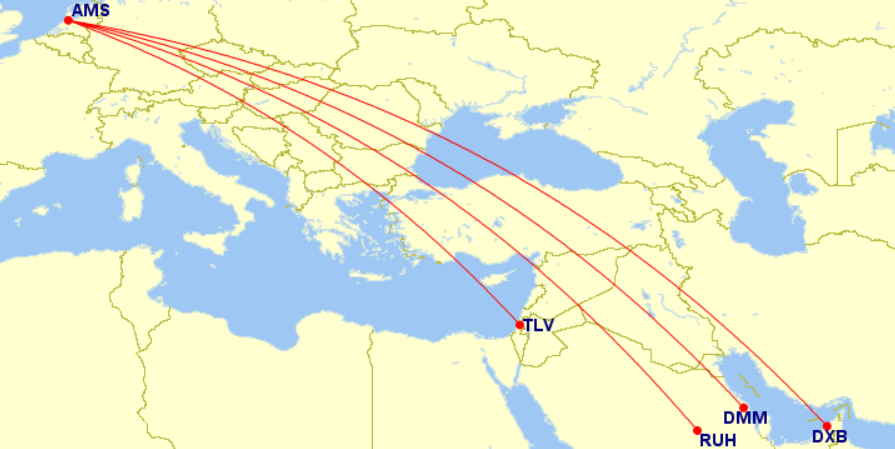
“Based on the current security situation and operational feasibility, we have decided to resume our flights to Tel Aviv on 2 February with an adjusted schedule. From 1 February through to 6 February, we will also operate flights to Dubai, also with an adjusted schedule”, KLM said. “We continue to monitor the situation closely and will determine our flight schedules accordingly.”
The previous announcement made on 24 January said that the carrier would avoid flying over large parts of the Middle East until further notice due to the rising tensions there.
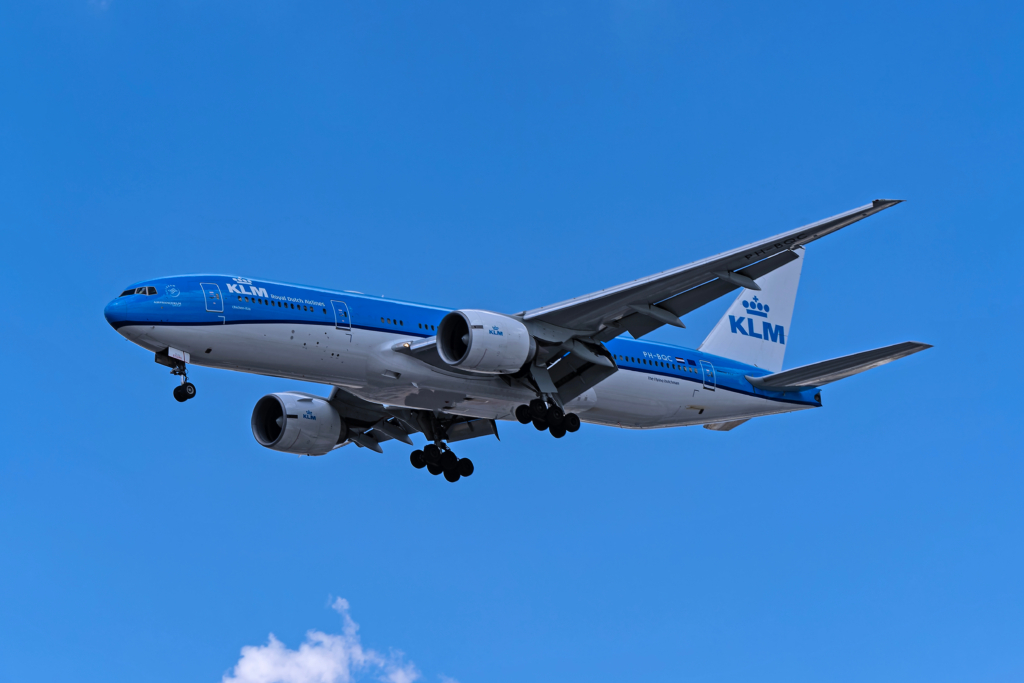
“As a precaution, given the geopolitical situation, KLM will not fly through the airspace of Iran, Iraq and Israel and will not fly over several countries in the Gulf region,” a KLM spokesperson said. “This means KLM will not fly to Dubai, Riyadh, Dammam and Tel Aviv until further notice,” the spokesperson added.
US-Iranian tensions remain on high alert
Over the past month, tensions between the US government and Iran have been rising since anti-government protests in the Middle Eastern country were violently quashed earlier in January.
Since then, a huge US naval task force has taken up position in the region, with many Middle Eastern commentators expecting the US to launch military action against Iran in the coming days.
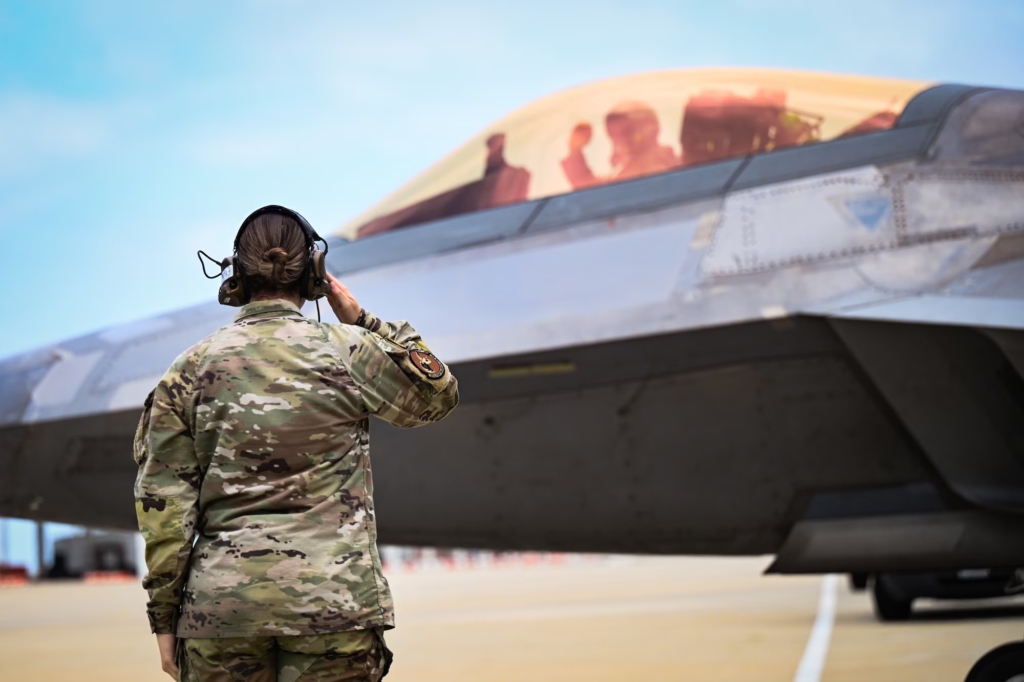
Other military assets have also been deployed in the region, while numbers stationed at the Al Udeid Airbase in Qatar, used by the US Air Force (USAF), have been evacuated as it is in striking distance of a potential Iranian missile attack.
As reported by Reuters, on 30 January, a senior Iranian official said that Iran would treat any attack by the US “as an all-out war against us”.
Airlines adjust schedules to the Middle East
Most global carriers have largely maintained their schedules to Middle Eastern destinations, albeit with some interruptions to services as detailed by Aerospace Global News here.
However, carriers under the German-owned Lufthansa Group have decided to suspend overnight flights to Tel Aviv until further notice.
The primary reason for this is that overnight flights necessitate pilots and cabin crew needing to have a 24-hour layover away from their home base. Should the security situation rapidly deteriorate, then these crews could potentially be left stranded overseas with no practical means of getting home.
Although the avoidance of Middle Eastern airspace has widened since the political uprising in Iran, European carriers had already been avoiding Iranian airspace since the US launched missile strikes against the country in mid-2025.
Then, at the start of January, the European Aviation Safety Agency (EASA) issued a Conflict Zone Information Bulletin (CZIB) formally recommending that airlines avoid Iranian airspace at all altitudes.
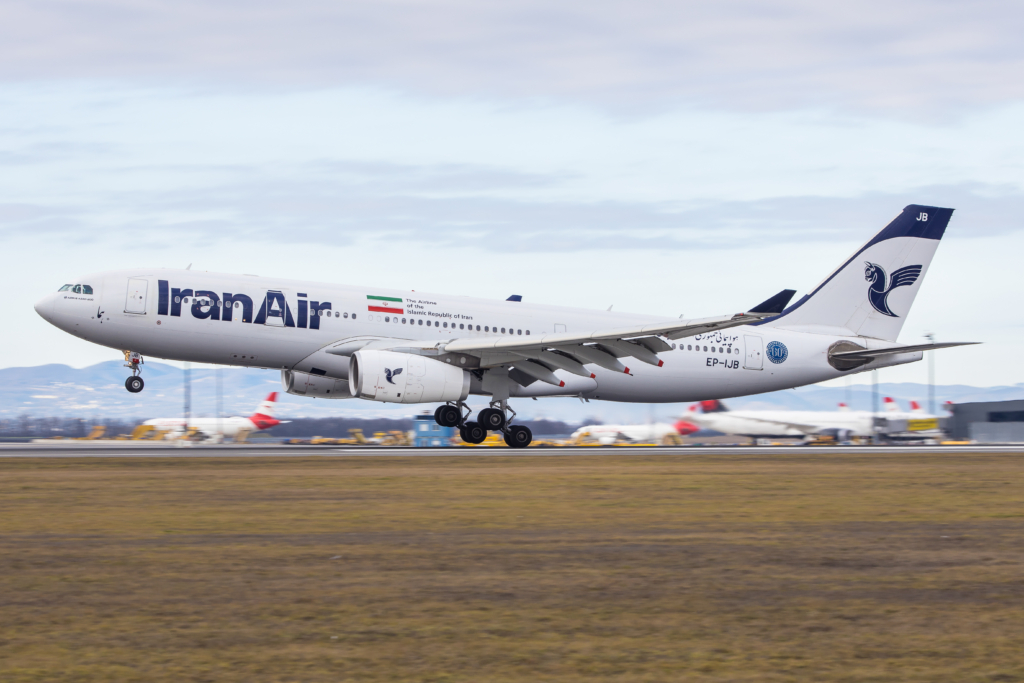
The advisory noted that with tensions already high and Iranian security forces on edge, there could be the possibility of misidentification of aircraft flying in the region, with the risk of a commercial passenger jet being shot down by a surface-to-air missile. While almost all airlines followed this advice, some Iranian domestic airlines, including Qeshm Air, Iran Air, Kish Airlines, and Zagros Air, have all continued operating.
With tensions continuing at a high level, national aviation authorities are watching events on an hourly basis in case the situation suddenly deteriorates. Aircraft insurers, in particular, are likely to be the first to stop airline operations in the region should they believe that aviation assets or passengers are potentially under threat.
Featured image: milkovasa / stock.adobe.com
Sign up for our newsletter and get our latest content in your inbox.


More from

October 17, 20265 min read


October 17, 20264 min read