


Back in service: KLM Cityhopper reactivates Embraer E195-E2s after temporary grounding

3 min read
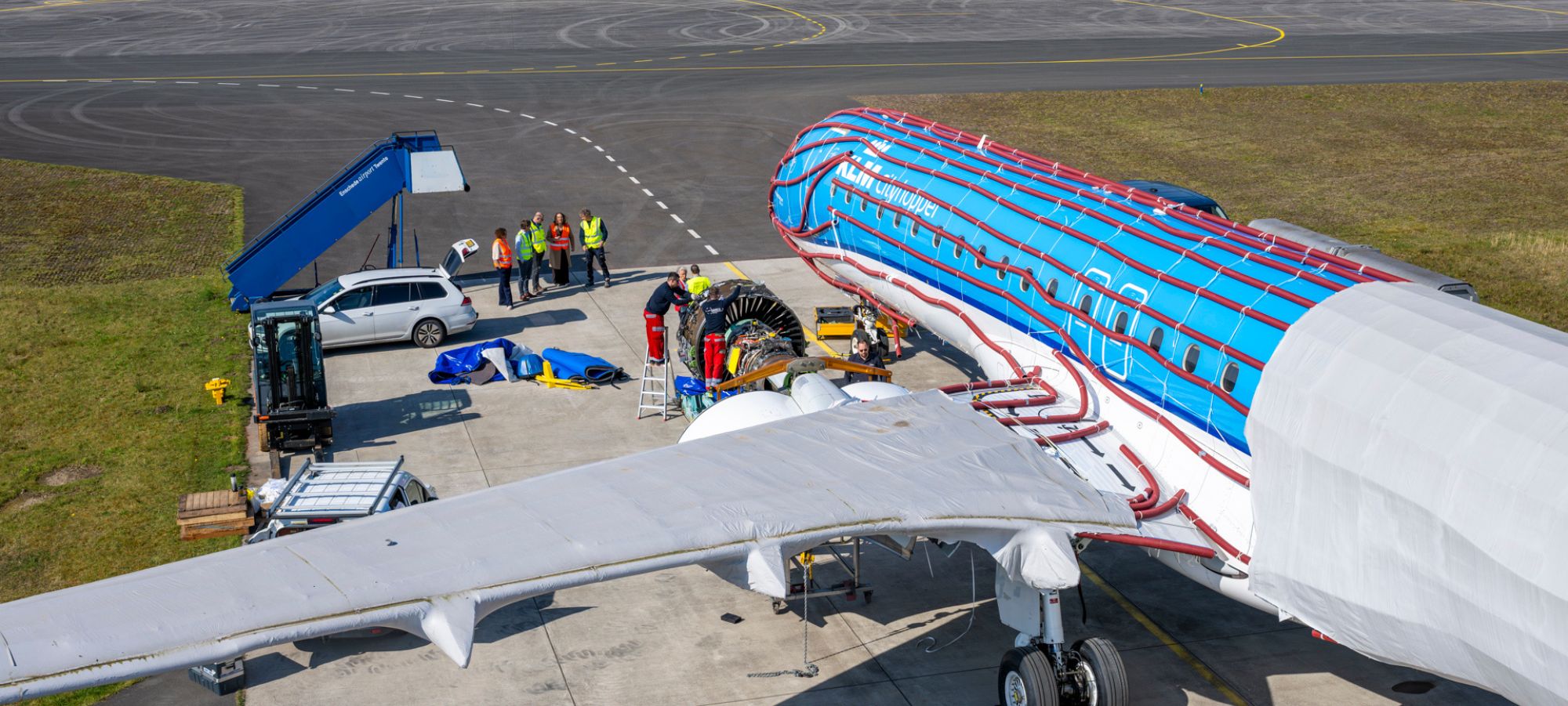
Netherlands-based carrier KLM Cityhopper is bringing four Embraer 195 E2 aircraft back into service after they were temporarily grounded due to ongoing Pratt & Whitney engine constraints.
The aircraft, each equipped with Pratt & Whitney GTF -series turbofan engines, were withdrawn from service in 2024 due to “problems with engine availability”, which rendered the aircraft unusable for the Amsterdam-based region carrier.
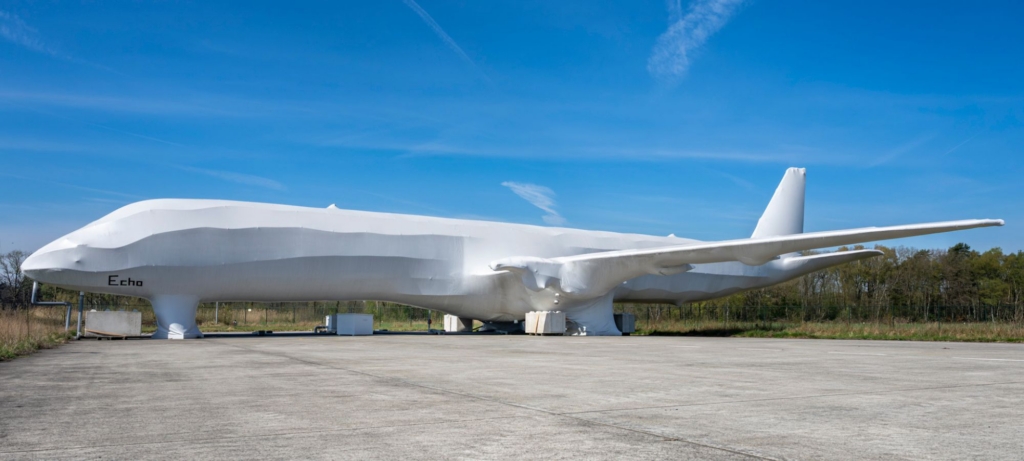
The aircraft were placed in long-term storage at Twente Airport in the Netherlands, where they were encased in a so-called “cocoon”, for optimal protection.
With engine availability now improving, the airline has begun a carefully sequenced reactivation programme.
What does KLM Cityhopper’s reactivation process entail?
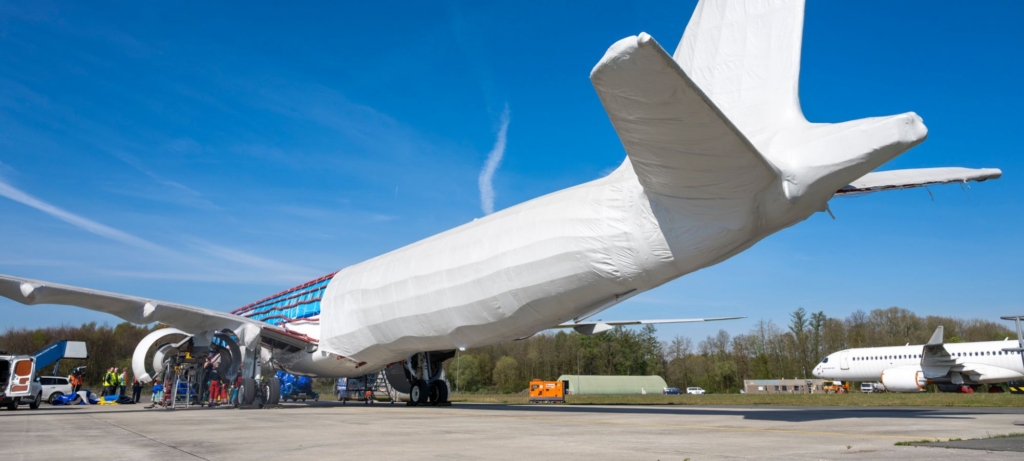
One of the aircraft, registered PH-NXA, is currently being unpacked and prepared for its re-entry into service. A second airframe is also scheduled for release from storage this week. The remaining two Embraer 195s are expected to return to service later this year.
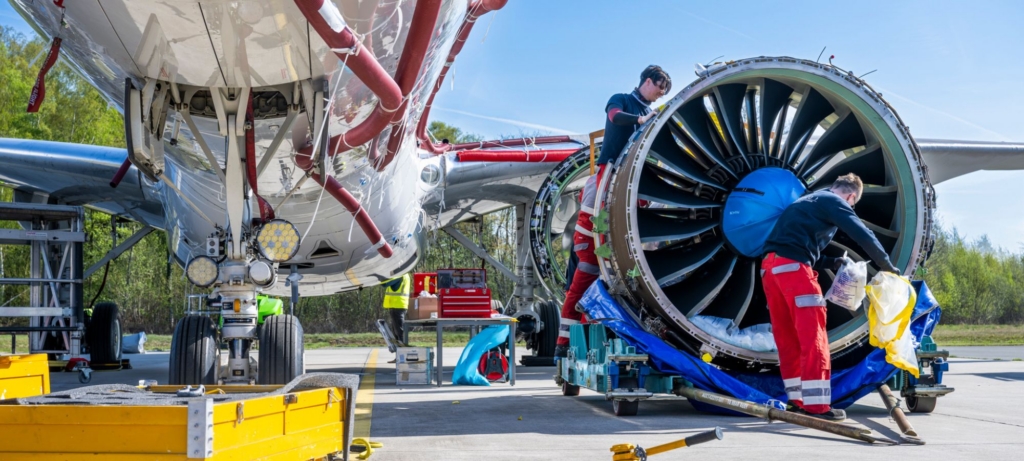
Unpacking the aircraft from cocoon storage is a complex process. Each airframe had its engines, auxiliary power units, and batteries removed before storage, while the entire fuselage was wrapped in a specialist protective film – a process that took six weeks.
The same meticulous care now needs to be applied in reverse: the protective covering is removed before wheels can be reinstalled. The aircraft will then undergo initial systems testing before a formal airworthiness inspection.
Further modifications are likely to be made, including the installation of WiFi, which can take around two months, before the aircraft’s full return to service for KLM Cityhopper operations.
Why Twente Airport?
Situated in the eastern Netherlands and home to Technology Base, Twente was selected as an “extremely suitable location for temporary storage” due to its specialist capabilities.
The site offers infrastructure for aircraft testing, crew training, and technical maintenance, making it ideal for preserving high-value assets during an unplanned period of inactivity.
How important is the E195 to KLM Cityhopper’s fleet?
With 25 E195-E2s in its fleet, KLM Cityhopper ranks among the world’s largest operators of the type. The regional carrier operates an all-Embraer network, with 22 first-generation E190s and 17 smaller E175 jets complementing its E195 fleet.
It introduced the E195-E2 in 2021, but the type has had a turbulent service history for the carrier. At the peak of the GTF crisis in early 2023, roughly half the E2 fleet was simultaneously grounded due to a shortage of engine availability.
Pratt & Whitney GTF problems impact across the industry
KLM’s experience is far from isolated. Pratt & Whitney’s GTF family – which powers not only the Embraer E2 series, but also the Airbus A320neo family and the Airbus A220 – has generated billions of dollars in unplanned costs and operational disruptions across the airline industry.
In July 2025, Wizz Air reported lower-than-expected 1 FY2026 operating profit, with 164 A320neo family aircraft – nearly 70% of its fleet – grounded by GTF-related issues.
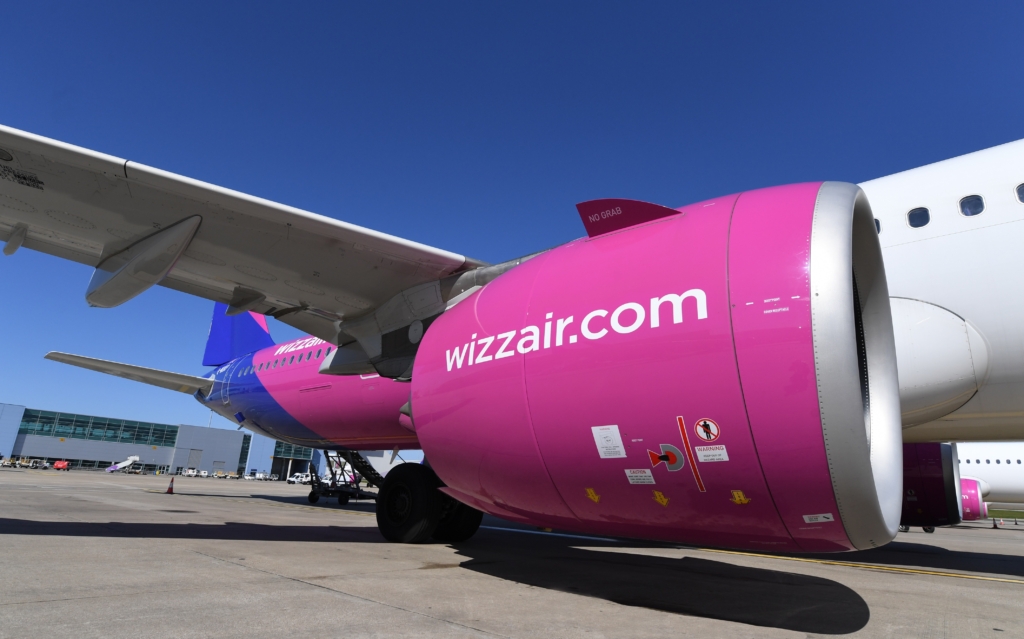
In September 2025, Air Austral retired four Airbus A220s, citing persistent engine reliability failures, while Air Astana reported $24 million earnings loss after an unplanned GTF engine schedule disruption during peak summer operations.
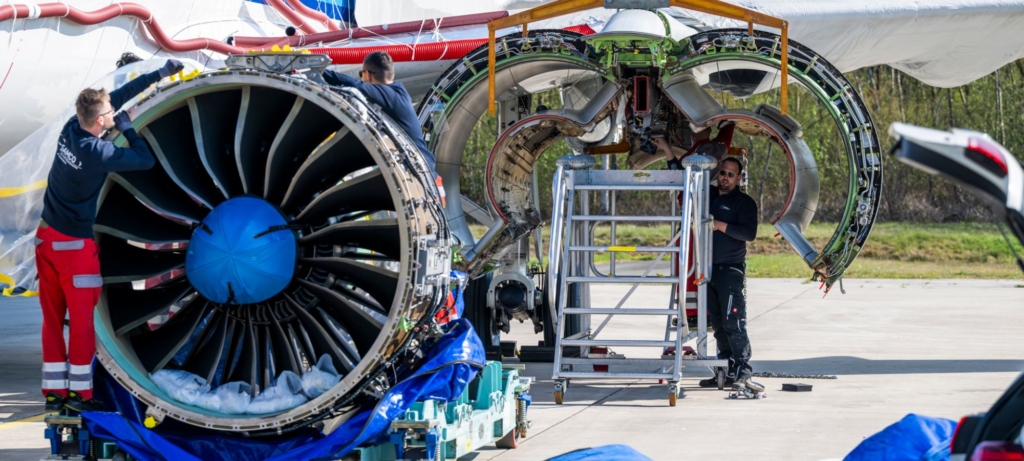
The phased return of KLM Cityhopper’s stored E195-E2s will be closely watched across the regional aviation sector, as part of the broader pace of GRF fleet normalisation – and as a test of how quickly MRO teams can efficiently restore cocooned aircraft to airworthiness at scale.
Featured image: KLM Cityhopper, courtesy of Jason Vermeulen
Sign up for our newsletter and get our latest content in your inbox.


More from

October 25, 20266 min read

October 25, 20265 min read


