Israel launches retaliatory strikes on Iran after missile attack

4 min read
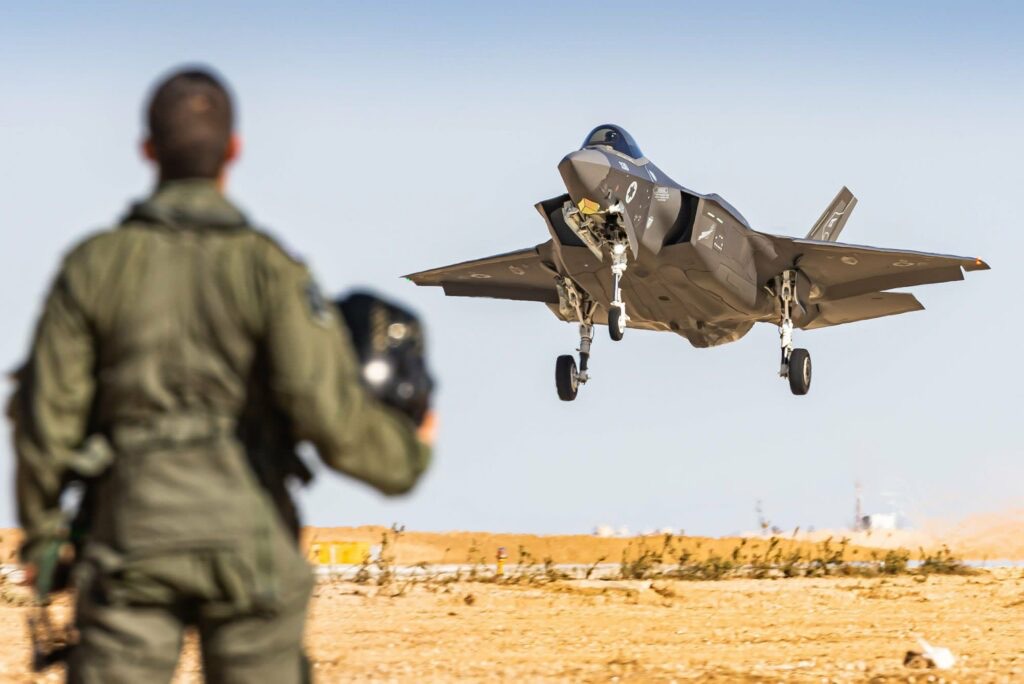
In a rapidly evolving situation, Israel has responded to Iranian missile strikes on northern Israel by launching its own retaliatory strikes. This is a rapidly changing story.
Iran launched strikes on Israel
Last night, Iran launched a wave of missile strikes on Israel in response to Israel’s actions in Lebanon against its Hezbollah proxy. Iran says Israel’s actions against the militant group violate the ceasefire.
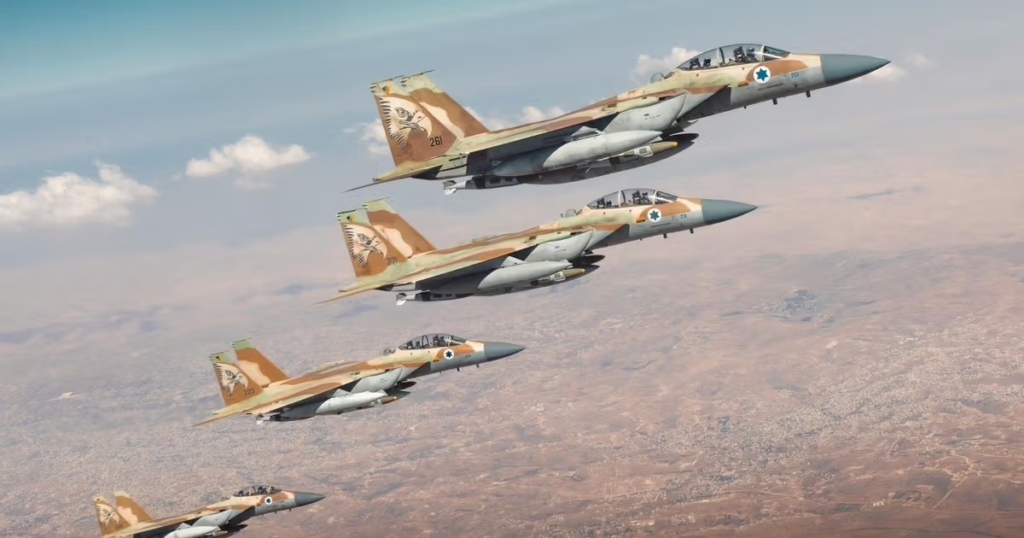
After the strike, Iran said that it wouldn’t launch any more strikes if Israel didn’t respond. An important nuance is that “Iran” is not a singular decision maker, but a composite of competing interests.
It remains unclear whether or to what extent a centralised government with effective control is operating in Iran. This is due to a combination of compounding factors.
Iran saw the post-1979 structural decentralisation into semi-autonomous departments (e.g., IRGC vs. regular military, clerical vs. civilian). There was further fragmentation in anticipation of the 2026 Israeli/US strikes (“mosaic defence”).
The subsequent killing of much of the senior leadership and internal communications breakdowns have left organisations such as the Revolutionary Guards (IRGC) operating largely independently of the civilian government and Islamic clerics.
Israeli aircraft are now striking Iranian targets. – Channel 14 https://t.co/ElVPaS9391
— Faytuks Network (@FaytuksNetwork) June 8, 2026
Soon after the strike, Trump told Israel not to strike back at Iran. A few hours later, The Times of Israel reported that Israeli Prime Minister Netanyahu had “pseudo-agreed” to hold off on the strikes while also adding that no formal decision had been made in Israel.
Get the latest aerospace defence news here on AGN.
Israel retaliates against Iran
An hour later, it was reported that Iran’s Revolutionary Guards had launched strikes on the headquarters of “terrorist groups” in Iraqi Kurdistan that it accused of aiding Kurdish groups in its own country.
Smoke seen rising in Isfahan, Iran after Israeli strikes pic.twitter.com/vd0NkJ1PdH
— Faytuks News (@Faytuks) June 8, 2026
Around the same time, the US State Department warned citizens in Jordan to seek shelter due to missiles in the airspace. It didn’t specify whose missiles, drones, and rockets they were.
About an hour later, the Israeli IDF announced it had struck military targets in western and central Iran without immediately providing details. Explosions were reported by local media in Tehran, Tabriz, and Isfahan. Soon after, Iran closed its airspace around Tehran’s Imam Khomeini International Airport.
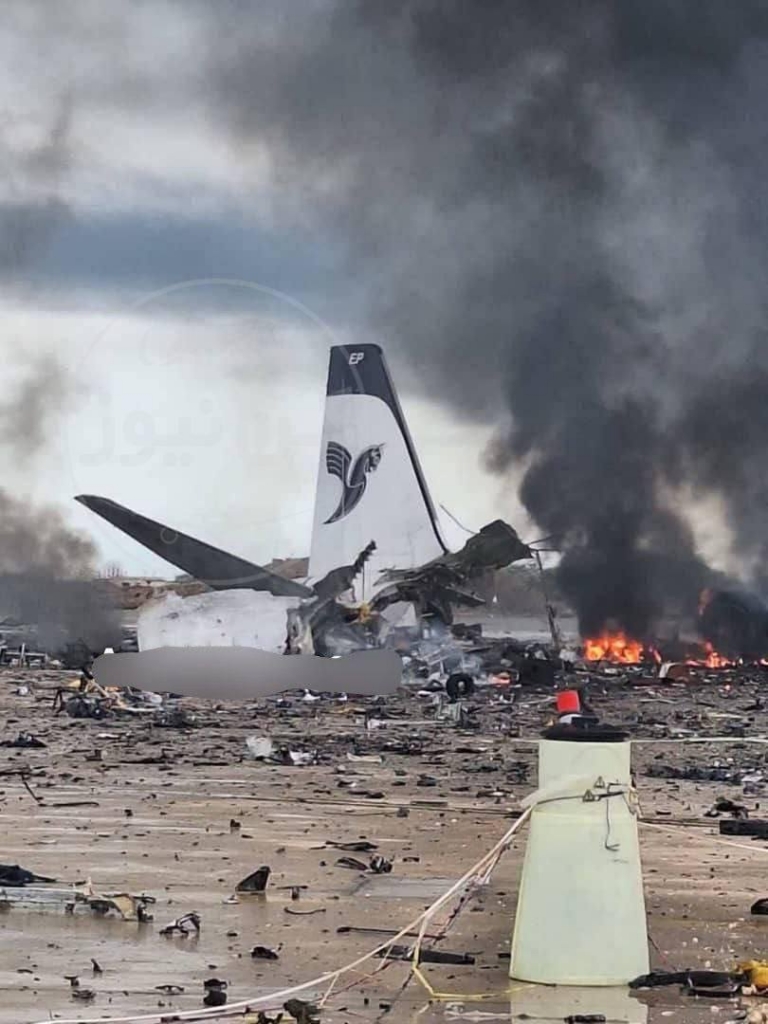
Iran’s IRGC confirmed the Israeli strikes, with the IRNA news agency reporting Israel had launched ballistic missiles and reports suggesting Israel had hit 15 targets.
Al Jazeera said one of these targets was a drone facility. Some reports suggested that Tehran’s Mehrabad International Airport was among the targets.
Following Israel’s retaliatory strike on Iran, the Houthis in Yemen have also launched missile strikes against Israel. No injuries were reported following the Houthi attacks
BM launch from Yemen.
— Shin (@hey_itsmyturn) June 8, 2026
Tzeva Adom in central. pic.twitter.com/Z8gLg7rLVb
AGN has previously reported how Israel has destroyed dozens of commercial-type aircraft at Mehrabad Airport, and Iran said it lost around 60 commercial-type aircraft during Operation Epic Fury/Roaring Lion bombardment.
A very hot ‘ceasefire’
After the Israeli strikes, US authorities stated they were not involved in the Israeli strikes while adding that Israel’s strikes were “relatively limited.”
הרמטכ"ל ובכירי צה"ל מפקדים ברגעים אלו על תקיפות צה"ל באיראן מבור חיל האוויר
— צבא ההגנה לישראל (@idfonline) June 8, 2026
צה"ל נמצא במוכנות מלאה בהתקפה ובהגנה
הרמטכ"ל, רב-אלוף אייל זמיר, ובכירי צה"ל, קיימו לאורך השעות האחרונות הערכות מצב שוטפות ומפקדים על תקיפות צה"ל באיראן מבור חיל האוויר.
צה"ל דרוך ומוכן להמשך פעולה… pic.twitter.com/rjuYDpo8x1
The US announced a ceasefire with Iran (and told Israel to comply) on the 8th of April (which officially continues to hold). Israel said this did not apply to Hezbollah.
However, this is a very hot ‘ceasefire’ with US and Iranian forces regularly shooting at each other. The US Navy is enacting a naval blockade of Iran and shooting at its naval vessels, while Iran continues to attack merchant shipping transiting the Strait of Hormuz and attack US warships.
Iran has launched repeated attacks on US military assets in the region, including attacks on Kuwait, the UAE, Bahrain, and Oman. Some attacks have been against military targets, and others at the Gulf States’ oil infrastructure.
AGN recently reported that Iranian drones attacked the main Terminal at the Kuwait International Airport.
Reporter: How do you define ceasefire?
— Open Source Intel (@Osint613) June 3, 2026
Trump: In that part of the world, ceasefire is when you're shooting in a more moderate manner pic.twitter.com/wXdr2EraDC
The US has regularly responded to Iranian attacks with strikes against various targets in Iran throughout the “ceasefire.” Trump remarked that a ceasefire in this region is “when you’re shooting in a more moderate manner.”
Featured Image: IDF