IndiGo turns to Airbus A321XLR for record 11-hour Amsterdam flights as Willie Walsh begins new era

5 min read
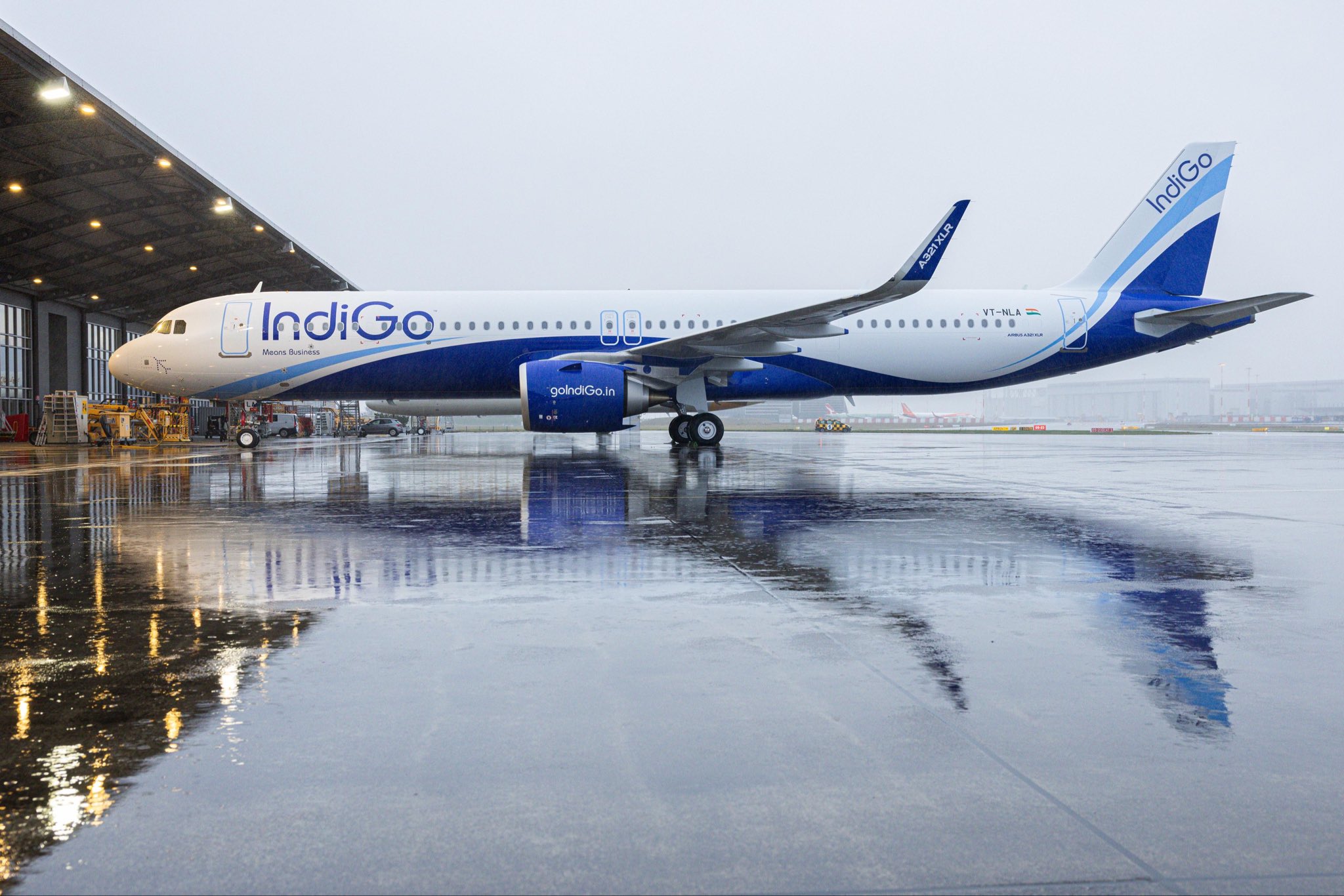

IndiGo is preparing to push the Airbus A321XLR further than any airline has before, deploying the narrowbody on an 11-hour nonstop Mumbai-Amsterdam service as the carrier begins a new chapter under new chief executive Willie Walsh and reshapes its long-haul strategy.
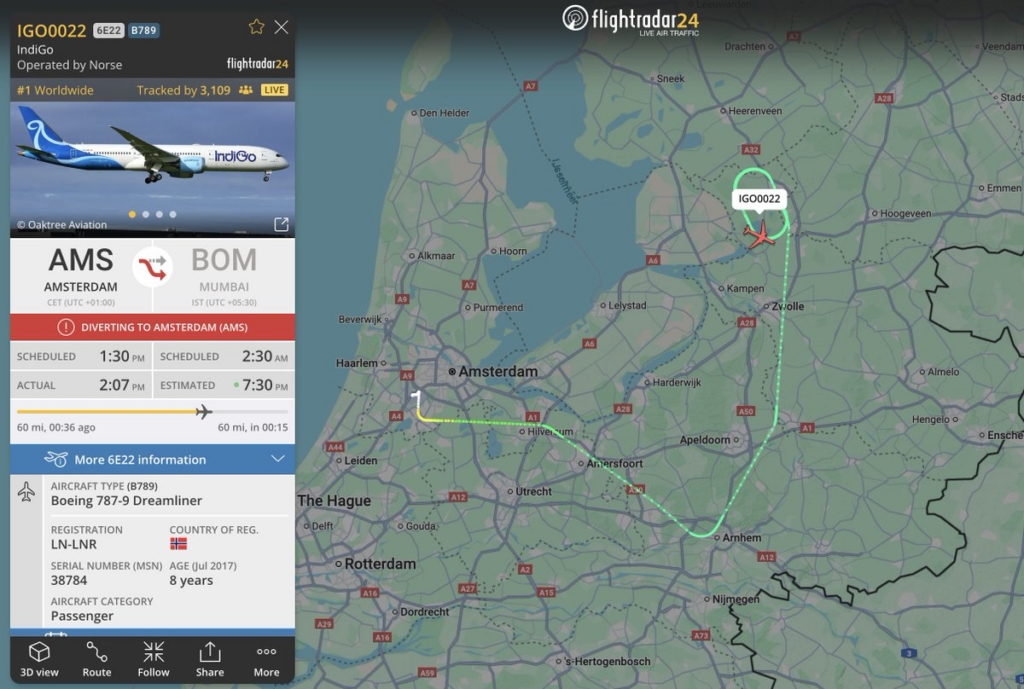
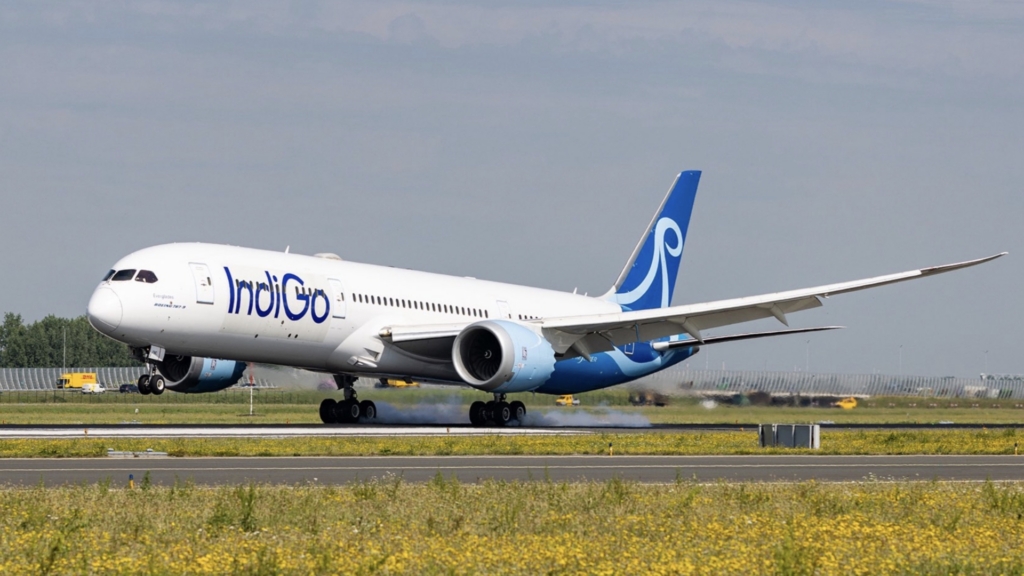
The move, first uncovered by Analytic Flying and subsequently reported by Simple Flying, will see the Airbus A321XLR temporarily replace Boeing 787-9 services on the route after IndiGo confirmed that its damp lease agreement with Norse Atlantic Airways will end at the close of October 2026.
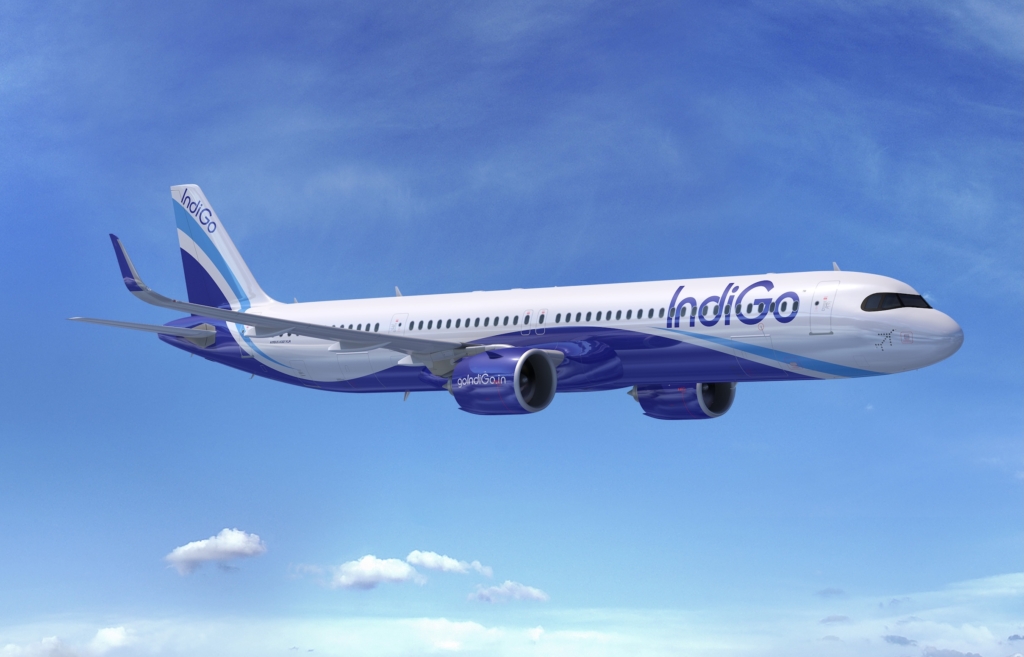
The Mumbai-Amsterdam operation is expected to become the world’s longest scheduled Airbus A321XLR flight, with a block time of up to 11 hours.
Rather than simply replacing one aircraft with another, the decision reflects how IndiGo intends to bridge the gap until deliveries of its Airbus A350-900 fleet begin from 2028, while protecting one of its most strategically important European gateways.
Amsterdam slots make the route too valuable to lose
The Amsterdam service occupies a unique position in IndiGo’s European network.
Unlike London Heathrow, where the airline’s temporary Boeing 787-9 operation will end with the Norse lease, Amsterdam remains central to its long-term plans.
According to Analytic Flying, IndiGo secured Schiphol slots as a new entrant and, under the airport’s slot rules, must continue operating at least 80% of its allocated services or risk losing them.
To avoid that outcome, the airline will deploy its 195-seat Airbus A321XLR on the Mumbai-Amsterdam route until its own Airbus A350-900s enter service.
While Simple Flying described the move as effectively preserving the slots until the widebody fleet arrives, it also highlights the growing role of the A321XLR in supporting long-haul network development without the costs of operating larger aircraft.
IndiGo has confirmed that its Boeing 787-9 damp lease with Norse Atlantic Airways will conclude at the end of October. The leased Dreamliners played a key role in helping India’s largest airline establish long-haul services to Europe while it awaited the arrival of its own widebody aircraft.
Stretching the Airbus A321XLR to its limits
The Mumbai-Amsterdam operation also demonstrates how far airlines are beginning to push Airbus’ newest long-range narrowbody.
According to Simple Flying, the daily service is scheduled with a block time of up to 11 hours from Mumbai to Amsterdam and about nine hours 40 minutes on the return sector, making it the longest planned nonstop Airbus A321XLR operation anywhere in the world.
The route is made more demanding by current geopolitical realities. Instead of following the shortest track across Pakistan, Iran and parts of Russia, the aircraft must fly a longer routing via Saudi Arabia and Egypt because of airspace restrictions. The detour increases the distance by about 14%, adding flying time, fuel burn and operating costs.
Although Airbus markets the A321XLR with a maximum range of 4,700 nautical miles, Simple Flying noted that real-world operational range is lower, meaning payload restrictions are likely on such a demanding sector, particularly westbound.
A leadership change comes as IndiGo expands globally
The network decision coincides with the arrival of Willie Walsh as IndiGo’s chief executive.
Walsh formally took charge on 3 August after the airline announced his appointment earlier this year, succeeding Pieter Elbers, who oversaw the initial phase of IndiGo’s international expansion and the orders for long-range aircraft.
Before joining IndiGo, Walsh served as Director General of the International Air Transport Association and previously led International Airlines Group, British Airways and Aer Lingus.
“With India becoming one of the world’s fastest-growing aviation markets, the opportunities ahead for IndiGo are immense,” Walsh said after taking office. “There could not be a more exciting and opportune time for me to join IndiGo than now.”
In a separate message to employees during the airline’s 20th anniversary celebrations, Walsh said IndiGo would continue expanding internationally despite supply-chain pressures, airspace closures and geopolitical uncertainty.
“Our goal is to build a globally relevant airline from India,” he said, while reaffirming plans to expand the carrier’s international footprint and improve the customer experience. The airline expects international operations to account for around 40% of total capacity by 2030.
The next phase of IndiGo’s evolution
For much of its first two decades, IndiGo built its success on a straightforward low-cost model centred on domestic operations, high aircraft utilisation and a largely single-type fleet. International expansion is changing that equation.
The airline now serves more than 40 overseas destinations across Asia, the Middle East, Africa and Europe, supported by partnerships with 13 international airlines.
The arrival of the A321XLR gives it a lower-risk way to open or sustain long-haul markets that may not initially justify a widebody aircraft, while the Airbus A350 fleet will eventually enable non-stop intercontinental services with greater passenger and cargo capacity.
With 69 Airbus A321XLRs on order, IndiGo is set to become the biggest operator of the long-range narrowbody. The first Airbus A321XLR landed in India in January, and the airline had deployed the second aircraft on the Delhi–Istanbul route, with effect from 19 April 2026.
For Walsh, the immediate challenge is balancing ambition with operational discipline. Aircraft delivery delays, engine shortages, congested airspace and growing international competition continue to test airlines worldwide. Yet IndiGo’s decision to stretch the A321XLR to Amsterdam shows the carrier is determined to keep expanding its global footprint while laying the foundations for the arrival of its own widebody fleet.
As temporary as the Mumbai-Amsterdam A321XLR operation may be, it offers an early indication of how India’s largest airline intends to bridge today’s constraints with tomorrow’s long-haul ambitions.
Sign up for our newsletter and get our latest content in your inbox.