HAL secures $254M contract for 8 Dornier 228 aircraft for Indian Coast Guard

6 min read
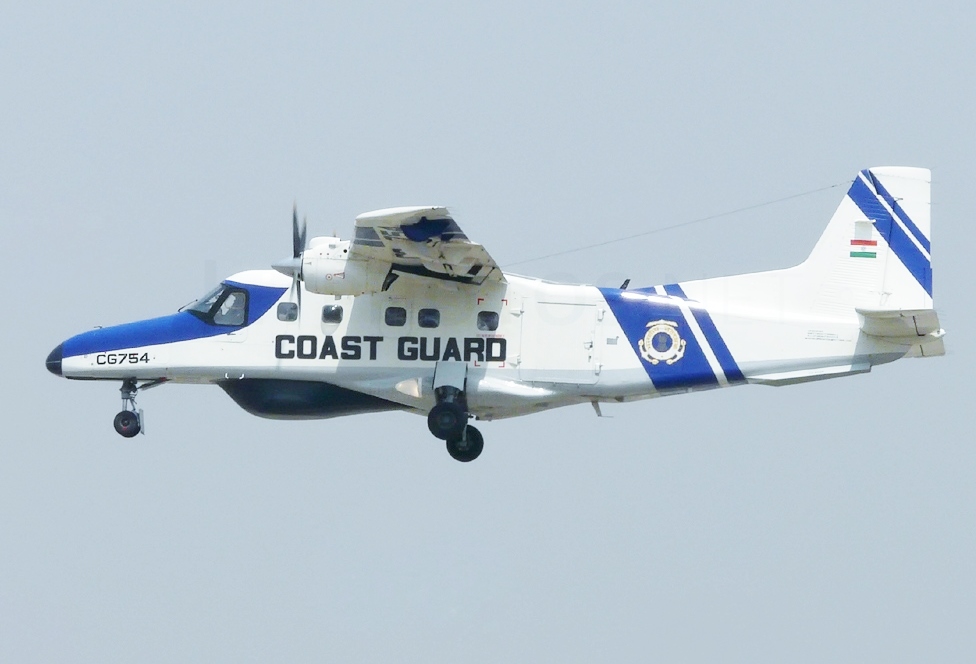
India’s Ministry of Defence has signed a ₹23 billion ($254 million) contract with Hindustan Aeronautics Limited (HAL) for eight Dornier 228 aircraft for the Indian Coast Guard (ICG).
The aircraft will be used to reinforce coastal surveillance and maritime domain awareness architecture at a time of expanding security demands across the Indian Ocean Region.
The agreement, signed in New Delhi on 12 February in the presence of Defence Secretary Rajesh Kumar Singh, includes operational role equipment tailored for maritime missions.
The acquisition comes as part of a broader ₹3.6 trillion ($40 billion) capital procurement approval cleared by the Defence Acquisition Council, which also advanced major fighter acquisition proposals.
Reinforcing the Indian Coast Guard’s Dornier 228 maritime surveillance fleet
For the Coast Guard, the Dornier 228 is neither new nor experimental. It has been a dependable surveillance platform for decades, valued for its short take-off capability, low operating costs and ability to operate from forward and island airstrips.
Manufactured at HAL’s Transport Aircraft Division in Kanpur since the mid-1980s under transfer of technology from Germany, the Do-228 was originally inducted to meet the armed forces’ light transport aircraft requirement.
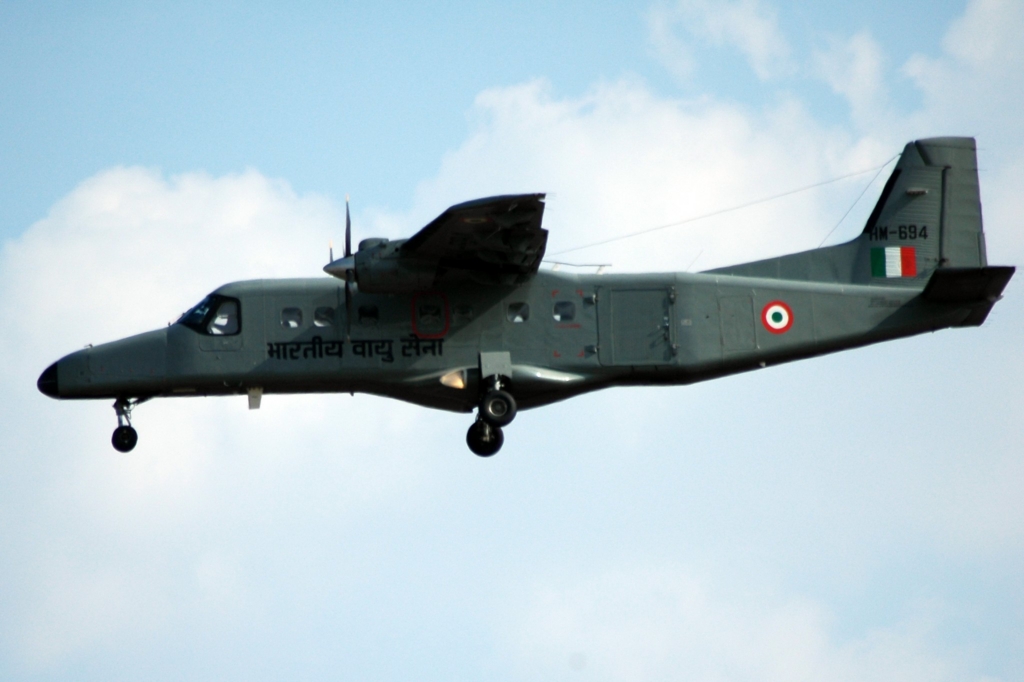
The Indian Air Force received its first aircraft in 1987, formally inducting them in April 1988 to replace ageing DHC-3 Otter and DH Devon aircraft used for liaison and communication duties.
Over time, the platform found users across the Navy and Coast Guard as well, particularly for coastal patrol and reconnaissance tasks.
According to HAL’s programme data, more than 150 military Do-228 aircraft have been produced in India so far.
HAL-built Dornier 228: Specifications, range and island operations
The current production variant remains a 19-seat twin-turboprop aircraft powered by two Honeywell TPE331-10 engines, each rated at 715 shp.
It features a maximum take-off weight of 6,200 kg and a maximum cruise speed of 370 km/h.
Performance characteristics have made it particularly suitable for maritime roles. The aircraft requires a take-off run of just 762 metres and a landing distance of 576 metres under ISA +15°C conditions.
These numbers allow it to operate from relatively short coastal runways, including those in the Andaman and Nicobar and Lakshadweep island chains.
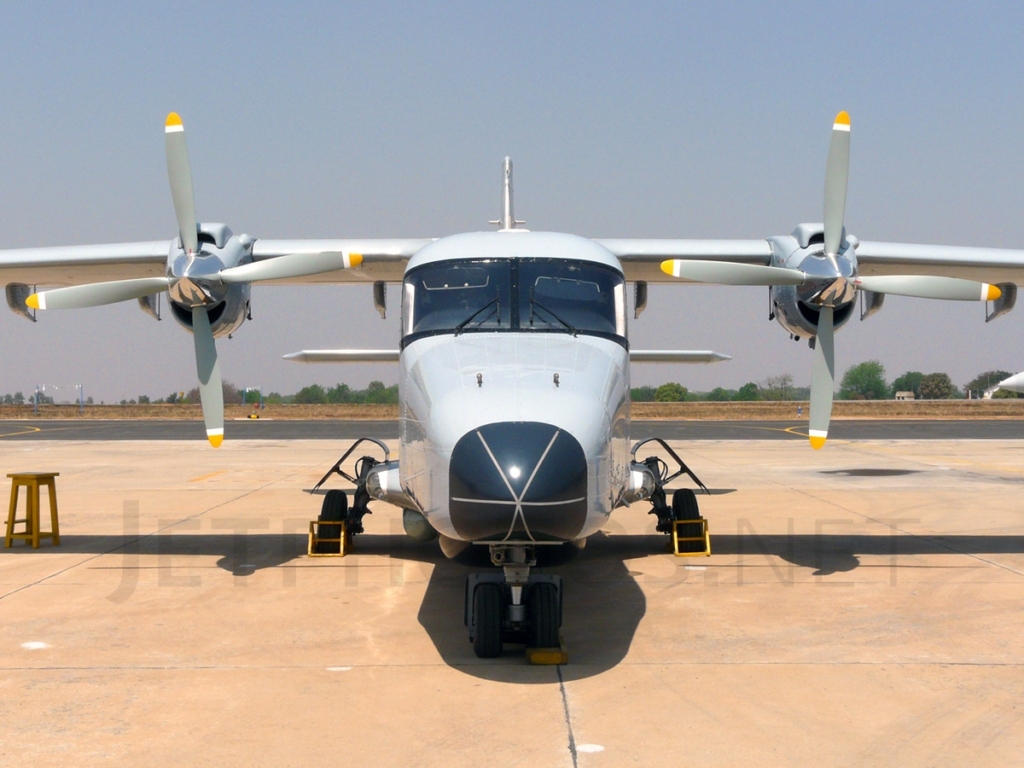
The platform can be configured for commuter, VIP, or air ambulance roles, with cabin layouts that allow up to 19 passengers, stretcher fitment, or mission consoles, depending on operational requirements.
For the Coast Guard, these aircraft are typically equipped with maritime surveillance radars, electro-optical sensors, communication suites and pollution response systems.
Indian Coast Guard order supports HAL’s Kanpur production
Beyond fleet expansion, the contract is expected to sustain HAL’s production line in Kanpur and support a network of micro, small and medium enterprises supplying components and subsystems.
HAL has indicated that the programme will generate direct and indirect employment and create continued work in maintenance, repair and overhaul (MRO) as well as lifecycle technical support. The Kanpur facility holds CAR 21 and CAR 145 certifications covering design, manufacturing and maintenance activities.
The latest order also reinforces ongoing efforts to evolve the platform. HAL has initiated development of an indigenous civil transport derivative, the Hindustan-228, based on the Do-228 airframe.
The company has allocated internal funding towards indigenisation and prototype development and has explored potential cooperation on amphibious variants.
Separate exploratory discussions have also examined hydrogen-electric propulsion concepts for extended range applications.
Dornier 228 across services: From the Indian Air Force to the Coast Guard
When first introduced, the Do-228 primarily supported the Air Force’s liaison squadrons. No.41 and No.59 Light Aircraft Squadrons phased out their Otters in favour of the new turboprop, shifting away from forward area supply roles to communication duties.
Additionally, the type was inducted at the Transport Training Wing at Yelahanka in Bengaluru, where it continues to serve as a multi-engine transport trainer for pilots graduating from the Air Force Academy.
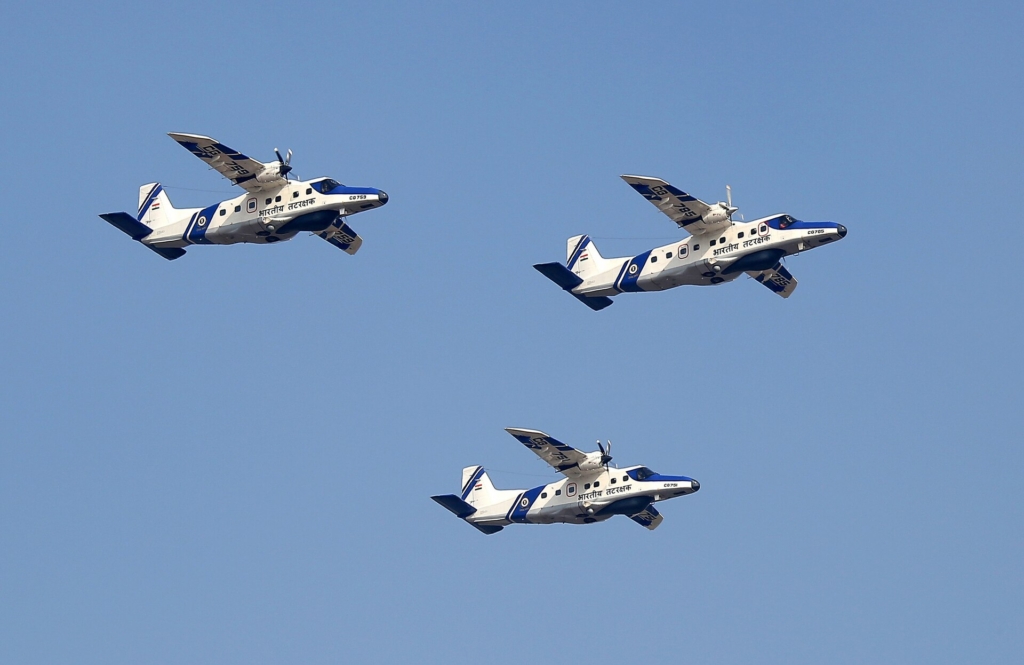
Its migration into Coast Guard service marked a natural extension. The aircraft’s high wing, rugged landing gear and endurance profile suited maritime reconnaissance, fisheries patrol, anti-smuggling surveillance and search-and-rescue coordination.
HAL advances amphibious Hindustan-228 seaplane variant
Beyond the current Coast Guard order, HAL is also advancing work on an amphibious, or seaplane, variant of the Hindustan-228, a move the company sees as opening a new niche within India’s regional aviation landscape.
An HAL official said the design and development activities for the amphibious version are progressing, with certification targeted within the next 24 months.
The scope includes the design, manufacture, testing and certification of airworthy amphibious floats fitted with landing gear and reinforced attachment structures, along with the necessary structural integration work on the airframe.
The 1st prototype of the aqua version of Hindustan 228 civilian aircraft will be ready in a year.
— Kanpur Updates (@KanpurUpdates) February 2, 2026
The Hindustan-228 Amphibian is currently being developed at HAL's Transport Aircraft Division Kanpur. pic.twitter.com/lC4hoVtfk8
According to the official, all analysis and ground and flight testing will be undertaken to demonstrate compliance with applicable airworthiness regulations.
The programme has received additional momentum after the Union government signalled its intent to promote indigenous seaplane manufacturing, including the introduction of viability gap funding to support commercial seaplane operations, a measure announced by Finance Minister Nirmala Sitharaman in the recent Budget.
HAL believes there is viable demand for such aircraft both within India and among friendly island and coastal nations.
“We envisage potential in the domestic market as well as export opportunities to countries with similar aquatic geography such as Malaysia, Mauritius and Seychelles,” the official said.
The amphibious effort forms part of HAL’s broader push into civil aviation, where it aims to raise the share of commercial revenue significantly over the coming decade, building on the limited but operational deployment of the Hindustan-228 with Alliance Air in the North-East.
Strategic timing amid India’s wider defence procurement push
The Dornier contract coincides with broader capital procurement approvals, including clearance of long-pending fighter acquisitions.
While these larger programmes capture attention, smaller fleet reinforcements such as the Do-228 order quietly underpin daily operational readiness.
For the Coast Guard, whose area of responsibility has expanded alongside increased maritime traffic and offshore energy infrastructure, fixed-wing surveillance assets remain critical for persistent coverage.
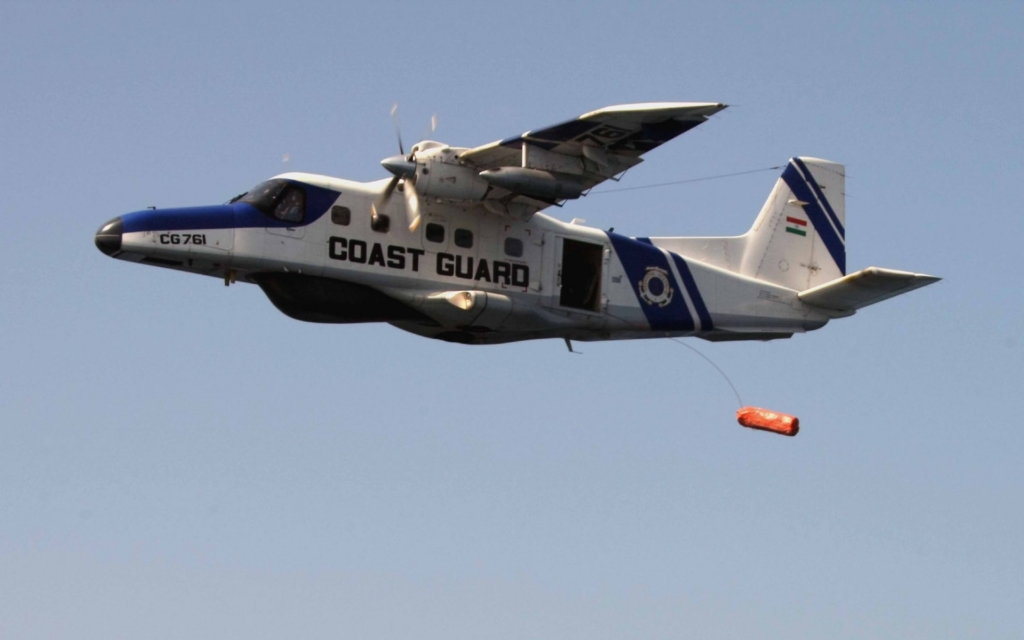
The additional eight aircraft will augment an already substantial fleet, extending patrol capacity and redundancy across India’s 7,500-kilometre coastline and island territories.
In an era when attention often centres on high-end fighter platforms and strategic bombers, the renewed investment in a light twin-turboprop underscores a simpler reality: maritime security is sustained as much by reliable patrol aircraft as by advanced combat systems.
The Dornier 228, now well into its fourth decade of Indian production, continues to occupy that space.
Sign up for our newsletter and get our latest content in your inbox.


More from


October 17, 20264 min read