How flight rostering works for pilots and cabin crew

3 min read
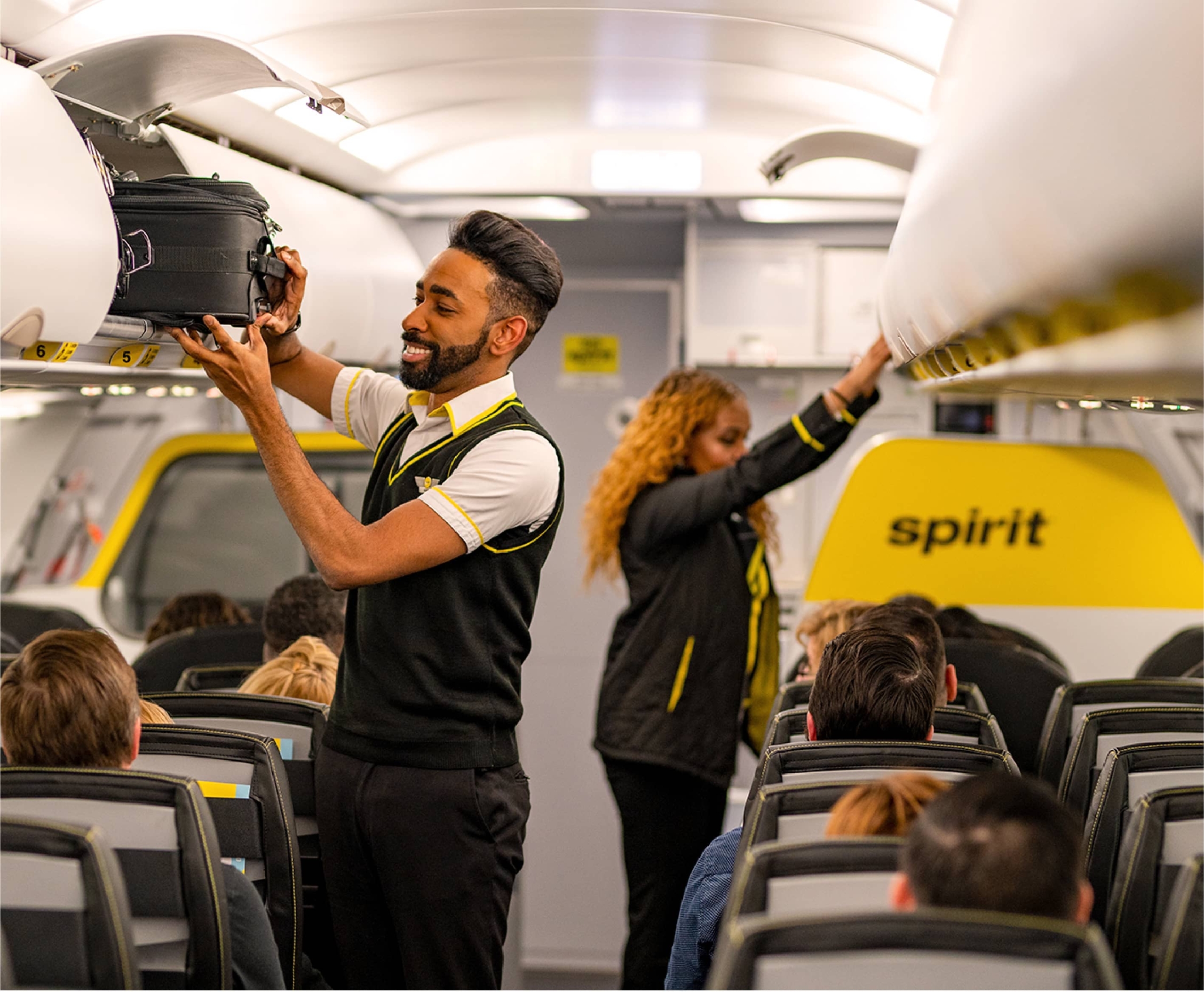
Rostering is basically about assigning qualified crew to flights. But like most things in life, there’s more to it than meets the eye.
Airlines have to consider legal duty limits, rest periods, training requirements, and the availability of staff across different bases. It’s something that has to be tweaked and reworked all the time just to keep things running smoothly.
How are airline crew rosters designed?
Most airlines publish rosters monthly, giving crew a forward view of their working pattern. These schedules are created using planning systems that can process vast amounts of data, from aircraft rotations to individual crew qualifications.
Strict regulations underpin every roster. There are limits on how long a crew member can be on duty, how many hours they can fly, and how much rest they must have before they can work again.
These rules are specifically designed to reduce fatigue and maintain safety margins, particularly during demanding work such as night flying or multi-sector days.
Crew pairings and trip patterns
Rather than assigning flights individually, airlines build “pairings”. These are blocks of work that link flights together into a single trip.
For long-haul operations, that might mean flying to a destination, resting for a set amount of time, then operating a return service. Short-haul schedules tend to involve more sectors in a shorter time, sometimes with multiple take-offs and landings in a single day.
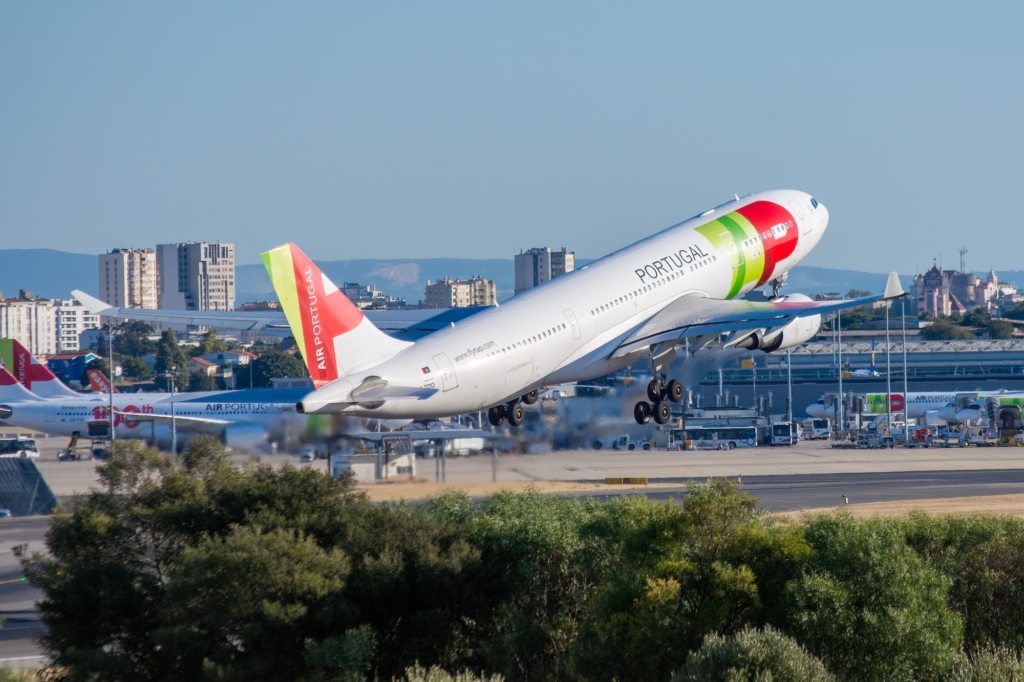
Crew can usually state preferences for certain types of work, whether that’s longer trips or schedules that start or finish late. Those preferences are taken into account where possible, but operational needs come first so they’re not set in stone.
Factors like seniority and fleet qualifications can also influence who ends up flying which routes.
What happens if crew can’t work or plans change?
Even the most carefully designed roster is vulnerable to disruption. Delays, adverse weather, or unplanned absences can quickly create gaps in coverage. When that happens, airline crewing teams can make real-time adjustments, reassigning crew or calling out those who are on standby.
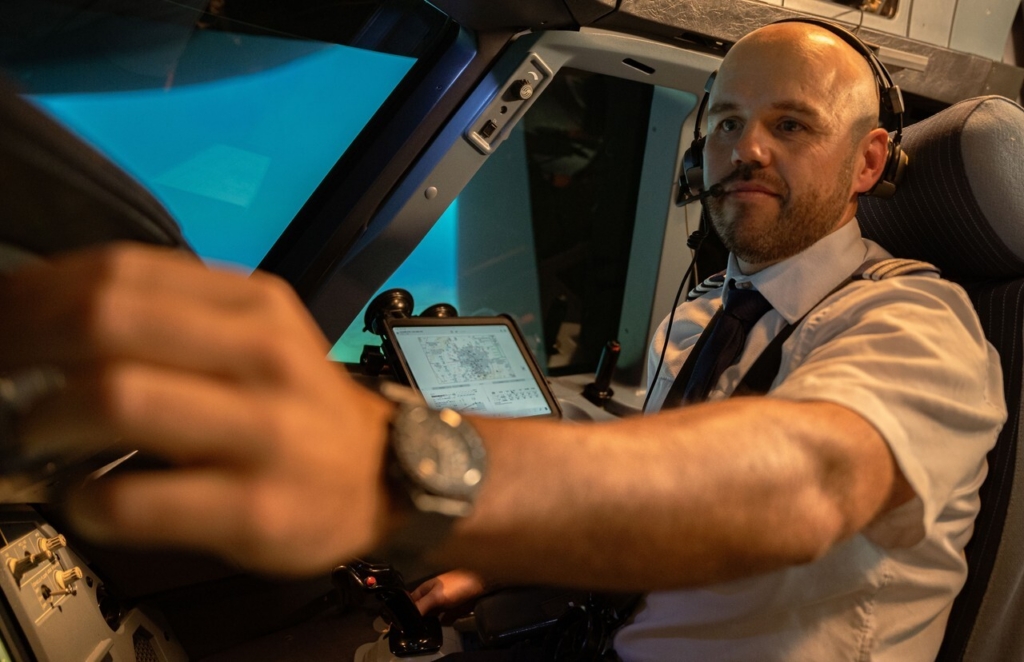
Standby duties are built into rosters for exactly this reason. Crew on standby may not know in advance whether they’ll be called to operate a flight, but their availability provides a buffer when things don’t go to plan. For example, if a crew member is stuck elsewhere or calls in sick, a standby will fill in so the flight can still go ahead.
Do all airlines use the same rostering software?
There isn’t a universal rostering software that all airlines use for crewing. Instead, each airline tends to pick its own system depending on size, budget and how complex its operation is.
Larger carriers usually go for major platforms like Sabre or Jeppesen, while others use tools such as Lufthansa Systems’ NetLine/Crew or similar systems.

On top of that, crew often use separate apps just to view their rosters and keep track of changes.
So while the goal is always safe and legal crew scheduling, the software behind it varies quite a bit from airline to airline.
Flight rostering matters
Rostering is really where safety, efficiency and people management all come together. It has to tick a lot of boxes at once, making sure every flight is crewed properly without pushing anyone too far or leaving holes in the schedule.
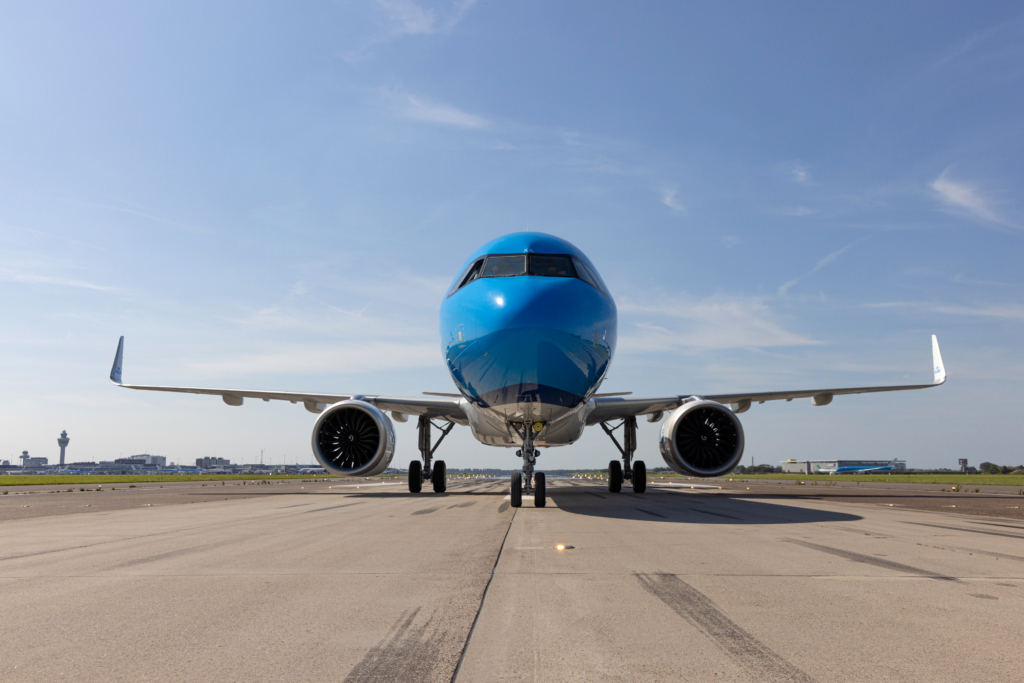
Getting the aircraft ready is only half the job. The crew have to be in the right place at the right time, rested and fit to fly. Without that, the whole operation would start to fall apart pretty quickly.
Featured image: Spirit Airlines
Sign up for our newsletter and get our latest content in your inbox.


More from


October 17, 20264 min read