Fatal An-32 crash renews focus on Indian Air Force transport fleet replacement

7 min read
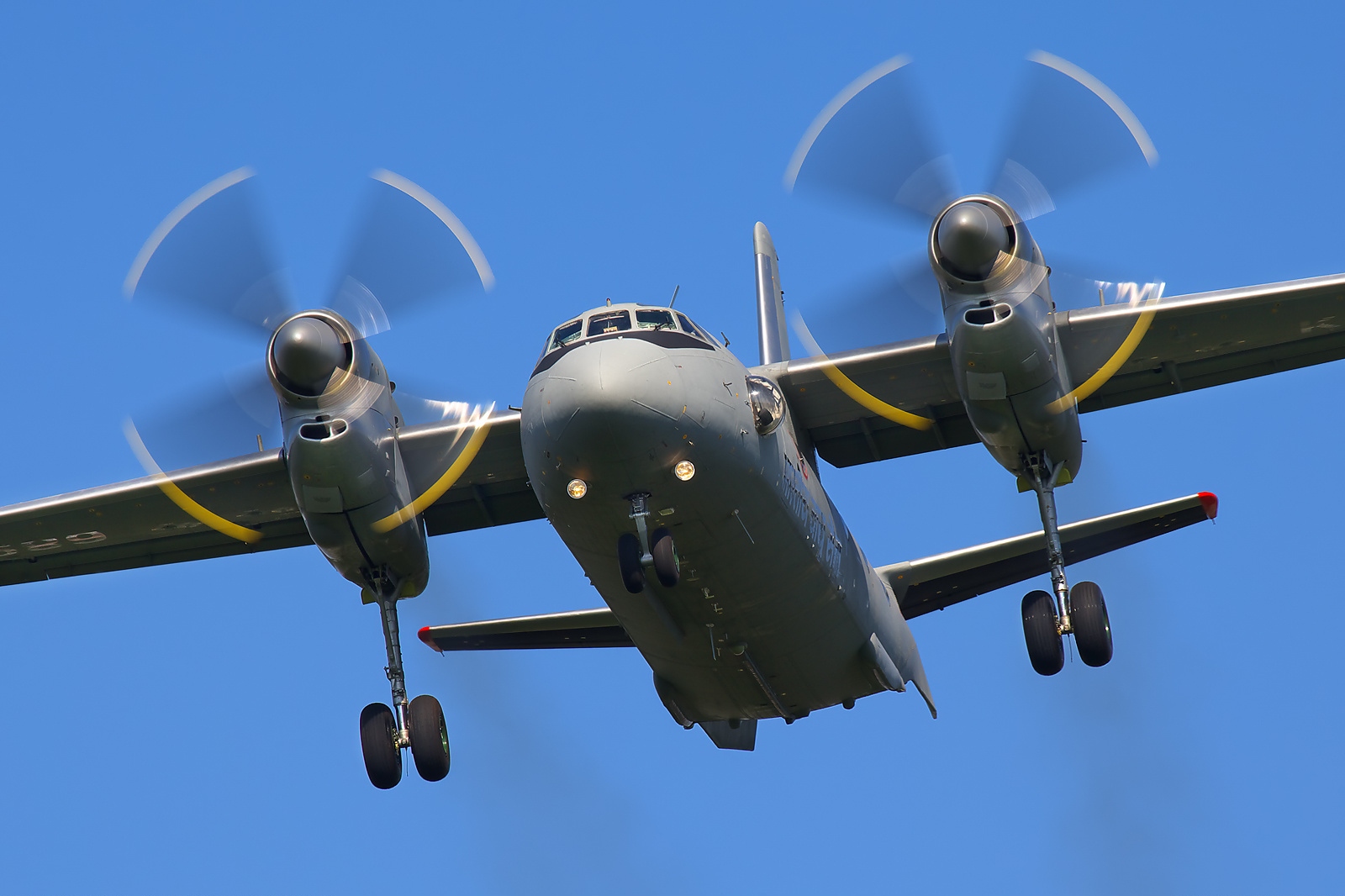

Two days after an Indian Air Force Antonov An-32 transport aircraft crashed while landing at Jorhat in Assam, investigators are continuing efforts to determine what caused the fatal accident that claimed the lives of five personnel.
The aircraft crashed at around 1000 hrs local time on June 13 during what the Air Force described as a routine sortie. One person survived the accident and is receiving medical treatment.
In a statement, the IAF confirmed the deaths of Squadron Leader Prashant Singh, Flight Lieutenant Shubham Kumar, Sergeant Jitendra Sharma, Agniveervayu Khemaram Kumawat and Agniveervayu Danish Alam. The service has ordered an inquiry into the accident.
While the investigation remains in its early stages, the crash has once again drawn attention to one of the oldest and most heavily used aircraft in the Indian Air Force inventory.
NEW: Indian Air Force An-32 military transport aircraft crashed on Saturday while attempting to land at an air force base in the northeastern city of Jorhat.
— Breaking Aviation News & Videos (@aviationbrk) June 13, 2026
"We are aware of the IAF transport aircraft accident in Jorhat. We are awaiting further details," Assam Chief Minister… pic.twitter.com/WANCTi2dkS
The An-32 has served for more than four decades and remains central to Indian military logistics across some of the country’s most challenging terrain. It is also an aircraft whose replacement has been discussed for years, but not yet delivered.
Unverified videos circulate as IAF begins crash inquiry
Open-source videos circulating on social media appear to show the aircraft during the final stages of its approach before impact. The footage has been widely shared online since the accident.
Visuals show the moment an Indian Air Force An-32 transport aircraft did a Runway excursion and crashed while attempting to land at the Jorhat Air Force Station in Assam on Saturday, 13 June 2026.#aircraft pic.twitter.com/j8hcCf6v5e
— FL360aero (@fl360aero) June 14, 2026
However, neither the Air Force nor investigators have commented on the videos, and no official conclusions have been reached regarding the cause of the crash.
As with all military aviation accidents, investigators are expected to examine maintenance records, weather conditions, air traffic communications, aircraft systems and evidence recovered from the wreckage before determining what happened.
At this stage, the Air Force has not disclosed whether any technical malfunction, environmental factor or operational issue contributed to the accident.
How the An-32 became the backbone of Indian military airlift
The AN-32 occupies a unique place in Indian military aviation.
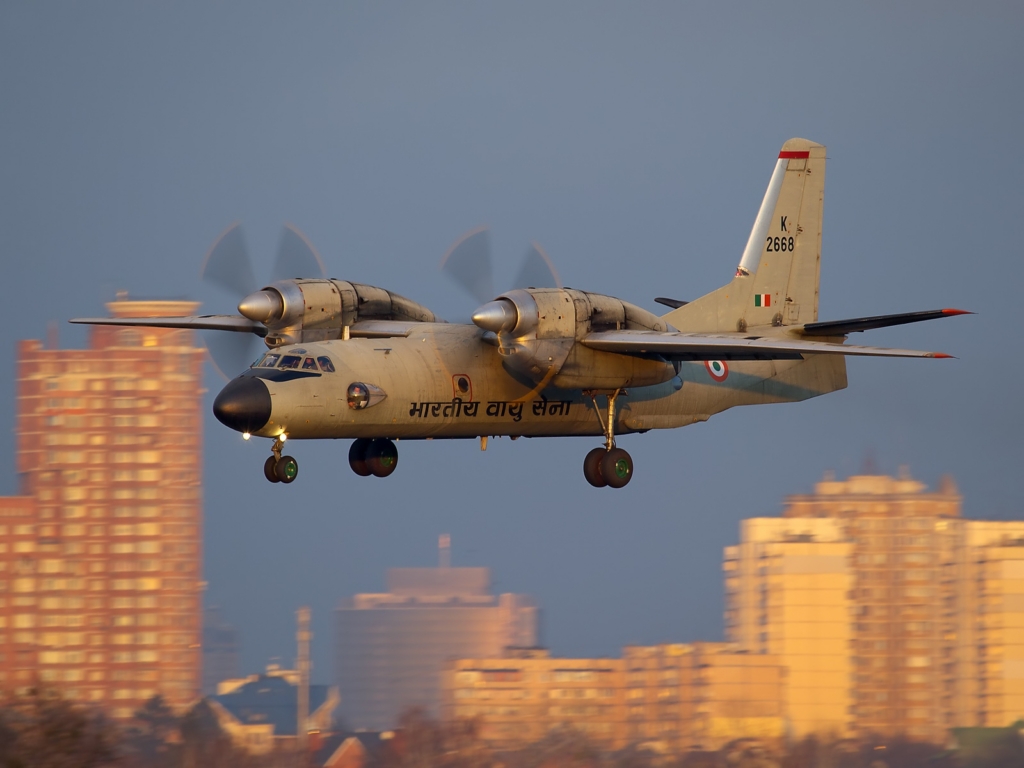
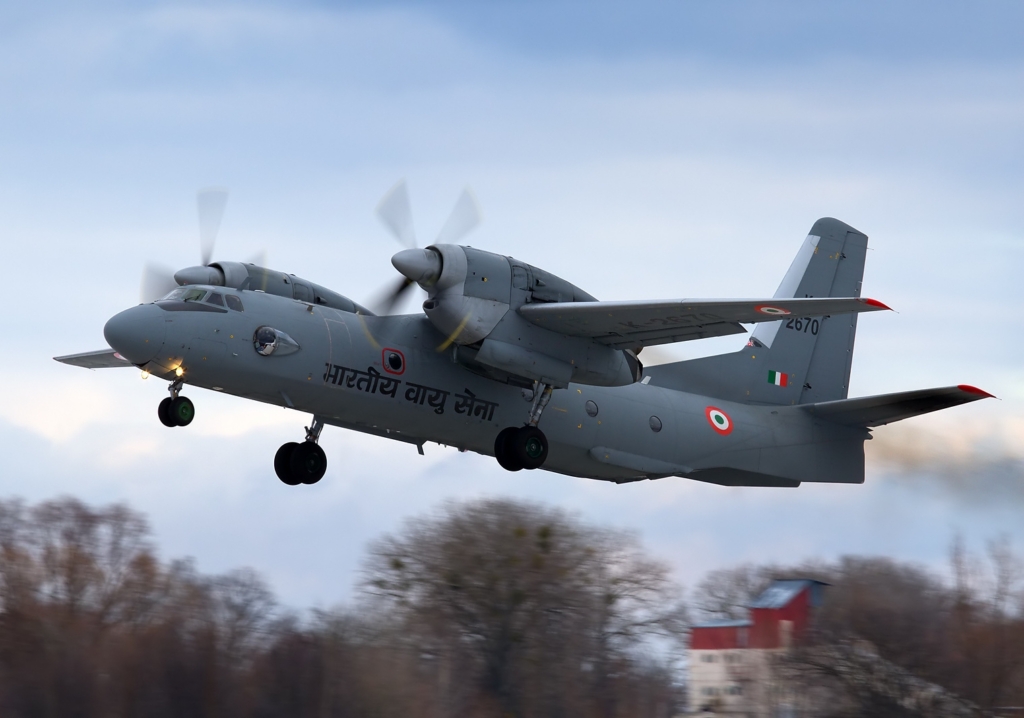
India began inducting the twin-engine turboprop transport aircraft in 1984 after purchasing 125 aircraft from the then Soviet Union. Developed from the earlier Antonov AN-26, the aircraft was specifically designed for operations in hot and high-altitude conditions.
One of its most recognisable features is the placement of its engines above the wing. The unusual configuration was intended to improve performance in mountainous terrain and at airfields where temperatures and altitude can significantly reduce aircraft performance.
Those characteristics made the AN-32particularly attractive for India.
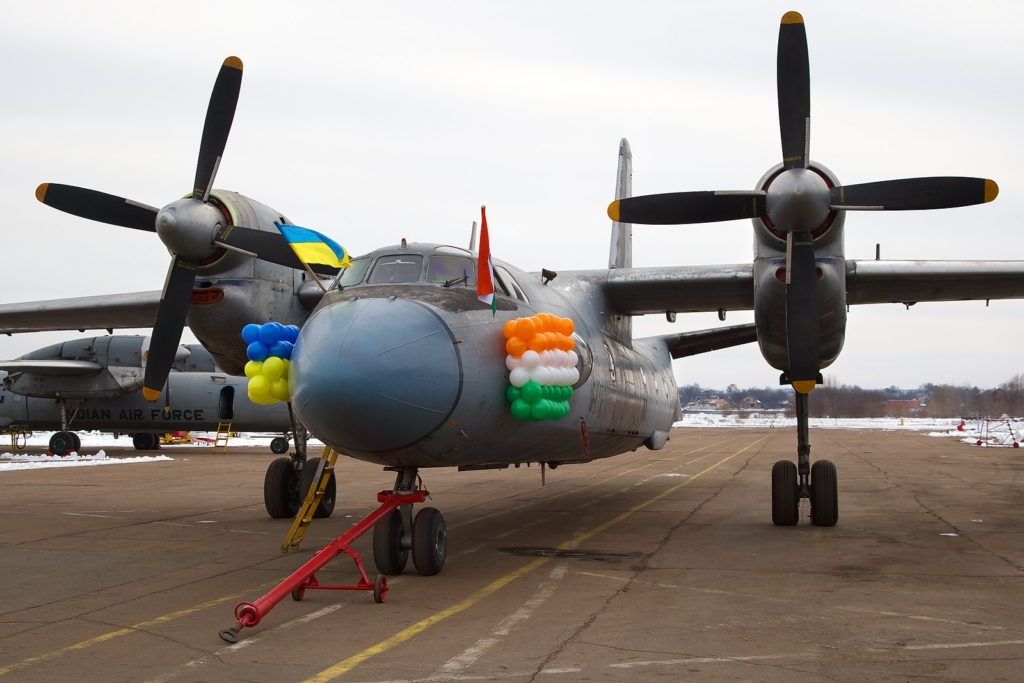
Over the years, the aircraft became the workhorse of the Air Force’s tactical transport fleet, carrying troops, ammunition, equipment and supplies to remote locations across the country. It can transport approximately 6.7 tonnes of cargo or up to 50 personnel and is capable of operating from short and relatively austere airstrips.
Its ability to fly into remote airfields in the Himalayas, the Northeast and island territories ensured that it became indispensable for military logistics.
The aircraft played a critical role during the 1999 Kargil conflict and Operation Parakram in 2001-02 against neighbouring Pakistan, conducting sustained transport missions to forward areas and supporting troop deployments.
Even today, the fleet remains responsible for a large share of the Air Force’s routine tactical airlift operations.
An-32 modernisation programme sought to extend service life
Recognising the importance of the AN-32 fleet, India launched a major upgrade effort after a fatal crash in 2009.
In 2009, New Delhi signed a contract worth approximately $400 million with Ukrainian manufacturer Antonov to modernise the fleet. The programme involved structural refurbishment, engine overhauls and the installation of improved avionics, navigation systems and communications equipment.
The effort was intended to extend the operational life of the aircraft and improve reliability.
However, the programme encountered difficulties following Russia’s annexation of Crimea in 2014, which disrupted supply chains and affected access to components used on the aircraft.
India and Ukraine subsequently agreed to continue the programme using alternative systems, with upgrade work eventually shifting to the Air Force’s Base Repair Depot in Kanpur. Despite progress, the programme has faced delays and remains incomplete.
Third major An-32 accident since 2016 raises fresh questions
Although widely regarded within the Air Force as a robust and reliable aircraft, the AN-32 has been involved in several high-profile accidents.
The latest accident is the third major fatal AN-32 crash since 2016.
On July 22, 2016, an AN-32 disappeared over the Bay of Bengal while flying from Tambaram Air Force Station near Chennai to Port Blair in the Andaman and Nicobar Islands. All 29 people on board were lost.
Three years later, on June 3, 2019, another AN-32 disappeared while flying from Jorhat to Mechuka in Arunachal Pradesh near the border with China.
A massive search operation involving the Air Force, Army, Navy, ISRO and local authorities continued for days before the wreckage was located in mountainous terrain at an altitude of around 12,000 feet. All 13 personnel on board were killed.
The aircraft was eventually located after extensive aerial and ground searches conducted under difficult weather conditions in one of the most challenging operating environments in the country.
An earlier AN-32 crash in Arunachal Pradesh in 2009 also claimed 13 lives.
According to recent reports, the Jorhat accident represents the tenth AN-32 crash since the aircraft entered Indian service in 1984.
Long-delayed An-32 replacement programme could move forward
The latest accident comes at a time when the Air Force is moving closer to replacing the ageing fleet.
Plans to find a successor for the AN-32have existed for nearly two decades.
An earlier Indo-Russian effort to jointly develop a Multirole Transport Aircraft eventually collapsed after disagreements over technical requirements and industrial responsibilities. The programme, first conceived in the mid-2000s, was formally abandoned in 2016.
The requirement was revived in 2022 when the Air Force issued a Request for Information for a Medium Transport Aircraft capable of carrying between 18 and 30 tonnes of payload.
According to defence sources cited in recent reports, the service is now in the final stages of preparing a Request for Proposal, with the document expected to be issued in the coming months.

Several contenders are expected to compete for the requirement. These include Lockheed Martin’s C-130J Hercules, Embraer’s C-390 Millennium and Airbus’s A400M Atlas.
The programme is expected not only to replace the AN-32 fleet but also to support the eventual retirement of ageing Il-76 transport aircraft.
An aircraft still indispensable to Indian military logistics
For the Air Force, the challenge is that there is currently no immediate substitute for the AN-32.
Despite its age, the aircraft continues to perform missions that are essential to sustaining troops across India’s vast geography, from high-altitude Himalayan outposts to remote airfields in the Northeast and island territories.
That operational reality explains why the fleet remains in service more than 40 years after its induction.
As investigators work to establish what caused the latest accident at Jorhat, the crash has once again highlighted both the enduring importance of the AN-32 and the urgency of finding its successor.
The aircraft has served generations of Indian airmen and supported military operations across some of the country’s most difficult terrain. The latest tragedy is a reminder that while the fleet continues to perform that mission, time is steadily catching up with one of the Indian Air Force’s most familiar aircraft.
Sign up for our newsletter and get our latest content in your inbox.



More from


October 17, 20264 min read