


How fast do fighter jets take off from an aircraft carrier?

3 min read
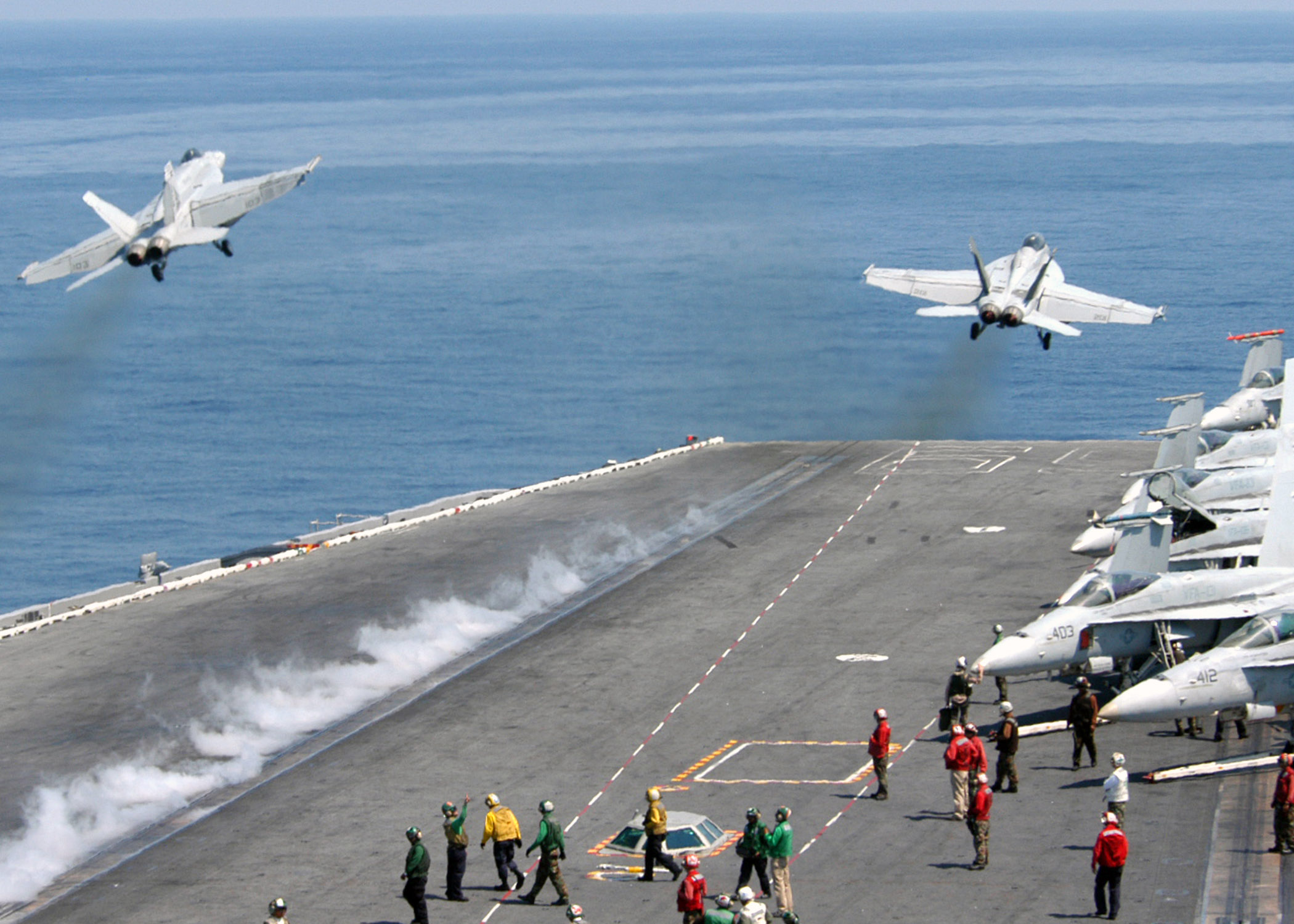
Watching a fighter jet leave an aircraft carrier is one of the most impressive sights in military aviation, not least because there’s only a short stretch of flight deck to get airborne before reaching the edge of the ship.
A carrier-based fighter typically leaves the deck at around 165 mph (265 km/h), although the exact speed varies with the aircraft, its weight and launch conditions.
The sheer velocity is impressive, but how the aircraft reaches these speeds is what makes a carrier launch so unusual.
How does a fighter jet take off from a carrier?
A fighter jet cannot simply accelerate along the deck using its engines because an aircraft carrier does not have enough runway for a conventional takeoff.
Instead, the aircraft is connected to a catapult that provides a powerful push along the flight deck. With the pilot at full engine power, the catapult rapidly accelerates the aircraft toward the bow, giving it enough momentum to become airborne.
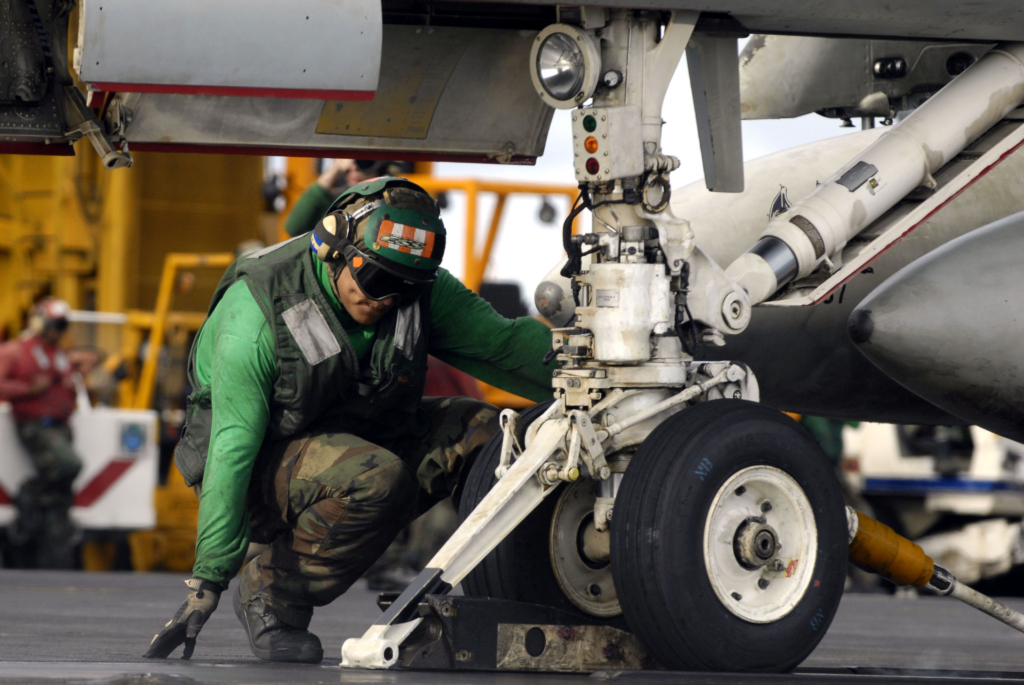
Throughout the history of carrier aviation, steam-powered catapults have generally provided this acceleration. However, newer carriers are moving to electromagnetic technology, with the USS Gerald R. Ford, commissioned in 2017, becoming the first US carrier to use the Electromagnetic Aircraft Launch System, or EMALS.
The shift from steam to electromagnetic systems is intended to improve efficiency and give crews much more control over aircraft launches.
What does a carrier launch feel like?
For the pilot, a catapult launch is an intense experience as the aircraft accelerates from a standstill in a very short space of time.
The sudden burst of acceleration places a huge physical demand on the pilot, while the aircraft must withstand forces that are far greater than those experienced during a conventional runway takeoff.
This is why carrier aircraft are built to handle the repeated stresses of operating from a ship, including both catapult launches and arrested landings.
What happens when the fighter jet comes back in to land?
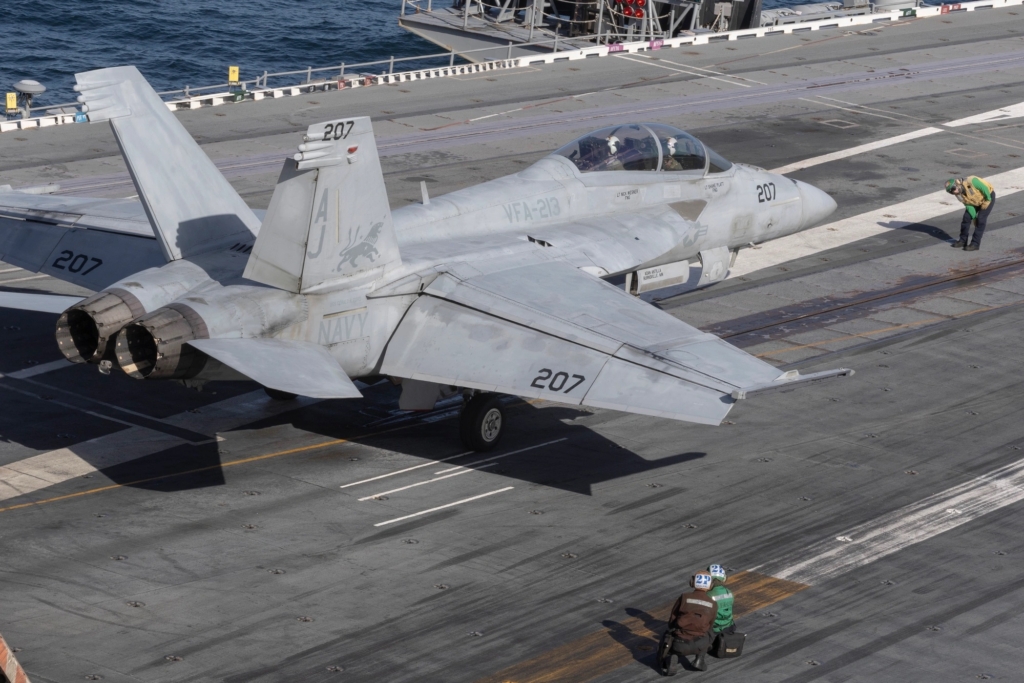
Landing on an aircraft carrier is very different from taking off. Instead of a long runway, the pilot has a small landing area and must use an arresting hook beneath the aircraft to catch one of the arresting wires stretched across the deck.
When the hook catches a cable, the aircraft comes to a rapid stop so the pilot can clear the landing area for the next aircraft.
The process demands precise flying and close coordination with the deck crew, leaving very little room for error.
Do all carrier aircraft need catapults?
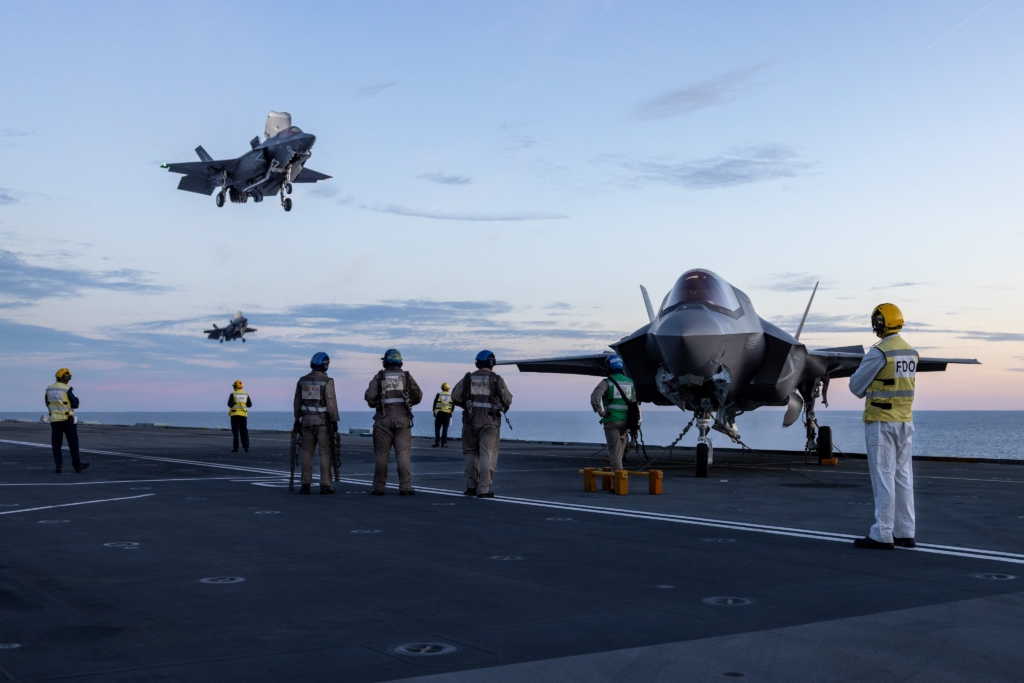
Not necessarily. Some aircraft are designed specifically for short takeoffs and vertical landings.
The F-35B is a well-known example, using its short-takeoff and vertical-landing capability to operate from ships without traditional catapults (it uses its own engine-powered lift system and a short rolling takeoff instead). This makes it ideal for vessels that lack the large launch systems found on US supercarriers.
Catapults are still valuable because they allow carriers to operate a wider range of aircraft and launch them carrying substantial loads of fuel and weapons.
Why is the launch speed of a fighter jet so important?
Reaching roughly 165 mph provides the airflow needed for the aircraft’s wings to generate enough lift for a safe departure.
What makes carrier aviation remarkable is that this happens over a very short distance, with the aircraft going from stationary to flight in just seconds.
The launch is a carefully planned process where the carrier and aircraft work together to solve one of the biggest challenges in naval aviation. The goal is to get a heavy fighter safely into the air from a moving ship with very little runway.


