Aircraft registrations explained: What the letters and numbers on every plane actually mean

4 min read
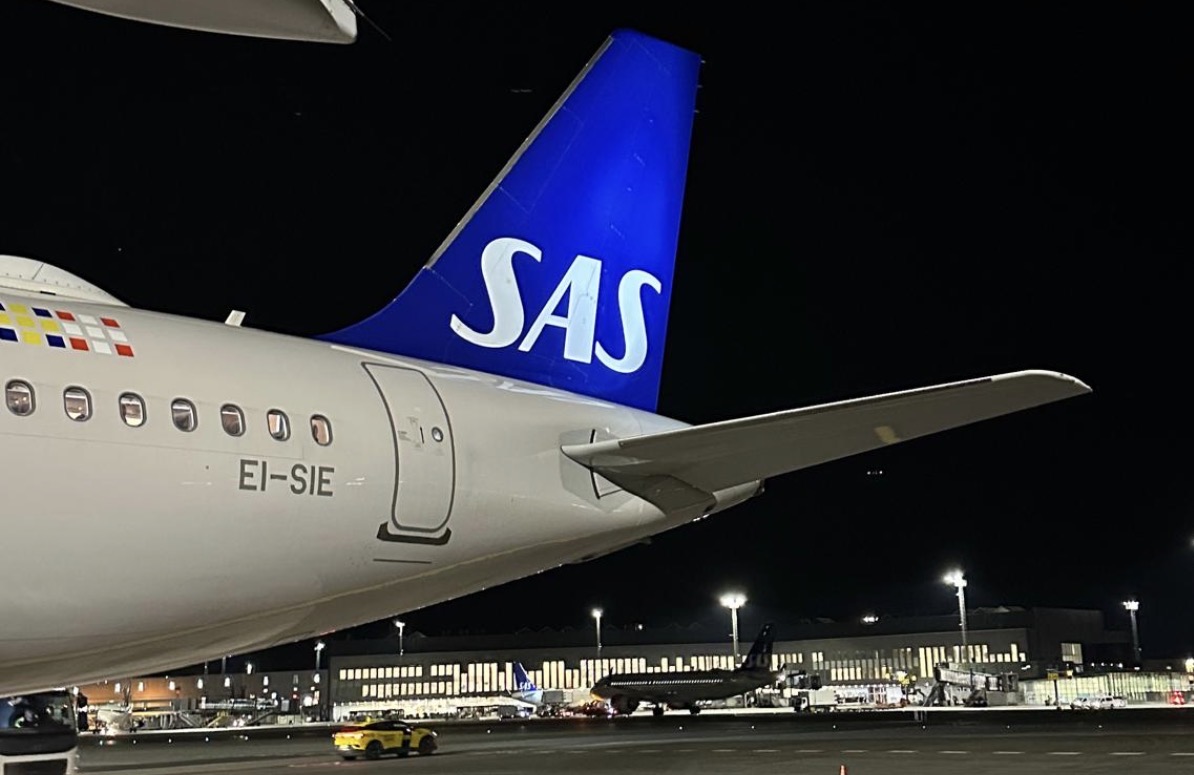
Ever looked at an aircraft and wondered what the letters (and sometimes numbers) painted on its side actually mean? The markings may look random, but they are part of an international system used to identify civil aircraft around the world.
What is an aircraft registration?
An aircraft registration is a unique identification mark assigned to a civil aircraft by the country where it is registered. For example, you might see G-EUOE on a UK-registered aircraft, N12345 on a US aircraft or F-GKXX on one registered in France.
The registration acts as the aircraft’s official identity on its national register. It serves a similar purpose to a car registration number and allows aviation authorities, airlines and other organisations to identify a particular aircraft.
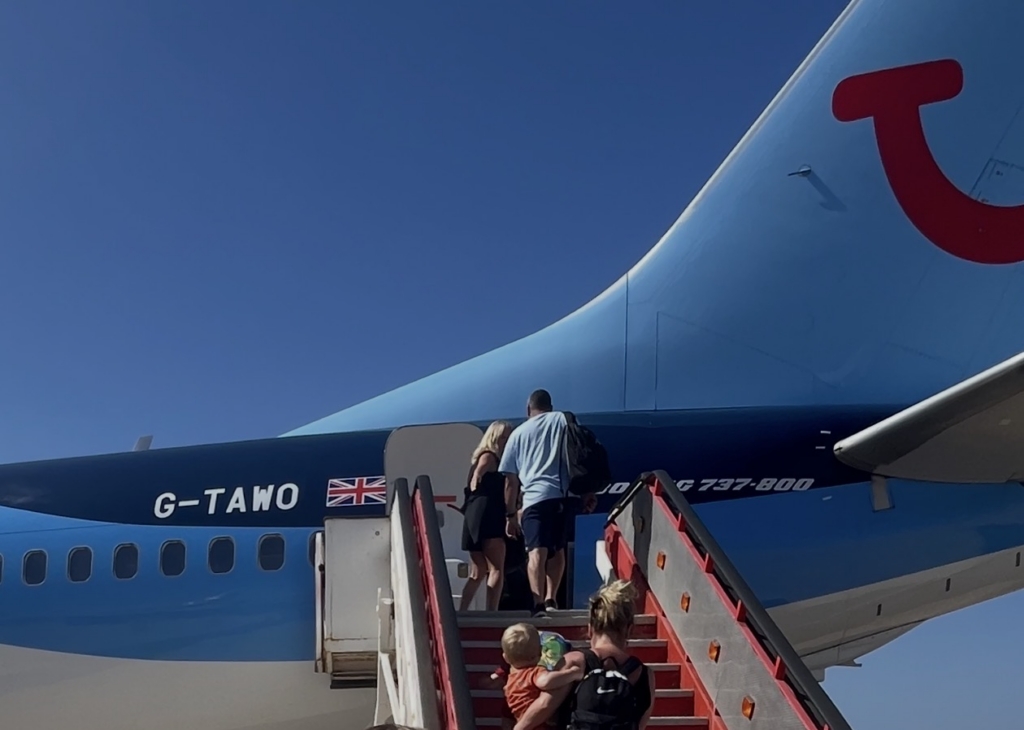
The registration is normally displayed on the fuselage and, depending on the aircraft and applicable rules, may also appear on the wings.
International standards for aircraft nationality and registration marks are set by the International Civil Aviation Organization (ICAO), helping to maintain a consistent system worldwide.
What do the letters on aircraft registrations mean?
The first letter or group of characters is known as the nationality mark. It identifies the country where the aircraft is registered.
The system has its roots in international radio call signs. Countries were assigned specific combinations by the International Telecommunication Union (ITU), and many of these later became aircraft registration prefixes.
Some familiar examples include:
G – United Kingdom
N – United States
F – France
D – Germany
C – Canada
EC – Spain
EI – Ireland
VH – Australia
JA – Japan
9V – Singapore
A6 – United Arab Emirates
VT – India
The format varies between countries. Some use a single letter, while others use two letters or a combination of a letter and a number. The characters that follow the nationality mark then identify the individual aircraft.
How are aircraft registration numbers allocated?
There is no single format for aircraft registrations because each country has its own system and rules. In the UK, for example, the G- prefix is followed by four letters, while the US uses N followed by numbers and, in some cases, letters.
Registrations are issued by the relevant national aviation authority (in the UK it’s the Civil Aviation Authority). The registration normally stays with the aircraft rather than the airline operating it, so an aircraft can move between airlines without necessarily changing its registration.
However, if an aircraft moves to another country’s register, it will normally receive a new registration. This means the same aircraft can have several different registrations during its lifetime.
Aircraft registration vs aircraft serial number
An aircraft registration should not be confused with its manufacturer’s serial number, often known as the MSN. The two identifiers actually serve quite different purposes.
The registration is issued by the country where the aircraft is registered and can change during its lifetime. The manufacturer’s serial number is assigned when the aircraft is built and remains associated with that aircraft throughout its life.
For example, an airliner could begin its career with one airline, move to a different one, and then later be registered in a different country. Its registration could change several times, while its manufacturer’s serial number remains the same.
This makes the serial number particularly useful for aviation researchers and aircraft databases. It allows them to trace an aircraft’s history even when its registration and operators have changed.
Why else are aircraft registrations important?
Aircraft registrations mean that aviation authorities can identify individual aircraft and maintain accurate records. They can also provide an important reference when investigating incidents and accidents.
There are restrictions on some registration combinations to prevent them from being confused with internationally recognised emergency or distress signals. This helps avoid confusion when an aircraft needs to be identified clearly.
Examples of registrations that can’t be used include SOS, XXX and PAN.
For most passengers, the registration painted on an aircraft may go unnoticed as they board a flight. For aviation enthusiasts though, it can be the starting point for finding out where an aircraft is registered, which airlines have operated it and how its history has developed.
In simple terms, an aircraft registration tells you which country’s register the aircraft is on and gives that individual aircraft its official identity.