


Fuel risk on the agenda as Finavia engages airlines amid Middle East war

3 min read
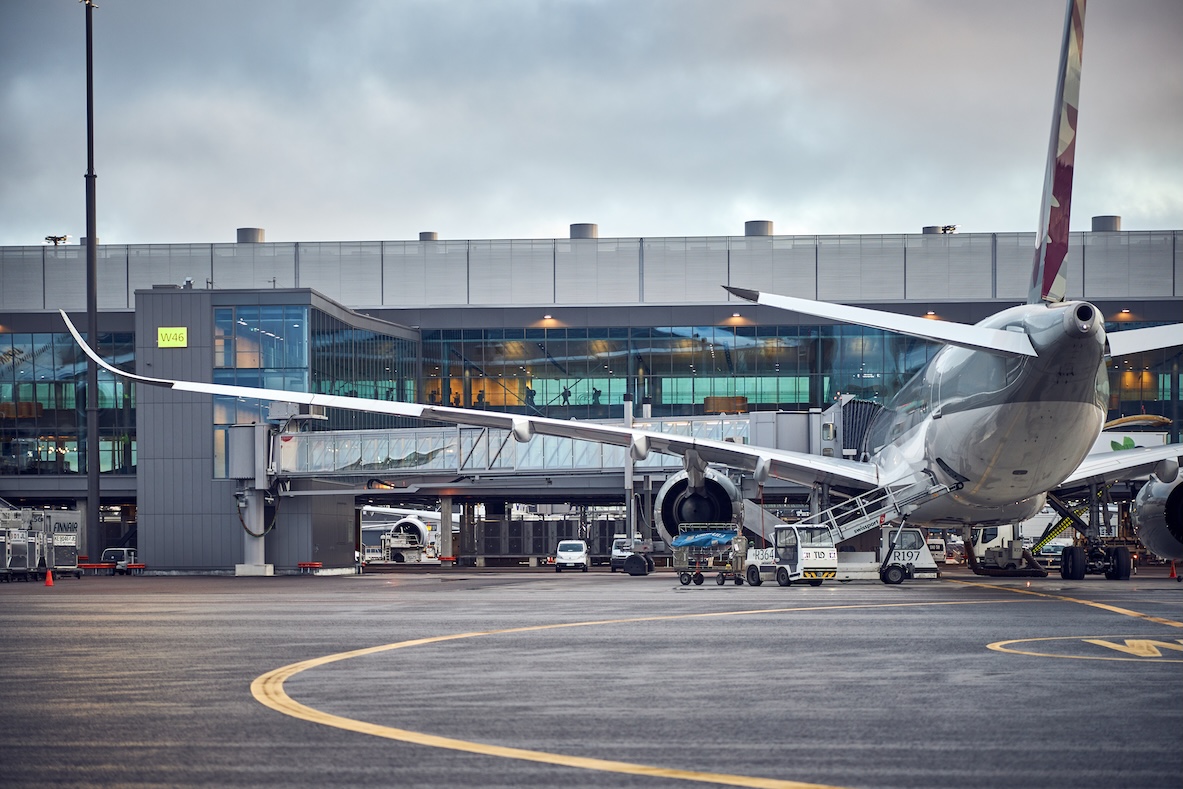
Finavia, which operates 20 airports across Finland, is in talks with its airline partners about the potential for disruption to fuel supplies caused by the ongoing Middle East war – although availability is not currently a problem, according to the company’s senior vice president for route development, Petri Vuori.
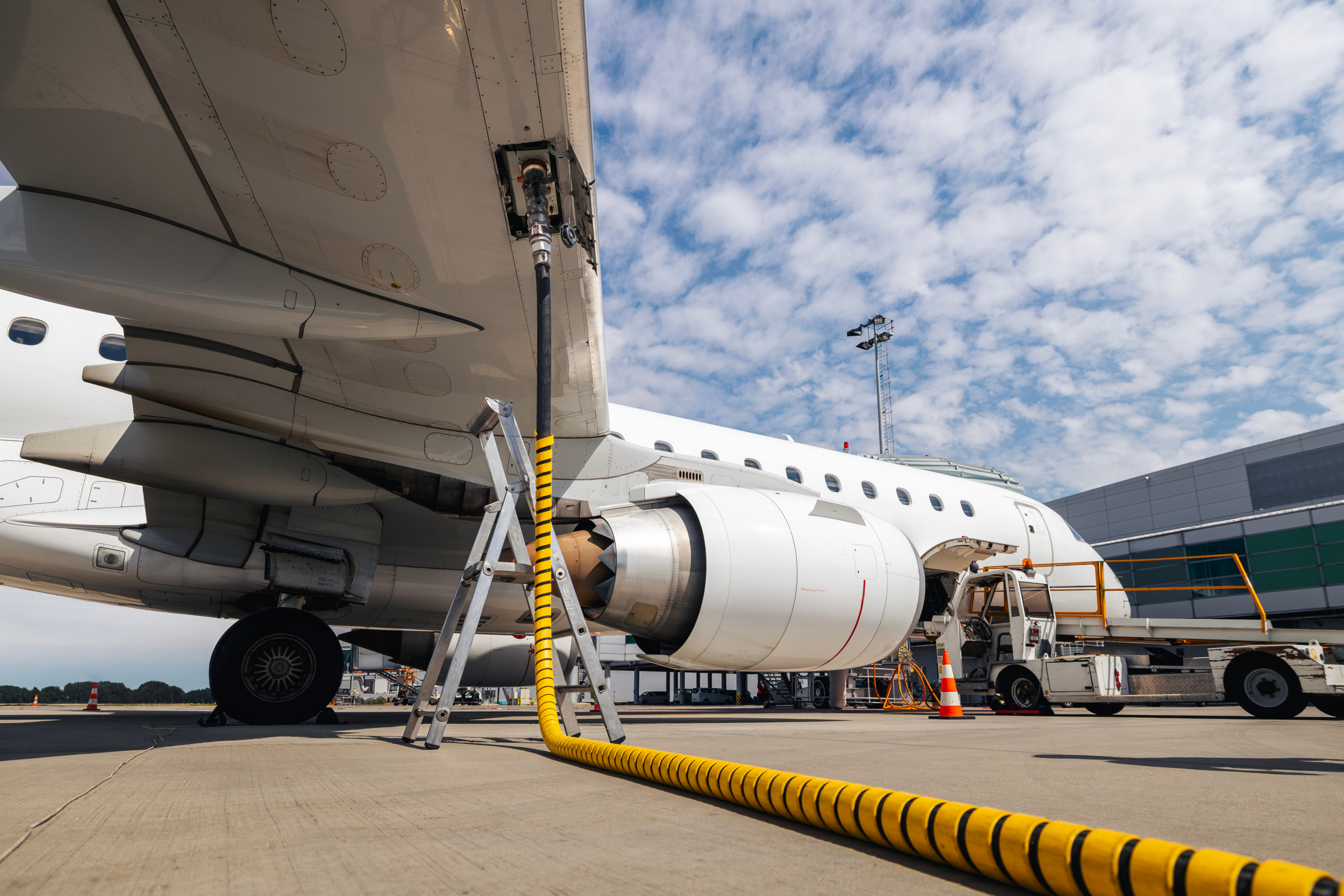
Speaking at the Routes Asia 2026 event in Xi’an, he said discussions between the airport operator and airlines centred not only on the price of jet fuel, which has surged since the conflict started at the end of February, but also fuel availability.
“There are certain European airports which are already limiting the fuel supply. So far, we haven’t seen any cancellations because of that, but it’s a topic that we continue to discuss with the airlines,” Vuori said last week.
Global jet fuel supply under pressure
Since the US declared war on Iran, the supply of oil has been impacted by the Iranian blockade of the Strait of Hormuz, which sees around 20% of the world’s oil pass through it on the way to refineries.
Europe is particularly affected by this blockade since the continent imports around 30% of its jet fuel requirements, and the majority of these imports come via the Strait of Hormuz.
The global average jet fuel price has fluctuated dramatically and currently sits at around $184 per barrel, up from around $100 at the start of the year, but down 6.7% compared to last week and down further from the $209 barrel price for the week ending 3 April.
Despite the turmoil over the last two months and its impact on air travel, Vuori said the short term impact on Finavia had been positive from a passenger throughout-put perspective.
Over the past six weeks, he said, Finavia’s network of airports had handled around 20,000 more passengers per month. “Not that much,” he acknowledged, “but still some positive.”
Finavia learns lessons from Ukraine war
Vuori also compared the disruption to the aviation industry from the US-Israel-Iran conflict to Russia’s war on Ukraine.
“The Russia-Ukraine war has been already there for four years, so this is just another bump on the road again. From that, we have a lot of learnings that we are using now.”
When Moscow launched the full-scale invasion of Ukraine, Helsinki lost 6% of its passengers which were starting or finishing their journeys in Russia, Ukraine or Belarus.
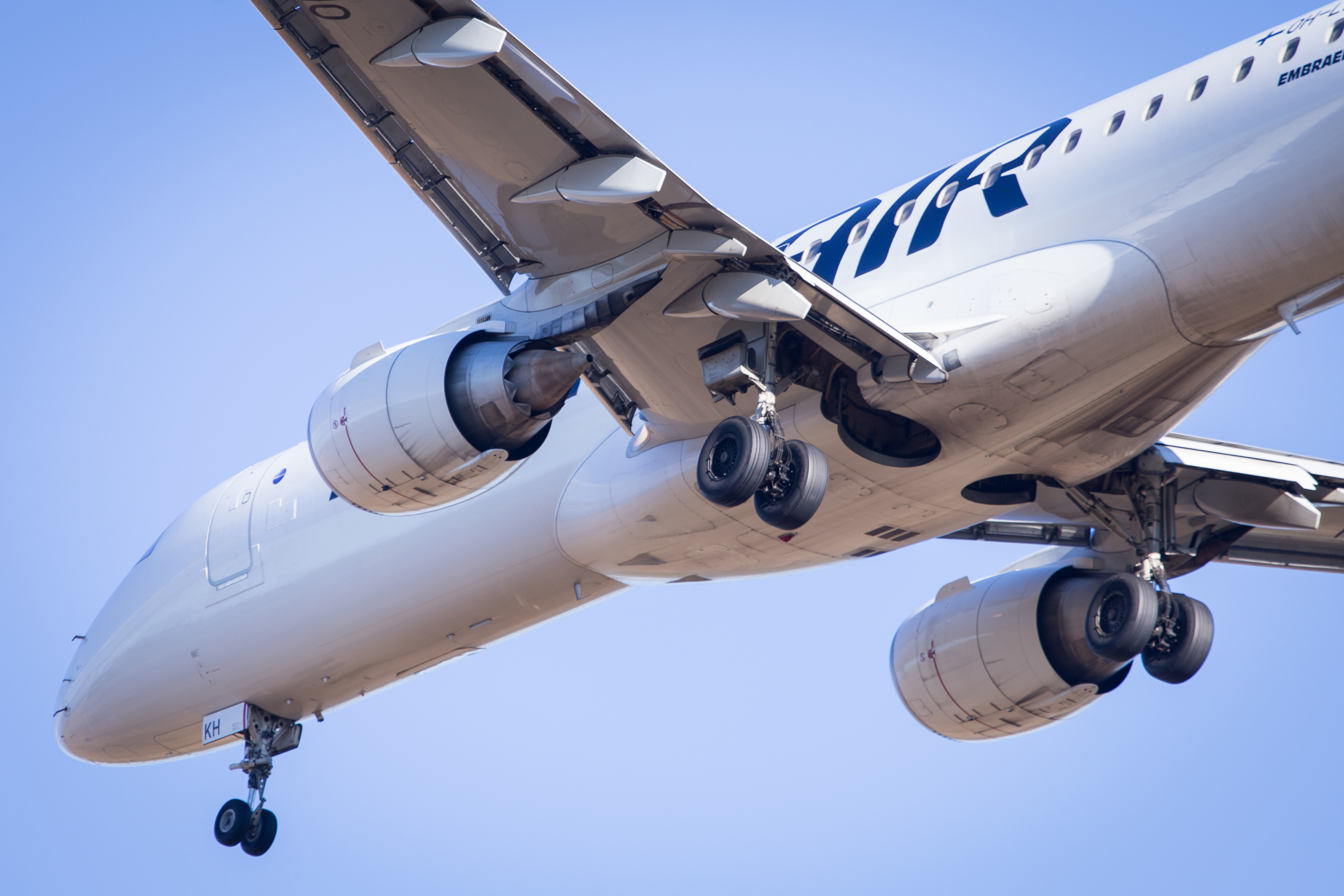
“That stopped overnight,” said Vuori. “Then the home carrier Finnair had to start flying longer routes, bypassing Russian airspace, meaning that with the same fleet, they were able to do 20% less on those Asian routes.
“Suddenly we lost about 25% of the passengers when that war started, which has now lasted four years. In the beginning of that crisis, we all anticipated that this would be a short campaign, that there will be wisdom on each side of the equation, and this will stop.”
First step in solving a problem is recognising there is one
Having calculated that the war in eastern Europe would not be over quickly, he said Finavia was able to implement a strategy to handle the new reality for Finland’s airport sector.
“We just had to start looking into the future and to make the forecast that this is going to be long term … that helped us organisationally,” he said.
“It took us about a year and a half before we were able to admit that this was going to be there for the long term, and then you start taking the actions to replace that missed traffic.
“Once we were there with this long term reality, it gave a lot of energy to the organisation. Now we just have to roll up our sleeves and start doing something, not just waiting for the war to end.”
Featured image: Finavia
Sign up for our newsletter and get our latest content in your inbox.


More from

October 25, 20266 min read

October 25, 20265 min read


