Fighter jets don’t have bathrooms, so how do pilots pee?

3 min read
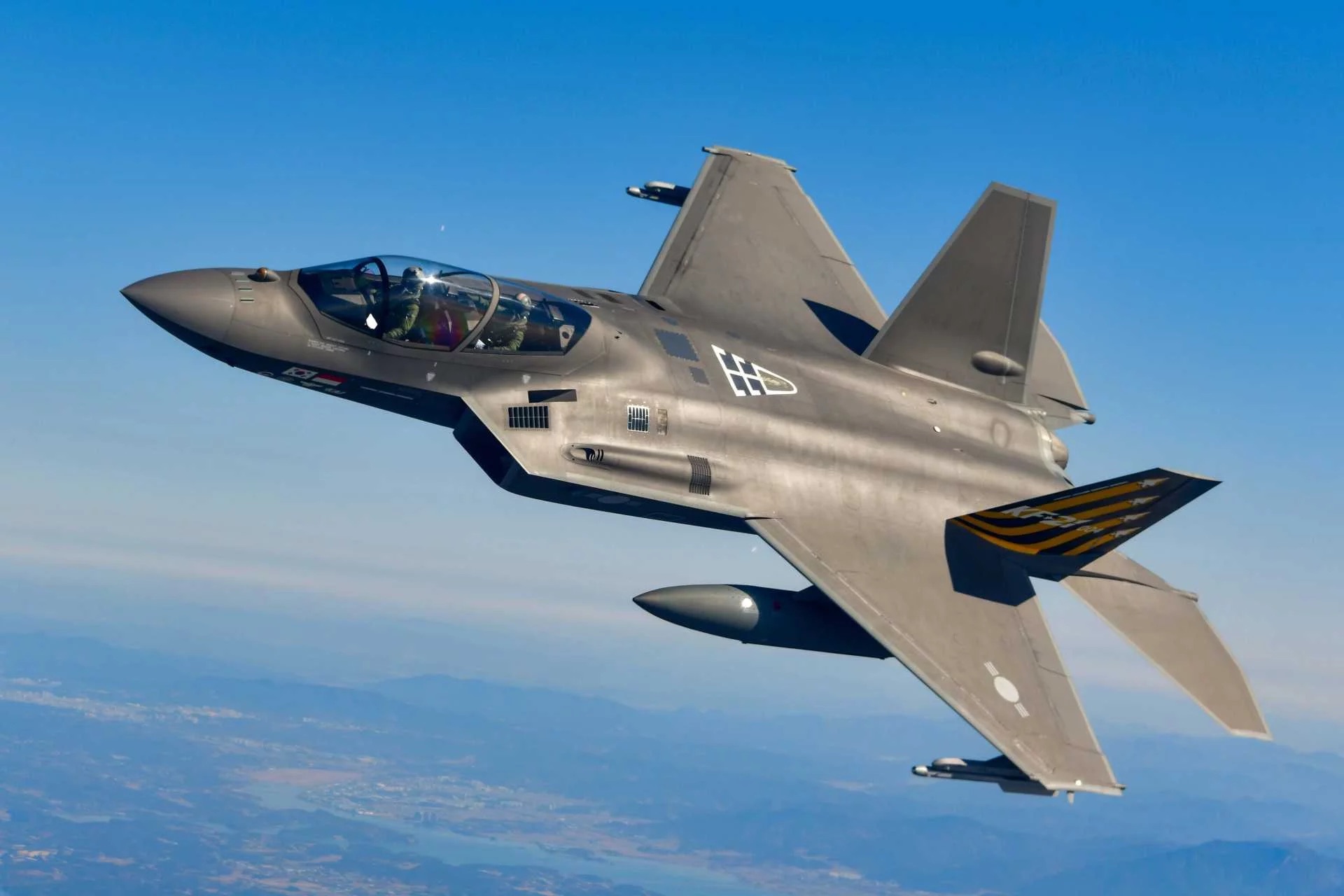
Given the amount of equipment that fighter pilots wear, having a quick wee can be something of a complex process. And unlike on commercial aircraft, there’s no space for a handy little bathroom.
How fighter jet pilots relieve themselves in flight
Okay, so here’s what happens.
To start the process, the autopilot is engaged so that the aircraft can stay flying straight and level. Then the pilot, sitting on their rocket-powered ejector seat, puts the safety pins back in place so it doesn’t accidentally go off mid-flow (disaster).
Finally, the seat/parachute harness needs to be loosened, so their many layers of clothing can be dealt with for “access”. On an overwater flight, this can mean unzipping the G-suit, immersion suit, flying suit, thermal long johns and then their underwear.
Then once all that is done, you need to be able to relax sufficiently to let it out, all the while hoping that the autopilot suddenly doesn’t drop offline.
Pilots must manage their workload during this process, so flying in formation, or during refuelling or combat operations are not the time to go. Typically, a pilot will radio their wingman when they are about to go so that the other pilot is aware of what’s happening.
Urine trouble: Piddle packs and in-flight relief systems explained
Now for the fun bit.
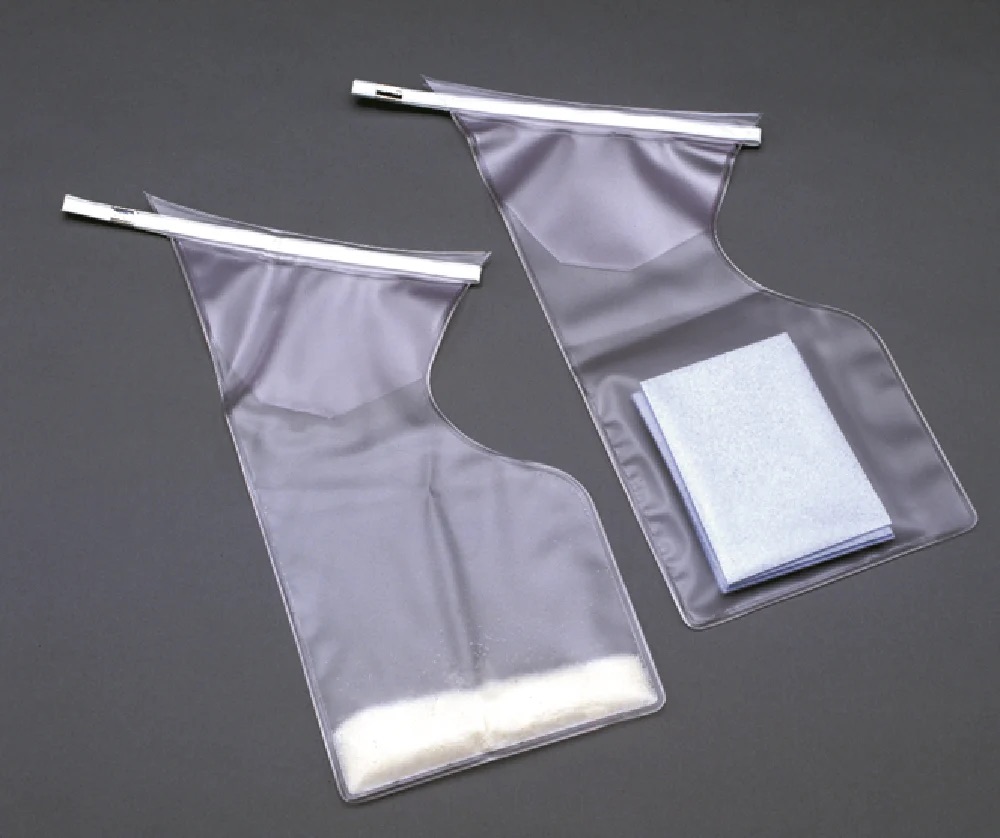
Male pilots will have a “piddle pack”, which is basically a type of Zip-Lok bag with a round tube attached. The bag contains a tightly compressed sponge inside or a water-absorbent powder, which turns into a gel when liquid is added. These can absorb a large amount of urine and help prevent sloshing and leakage from the bag should it get punctured.
Female fighter pilots often go for a disposable in-flight relief system that resembles an adult nappy. Modern solutions are designed to be more ergonomic and gender-inclusive than older systems, which were originally built around male anatomy and proved less practical for women. Luckily, times are changing.
Comfort, hygiene and functionality are key, allowing pilots to remain focused on flying and mission safety without distraction.
New devices are also being developed that involve an undergarment with a jockstrap that is attached to a vacuum. When the pilot needs to go, they turn on the vacuum and relieve themselves without having to remove all those layers of flying clothing.
What happens if a pilot is caught short in combat
Pilots carefully manage their liquid and food intakes before and during a flight. Tactical dehydration happens, but it’s known to put significant extra pressure on a pilot’s body whilst negatively affecting performance.
However, there are, of course, occasions when things can turn unexpectedly.
Military aviation legend has it that an American fighter jet was shot down over Bosnia by a SAM (Surface to Air Missile) during the Balkan Campaign, and the pilot ejected “mid-pee” with his piddle pack still attached… not great timing.
It seems that spending a penny is one thing, but offloading a $30 million jet is quite another.
Get all the latest defence news on AGN here.
Featured image: KAI
Sign up for our newsletter and get our latest content in your inbox.


More from

October 17, 20265 min read


October 17, 20264 min read