FAA orders replacement of 58,500 radio altimeters in landmark 5G safety rule

3 min read
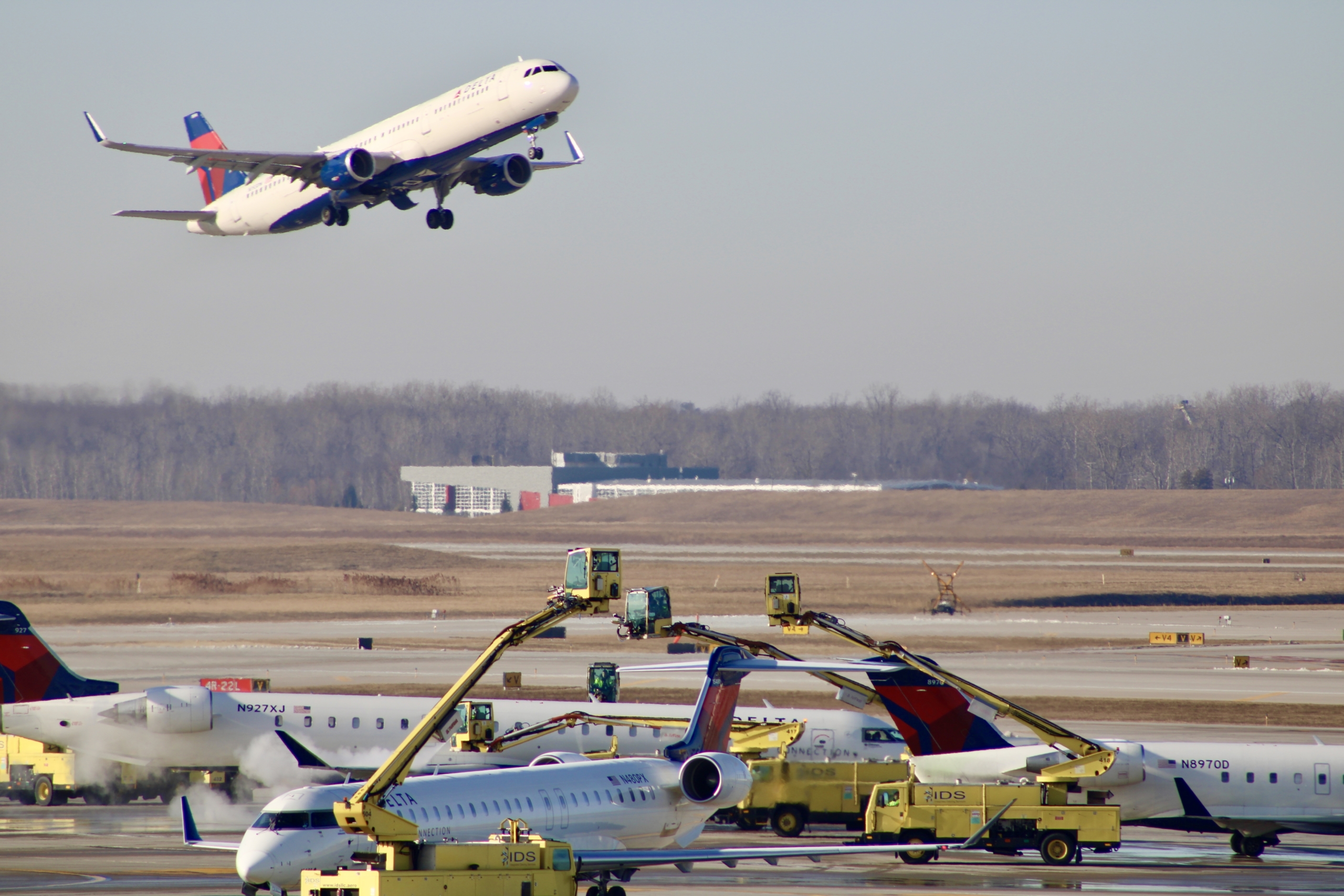
The US Federal Aviation Administration (FAA) has issued a final rule requiring aircraft operators to upgrade thousands of radio altimeters to ensure they can safely operate alongside expanding 5G wireless networks.
The rule, which will soon be published in the Federal Register, requires all aircraft operating in US airspace to use interference-tolerant radio altimeters.
It ends years of temporary operating restrictions introduced after concerns that 5G C-band transmissions could interfere with the critical flight instruments. The FAA estimates the mandate will affect approximately 58,500 radio altimeter units installed across the US fleet, with compliance costs exceeding $4.49 billion.
Aircraft safety automations rely on altimeter readings
Altimeters measure an aircraft’s height above the terrain by sending radio signals to the ground and measuring the return time. Several aircraft automated safety systems rely on this information during low-visibility approaches and landings, including:
- Automatic landing systems
- Ground proximity warning systems (GPWS)
- Terrain awareness and warning systems (TAWS)
- Wind shear detection
- Autothrottle and flight director functions
- Automatic spoiler deployment on landing
If interference causes inaccurate altitude readings, multiple aircraft systems can behave unexpectedly during the most critical phases of flight.
From emergency restrictions to permanent standards
The publication of the rule marks the conclusion of a four-year effort that began after the rollout of 5G C-band services in 2021 raised concerns that signals operating close to the radio altimeter frequency band could degrade aircraft performance.
The FAA initially responded with emergency airworthiness directives, NOTAMs and operational restrictions that limited low-visibility operations at airports where 5G transmitters were active.

Manufacturers have certified newer radio altimeters as tolerant to interference, allowing many restrictions to be lifted. The new rule replaces those temporary measures with permanent technical standards requiring all affected equipment to meet minimum interference-resistance requirements.
Airlines face first compliance deadline
Recognising the importance of maintaining safe airline operations in poor weather, the FAA has adopted a phased implementation schedule.
Scheduled passenger airlines operating under Part 121, along with large foreign air carriers operating under Part 129, must comply with the new rule by December 30, 2030.

All remaining affected aircraft, including business aviation and many general aviation operators, have until October 31, 2034, to install compliant equipment.
58,500 altimeters require replacement or upgrade
The FAA estimates that approximately 58,500 radio altimeters will need to be replaced or modified. Overall compliance costs would be around $4.49 billion, while benefits would exceed $8 billion, mainly from the removal of operational restrictions.
Coordinated with FCC spectrum expansion
The final rule was issued alongside the US Federal Communications Commission’s (FCC) decision authorising additional Upper C-band spectrum for future 5G services.
The FAA said years of joint testing with the FCC resulted in safeguards that allow aviation and telecommunications to coexist safely.
Among them are:
- A buffer spectrum between 5G and radio altimeter frequencies
- Power limits for new 5G transmissions
- Restrictions on transmission tower height
- Protection of key aircraft warning systems
The FAA expects these measures to support 5G wireless services expansion without compromising aviation safety.
A long-term solution for the 5G era
According to the FAA, the rule establishes the next generation of radio altimeter performance standards, rather than imposing new operational requirements.
With interference-tolerant equipment across the fleet, the agency hopes to eliminate temporary procedures while maintaining accurate height information as wireless communications continue to evolve.
The mandate also provides airlines, manufacturers and maintenance providers with a predictable timeline for replacing older equipment before additional 5G spectrum becomes operational later this decade.