FAA orders Boeing 787 wing inspections over cracks that could threaten structural integrity

6 min read
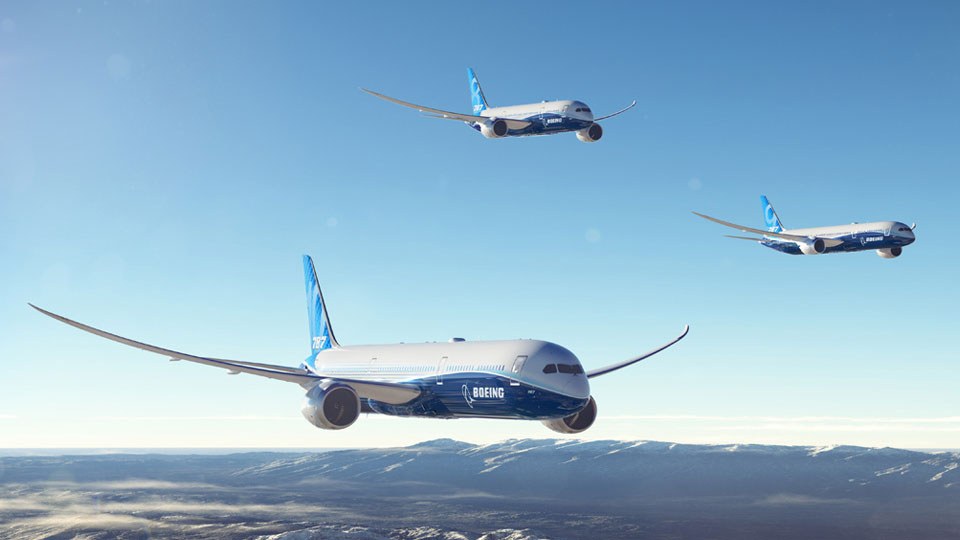
The US Federal Aviation Administration has ordered inspections of dozens of Boeing 787 Dreamliners after determining that a manufacturing problem could lead to fatigue cracks in a critical part of the wing structure.
The new airworthiness directive covers certain 787-8, 787-9 and 787-10 aircraft. The FAA says cracks left undetected could grow until the primary wing structure is unable to withstand the loads it was designed to carry, with potentially serious consequences for continued safe flight and landing.
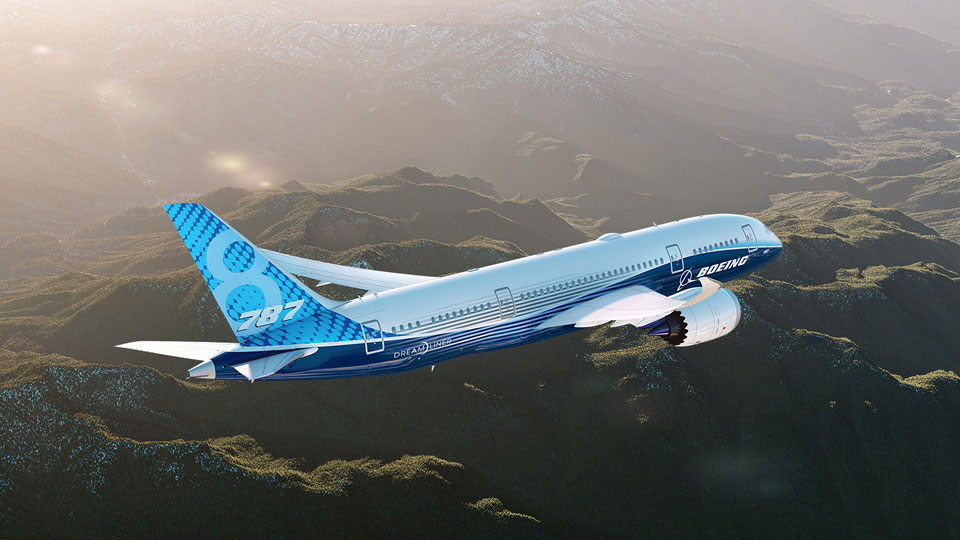
Only a small part of the worldwide Dreamliner fleet is affected. The directive covers 17 US-registered aircraft and 77 worldwide, compared with a global fleet of more than 1,100 787s. Boeing said in a statement, cited by the Seattle Times, that the aircraft can continue flying normally.
The directive, AD 2026-17-02, was published in the Federal Register on August 27 and takes effect on October 1. It turns inspections that Boeing had already recommended to operators into a regulatory requirement.
The issue is particularly notable because it again involves the fit between structural components on the largely composite Dreamliner. Boeing has spent several years dealing with manufacturing and shimming problems on the 787, some of which previously resulted in lengthy interruptions on deliveries.
A problem first uncovered in 2019 has now led to mandatory inspections
The latest directive traces its origins back seven years.
Boeing discovered the problem during an investigation in 2019, when it found that an outdated method had been used to measure shims during production, according to a Seattle Times report.
A shim is used to fill a small space between aircraft components before they are fastened together. These gaps are normal in aircraft manufacturing, but they have to remain within tightly controlled engineering limits.
In this case, Boeing’s investigation found that some gaps at lower side-of-body splice plates may have exceeded those limits. The plates are associated with the lower outboard wing skins, in the area where important parts of the wing structure meet the aircraft’s centre section.
The gap alone is not the entire problem.
The FAA says excessive force may have been used to pull the components together during assembly. That creates additional stress around the fastener holes. Over thousands of hours and repeated pressurisation and flight cycles, those stresses can provide the conditions for fatigue cracks to develop.
Boeing said the production issue itself has already been corrected.
“This airworthiness directive is the next step in a process that began in 2019 when Boeing identified an outdated method for measuring shims,” a Boeing spokesperson was quoted by the Seattle Times.
“The issue was corrected in production. Airplanes in the global fleet may continue normal operations.”
Boeing issued an Alert Requirements Bulletin covering the affected aircraft on August 11, 2025. The FAA proposed making those inspections mandatory in March this year and has now adopted the rule substantially as proposed.
Why the FAA is concerned about cracks in this part of the 787
The language in the final directive leaves little ambiguity about what regulators are trying to prevent.
The FAA says improper shim gaps could allow fatigue cracks to develop and grow, weakening the primary wing structure until it “cannot sustain limit load”. The regulator warns that the eventual result could be the loss of continued safe flight and landing.
That does not mean regulators have found an imminent risk across the Dreamliner fleet.

The directive applies only to aircraft identified in Boeing’s August 2025 requirements bulletin, rather than every 787 in service.
Nor is the FAA grounding the affected aircraft.
Instead, operators must carry out inspections according to an aircraft’s configuration and its accumulated flying hours and cycles. The objective is to find any fatigue damage long before it reaches a size that could affect the strength of the structure.
The work goes well beyond simply looking at the wing from the outside.
Operators will have to carry out repeated ultrasonic inspections at specified splice plates, rear spar terminal fittings, lower chords, front spar terminal fittings and jack pads. Certain splice plates also require repeated detailed inspections. Any damage found must be addressed through approved corrective action, which can include repairs.
Ultrasonic testing allows technicians to look for cracking inside or beneath a structure that may not be visible on its surface.
The FAA estimates the inspections could take up to 286 work hours and cost as much as $24,310 per aircraft for each inspection cycle. Across the 17 US-registered Dreamliners covered by the directive, that puts the maximum inspection cost at $413,270 per cycle.
The figure does not include the cost of repairs if cracks are discovered because the FAA said it did not have enough information to estimate those costs.
American Airlines sought a simpler inspection schedule
The final rule also provides an unusual glimpse into the practical difficulty airlines can face in complying with structural inspection programmes.
American Airlines asked the FAA to simplify the way inspection intervals are calculated. Boeing’s requirements use equations combining an aircraft’s flight hours and flight cycles to determine when initial and repeat inspections must take place.

American said its internal tracking system could not support the equation-based method. That would leave the airline either tracking the inspections manually throughout an aircraft’s life or adopting more conservative limits that would shorten the interval between inspections.
The FAA rejected the request.
It said the affected splice plates are sensitive to flight length, making both flight hours and cycles important when determining when inspections should occur. Simplifying the calculation could also cause some aircraft to become immediately non-compliant.
United Airlines raised no objection to the proposed rule.
A separate comment from the Foundation for Aviation Safety asked what the FAA was doing to hold Boeing accountable for what it described as continuing manufacturing quality defects. The FAA noted that the question did not request a change to the proposed directive and made no change on that basis.
This is not the first 787 directive involving gaps and fatigue cracking
The latest order is significant partly because of what has happened before.
Manufacturing gaps became one of the most serious production issues encountered by the 787 programme earlier this decade. Boeing stopped Dreamliner deliveries for several months in 2020 after discovering manufacturing non-conformities, and further scrutiny by the FAA contributed to another prolonged interruption as production and inspection processes were reviewed.
More recently, the FAA has issued other structural directives involving gaps and the possibility of fatigue cracking on the Dreamliner.
One concerned the aircraft’s forward pressure bulkhead. The FAA acted after reports of multiple manufacturing non-conformities, including excessive gaps and excessive pull-up during assembly. The regulator warned that fatigue cracks could develop earlier than the normal structural inspection schedule would be expected to find them. The directive covered all three Dreamliner variants and required internal and external inspections of affected bulkheads.
That case is strikingly similar in one respect to the latest wing directive: both concern components that may not have fitted together within specified tolerances and the stresses created when parts are pulled together during assembly.
There have been other 787 airworthiness directives for unrelated safety issues as well. In March this year, for example, the FAA ordered replacement of integrated surveillance system processor hardware on certain 787s following instances in which aircraft lost transponder capability in the presence of continuous-wave interference.
And the regulator is currently proposing to tighten requirements introduced in 2022 covering the 787’s vertical fin tension bolts after receiving further reports of corrosion, in some cases more severe than expected.